Delivery fees are ‘deal-breaker’ for half of UK consumers says Parcelhero
The story of abandoned checkout carts because of unexpectedly-high delivery fees continues to headline in consumer surveys. The latest, from home delivery firm Parcelhero, reveals half of online shoppers exit because those delivery fees are such an important factor in the buying process.
Image: Parcelhero/copyright iStock)
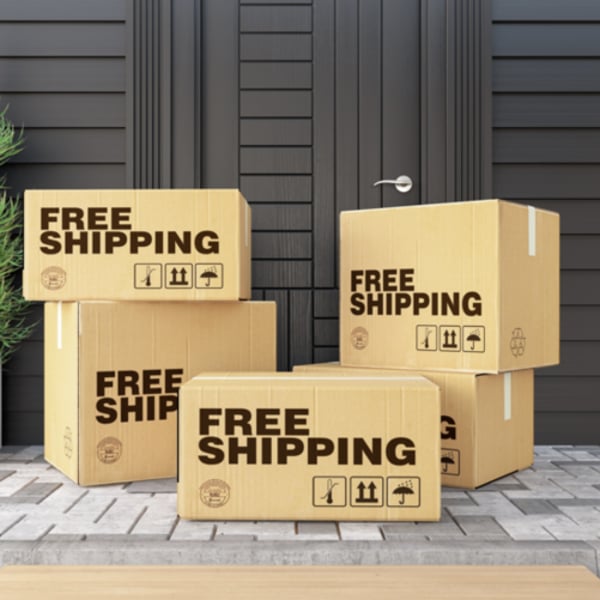
Reflecting this dislike of shipping fees, 72% of shoppers also say free delivery will make or break a purchase (compared to 57% in its 2020 survey) and that latest percentage “is rising fast”.
However, the mid-2025 analysis shows 80% of UK shoppers are now also prepared to spend more to meet minimum free delivery thresholds. The majority of shoppers said around £40 was an acceptable minimum order price threshold they would be willing to meet to qualify for free deliveries.
Equally important to consumers are return options with 74% checking retailers’ returns policies before buying from a site.
Easy, printer-free returns are high on most shoppers’ must-have lists and 55% of shoppers mainly buy from sellers offering free returns and 50% of online buyers say free returns are the single improvement they most want to see from their favourite retailers.
However, even though delivery costs are critical, green deliveries also remain important to UK shoppers with 61% wanting to see eco-based options.
Preferred options include slower eco-friendly deliveries, consolidated shipping and less packaging.
Parcelhero’s Head of Consumer Research, David Jinks said: “For many, hidden or costly delivery fees are a deal-breaker.
“[But] it’s fascinating to see that, while free deliveries and easy returns dominate shoppers’ priorities, “same-day deliveries aren’t so important to them. It is likely that saving money, rather than ultra-convenience, now tops many shoppers’ agendas as we enter the potentially choppy financial waters of the second half of 2025.”
He added: “As consumers tighten their belts, it’s those stores with a combined High Street and online offering – including multiple delivery and return options – that are most protected against inflation pressures and unexpected events.”