
Politics
Debra Tendrich files bill to treat politically motivated attacks as hate crimes


In the wake of politically motivated attacks that shook communities nationwide, Democratic Rep. Debra Tendrich has filed legislation to expand Florida’s hate-crime statute to include political ideology.
The measure (HB 143) would add “political ideology of the victim” to the list of factors that trigger tougher penalties when a crime is committed with prejudice.
Under current law, those factors include race, color, ancestry, ethnicity, religion, sexual orientation, national origin, homeless status or advanced age of the victim.
If passed, HB 143 would require courts to reclassify politically motivated crimes to higher offense levels.
For instance, a first-degree misdemeanor punishable by up to a year in jail would be elevated to a third-degree felony carrying a penalty of up to five years, and a third-degree felony would be upgraded to a second-degree felony, for which 15 years behind bars is the maximum.
Affected infraction levels range from a second-degree misdemeanor to a first-degree felony, the latter of which would rise to a life felony, with life imprisonment as punishment upon conviction.
“Political violence is on the rise,” Tendrich said in a statement. “I want Floridians to know I will always defend their right to speak freely and safely, no matter what party or ideology they support, even if we disagree.”
She pointed to the May killing of Israeli embassy workers Sarah Milgrim and Yaron Lischinsky by a Palestine-aligned gunman, the June murder of Minnesota Democratic Leader Melissa Hortman and her husband, Mark, at their home, and the assassination last month of conservative activist Charlie Kirk at a Utah college campus.
While political violence remains relatively rare compared with other forms of violent crime, experts say threats and targeted acts have increased nationwide. A PBS NewsHour analysis of federal data found that politically motivated attacks, particularly those tied to extremist movements, have become more frequent and, in some cases, deadlier.
Tendrich said constituents on both sides of the aisle have told her they now feel less safe publicly expressing their opinions and, in some cases, have censored themselves rather than face a risk of violence. That tracks with recent polling that found half of voters in Miami-Dade, Florida’s largest county by population, believe sharing their political views online and in public could draw retaliation.

“Violence fueled by political hatred is still hate, and it must be treated that way,” Tendrich said. “Florida must send a clear message: we will not tolerate intimidation or violence against anyone for their beliefs. In our state, we protect freedom, not fear.”
HB 143, which pends a Senate companion, would make Florida one of a handful of states and Washington, D.C., to explicitly classify politically motivated offenses as hate crimes. Others include California, Iowa, Louisiana, South Carolina and West Virginia, according to the U.S. Bureau of Justice Statistics.
The bill would go into effect Oct. 1.
Politics
Supreme Court weighs Republican appeal to end limits on party spending in federal elections
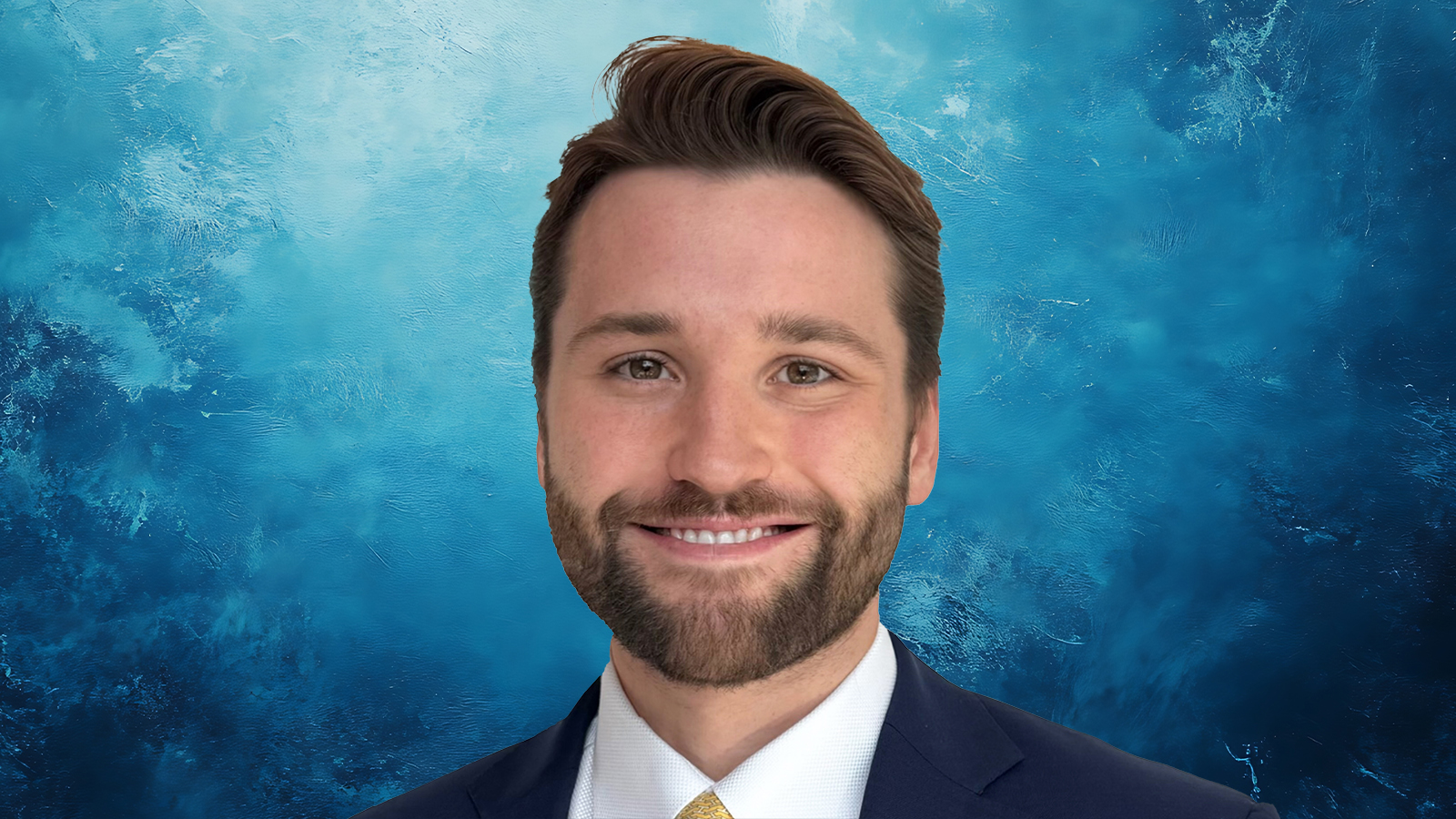
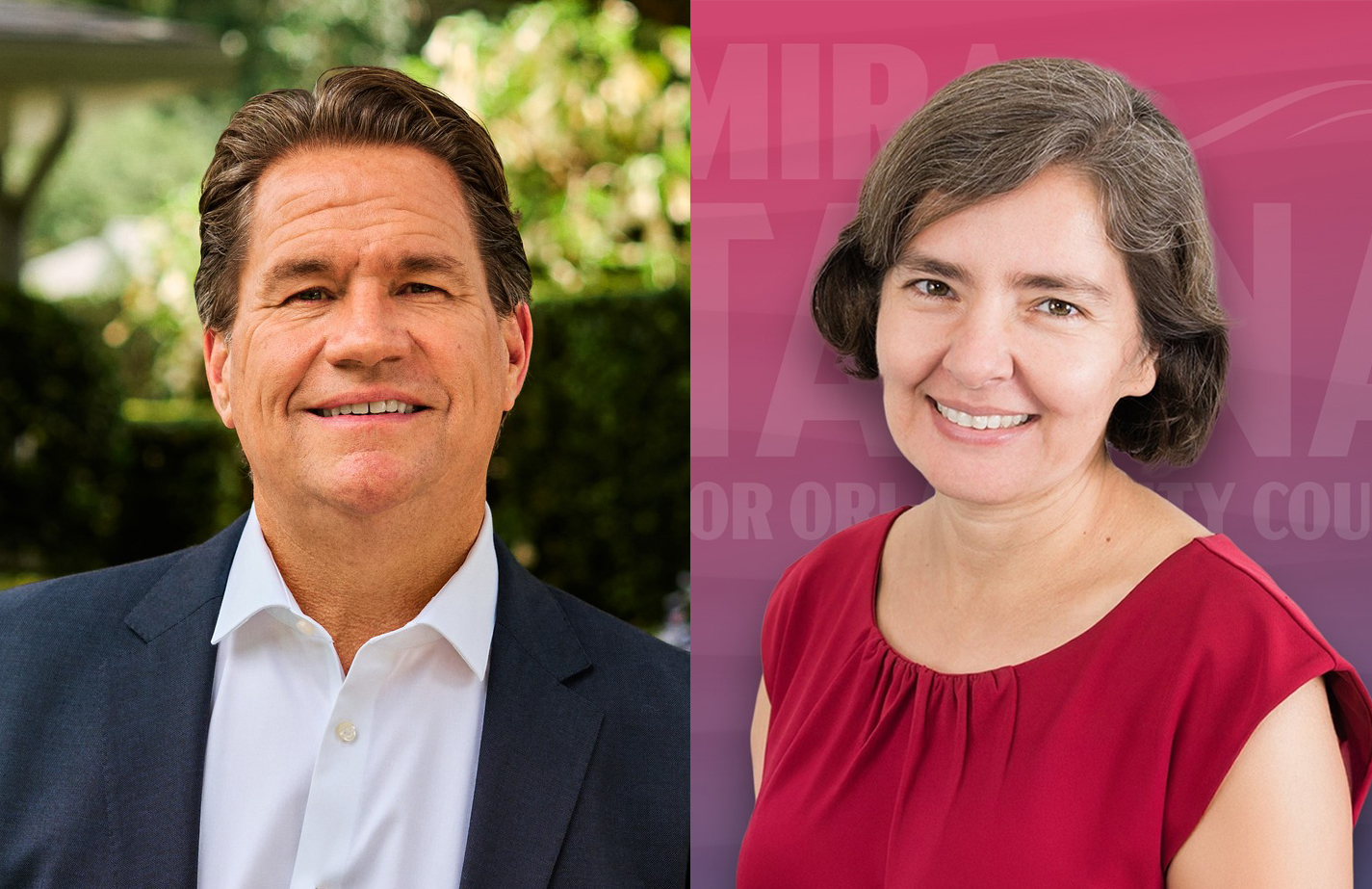
Roger Chapin and Mira Tanna are going head-to-head in Tuesday’s Orlando City Council runoff after a margin of only 14 votes separated them in last month’s crowded General Election.
Chapin holds the big fundraising edge and the advantage of having name recognition as the son of former Orange County Mayor Linda Chapin. He also carries the support of the establishment, including Orlando Mayor Buddy Dyer and incumbent City Commissioner Robert Stuart, who didn’t seek re-election.
Tanna’s strengths are her grassroots campaign and the endorsements of popular Orlando Democrats like U.S. Rep. Maxwell Frost and state Rep. Anna Eskamani, who are lending their support to help her knock on doors and engage with voters.
Early voting concluded Sunday. Election Day precinct polls are open 7 a.m. to 7 p.m. Tuesday.
Chapin and Tanna are both Democrats, and the winner will be the first new City Commissioner to represent District 3 in 20 years. The four-year term currently pays $79,343 annually for the nonpartisan seat. District 3 spans College Park, Audubon Park, Baldwin Park, Coytown and other downtown area neighborhoods north of Colonial Drive.
Tanna works as the Orlando city grants manager. She commutes to work on the bus, and is focused on fixing Central Florida’s public transit.
Chapin is a public affairs and public relations consultant. He said his biggest client is Mears Transportation, his former employer. His priorities include the Main Street Districts on Ivanhoe Boulevard and Edgewater and Corrine drives.
In making his case to voters, Chapin pointed to his long résumé of public service. After a failed bid for Orlando City Council in 2002, he got involved on the Municipal Planning Board, Downtown Development Board, Orlando Utilities Commission and more.
Chapin argues he is the most experienced candidate in the race and would “govern from the middle” to work with both Republicans and Democrats, citing Dyer as an example of a politician who can work both sides of the aisle to get things done.
Tanna’s supporters say she is the right fit and has the vision to help make changes as Orlando faces big challenges in a lack of affordable housing and congested traffic. They also say bus routes and SunRail don’t meet enough people’s needs. Tanna also pointed to her city career, saying she knows City Hall and is ready to jump in on Day 1.

Tanna’s endorsements include the Young Democrats of Orange County, Ruth’s List, the Sierra Club, the Orange County Classroom Teachers Association and Ruth’s List Florida. Endorsements also include state Sens. LaVon Bracy Davis and Carlos Guillermo Smith, as well as state Reps. Johanna López, Rita Harris, RaShon Young. Orange County Commissioners Nichole Wilson and Mike Scott and Orange-Osceola State Attorney Monique Worrell are also backing Tanna.
Chapin won endorsements from the Orlando Sentinel, the Central Florida Hotel and Lodging Association, the Orlando Regional Realtor Association and unions representing police and fire. Orange County Sheriff John Mina also is backing Chapin.
Chris Durant, who placed third, just out of reach in the Nov. 4 General Election, has endorsed Chapin and is being paid $1,500 to join him on the campaign trail.


The ‘forever layoffs’ era hits a recession trigger as corporates sack 1.1 million workers through November

Superfan Who Rushed at Ariana Grande Kicked Out of Lady Gaga Concert

ModaPortugal Links will showcase 18 European design talents in Porto on December 11
-

 Politics8 years ago
Congress rolls out ‘Better Deal,’ new economic agenda
-
Entertainment8 years ago
New Season 8 Walking Dead trailer flashes forward in time
-
Politics8 years ago
Poll: Virginia governor’s race in dead heat
-
Entertainment8 years ago
The final 6 ‘Game of Thrones’ episodes might feel like a full season
-
Entertainment8 years ago
Meet Superman’s grandfather in new trailer for Krypton
-
Politics8 years ago
Illinois’ financial crisis could bring the state to a halt
-
Business8 years ago
6 Stunning new co-working spaces around the globe
-
Tech8 years ago
Hulu hires Google marketing veteran Kelly Campbell as CMO