Politics
Debbie Wasserman Schultz language protecting Everglades from pipeline fastrack rejected in committee
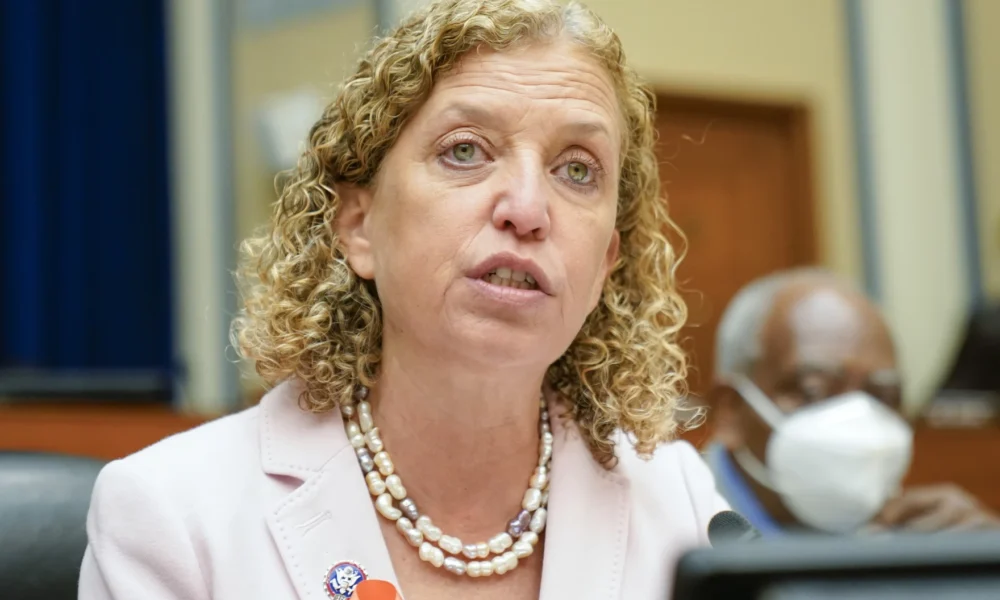
Florida Democrats say an amendment shot down by the U.S. House Rules Committee could have protected the Everglades from energy exploration.
U.S. Rep. Debbie Wasserman Schultz, a Weston Democrat, pushed for a change in language in the Improving Interagency Coordination for Pipeline Reviews Act (HR 3668) during Committee proceedings. That bill, filed by U.S. Rep. Richard Hudson, a North Carolina Republican, would expedite review of natural gas or liquified gas pipelines by the Federal Energy Regulatory Commission (FERC).
Wasserman Schultz’s amendment to the bill would have excluded the Everglades and other Florida navigable waters from that change, still requiring extensive review to put a pipeline through Florida’s largest national park. However, the Rules Committee did not allow the amendment to come to a vote.
“While we spend billions to restore the Everglades, House Republicans voted to pollute it,” Wasserman Schultz posted on social media.
She said the amendment was worked on with the support of most Democrats in Florida’s congressional delegation, including U.S. Reps. Kathy Castor, Lois Frankel, Darren Soto and Frederica Wilson. Wasserman Schultz is the Democratic co-chair of the congressional delegation.
The proposed change “tried to exempt the Everglades from this dirty water bill, but House Republicans rejected it,” Wasserman Schultz said.
Republicans characterized the legislation differently, with some members from Florida.
U.S. Rep. Cory Mills, a New Smyrna Beach Republican, said he supported advancing the bill from the Committee to the floor.
“I voted to support HR 3668, the Improving Interagency Coordination for Pipeline Reviews Act, to cut red tape and speed up approvals for natural gas pipelines and LNG terminals,” he posted. “This bill puts FERC in charge of NEPA (National Environmental Policy Act) reviews, sets strict timelines, improves agency coordination and strengthens pipeline security. This is how we lower energy costs and boost American energy independence.”
FERC is responsible for reviewing and issuing permits for new or expanded gas lines. The legislation, as written, would shift oversight responsibilities from state governments to the agency and eliminate the need for state certifications.

