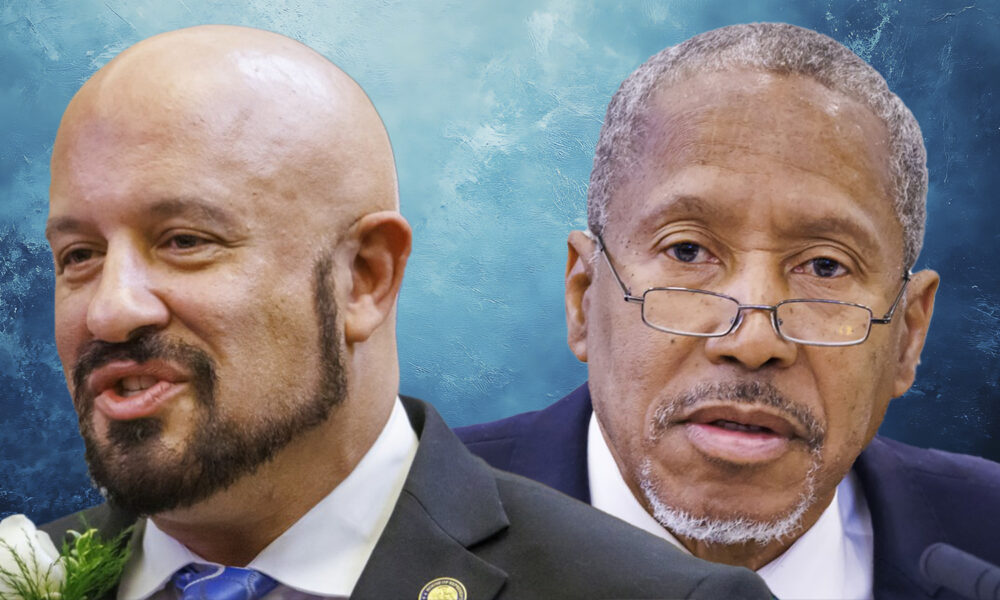
St. Petersburg Democratic Sen. Darryl Rouson and Oakland Park Democratic Rep. Mitch Rosenwald are sponsoring measures aimed at reducing the number of people discharged from hospitals directly into homelessness.
The legislation (SB 1132, HB 1033), collectively titled the Bridging Systems to Housing Act, would strengthen discharge procedures and coordination between health care providers and homelessness service networks. It outlines procedures for hospitals and treatment facilities to follow when patients are homeless or at risk of homelessness after leaving care.
“Too often, people are discharged from care only to be sent back to the streets, setting them up for deeper hardship and repeated crises,” Rouson said in a statement. “This legislation is about ensuring that when someone leaves a facility, there is a real plan in place to connect them to the services they need.”
Florida has made recent progress on efforts to reduce homelessness. According to the Council on Homelessness, 2025 data show a 9.13% decrease in overall homelessness statewide, with the total number of people experiencing homelessness dropping from 31,362 in 2024 to 28,498 in 2025. The figure represents a reversal from increases seen since 2021, demonstrating “the impact of targeted interventions, increased state funding, and continued implementation of evidence-based practices.”
If approved, the bills would direct the Department of Children and Families to conduct a pilot program in Broward, Duval, Hillsborough and Pinellas counties implementing revised discharge procedures to further advance homelessness efforts. Those procedures would include early screening to identify homeless patients and developing a discharge plan that connects patients to local Continuums of Care.
Rosenwald said the bills would disrupt a costly cycle that shuffles chronically homeless individuals from treatment at local emergency rooms to the street, and back, without support.
“The chronic homeless frequently cycle between healthcare facilities and the street without coordinated support,” Rosenwald said. “This legislation targets early and consistent data-sharing and coordination with the Homeless Continuum of Care. Homeless persons will receive shelter and other services more quickly in the community. This will help reduce emergency room recidivism and subsequent health care costs.”
If approved, the legislation would take effect July 1.