
Politics
Danny Alvarez proposal creating a statewide counterterrorism unit clears first House committee
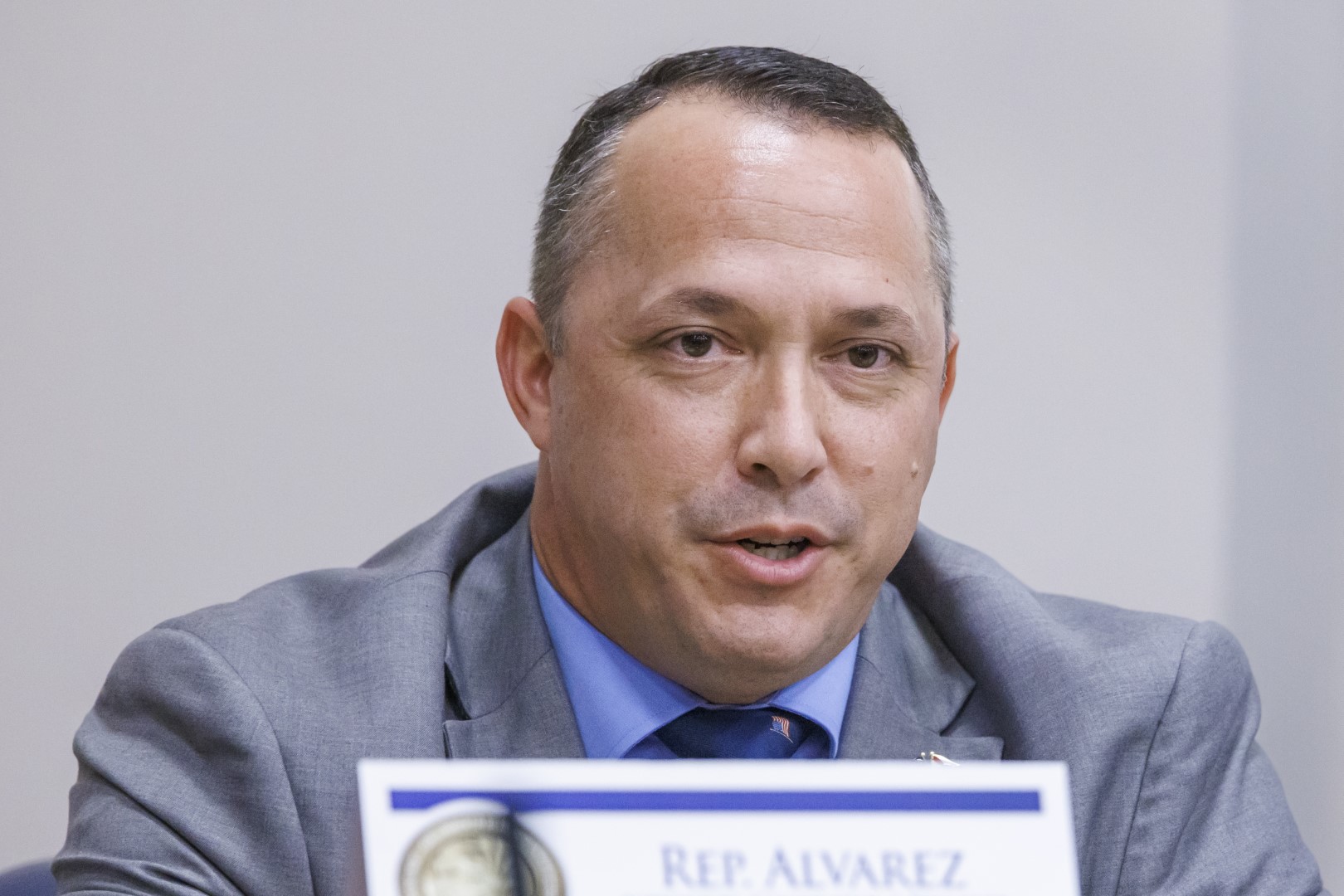
A proposal by Riverview Republican Rep. Danny Alvarez to create a statewide counterintelligence and counterterrorism unit cleared its first House committee stop.
HB 945 would require the Florida Department of Law Enforcement (FDLE) to establish and administer a Statewide Counterintelligence and Counterterrorism Unit tasked with identifying and disrupting foreign and domestic threats operating in, or targeting, Florida.
The House Government Operations Subcommittee advanced the measure on a unanimous vote, with members offering brief remarks in support but raising no questions. Alvarez told the committee that Florida cannot rely solely on federal agencies to address emerging security threats, citing the state’s size, economy and global profile.
“Florida has responsibility to look out for ourselves, so we’re going to look after terrorists, we’re going to look after nations, bad states, we’re going to look for bad actors,” Alvarez said. “We are staying in our lane, and that is this bill.”
If approved, HB 945 directs the FDLE to create a 10-person leadership and organizational team by July 2027, and gradually build out a statewide unit composed of at least seven regional teams aligned with Florida’s existing domestic security task forces. Each team would include supervisory agents, intelligence analysts and designated federal, state and local liaison officers.
The bill authorizes the unit to conduct counterintelligence and counterterrorism operations, including analyzing patterns of life, gathering actionable intelligence and executing arrests when necessary. Teams could operate independently or in coordination with other law enforcement agencies.
The legislation defines “adversary intelligence entities” to include foreign governments, terrorist organizations, corporations, nongovernmental groups or individuals whose actions are deemed a threat to the state or the United States. It also sets minimum experience requirements for unit members, limiting eligibility to individuals with backgrounds in military service, intelligence agencies or law enforcement.
During debate, committee members praised the proposal as a proactive step to address national security threats. Alvarez said the bill is part of a broader package of public safety proposals he plans to advance this Session, including measures related to emergency response coordination.
“It’s our responsibility to look at Florida globally,” Alvarez said.
The bill will now advance to its second of three stops with the House Judiciary Committee. Fort Myers Republican Sen. Jonathan Martin filed the proposal’s companion bill (SB 1712) earlier this month but it has not yet been heard at any Senate committee.

If ultimately approved by the Legislature, the measure would take effect July 1. FDLE would be required to request funding annually until the unit reaches full staffing by Dec. 30, 2033.