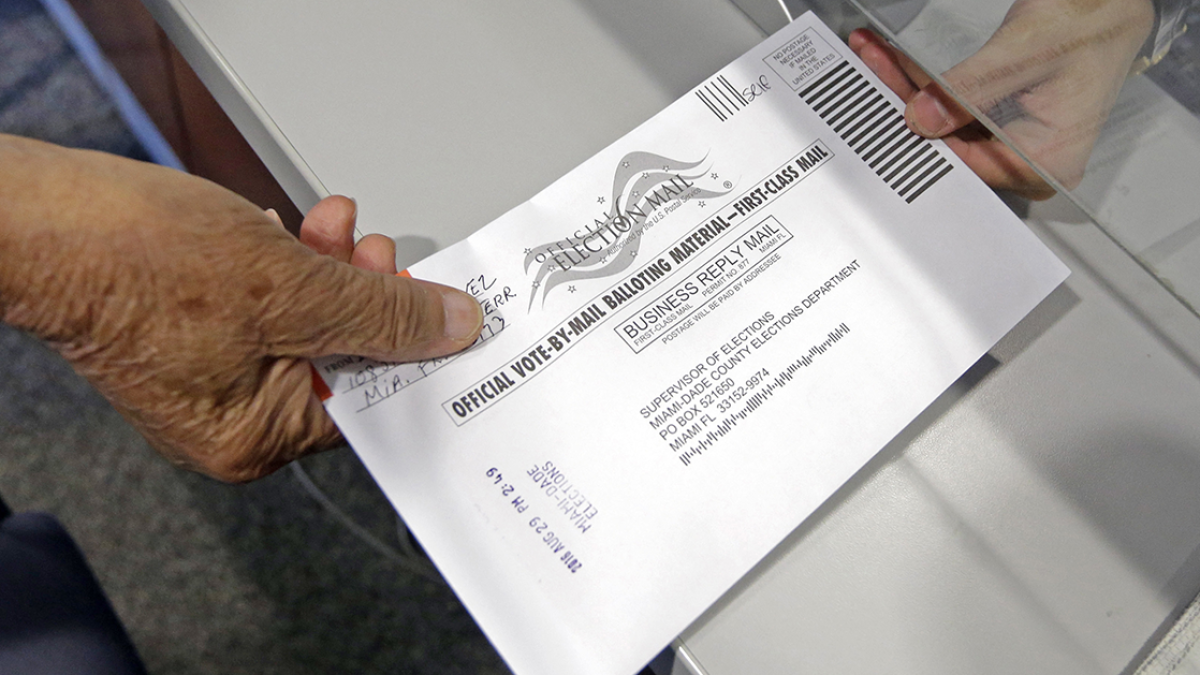
Coral Gables voters have just days left to return ballots in a citywide, vote-by-mail election that will decide eight proposed changes to the city’s charter, including a closely watched plan to shift municipal elections to November.
Ballots must be received — not postmarked — by 7 p.m. Tuesday, April 21, and can be mailed or hand-delivered to the Miami-Dade County Supervisor of Elections office in Doral.
There are no polling places or early voting sites.
As of last week, more than 7,000 residents — about 23% of eligible voters — had already cast ballots, according to the Miami Herald, suggesting a relatively small share of the electorate could determine the outcome in an election with no candidates on the ballot.
The low-profile contest could nevertheless bring some of the most significant changes to Coral Gables’ government in years, with measures affecting election timing, oversight, budgeting and how officials are held accountable.
At the center of the ballot is a proposal that has divided city leaders and residents: whether to move municipal elections from April in odd-numbered years to November of even-numbered years.
What voters need to know
Voters who still have ballots in hand have an increasingly limited time to act. Mailed ballots must arrive by Election Day, meaning late mailings risk missing the deadline. Hand delivery to the elections office in Doral is the most reliable option as Tuesday approaches.
The all-mail format is being used because the election includes only referendums and no candidates, which typically reduces costs.
What’s on the ballot
Eight proposed charter amendments:
— Amendment 1: Would move municipal elections from April in odd-numbered years to November of even-numbered years starting in 2026, shortening current officials’ terms by about four months. Supporters, including Mayor Vince Lago, say the change would boost turnout and reduce costs — from roughly $125,000 for standalone April elections to about $20,000 when held alongside national races, according to Axios. Opponents argue local issues could be overshadowed on crowded ballots and lead to less-informed voting.
— Amendment 2: Would prohibit the City Commission from changing the election date by ordinance, effectively requiring voter approval for any future changes. It is designed to lock in the November election schedule if Amendment 1 passes.
— Amendment 3: Would allow City Commissioners and certain appointed officials to remove members they appointed to boards or committees before their terms expire, without a Commission-wide vote. Such removals now typically require majority approval of the Commission.
— Amendment 4: Would require the city to convene a Charter Review Committee every 10 years beginning in 2035, formalizing a process the city has historically followed.
— Amendment 5: Would authorize the city to contract with Miami-Dade County or a private entity for Inspector General services. The office would investigate fraud, waste and abuse and provide oversight, with subpoena power. The idea follows recent political tensions and calls for increased transparency.
— Amendment 6: Would require voter approval for any increases in elected officials’ pay beyond standard cost-of-living adjustments tied to inflation. Currently, the Commission can approve additional raises by majority vote, as they did in 2023.
— Amendment 7: Would eliminate runoff elections in mayoral and Commission races. Candidates could win with a plurality — the most votes — rather than a majority.
— Amendment 8: Would require the city to maintain a general fund reserve equal to 25% of its operating budget and mandate a four-fifths vote of the Commission to spend those funds or change the policy, except in emergencies. City officials have described the reserve proposal as a financial safeguard for crises such as hurricanes.
Competing arguments
A group supporting the measures, Coral Gables First, says the amendments would “strengthen accountability, protect taxpayers and modernize how government works.”
Critics argue some provisions could concentrate power, reduce oversight or weaken voter influence, particularly proposals affecting board appointments and election procedures.
View the ballot questions and an explanation by Supervisor of Elections Alina Garcia on the city’s website here.