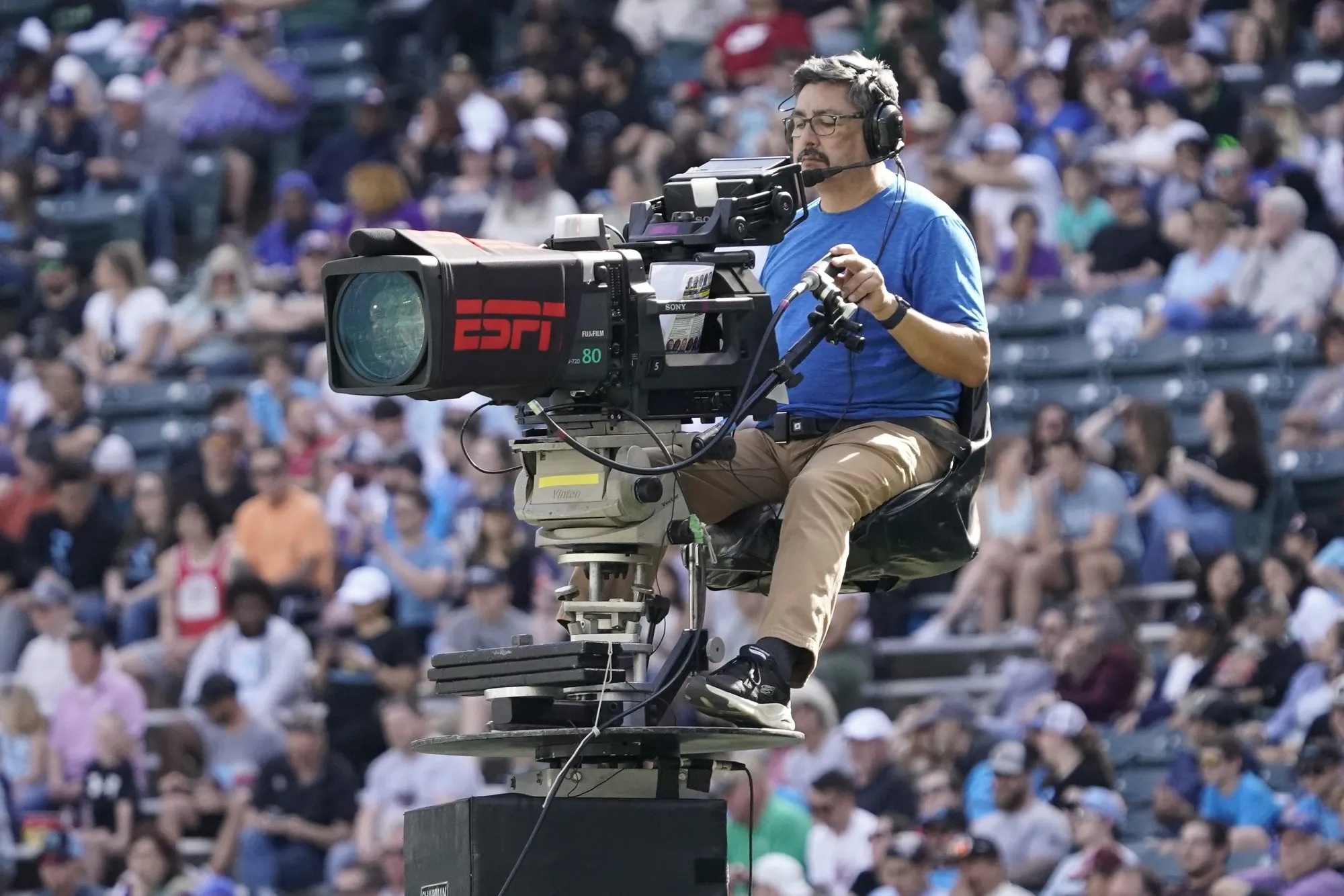
MLB NFL and COLLEGE FOOTBALL – THE sec How Sports Is Saving Broadcast TV: The Rise of Live Programming in a Streaming-Dominated Era
The New Reality of Sports Viewing Costs and Media Rights and Curbed College Expansion
The sports media landscape is shifting from cable bundles to fragmented streaming, and the cost to watch sports is rising as traditional subscriptions decline. The collapse of Main Street Sports Group’s FanDuel Sports Networks has left local broadcast rights for multiple NBA and NHL teams in uncertainty, while MLB teams face a mixed picture depending on their existing deals. Fans now must piece together multiple services to follow their favorite teams, and the era of one cable bill covering most sports is fading.
The True Cost of Watching Sports in 2026
Fans now pay for several streaming services to access sports. ESPN’s direct-to-consumer service launched at 29.99 dollars per month for the Unlimited tier, while a lower-cost ESPN Select option is 11.99 dollars per month. Fox One is priced at 19.99 dollars per month and includes Fox sports and news programming. Paramount+ Essential is about 8.99 dollars per month with its Premium tier at 13.99 dollars, and Peacock’s premium plans are around 10.99 dollars and 16.99 dollars depending on the bundle. Apple TV+ is 12.99 dollars per month, and Amazon Prime, which includes Prime Video, is 14.99 dollars per month. The average sports household now spends between 60 dollars and 120 dollars per month on streaming and cable combined, and that number rises when fans add league-specific services.
Regional Sports Networks Are Collapsing While Local Rights Fragment
Main Street Sports Group is winding down operations of the FanDuel Sports Network regional sports networks after missing rights payments. This collapse impacts 13 NBA franchises and multiple NHL teams, leaving them without guaranteed local broadcast partners as the playoff races intensify. More than 20 NBA and NHL franchises may find themselves without local television access if the entity enters bankruptcy. The NHL has stated it has no plans to centralize local rights like MLB or the NBA, which means individual teams must negotiate their own deals in an increasingly unstable market.
The CBS and Warner Bros Discovery Turner Sports Merger
CBS and Warner Bros Discovery are moving forward with a deal that would bring TNT Sports into the CBS Sports umbrella. This consolidation creates a massive sports portfolio under one company, but it also means the combined entity will prioritize premium national events like the NFL and March Madness over regional college coverage. Cable subscriber bases continue shrinking, which reduces the revenue available for college sports rights. The merged company will invest in tentpole events rather than chasing every conference package.
College Media Rights Are Entering a Staggered and More Modest Cycle
The Big Ten, SEC, and Big 12 are approaching their next media rights cycles at different times. The Big 12 has extended its deal through the 2030-31 football season, the Big Ten’s current agreement runs through 2029-30, and the SEC’s ESPN deal extends through 2034. The SEC already received a major increase when it moved from CBS to ESPN, jumping from 55 million dollars annually to approximately 300 million dollars. The Big 12 secured a six-year, 2.28 billion dollar extension that began delivering sizable pay bumps in 2025-26. Future gains for these conferences are likely to be more modest compared to those dramatic recent increases, as networks face tighter budgets and must prioritize professional league rights.
Conference Expansion Is Slowing Due to Costs and Regulatory Pressure
Uncertainty around media rights, rising travel expenses for larger geographic footprints, and increased regulatory scrutiny have made conferences more cautious about adding new members. There is no specific federal mandate blocking expansion, but the combination of these pressures makes rapid, sweeping realignment less likely than earlier speculation suggested. Conferences will add schools only when the financial value is clear, and expect moves of two teams at a time rather than large realignment waves.
The Next Decade Rewards Strategy Over Size
The sports media economy is entering a measured phase where cost certainty matters more than record-breaking deals. Networks cannot chase college sports with the same financial aggression when professional leagues command the largest checks. College football still delivers strong ratings, but it no longer sits at the top of the rights hierarchy. The conferences that adapt to this fragmented, expensive viewing environment will thrive, while fans face a reality where following sports requires multiple subscriptions and careful budgeting.