Fashion
China tightens rules to regulate competition among online retailers
Published
January 8, 2026
On January 7, the Chinese government announced a series of measures to better regulate e-commerce platforms which, amid fierce competition, have adopted practices sometimes deemed excessive to attract sellers and drive sales.
According to Bloomberg, the new regulations prohibit platforms from compelling sellers to run promotions as a condition for being featured on their platforms. This rule addresses a long-standing practice that had reportedly become more aggressive in 2025 given the economic backdrop.
Chinese consumption remains fragile, despite various government measures announced since 2024 to encourage consumers to save less. As reported by FashionNetwork.com, this race for conversion rates has intensified competition among major platforms and significantly accelerated the use of promotions.
Alibaba, Meituan, and JD.com, in particular, are under scrutiny from Chinese authorities. These three players have fought fiercely to dominate the lucrative meal-delivery market, ramping up incentives for customers and subsidies for restaurateurs.
Other notable measures will take effect from February 1. Chinese influencers, for example, will no longer be permitted to make false claims about the products they promote. This is a significant development in a country where live shopping sees thousands of influencers of all audience sizes paid to tout products in real time.
Beijing also wants to put an end to practices commonly entrenched in Chinese online retail. For customers, that means an end to no-questions-asked refunds. For platforms, exclusivity agreements with small merchants are now banned, so they will no longer have to choose between dominant platforms. The law will also strengthen platforms’ obligations on data protection.
“Irrational competition”
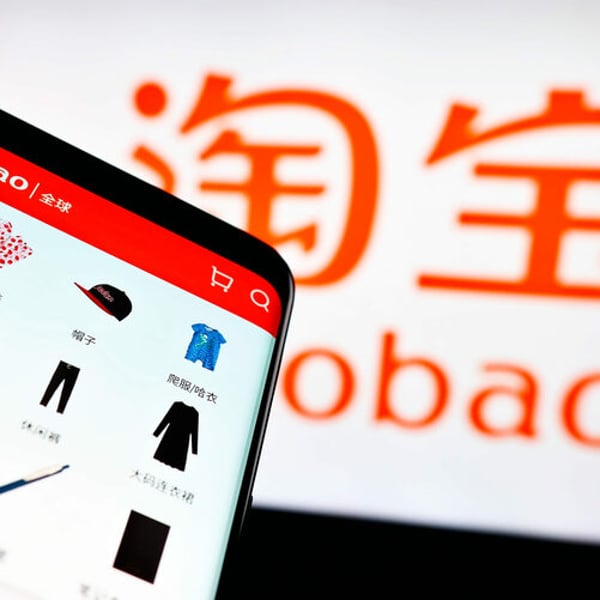
In November, Meituan posted its first losses in nearly three years, which the company’s management attributed to “irrational competition” led by market leaders Alibaba (Taobao, AliExpress…) and JD.com.


This tightening of domestic rules for Chinese e-tailers comes as they seek to adapt to evolving Western regulations. In addition to the new “Trump taxes” targeting US imports of Chinese goods, the US now taxes small parcels from China. This measure is intended to stem the local expansion of Chinese players Shein and Temu.
And while these companies have redirected their efforts, notably marketing, towards the European Union, the bloc is now responding with the introduction this spring of a three-euro tax on non-European small packages . This is in addition to national measures, such as the one currently under discussion in France, where an additional tax of 2 to 5 euros is being debated.
This article is an automatic translation.
Click here to read the original article.
Copyright © 2026 FashionNetwork.com All rights reserved.