Connect with us

Business

China buys two-thirds of pledged U.S. soybeans as 2025 closes

Published

on


China has bought at least 8 million tons of US soybeans this year, according to people familiar with the matter, putting the world’s top importer on track to meet a pledge it made two months ago as part of an apparent trade truce with Washington.

State-owned buyers have continued to book US cargoes into late December, the people said, asking not to be named as they are not authorized to discuss the purchases. That extends a buying spree that began in October and maintains a pace that has reassured American exporters, otherwise wary that Beijing’s commitment might slip amid limited visibility and unclear deadlines.

The shipments booked so far are mostly for loading between December and March, the people said.

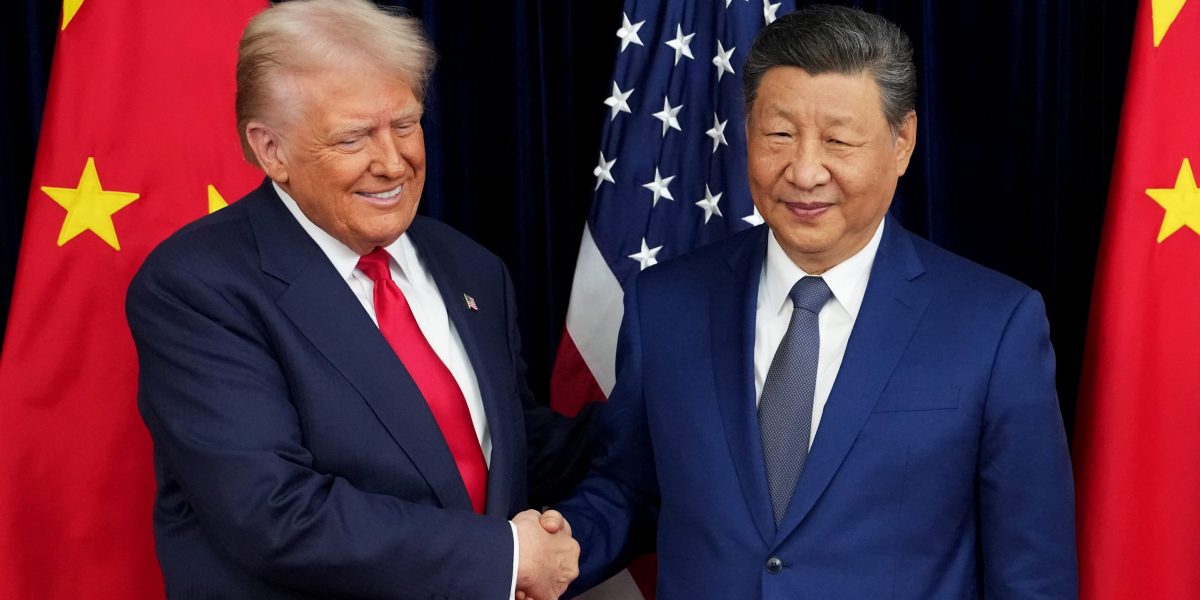
The White House said immediately after talks between President Donald Trump and Chinese counterpart Xi Jinping that China had pledged to buy at least 12 million tons of US soybeans by the end of this year. US officials later clarified the deadline was in fact the end of February. Beijing has not confirmed the commitment, but the Chinese government has moved to reduce tariffs on the crop and lifted import bans on three American exporters.

The return of Chinese buyers is welcome news for US exporters, and a reminder that buying patterns can change fast — but it is not yet a full reset. Even as Beijing takes US shipments, state-owned firms have bought large quantities of beans from Brazil and Argentina, the people said. Commercial buyers in particular have stayed on the sidelines when it comes to US purchases.

Almost 80% of Brazil’s soy went to China in 2025, with exports through November climbing 16% compared to the previous year. That trade continued in December, even in a period when sales are seasonally weaker, and Brazil’s upcoming harvest is forecast to be a record.

“We cannot confirm from China’s side that anything beyond the 12 million tons has been pledged,” said Ben Buckner, grains and dairy analyst at AgResource Co. The brokerage wrote in a note this week that China was seeking shipments and could reach a “soft target” of 10 million tons in 2025, with an additional 2 million tons in January.

Without a formal deal confirmed by both sides, traders say uncertainty over future sales is reinforcing pressure on soybean prices. Futures in Chicago eased in the year’s final trading session Wednesday, on track to decline about 7% in December, the worst monthly performance since July 2024.

Matt Bennett, an Illinois corn and soy farmer, said many farmers have been “pleasantly surprised” with the steady flow of purchases from China so far, but added there has been frustration with the direction of soybean prices.

“From our vantage point, once you quantify that they’re going to buy 12 million tons, you need something in excess of that to get everyone excited,” Bennett, co-founder of farm advisory AgMarket.Net, said in a phone interview. 

Trump earlier this month announced $12 billion in relief for US farmers, but growers are still waiting for the administration to provide details on how much they will get in payments promised by February.


Source link

Continue Reading

Business

DOJ Epstein review swells to 5.2 million files, over 400 attorneys, source says

Published

on


The Department of Justice has expanded its review of documents related to the convicted sex offender Jeffrey Epstein to 5.2 million as it also increases the number of attorneys trying to comply with a law mandating release of the files, according to a person briefed on a letter sent to U.S. Attorneys.

The figure is the latest estimate in the expanding review of case files on Epstein and his longtime girlfriend Ghislaine Maxwell that has run more than a week past a deadline set in law by Congress.

The Justice Department has more than 400 attorneys working on the review, but does not expect to release more documents until Jan. 20 or 21, according to the person briefed on the letter who spoke on the condition of anonymity because they were not authorized to discuss it.

The White House did not dispute the figures laid out in the email, and pointed to a statement from Todd Blanche, the deputy attorney general who said the administration’s review was an “all-hands-on-deck approach.”

Blanche said Wednesday that lawyers from the Justice Department in Washington, the FBI, the southern district of Florida, and the Southern District of New York are working “around the clock” to review the files. The additional documents and lawyers related to the case was first reported by The New York Times.

“We’re asking as many lawyers as possible to commit their time to review the documents that remain,” Blanche said. “Required redactions to protect victims take time but they will not stop these materials from being released.”

Still, Attorney General Pam Bondi is facing pressure from Congress after the Justice Department’s rollout of information has lagged behind the Dec. 19 deadline to release the information.

“Should Attorney General Pam Bondi be impeached?” Rep. Thomas Massie, a Kentucky Republican who helped lead the effort to pass the law mandating the document release, asked on social media this week.

Democrats also are reviewing their legal options as they continue to seize on an issue that has caused cracks in the Republican Party and at times flummoxed President Donald Trump’s administration.

Senate Democratic leader Chuck Schumer said on social media that the latest figures from the Department of Justice “shows Bondi, Blanche, and others at the DOJ have been lying to the American people about the Epstein files since day one” and pointed out that the documents released so far represented a fraction of the total.

This story was originally featured on Fortune.com


Source link

Continue Reading

Business

5 states to ban soda, candy, other snacks from SNAP recipients under MAHA food-stamp push

Published

on


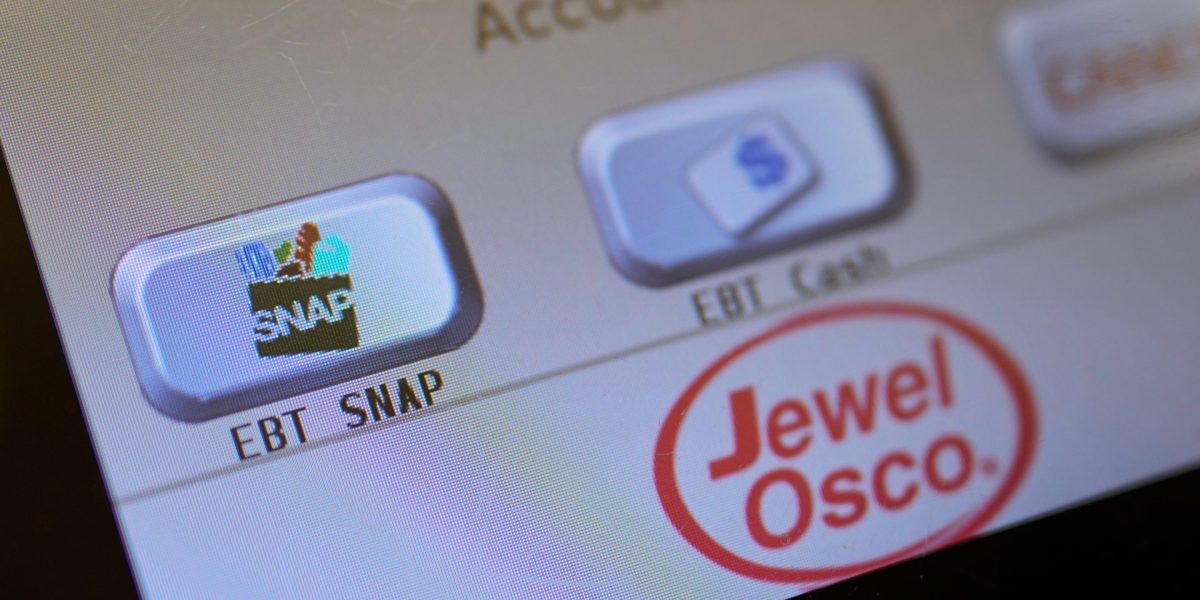
Starting Thursday, Americans in five states who get government help paying for groceries will see new restrictions on soda, candy and other foods they can buy with those benefits.

Indiana, Iowa, Nebraska, Utah and West Virginia are the first of at least 18 states to enact waivers prohibiting the purchase of certain foods through the Supplemental Nutrition Assistance Program, or SNAP.

It’s part of a push by Health Secretary Robert F. Kennedy Jr. and Agriculture Secretary Brooke Rollins to urge states to strip foods regarded as unhealthy from the $100 billion federal program — long known as food stamps — that serves 42 million Americans.

“We cannot continue a system that forces taxpayers to fund programs that make people sick and then pay a second time to treat the illnesses those very programs help create,” Kennedy said in a statement in December.

The efforts are aimed at reducing chronic diseases such as obesity and diabetes associated with sweetened drinks and other treats, a key goal of Kennedy’s Make America Healthy Again effort.

But retail industry and health policy experts said state SNAP programs, already under pressure from steep budget cuts, are unprepared for the complex changes, with no complete lists of the foods affected and technical point-of-sale challenges that vary by state and store. And research remains mixed about whether restricting SNAP purchases improves diet quality and health.

The National Retail Federation, a trade association, predicted longer checkout lines and more customer complaints as SNAP recipients learn which foods are affected by the new waivers.

“It’s a disaster waiting to happen of people trying to buy food and being rejected,” said Kate Bauer, a nutrition science expert at the University of Michigan.

A report by the National Grocers Association and other industry trade groups estimated that implementing SNAP restrictions would cost U.S. retailers $1.6 billion initially and $759 million each year going forward.

“Punishing SNAP recipients means we all get to pay more at the grocery store,” said Gina Plata-Nino, SNAP director for the anti-hunger advocacy group Food Research & Action Center.

The waivers are a departure from decades of federal policy first enacted in 1964 and later authorized by the Food and Nutrition Act of 2008, which said SNAP benefits can be used for “any food or food product intended for human consumption,” except alcohol and ready-to-eat hot foods. The law also says SNAP can’t pay for tobacco.

In the past, lawmakers have proposed stopping SNAP from paying for expensive meats like steak or so-called junk foods, such as chips and ice cream.

But previous waiver requests were denied based on USDA research concluding that restrictions would be costly and complicated to implement, and that they might not change recipients’ buying habits or reduce health problems such as obesity.

Under the second Trump administration, however, states have been encouraged and even incentivized to seek waivers – and they responded.

“This isn’t the usual top-down, one-size-fits-all public health agenda,” Indiana Gov. Mike Braun said when he announced his state’s request last spring. “We’re focused on root causes, transparent information and real results.”

The five state waivers that take effect Jan. 1 affect about 1.4 million people. Utah and West Virginia will ban the use of SNAP to buy soda and soft drinks, while Nebraska will prohibit soda and energy drinks. Indiana will target soft drinks and candy. In Iowa, which has the most restrictive rules to date, the SNAP limits affect taxable foods, including soda and candy, but also certain prepared foods.

“The items list does not provide enough specific information to prepare a SNAP participant to go to the grocery store,” Plata-Nino wrote in a blog post. “Many additional items — including certain prepared foods — will also be disallowed, even though they are not clearly identified in the notice to households.”

Marc Craig, 47, of Des Moines, said he has been living in his car since October. He said the new waivers will make it more difficult to determine how to use the $298 in SNAP benefits he receives each month, while also increasing the stigma he feels at the cash register.

“They treat people that get food stamps like we’re not people,” Craig said.

SNAP waivers enacted now and in the coming months will run for two years, with the option to extend them for an additional three, according to the Agriculture Department. Each state is required to assess the impact of the changes.

Health experts worry that the waivers ignore larger factors affecting the health of SNAP recipients, said Anand Parekh, a medical doctor who is the chief health policy officer at the University of Michigan School of Public Health.

“This doesn’t solve the two fundamental problems, which is healthy food in this country is not affordable and unhealthy food is cheap and ubiquitous,” he said.

——

The Associated Press Health and Science Department receives support from the Howard Hughes Medical Institute’s Department of Science Education and the Robert Wood Johnson Foundation. The AP is solely responsible for all content.



Source link

Continue Reading

Business

‘You only find out who is swimming naked when the tide goes out’: Pearls of Warren Buffett wisdom on his last day in charge

Published

on


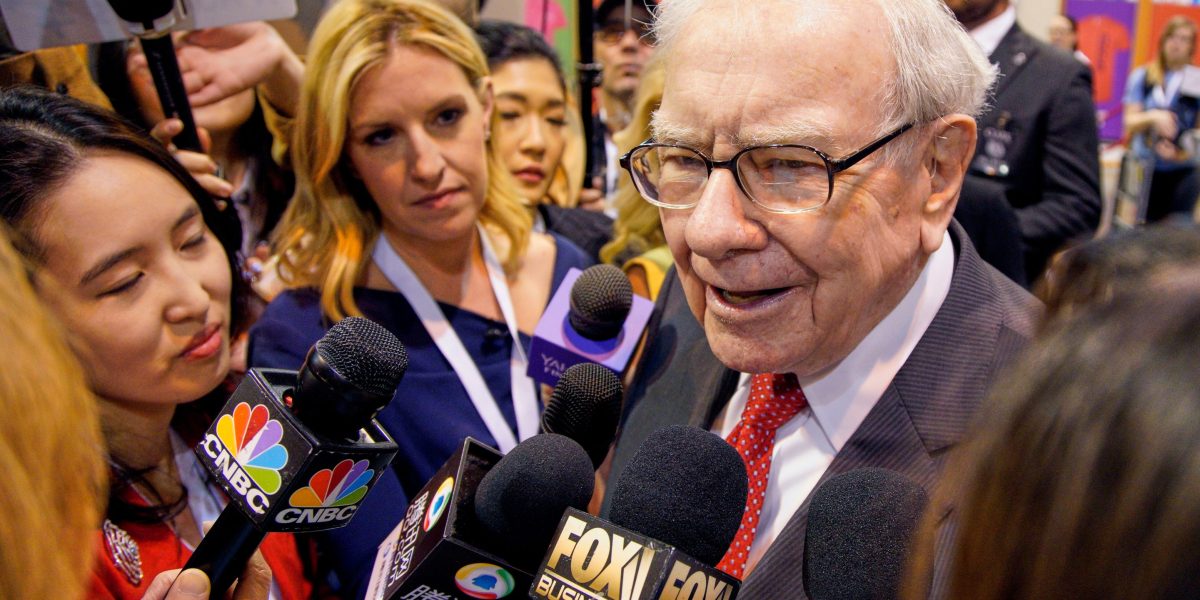
The advice that legendary investor Warren Buffett offered on investing and life over the years helped earn him legions of followers who eagerly read his annual letters and filled an arena in Omaha every year to listen to him at Berkshire Hathaway’s annual meetings.

Buffett’s last day as CEO is Wednesday after six decades of building up the Berkshire conglomerate. He’ll remain chairman, but Greg Abel will take over leadership.

Here’s a collection of some of Buffett’s most famous quotes from over the years:

___

“Be fearful when others are greedy, and greedy when others are fearful.”

That’s how Buffett summed up his investing approach of buying out-of-favor stocks and companies when they were selling for less than he estimated they were worth.

He also urged investors to stick with industries they understand that fall within their “circle of competence” and offered this classic maxim: “Rule No. 1: Never lose money. Rule No. 2: Never forget Rule No. 1.”

___

“After they first obey all rules, I then want employees to ask themselves whether they are willing to have any contemplated act appear the next day on the front page of their local paper to be read by their spouses, children and friends with the reporting done by an informed and critical reporter.

“If they follow this test, they need not fear my other message to them: Lose money for the firm and I will be understanding; lose a shred of reputation for the firm and I will be ruthless.”

That’s the ethical standard Buffett explained to a Congressional committee in 1991 that he would apply as he cleaned up the Wall Street investment firm Salomon Brothers. He has reiterated the newspaper test many times since over the years.

___

“You only find out who is swimming naked when the tide goes out.”

Many companies might do well when times are good and the economy is growing, but Buffett told investors that a crisis always reveals whether businesses are making sound decisions.

___

“Who you associate with is just enormously important. Don’t expect that you’ll make every decision right on that. But you are going to have your life progress in the general direction of the people you work with, that you admire, that become your friends.”

Buffett always told young people that they should try to hang out with people who they feel are better than them because that will help improve their lives. He said that’s especially true when choosing a spouse, which might be the most important decision in life.

___

“Our unwavering conclusion: never bet against America.”

Buffett has always remained steadfast in his belief in the American capitalist system. He wrote in 2021 that “there has been no incubator for unleashing human potential like America. Despite some severe interruptions, our country’s economic progress has been breathtaking.”


Source link

Continue Reading

Trending

Copyright © Miami Select.