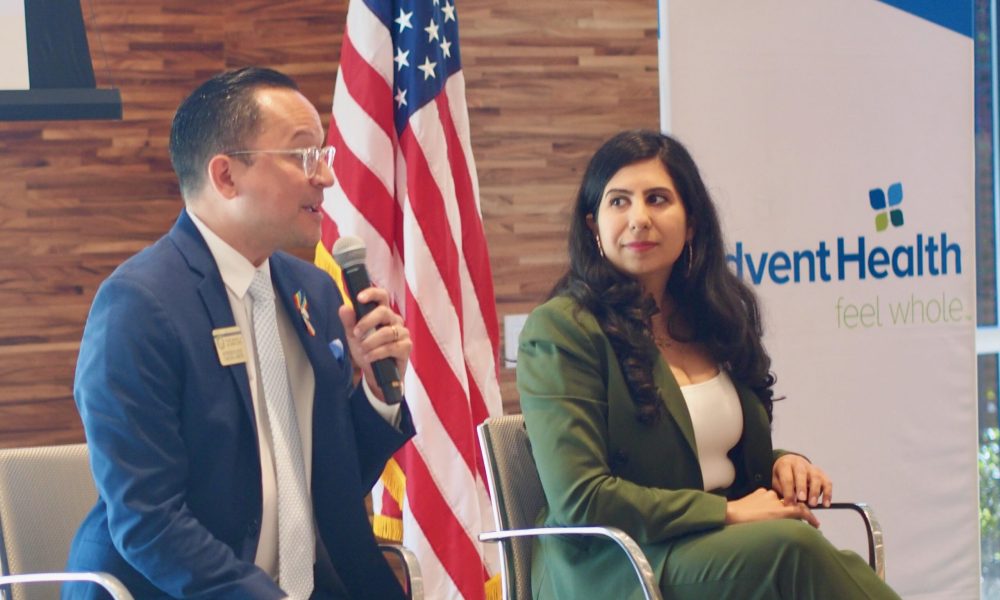
A pair of Orlando Democrats are pushing to create a professional licensure system for music therapists to help adults and children with disabilities who are losing their music therapies because of Medicaid changes.
Sen. Carlos Guillermo Smith and Rep. Anna Eskamani filed Senate Bill 478/House Bill 829 to set up the Music Therapy Advisory Committee within the Department of Health.
“The move toward licensure is supported by families, providers, and advocates who say it will prevent future coverage gaps, increase oversight, and ensure that Medicaid and other payers can more reliably reimburse qualified professionals,” Smith and Eskamani said in a press release.
The proposed Legislation comes after Medicaid funding changes disrupted people’s services.
“Sunshine Health — which manages the state’s Medicaid funds for expressive therapy — terminated its contract with a third-party administrator effective December 31, 2025, after finding that some providers were not meeting state requirements,” the lawmakers said. “Because Florida does not currently license music therapists, many board-certified practitioners were deemed ineligible for reimbursement or required to obtain a Medicaid ID before they can be paid, leading some providers to cancel services and lay off staff.”
Music therapy helps people with disabilities communicate, work through their emotions and connect in a way since other therapies can’t reach them, advocates said.
“Music therapy is not optional for children who depend on it, it’s a lifeline,” Smith said. “This legislation strengthens patient access and aligns Florida with at least 20 states who already license music therapy. It would also prevent the type of care disruption experienced this past summer which left thousands of disabled and autistic Florida children without access to successful treatment.”
If the legislation advances, it would take effect Jan. 1, 2027.
“Every Floridian deserves quality, consistent health care, and right now people with disabilities, PTSD, and so many others are losing something that literally gives them a voice,” Eskamani said.