My investigative reporting, along with the fine work done by Tom Friend of Sports Business Journal and the team at Awful Announcing, indicates that if Main Street Sports Group doesn’t secure a financial lifeline within the next 60 days, its FanDuel‑branded regional sports networks could cease operations in 2026. Such a collapse would leave the Orlando Magic, Tampa Bay Rays, Miami Heat, Miami Marlins, and several other NBA, NHL, and MLB franchises scrambling for new broadcast partners.
DAZN’s attempt to acquire Main Street Sports Group — the parent company of the FanDuel‑branded regional sports networks — represents one of the most consequential media‑rights moves in years. According to reporting my reporting as well as the Sports Business Journal and Awful Announcing, the networks are “on their death bed” unless the DAZN deal closes by January. For DAZN, a global streaming platform, the acquisition would provide a ready‑made portfolio of NBA, NHL, and MLB rights across 29 franchises. The company’s long‑term vision reportedly includes integrating these RSNs into a unified streaming ecosystem, modernizing distribution, and reducing reliance on traditional cable carriage. For teams, the deal could offer stability after years of RSN turmoil.
What Happens If DAZN Can’t Close the Deal by January?
If DAZN walks away or negotiations stall past the January deadline, the consequences could be immediate and severe. Main Street Sports Group has already missed a December rights payment to the St. Louis Cardinals, raising alarms across MLB. SBJ reporting indicates that if the sale collapses, Main Street would “wind down and dissolve” the FanDuel Sports Networks at the end of the NBA and NHL regular seasons — or potentially mid‑season if cash flow deteriorates further. For MLB teams like the Tampa Bay Rays, this raises urgent questions. Would their contracts revert back to the clubs, as happened during the Diamond Sports bankruptcy? Would MLB step in again with MLB.TV and temporary over‑the‑air deals? The league has precedent — but the timing, just before the 2026 season, would be chaotic.
NBA and NHL Preparing for a Mid‑Season RSN Collapse
The NBA is already preparing for the possibility that Main Street could fold before the season ends. According to SBJ, the league is ready to shift broadcasts for the 13 affected teams onto NBA League Pass and quickly negotiate over‑the‑air partnerships to maintain linear distribution. The NHL faces similar exposure, with multiple teams relying on FanDuel RSNs for local coverage. Both leagues have been quietly modeling contingency plans since the Diamond Sports bankruptcy, and the Main Street situation has accelerated those efforts.
Leagues Taking Games In‑House — and New Partners Emerging
If Main Street collapses, leagues may again take control of local broadcasts. MLB already demonstrated this model in San Diego and Arizona, where it produced games in‑house and distributed them via MLB.TV and local broadcast partners.
How the Lightning and Panthers Dumped the RSN Model for a Hybrid Broadcast Future
The Tampa Bay Lightning and Florida Panthers have already moved beyond the collapsing RSN model, embracing a hybrid distribution strategy built around free over‑the‑air broadcasts and direct‑to‑consumer streaming. Beginning with the 2025–26 season, the Lightning shifted all non‑national games from the FanDuel Sports Network to Scripps Sports, airing locally on WXPX‑TV and simultaneously streaming through the team’s official app — a move designed to make games accessible “to all households in Tampa Bay” via antenna, cable, satellite, or digital platforms.
The Lightning’s new model also extends coverage across Florida markets such as Orlando, Gainesville, Tallahassee, and Pensacola, while offering a low‑cost subscription streaming option for fans inside the broadcast territory. The Panthers have followed a similar path, partnering with Scripps Sports to deliver games on free broadcast TV in South Florida while integrating league‑controlled streaming through NHL platforms — a structure that mirrors the Lightning’s approach and reflects the NHL’s broader shift toward flexible, multi‑platform distribution. Together, the two Florida franchises have become early adopters of a post‑RSN ecosystem, proving that teams can maintain — and even expand — reach without relying on the traditional cable‑bundle model.
The Magic, Heat, Rays and Marlins Could Be Looing For Partners
If Main Street Sports Group collapses before the end of the NBA and NHL seasons — or before MLB’s 2026 campaign begins — every franchise tied to the FanDuel‑branded RSNs would face a different level of disruption. For the Orlando Magic, the loss of their RSN partner would force the franchise to pivot quickly toward either a league‑run solution through NBA League Pass or a temporary over‑the‑air arrangement in the Orlando market. The Miami Heat would face similar challenges, with one of the league’s most valuable local TV products suddenly without a distribution home. Both teams rely heavily on RSN revenue to support operations, and a mid‑season blackout would create immediate pressure on the NBA to step in with a centralized production and streaming plan.
The Tampa Bay Rays, already operating in one of the league’s most complex media markets, could find themselves without a local TV partner just weeks before Opening Day. MLB has experience stepping in — as it did in San Diego and Arizona — but producing and distributing a full season of games on short notice would strain league resources. The Miami Marlins, who depend heavily on RSN revenue to stabilize their financial model, would face even greater uncertainty. A collapse of Main Street could force MLB to accelerate its long‑term vision of a centralized, league‑controlled streaming platform, but the transition would be messy, rushed, and potentially costly for teams and fans.
Across all three leagues, the common thread is vulnerability. Each franchise would be forced into emergency mode, relying on league offices to secure temporary broadcast homes while long‑term media strategies are rebuilt. The collapse of Main Street wouldn’t just disrupt programming — it would reshape the economics, distribution, and fan engagement strategies of every team caught in the fallout.
Will Amazon, Apple, YouTube, and Other Streamers Step In?
The collapse of another RSN group would create a rare opening for tech giants. Amazon already holds stakes in YES Network and streams multiple MLB and NFL packages. Apple has experimented with exclusive MLB and MLS rights. YouTube TV remains one of the largest virtual MVPDs and could pursue local sports to differentiate its offering. If DAZN falters, these companies could bid for individual team packages, partner with leagues on hybrid models, or even acquire RSN assets outright. The shift toward streaming‑first distribution is accelerating, and the Main Street crisis may force leagues to embrace it sooner than planned.
Is This the Beginning of the End for Regional Sports Networks?
The RSN model has been eroding for nearly a decade, but the potential collapse of Main Street — following Diamond Sports’ bankruptcy — may mark the true tipping point. Cord‑cutting has gutted subscriber bases, rights fees have outpaced revenue, and teams increasingly prefer direct‑to‑consumer control. If DAZN completes the acquisition, it could represent a new, streaming‑centric version of the RSN. If the deal fails, it may accelerate the demise of the traditional model entirely. Either way, the next 60 days will shape the future of local sports broadcasting for years to come.
Chiefs ownership wants changes in its home stadium
The team will leave Missouri and make a 23-mile trek to Kansas.
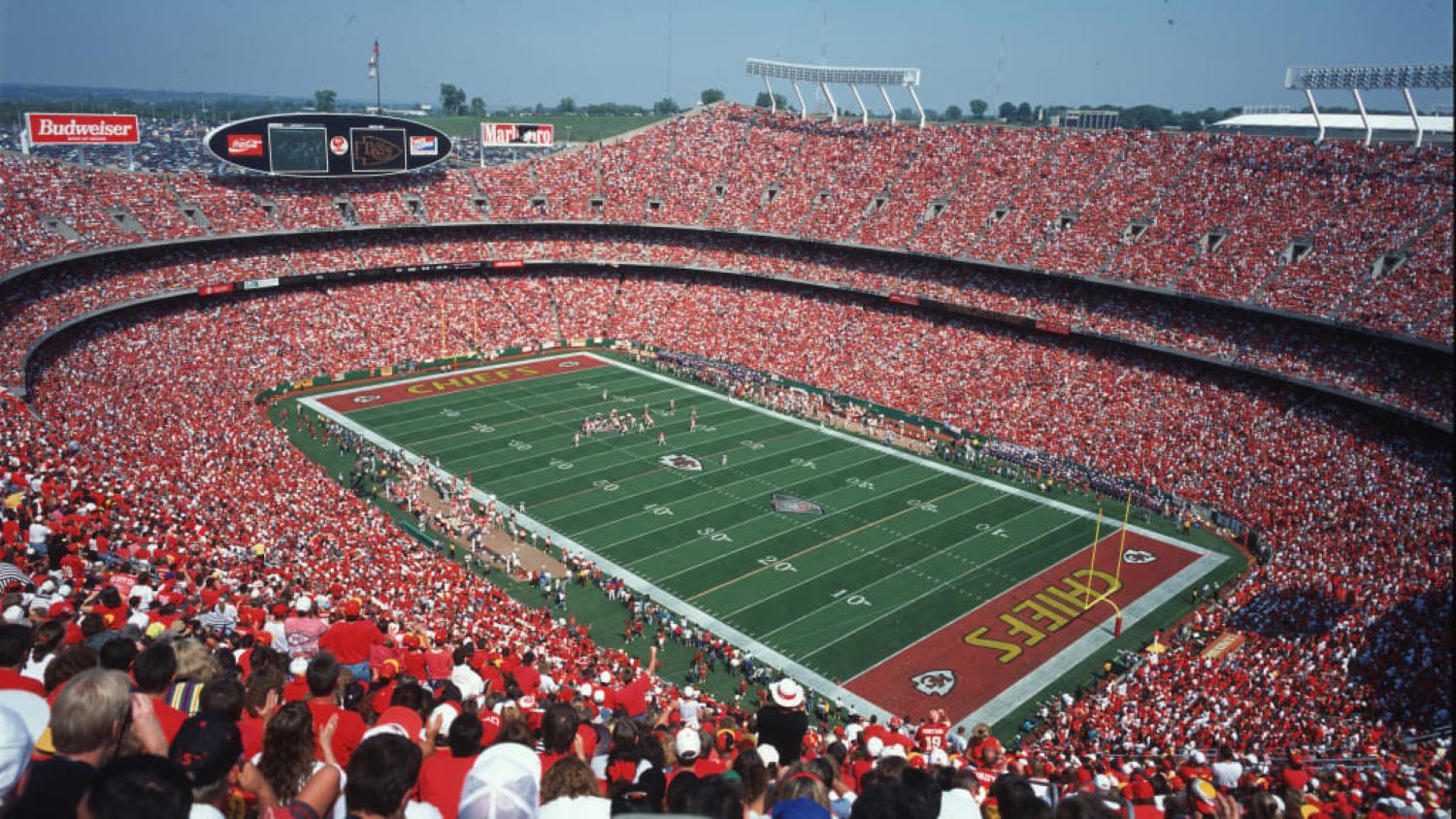
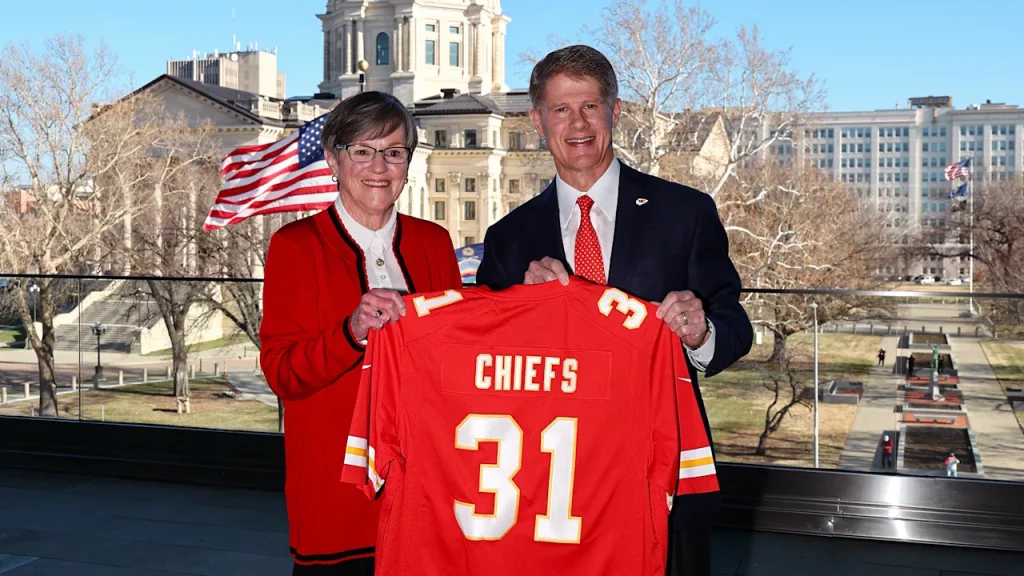
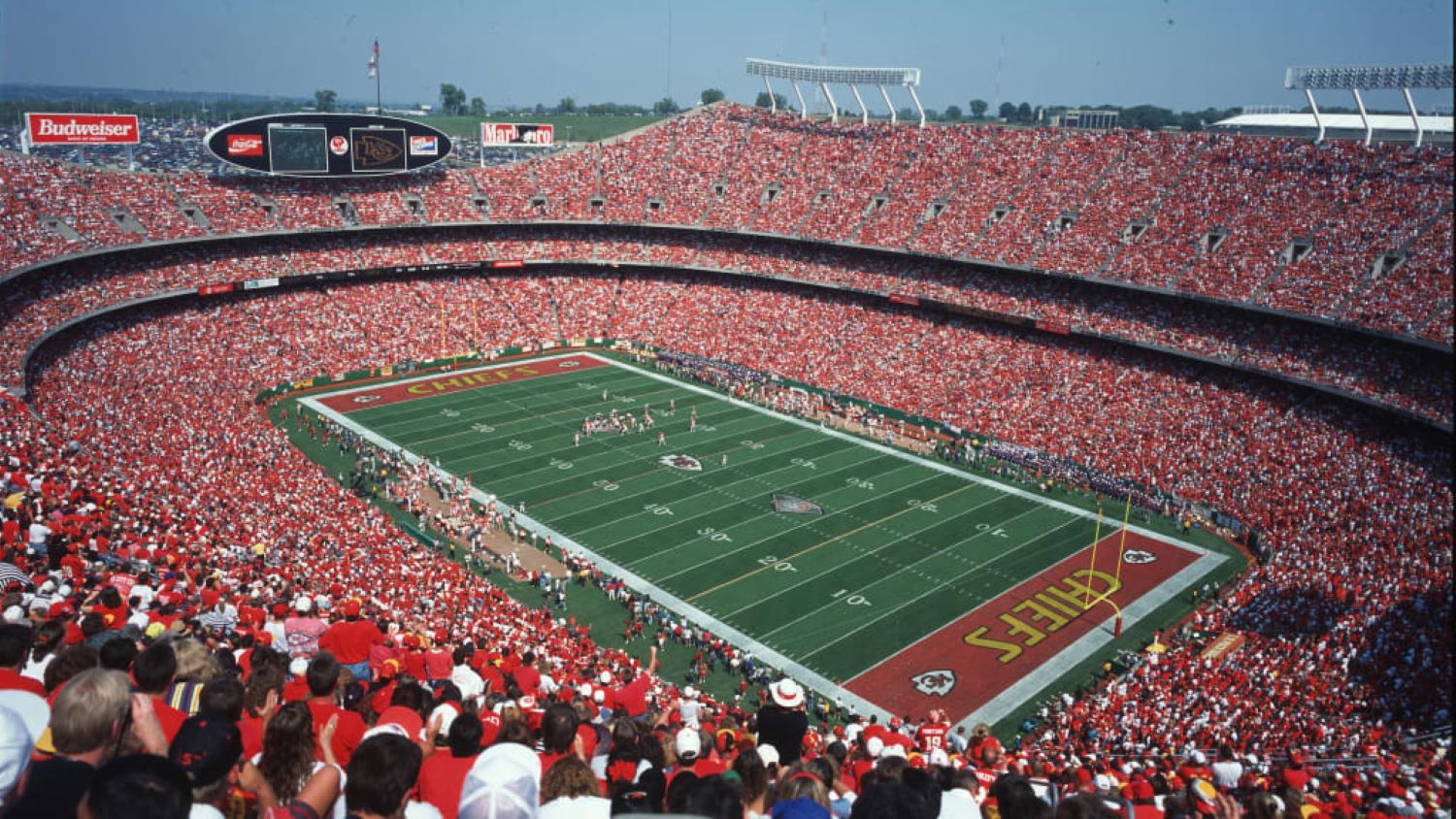
The National Football League’s Kansas City Chiefs’ owner Clark Hunt has won the stadium game and will be taking his business from Missouri to Kansas, a move of about 23 miles. Hunt will build a stadium-village around the Kansas City, Kansas area by 2031. Hunt’s business will open offices and a training site also in Kansas. Kansas Governor Laura Kelly claimed the Chiefs business move can bring an economic impact of more than $4.4 billion to the state. Kansas is putting up a lot of money. State residents may not get much of a return on their investment because of the economic gadgets that can be used to pay off stadium-village debts. Hunt’s journey to Kansas started on April 2nd, 2024 when Jackson County, Missouri voters said no to extending a sales tax that would have been used to renovate Clark’s football venue and build Major League Baseball’s Kansas City Royals owner John Sherman a downtown Kansas City baseball stadium.
Kansas lawmakers seized an opportunity and approved a proposal that would see STAR bonds used to help pay 75% of the cost of building two stadiums in Kansas. Additionally, sports gambling and lottery gaming and sales tax revenue from businesses in the stadium development districts would cover bond debt. Another source of revenue to pay off the debt would come from a liquor tax. Kansas lawmakers could use a mechanism that would allow up to 100% of sales tax revenue on alcoholic liquor sales within a stadium district to pay off bonds for the structures. Missouri politicians countered with a proposal to pay up to 50 percent of the construction costs of two venues in an attempt to keep the baseball and football businesses in the state. Missouri and Kansas politicians are now going to woo Sherman to get a stadium built for his baseball business.
Anthony Joshua Demolishes Jake Paul Inside Six Rounds
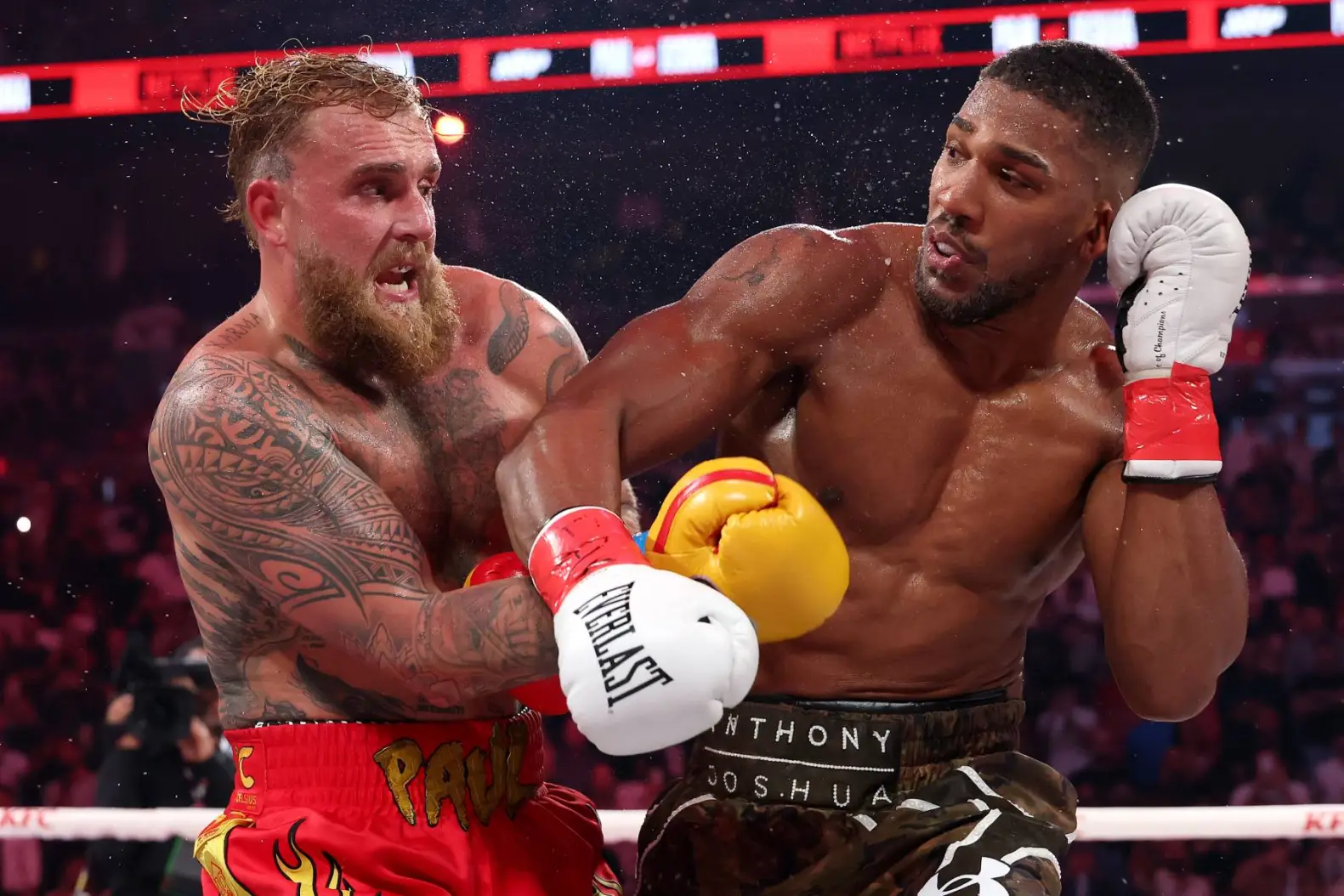
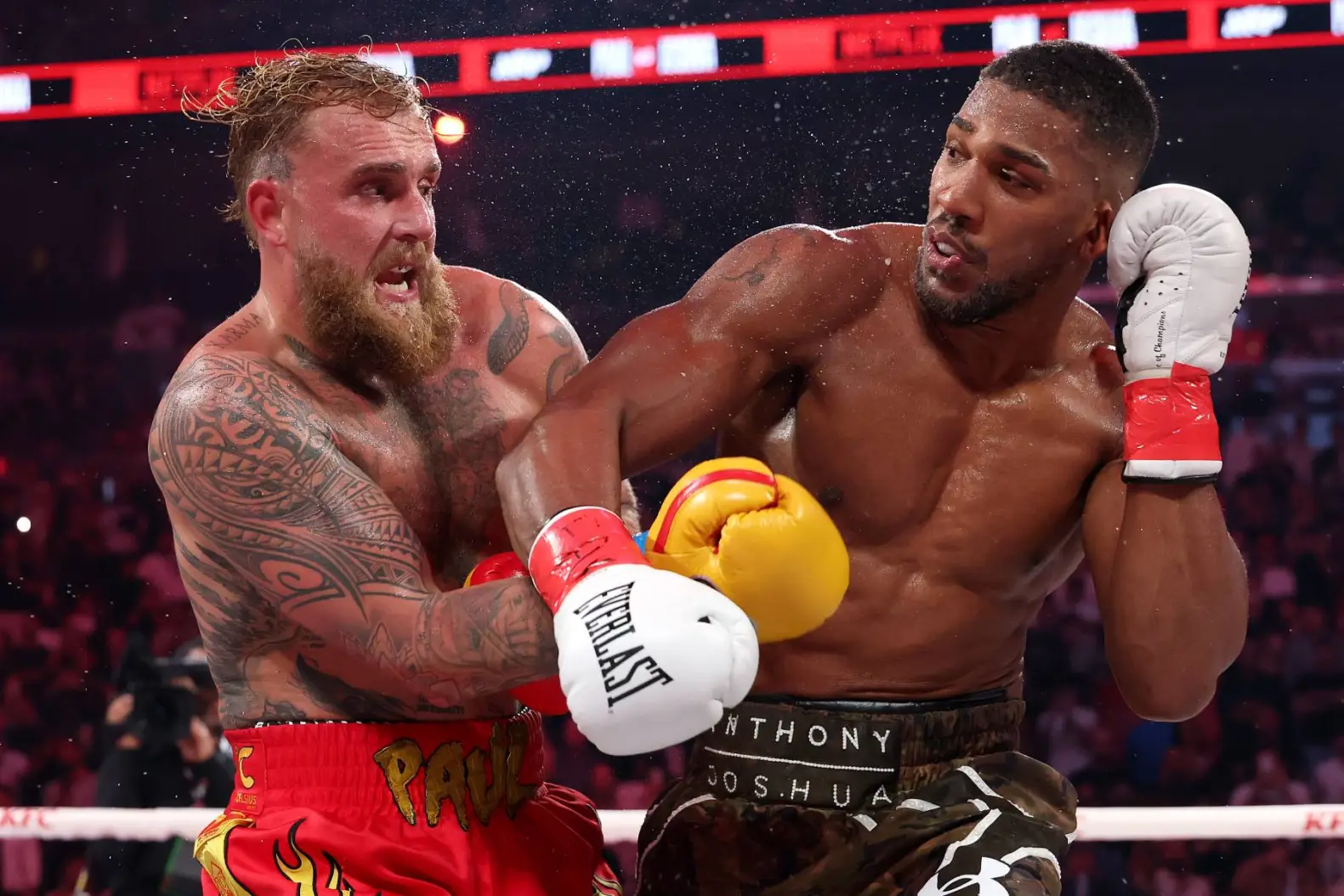
Anthony Joshua knocked out Jake Paul in round six after delivering a dominant and increasingly punishing performance that ended the much discussed crossover bout in emphatic fashion.
The former two time heavyweight champion sent shockwaves through the boxing world back in November when he announced a surprise fight with Paul, the former YouTube and Disney star turned prizefighter. From the moment the bout became official, Joshua entered as a heavy favorite due to his size, skill set, and elite level experience.
A Tactical Opening With Early Resistance
The fight began cautiously. Joshua applied steady pressure and stalked forward, while Paul clearly aimed to stay on the outside, pick his moments, and clinch when necessary. The opening two rounds saw Joshua throwing with intent while Paul relied on movement and evasive tactics.
Despite spending much of the time on the defensive, Paul found limited success early. According to official Compubox statistics, he landed the same number of punches as Joshua in round one despite throwing far fewer shots.
Joshua Turns Up the Pressure
Paul showed brief signs of resistance in the third round when he snapped Joshua’s head back with a sharp jab. That moment did little to shift momentum. Joshua continued to press forward and break Paul down with sustained pressure and heavier shots.
Compubox numbers highlighted the growing gap. Joshua threw 25 punches in round three, five times more than Paul, signaling the beginning of the end.
Knockdowns Begin to Pile Up
By the fourth round, Joshua’s pressure started to visibly affect Paul. The American’s legs began to falter as he struggled to handle the physicality. Paul hit the canvas twice in the fourth round following messy clinch exchanges.
The former champ fully found his rhythm in round five. A clean uppercut dropped Paul early, followed by a heavy left hand that sent him down again. Late in the round, a sharp one two combination produced yet another knockdown, leaving Paul badly hurt and running out of answers.
The Finish in Round Six
Joshua opened the sixth round aggressively. Nearly every punch landed, including a four punch combination capped by a looping uppercut that snapped Paul’s head back.
Moments later, Joshua delivered the decisive blow. A brutal right hand straight to the jaw ended the fight halfway through the round, leaving Paul unable to continue.
Post Fight Reactions and What Comes Next for Joshua and Paul
After the stoppage, Joshua praised Paul’s courage for stepping into the ring and called out Tyson Fury for a potential showdown in 2026. Paul later confirmed plans to undergo surgery on his broken jaw and expressed interest in returning to the ring midway through 2026.
The fight closed the chapter on one of boxing’s most polarizing matchups, with Joshua reminding the world of the difference between elite championship pedigree and ambition alone.
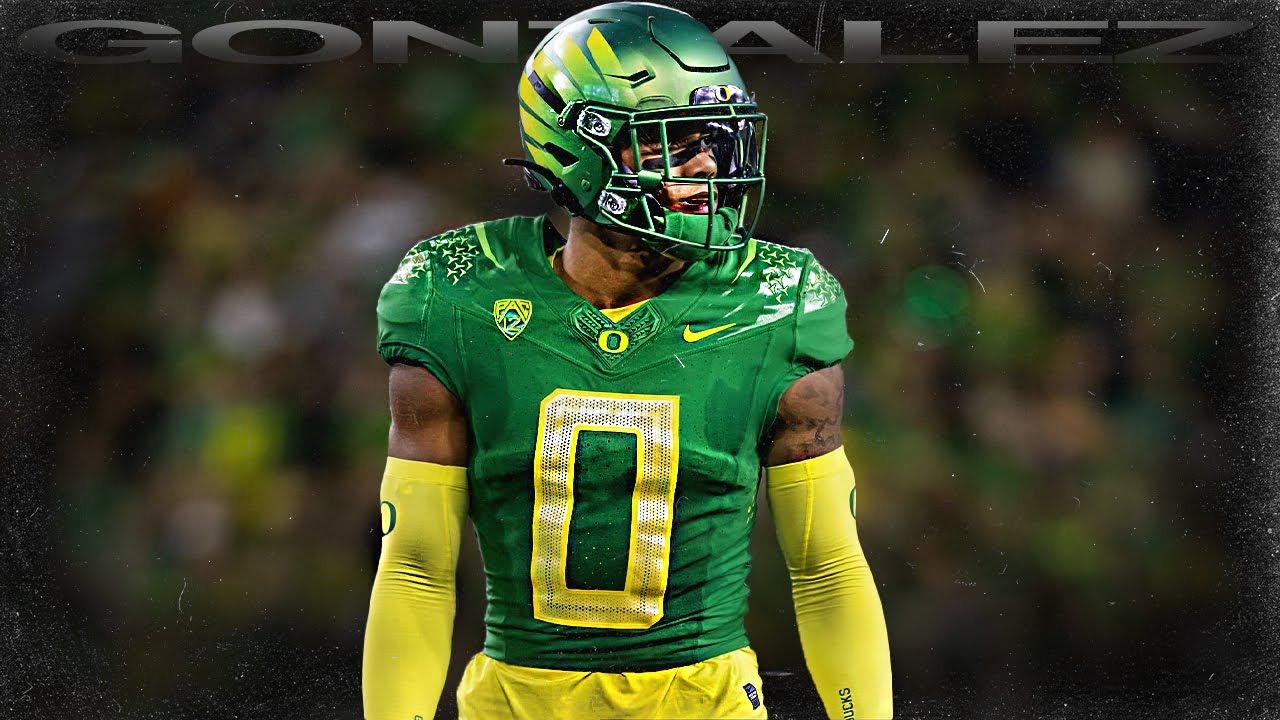
Alabama, Miami, Ole Miss and Oregon each punched their ticket to the College Football Playoff quarterfinals with statement victories across a dramatic opening weekend. Alabama mounted a stunning 17‑point comeback to defeat Oklahoma 34–24 behind Ty Simpson’s two touchdown passes. Miami delivered the weekend’s biggest upset, grinding out a 10–3 defensive slugfest against Texas A&M, sealed by Bryce Fitzgerald’s end‑zone interception in the final 24 seconds. Ole Miss rolled past Tulane 41–10, powered by quarterback Trinidad Chambliss’ 300‑plus yards of total offense and three touchdowns. Oregon closed the night with a 51–34 offensive showcase against James Madison, jumping out to a massive first‑half lead behind Dante Moore’s 313 yards and four touchdowns.
Their Next Matchups in the CFP Quarterfinal Picture
The wins set up four compelling quarterfinal matchups as the field shrinks from 12 to eight. Alabama advances to face No. 1 Indiana in a showdown that pits the Crimson Tide’s resilience against one of the nation’s most complete teams. Miami moves on to meet No. 2 Ohio State on New Year’s Eve, a matchup that will test the Hurricanes’ defense against one of the country’s most explosive offenses. Ole Miss draws No. 3 Georgia, a heavyweight clash between a surging Rebels squad and a Bulldogs team fresh off a first‑round bye. Oregon heads to No. 4 Texas Tech, bringing one of the nation’s most dynamic offenses into a quarterfinal that promises fireworks.
Closing Thoughts on the Playoff Picture
With four blue‑bloods and rising powers advancing, the College Football Playoff picture is tightening into one of the most compelling brackets in recent memory. Alabama’s comeback, Miami’s upset, and the dominant performances from Ole Miss and Oregon have reshaped expectations heading into the quarterfinals. The path to Miami and the national championship stage now runs through a gauntlet of elite defenses, high‑powered offenses, and coaching staffs under immense pressure. One round down — and the drama is only beginning.






 Politics8 years ago