
Politics
Can Britain regulate an American website? The 4chan fight could decide
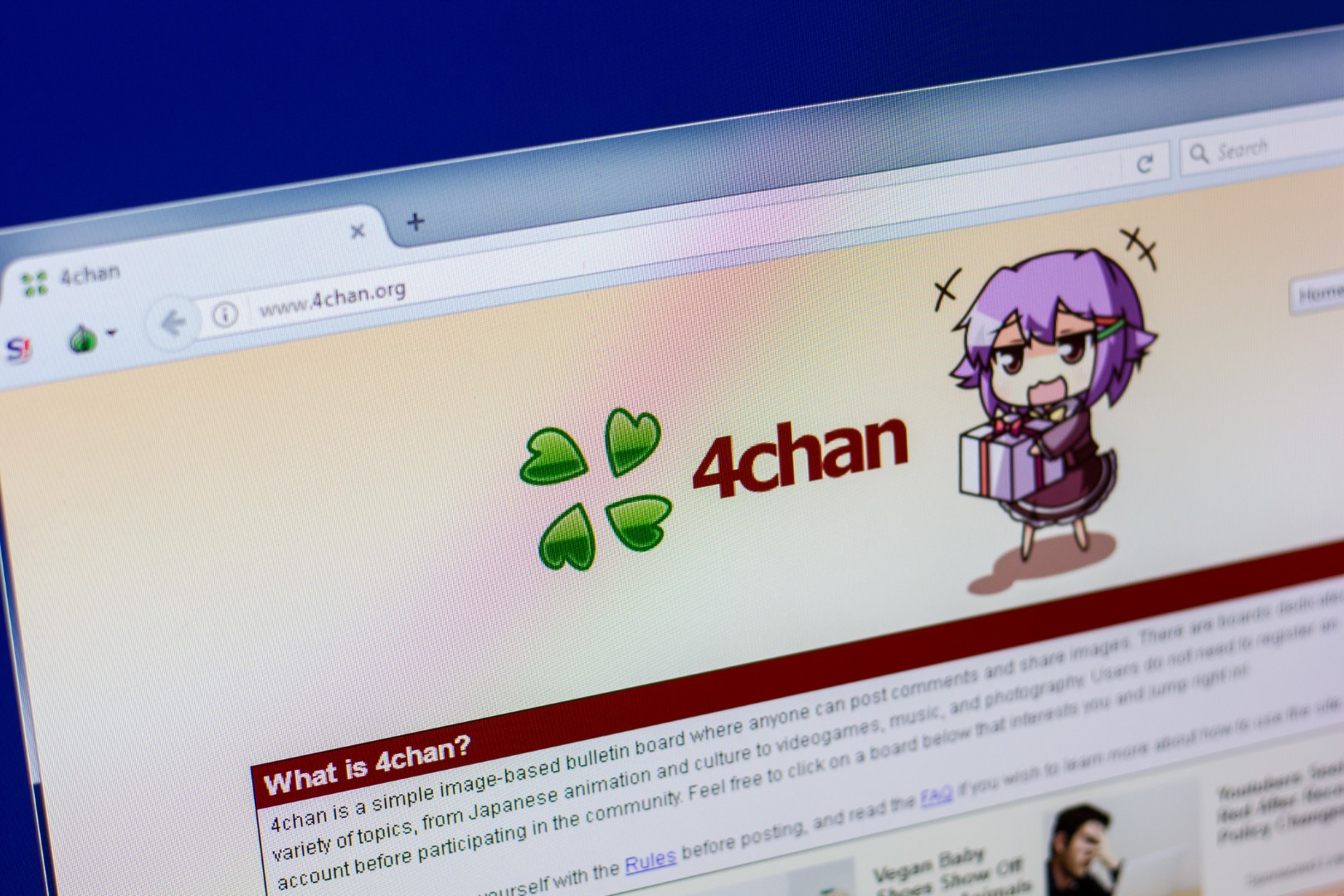
Britain’s online safety regime is moving from theory into enforcement. Its next test is not only whether platforms will comply, but whether a British regulator can make an American forum obey British rules.
The regulator is Ofcom, the United Kingdom’s communications watchdog. For American readers, think of it as Britain’s media and telecom regulator, now armed with new online safety powers under the Online Safety Act. It regulates broadcasters, phone and internet providers, and now parts of the digital platform world.
Ofcom has fined the U.S.-based online forum 4chan a total of £520,000, roughly $700,000. The largest penalty, £450,000, was imposed after Ofcom concluded that 4chan failed to introduce age checks to prevent children from accessing pornography. Additional penalties were imposed over alleged failures related to illegal-content risk assessment and user-protection information.
4chan has refused to pay. The company argues that it operates in the United States, has no offices, employees or assets in Britain, and is protected by the First Amendment. Ofcom says that does not end the matter. Under Britain’s Online Safety Act, foreign providers can fall under British rules if their services have links with the UK, including access by British users.
That is where the dispute becomes larger than 4chan.
The internet is technically borderless. National laws are not. Britain says companies that reach British users must follow British online safety duties. 4chan says that an American company operating in America does not surrender its First Amendment protections merely because a British regulator sends notices across the Atlantic.
Ofcom is not a court in the United States. It cannot simply collect a British penalty from an American company as if it were a domestic fine. To recover the money from a company with no British assets, the regulator would likely need to take legal steps in the United States or apply pressure through other channels, including business-disruption measures aimed at access, payments or advertising.
That makes the case a practical test of extraterritorial regulation. Can a state regulate a global platform because its citizens can access it? Or does the platform remain primarily answerable to the legal system of the country where it operates?
The question is not abstract for American readers. Florida has already seen its own version of the online safety fight. HB 3, signed by Gov. Ron DeSantis in 2024, restricts social-media access for children under 14 and requires parental consent for 14- and 15-year-olds. Supporters present the law as child protection. Tech groups have challenged it on First Amendment grounds.
That makes Florida a useful comparison to Britain’s 4chan dispute. Both cases begin with minors and online safety, but they run into different limits. Britain is testing how far Ofcom can reach abroad. Florida is testing how far government can go at home.

The tension is built into the modern internet. What British authorities describe as child protection may be seen in the United States as an attempt to impose foreign speech rules on American platforms. What American critics call censorship may be defended in Britain as basic regulation of harmful content.
The enforcement problem is just as important as the legal theory. If 4chan does not pay and has no assets in Britain, Ofcom’s options become more complicated. The regulator can seek ways to disrupt business relationships or access from the U.K. But that changes the nature of the fight. It becomes less about collecting a fine and more about controlling whether British users can reach a specific site.
That path has limits. Blocking orders can be challenged. Payment and advertising pressure can be messy. Users can move to VPNs. Smaller platforms may exit the British market rather than build compliance systems for a single country. Larger platforms may comply, but only after turning national rules into global product decisions.
The 4chan fight therefore raises a question that will not stop with 4chan. Britain wants online safety rules to follow British users wherever they go online. American companies will ask why a foreign regulator should be able to punish speech or access decisions made under American law.
Florida’s HB 3 fight shows the same collision from the other side. Even inside the United States, child-safety regulation quickly meets constitutional limits. Across the Atlantic, the conflict becomes sharper.
The issue is no longer only what governments may require from platforms.
It is whose government decides.