Connect with us

Politics

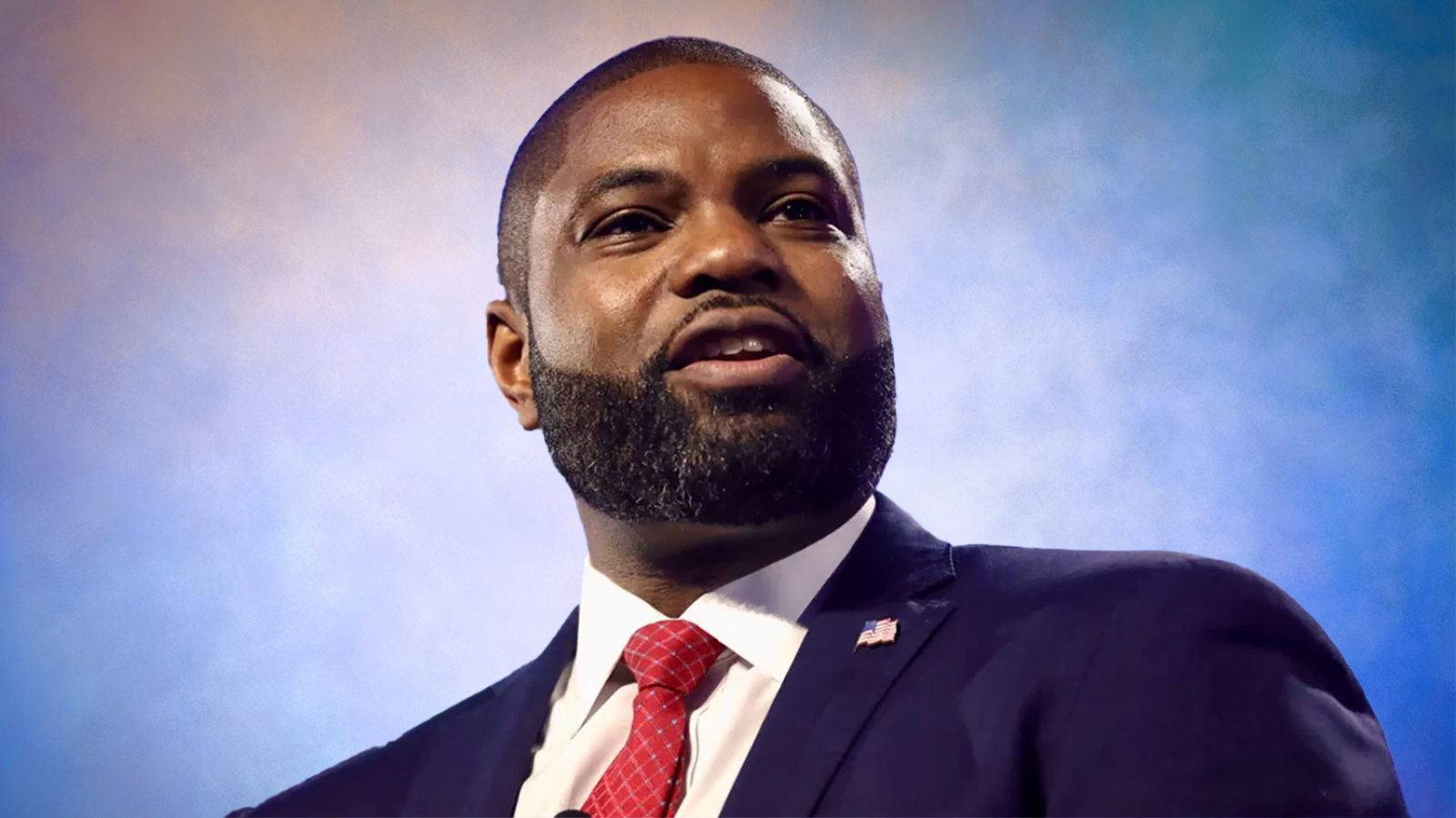
Byron Donalds in dominant position in GOP Primary for Governor, new poll shows
Published

on


A new poll shows U.S. Rep. Byron Donalds leading the Republican field for Governor against declared candidates and potential entries. And once voters learn Donalds already secured President Donald Trump’s endorsement, his support looks insurmountable.

The internal poll by Fabrizio, Lee & Associates shows Donalds as the “clear frontrunner” against “every ballot variation” tested.

Among just the major candidates already in the running, 47% of Republican Primary voters favor Donalds, compared to 5% for Azoria CEO James Fishback and 4% for former House Speaker Paul Renner. The remainder of respondents were undecided.

The poll of 600 likely Primary voters was taken Jan. 4 through 6, with pollsters reporting a margin of error of 4%.

Should Lt. Gov. Jay Collins enter the race, as funder of a major ad campaign clear want, it wouldn’t change much, according to pollster David Lee. Donalds would still lead with 45% to Collins’ 6%, Fishback’s 4% and Renner’s 3%.

“Any sugar high from Jay Collins’ multimillion ad buy has completely dissipated,” Lee wrote in a polling memo.

The only non-Donalds contender who showed up in double digits in any polling, Lee’s memo shows, is First Lady Casey DeSantis. With the Tallahassee Republican in the field, Lee found Donalds still leading with 39% to DeSantis’ 26%, with Fishback falling to 3% and Renner dropping to 1%. That leaves Donalds’ edge outside the margin of error.

Those totals are without explicitly informing voters of Trump’s endorsement. But the backing of the President has a massive effect on Primary voters’ preferences.

Among the already declared candidates, Donalds’ lead blasts to 76% over Fishback’s 6% and Renner’s 1%.

With Collins in the race, the Trump endorsement has less strength. But Donalds still soars past majority support, winning 58% support to Fishback’s 5%, Collins’ 4% and Renner’s 2%.

Should DeSantis throw her hat in the ring, the poll still shows the Trump effect putting Donalds in a dominant position. When respondents were informed of Trump’s support, about 48% supported Donalds, 21% favored DeSantis, 5% wanted Fishback and 2% supported Renner.

“Despite Casey DeSantis’ last name and Jay Collins’ multimillion ad spend, Byron Donalds is far and away the clear choice to unify Florida Republicans, keep the state red, and defeat the Democrats in November,” Lee wrote.


Source link

Continue Reading

Politics

Jennifer Winkler reports more than $105K raised as HD 74 GOP Primary intensifies

Published

on


Republican House District 74 candidate Jennifer Winkler is reporting a sharp uptick in fundraising as the GOP Primary field continues to take shape.

Winkler announced that she has raised nearly $105,000 between her campaign account and her affiliated political committee, Friends of Jennifer Winkler, since entering the race. That total includes roughly $50,000 raised during the fourth quarter of 2025, according to figures released by the campaign.

Winkler’s campaign brought in nearly $26,000 during the final quarter of the year, while her political committee raised just over $24,000. Winkler’s campaign said she has now surpassed the $105,000 mark heading into 2026.

“I am truly humbled by the incredible support and financial backing from so many friends and neighbors across our community,” Winkler said in a statement.

“Together, we have a clear mandate to keep Florida’s economy charging ahead while working to keep housing and insurance costs down for our residents. This campaign is all about connecting with every corner of our community and earning the trust of those looking for an effective representative in Tallahassee, and we are just getting started!”

Winkler is seeking the Republican nomination for HD 74. The seat will be open in 2026 due to incumbent James Buchanan facing term limits. Buchanan has filed to run for Senate District 22 that will be vacated by Sen. Joe Gruters, who is term-limited himself and recently took up the mantle as Chair of the Republican National Committee.

Winkler joins a crowded GOP Primary field that includes Kelly Ann Walker, Nick Pachota, Chris Felder and Les Nichols. Walker recently reported more than $250,000 cash on hand between her campaign and committee. Pachota has raised $89,035 as of September, while Felder has raised $3,883 and added $1,300 in loans. Nichols has raised $6,937 and taken $4,250 in loans as of December. That’s all according to their most recent reports or news releases.

Buchanan has already endorsed Pachota in the race.

The district spans communities across Sarasota County, including Sarasota, North Port and Venice. Republicans make up roughly half of registered voters in the district, with Democrats accounting for about 23% and the remainder registered as unaffiliated or with minor parties.

Winkler owns and operates The Peeples Insurance Agency, an independent insurance business she founded in 2014. Her campaign has emphasized small-business experience, workforce development, housing affordability and health care costs. She has lived in Sarasota County since 2010, is a graduate of the University of Central Florida, and “is the proud mom of two sons, Logan and Luke.”

The winner of the Republican Primary will advance to the General Election, where Democrat Nancy M. H. Simpson has filed, though additional candidates could still enter the race.


Source link

Continue Reading

Politics

Florida lands $209 million to strengthen rural hospitals statewide

Published

on


Florida’s rural hospitals are set to receive a major boost following the federal government’s announcement last week that the state will receive a $209 million award through the Rural Health Transformation Program (RHTP) for fiscal year 2026.

The Florida Hospital Association (FHA) applauded the award earlier this week, calling it the largest single federal investment in rural health care in the state’s history. The program is designed to improve access to care, modernize technology, strengthen the health care workforce, and drive innovation across Florida’s rural communities.

“Florida’s rural hospitals are lifelines in their communities, providing access to care for the families who live in rural areas,” said Mary C. Mayhew, president and CEO of the Florida Hospital Association. “This critical funding not only sustains these essential lifelines but strengthens them. By building a stronger workforce, implementing modern technologies and establishing collaborative partnerships across rural care providers, we can better meet the needs of every community from the Panhandle to the Glades.”

Florida is a major beneficiary of the nationwide effort to improve rural health care delivery. The RHTP will distribute a total of $50 billion nationally — $10 billion annually from 2026 through 2030 — to states approved for participation, according to the Centers for Medicare and Medicaid Services. Florida’s $209 million award represents the first tranche of funding under the five-year grant program.

The RHTP was established under the One Big Beautiful Bill, which was signed into law on July 4, 2025. FHA cited its collaboration with a broad group of stakeholders to produce more than 60 pages of data analysis and recommendations for the Florida Agency for Health Care Administration (AHCA) to consider as part of its application for federal funds.

AHCA is expected to seek legislative approval to expend the awarded funds. Once approved, the agency will issue a Request for Application, allowing regional collaboratives across the state to submit grant proposals in the coming months.

Florida’s rural hospitals continue to face significant challenges, including rising costs and low occupancy rates. Ensuring their long-term viability and preserving timely access to care for rural residents remain top priorities for FHA. Over the past 20 years, five rural hospitals in Florida have closed, and three others have transitioned to emergency- or urgent-care-only facilities.

“Floridians deserve timely access to quality care, no matter where they live,” Mayhew said. “The Rural Health Transformation Program provides a comprehensive framework and an influx of resources to ensure rural residents are not left behind as Florida’s health care system evolves.”


Source link

Continue Reading

Politics

Federal cuts put Florida’s home health care at risk

Published

on


Care at home helps people heal, manage chronic illness, and age with dignity in the place they feel safest. For more than 385,000 Floridians each year, home health care is not a luxury — it is essential. Skilled nurses, therapists, social workers, and aides help patients remain stable and independent in their homes, often preventing unnecessary hospitalizations.

The Centers for Medicare & Medicaid Services recently finalized changes to the Home Health Prospective Payment System for 2026. While CMS made adjustments in response to concerns from the home health community, the final rule still includes a 1.3% overall reduction in payments, totaling roughly $220 million less in federal funding nationwide. Even modest cuts threaten access to care, particularly for not-for-profit providers that reinvest every dollar into patient services.

These reductions arrive at a time when Floridians need more support, not less. Florida is home to 4.9 million residents age 65 and older — nearly 22% of the population — one of the highest proportions in the nation. That number continues to grow. Home health care allows older adults to remain independent, avoid preventable hospitalizations, and receive consistent care from professionals who understand their needs.

At Empath Health, the impact of at-home care is evident every day. Teams support individuals and families across the region through a coordinated approach to care. Each year, more than 80,000 Floridians are served through Empath Health’s Full Life Care model, which includes home health, palliative care, hospice, and Programs of All-Inclusive Care for the Elderly (PACE). This integrated approach ensures continuity while addressing physical, emotional, and social needs with compassion.

Care at home is not only preferred by patients; it is also a smart investment. Home-based care reduces hospital readmissions, lowers overall health care costs, and improves outcomes. Yet despite these benefits, Medicare home health has faced repeated payment reductions year after year. The cumulative impact has strained providers, contributed to agency closures in some communities, and increased pressure on hospitals and emergency departments.

When reimbursement fails to reflect the true cost of care, families feel the consequences directly: fewer home visits, longer wait times, and limited service availability. For patients recovering from surgery or managing conditions such as heart failure or COPD, delays in care can lead to avoidable complications or hospitalizations.

As a mission-driven, not-for-profit organization and a proud member of the National Alliance for Care at Home, Empath Health stands with providers nationwide who believe high-quality care should never be compromised. Protecting access to home-based care means protecting dignity, independence, and quality of life.

Floridians deserve to understand how federal payment decisions affect care in their own communities. Home health care is a cornerstone of Florida’s health care system, and its importance will only grow as the population ages. Sustaining access will require deliberate action from policymakers to ensure the long-term stability of this essential benefit.

Empath Health remains committed to standing beside families and advocating for the care they rely on. Home health care has long helped Florida families stay strong. Protecting access protects peace of mind, stability, and dignity for those who need it most.

___

Tarrah Lowry is COO of Empath Health.


Source link

Continue Reading

Trending

Copyright © Miami Select.