
Politics
Byron Donalds doubts people need ‘full-blown’ health insurance

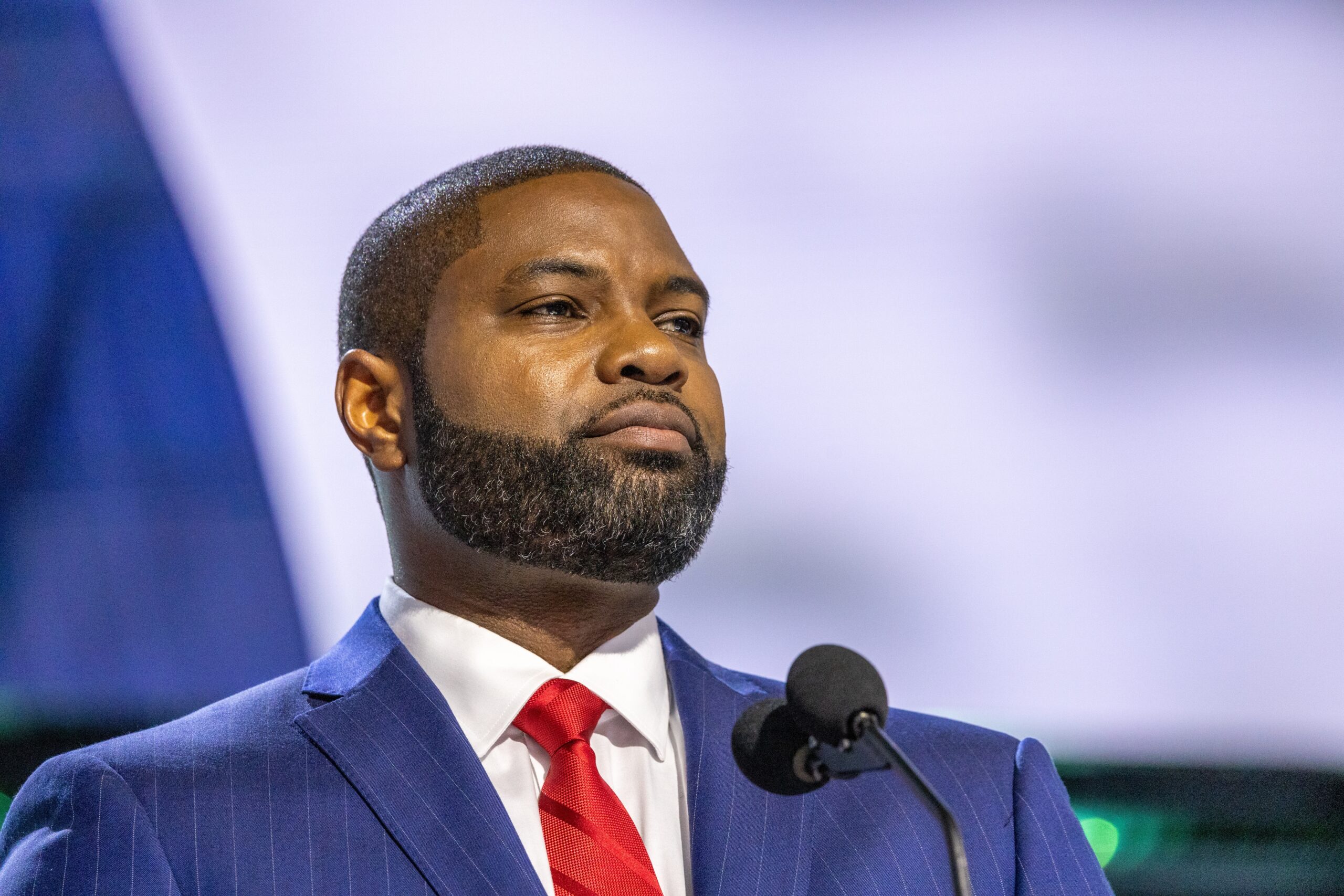
While members of Congress have comprehensive, government-subsidized insurance, yet another Florida Republican isn’t sure most people need such all-encompassing plans.
“The biggest thing we need is we need a system where there are catastrophic health care plans … You can have a health care policy around catastrophic care, but that doesn’t really mean you need a full-blown gold-plated health care policy,” said Rep. Byron Donalds on Daybreak on 92.5 FM WFSX Fox News Radio — Estero.
Donalds said he wanted to get rid of the Affordable Care Act in light of “community ratings” that force everyone to subsidize the “about five to 8% of the population that have what we call a major acute medical issue” and drive up costs.
Unburdened by the larger risk pool, Donalds sees savings and flexibility as the watchwords.
“You wouldn’t be forced by government regulation to buy these gold-plated health care policies. You could actually design a health care policy that fits your needs, which is really where we should have been in health care all along,” said Donalds, part of the Republican House majority that voted to end subsidies for Marketplace plans.
Donalds, a Naples Republican running for Florida Governor, is the second major Florida elected official to say citizens didn’t need comprehensive coverage.
“Most people, particularly under 50, what they really need is a catastrophic plan that’s affordable, where then they can pay whatever they’re doing out of a health savings account,” Gov. Ron DeSantis said during a fireside chat at the Hoover Institution.
Many Floridians may get to test these theories about whether insurance is necessary.
Alexis Bakofsky, the Deputy Commissioner of Life and Health Insurance for Florida’s Office of Insurance Regulation, said enrollment could be lowered by “25-30%” if subsidies are terminated.
Currently, 4.7 million Floridians have Affordable Care Act individual insurance, meaning 1.4 million people who have insurance this year could be uninsured in 2026.

Politics
Ron DeSantis says most Floridians won’t notice ‘schools of hope,’ as they will be in places most people don’t go
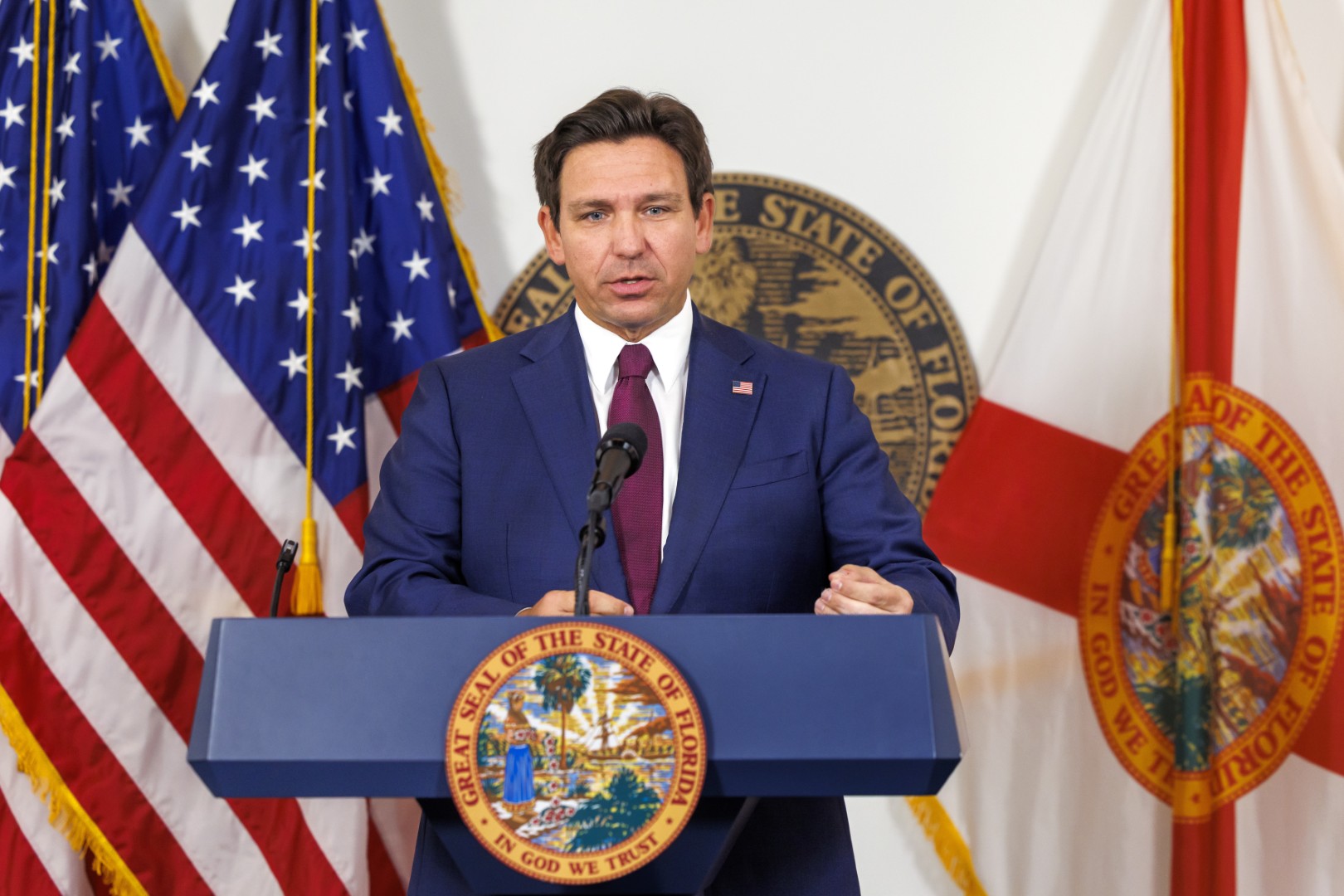
Gov. Ron DeSantis is strongly advocating for the “Schools of Hope” model, which would co-locate charter schools in underused public school facilities.
And as DeSantis said in Orlando, the facilities primarily will cater to children whose parents aren’t doing as much as some others, in places most people wouldn’t even go, with tonier communities insulated from the concept.
“You’re really relieving burdens on the district, right? Because, you know, you’re creating a program where it is going to be targeted at … the least-advantaged students. And in areas where a lot of people say it’s not even worth trying,” DeSantis said.
It’s unclear which people are allegedly saying it’s not worth “trying” to educate some students but not others.
But worries that they will be in places like Windermere or Palm Beach are misplaced, DeSantis said.
“This is not going to be something where a school of hope is going to be coming in and descending on Palm Harbor or Destin or some of these places,” he said, singling out two wealthy communities where more than 80% of residents are White.
He reassured parents that these schools of hope won’t come in where “my Sally or my Johnny goes,” but instead would be in “some hard areas in Miami. Probably Fort Lauderdale, Broward County, probably Orlando, maybe Tampa, maybe Jacksonville.”
In these areas, DeSantis predicts the Schools of Hope will largely go unnoticed.
“I don’t think most Floridians are even going to know that there’s a school of hope. Because quite frankly, probably where they’re setting up, already a lot of Floridians aren’t spending a lot of time in some of these areas, but they’re going to go in,” DeSantis said.
Regardless of whether residents are aware of the schools, DeSantis made it clear his preferred vendor would be the Success Academies championed by arguably his leading political patron over the years, billionaire Ken Griffin.

Griffin has already pledged to devote $50 million to expanding the concept in Florida.
“It’s a difficult mission, but at least with Success Academy, you have an operator who’s been able to do some really, really great things,” DeSantis said.
He credits Success Academies with having “gone into the worst areas in terms of opportunity … the most at-risk … areas where no one else wants to go.”
Lots of vendors want into the taxpayer-subsidized space.
As of last month, 22 School Districts across the state have received at least 690 letters of intent from charter school operators, according to data gathered by the Florida Policy Institute, a member of the Florida Coalition for Thriving Public Schools.
School Districts reporting letters as of mid-November include Brevard, Broward, Collier, Duval, Hillsborough, Indian River, Lake, Lee, Manatee, Miami-Dade, Orange, Osceola, Palm Beach, Pasco, Pinellas, Polk, St. Johns, St. Lucie, Sarasota, Seminole, Sumter and Volusia counties.
The letters, sent by privately operated charter school organizations, seek to occupy portions of public schools the state considers underutilized. Under provisions added to the 2025–26 state budget, “Hope operators” may move into those spaces at no cost, leaving districts to absorb maintenance, custodial and other operational expenses.
South Florida had received the most letters at last check, with at least 224 between Broward and Miami-Dade counties. Miami-Dade officials said the district received at least 180 letters, though only 90 were considered valid because many came from Bridge Prep Academy, which is not yet an approved Schools of Hope operator.
The impact also was obvious across the Tampa Bay region, where Hillsborough, Pinellas, Pasco and Manatee counties collectively show some of the highest concentrations of claims in the state. Together, the four districts account for more than 80 campuses and more than 46,000 requested seats, according to data compiled by the coalition.
Even as those letters go out, state lawmakers are already working to pull the plug on the program’s most controversial rule that allows charter school operators to move into “underused” public school buildings rent-free. SB 424, filed by Democratic Sen. Darryl Rouson of St. Petersburg, would repeal that provision.
“By eliminating language requiring co-location in public schools, we are ensuring schools do not face the unintentional consequence of an unfunded mandate, and that students can continue thriving in their schools without losing access to spaces they need for academic success,” Rouson said in an earlier statement about the bill.
___
A.G. Gancarski and Jesse Mendoza of Florida Politics contributed to this report.
Politics
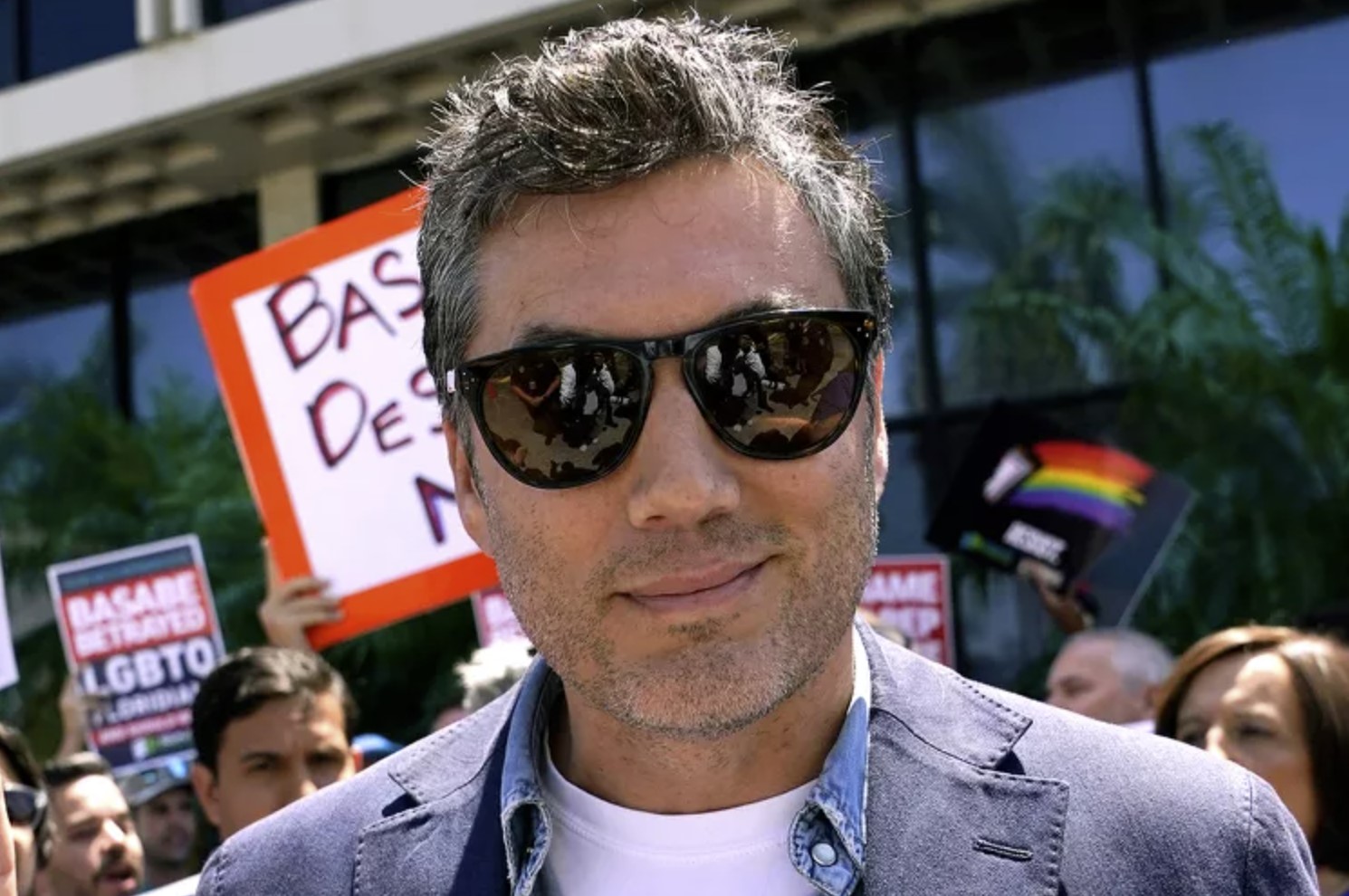
Gov. DeSantis now says poorer counties will ‘eventually’ be on their own to deal without property taxes
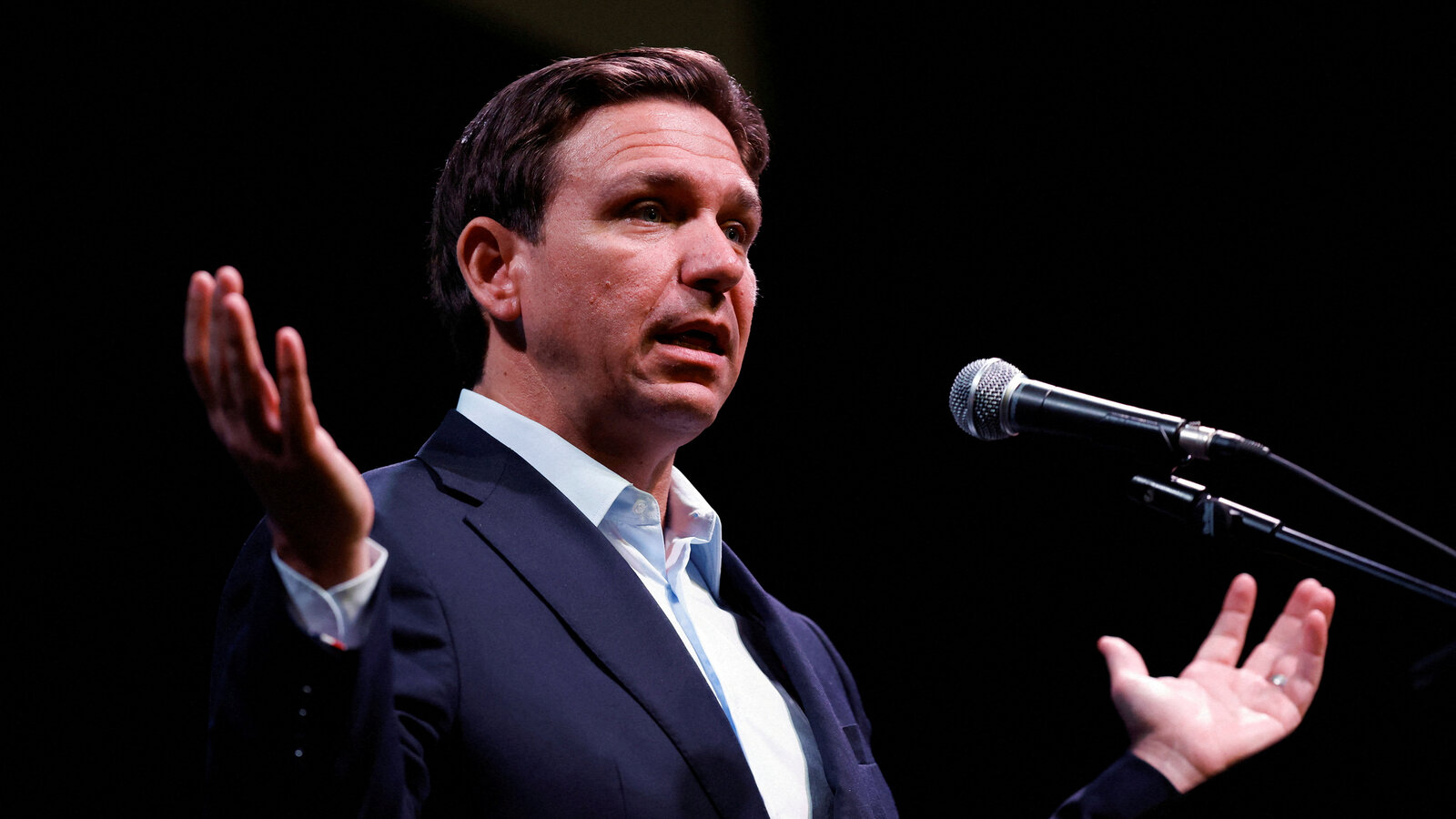
What once was framed as “budget dust” could eventually be gone with the wind, leaving local politicians in small towns with tough decisions in the coming years.
Gov. Ron DeSantis is reiterating his promise to give fiscally constrained counties money in his new budget proposal to replace potentially property tax revenues should they be phased out. But DeSantis is now saying those cash-strapped jurisdictions will have to do without supplementary funds down the road.
“I’m not saying it’s even going to be necessary, but I put in the budget enough money to completely, 100% reimburse any homestead property tax reduction for those fiscally constrained counties,” DeSantis said in Orlando.
“There’s some people that say you shouldn’t do that. But my view is it’s a little more difficult maybe for some of them. And now, eventually they’re going to have to figure it out.”
DeSantis rolled out the budget proposal to aid smaller counties during a cable news hit last week, but did not say there would eventually be an end to state-level generosity despite touting a “big surplus” to a national audience.
“We have 32 fiscally constrained counties. You know, Miami-Dade, Palm Beach, these are powerhouses. I’m putting in my budget the revenue to totally backfill every one of those rural counties. So they’re not going to miss a single thing,” the Governor said on “Fox & Friends.”
However, he first teased the idea in October.
“I can fund all that. I can take all 32 fiscally constrained counties, I could fund 100% of tax revenue that would be derived from a homestead Florida residence, property taxes. And it’s like budget dust for us,” DeSantis said in Panama City.
A total of 32 of Florida’s 67 counties are designated as fiscally constrained.
Typically lower in population and property value, they include Baker, Bradford, Calhoun, Columbia, DeSoto, Dixie, Franklin, Gadsden, Gilchrist, Glades, Gulf, Hamilton, Hardee, Hendry, Highlands, Holmes, Jackson, Jefferson, Lafayette, Levy, Liberty, Madison, Okeechobee, Putnam, Suwannee, Taylor, Union, Wakulla and Washington counties.

DeSantis has been leaning on lawmakers in the supermajority Republican Legislature to put a measure eliminating homestead property taxes on the ballot, even teasing a Special Session during the Summer if they don’t ratify something during the Regular Session.
That ballot measure would need 60% support should it be presented to voters.


Winter, Jung Kook Dating Rumors Prompt SM Entertainment Legal Action

Amazon to pay 510 million euros to settle tax probe in Italy – sources

Ron DeSantis says most Floridians won’t notice ‘schools of hope,’ as they will be in places most people don’t go
-

 Politics8 years ago
Congress rolls out ‘Better Deal,’ new economic agenda
-
Entertainment8 years ago
New Season 8 Walking Dead trailer flashes forward in time
-
Politics8 years ago
Poll: Virginia governor’s race in dead heat
-
Entertainment8 years ago
The final 6 ‘Game of Thrones’ episodes might feel like a full season
-
Entertainment8 years ago
Meet Superman’s grandfather in new trailer for Krypton
-
Politics8 years ago
Illinois’ financial crisis could bring the state to a halt
-
Business8 years ago
6 Stunning new co-working spaces around the globe
-
Tech8 years ago
Hulu hires Google marketing veteran Kelly Campbell as CMO