The U.S. government has a lot to pay for at the moment: in addition to mandatory spending like Social Security, Medicare, and Medicaid, it has also needs to fund its military endeavors. First came Venezuela, a relatively brief period of intervention; but the U.S. and Israel’s conflict with Iran has dragged on longer than expected.
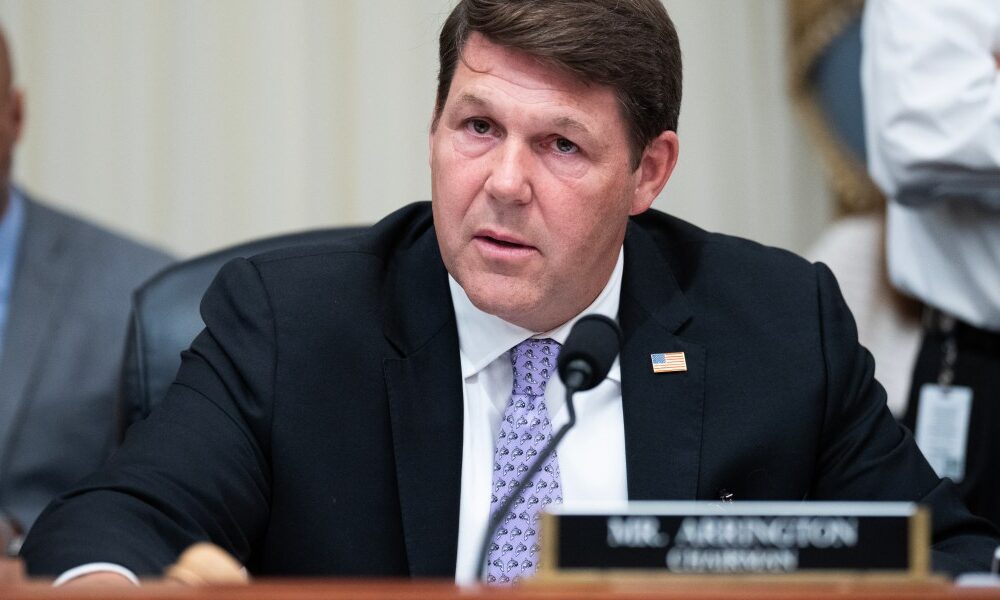
The demands on Treasury finances are a tightrope policymakers are going to have to learn to walk effectively, House Budget Committee Chairman Jodey Arrington said in a recent interview, suggesting that reconciliation (a budget procedure vote allowing for a simple majority of 51) may be the quickest way to ensure funding for DHS and prevent similar snags in the future.
Speaking on CNBC, the Texas Republican said: “I think what would be better, if we could do it, is just take the whole kit and caboodle and use reconciliation to fund Homeland so we don’t establish the precedent of picking and choosing departments and agencies and offices.”
“We can’t leave the critical operations of Homeland Security that’s protecting us against a terrorist attack, through Coast Guard, through guardsmen at our ports, or the guys that are protecting us against cybersecurity attacks. This is unacceptable.”
Democrats, on the other hand, have argued they will not back a funding bill for DHS until controversial departments like ICE and elements of Border Patrol are defunded. Protests against ICE began late last year, but tensions spilled over following the fatal shootings of intensive care nurse Alex Pretti and Renee Good in Minneapolis earlier this year. Until guardrails are put into place around the departments, the Democrats argue, they won’t pass funding for DHS.
The budget balance
However, Arrington also chairs a committee that has continually advocated for prudent and effective spending and fiscal reform. Arrington has called for a harder-line approach than some of his peers, who have pushed a resolution of a deficit target of 3% of GDP. Arrington wants to open up a conversation about adding fiscal responsibility to the country’s Constitution.
He said late last month: “Here’s the sad, sobering, and stunning truth: Despite the urgency of our fiscal crisis, Congress is paralyzed—unable to meet the urgency of the moment. So, if Washington won’t act, then it’s time to look beyond our nation’s capital. The Founders gave us another path in Article V of the Constitution, empowering the states and the American people to step in and demand fiscal discipline.”
Pushed on why he advocates for reopening spending pathways alongside budgetary reform, Arrington responded: “I can tell you there are debt hawks like myself that see a debt crisis on the horizon as an equal if not greater and more irreparable threat. We have to be able to walk and chew gum.”
The Republican is of the opinion that the government has some “savings” it could leverage in the form of cracking down on fraudulent claims. This, combined with a reconciliation action, “will allow us to put those reforms in the mandatory programs to underwrite what we need now and a down payment on future warfare preparedness.”