Connect with us

Sports

Brian Kelly’s Firing Should Change the College Football Landscape

Published

on


BY: KENNY VARNER

LSU Tigers 2025-26 Season Preview: Hype or Reality?

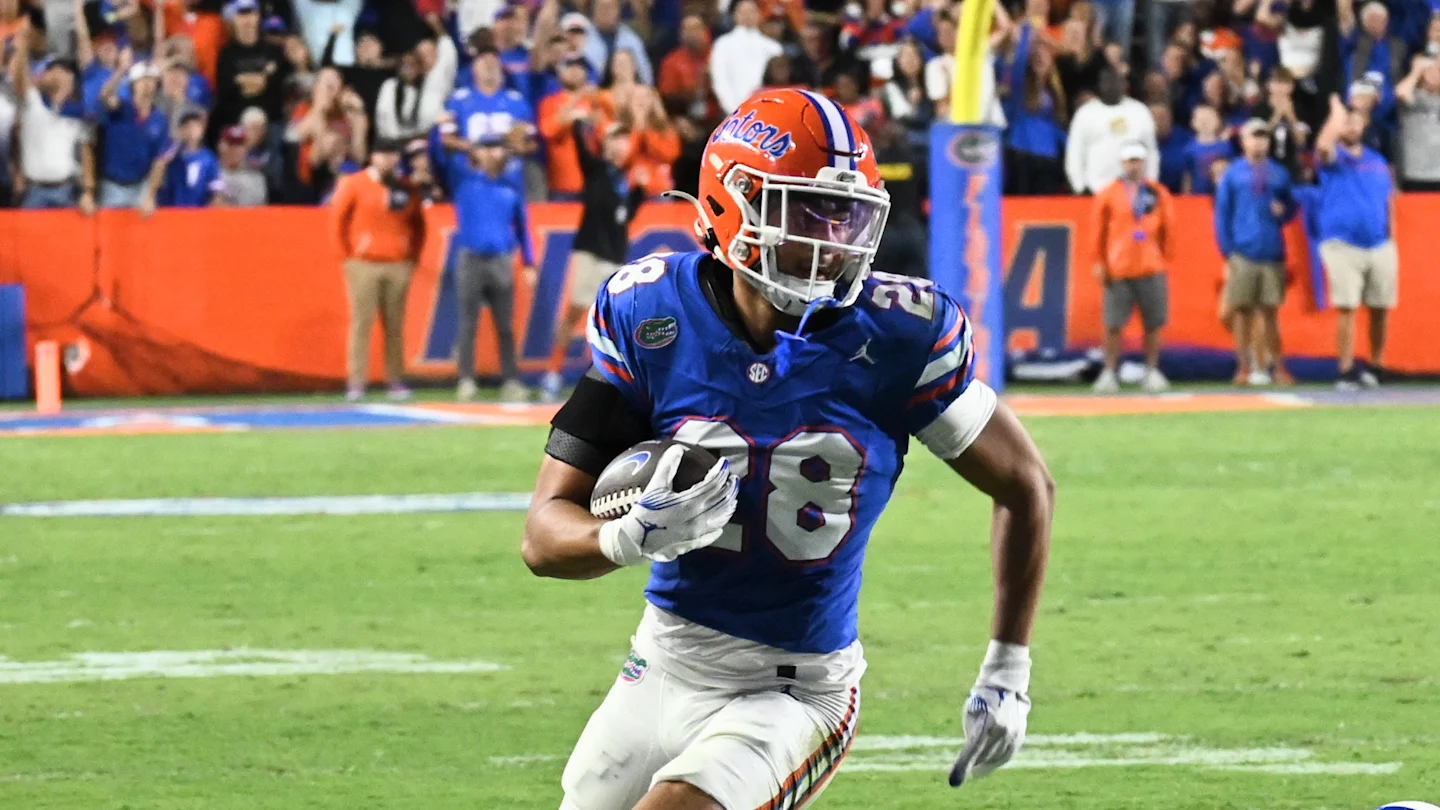
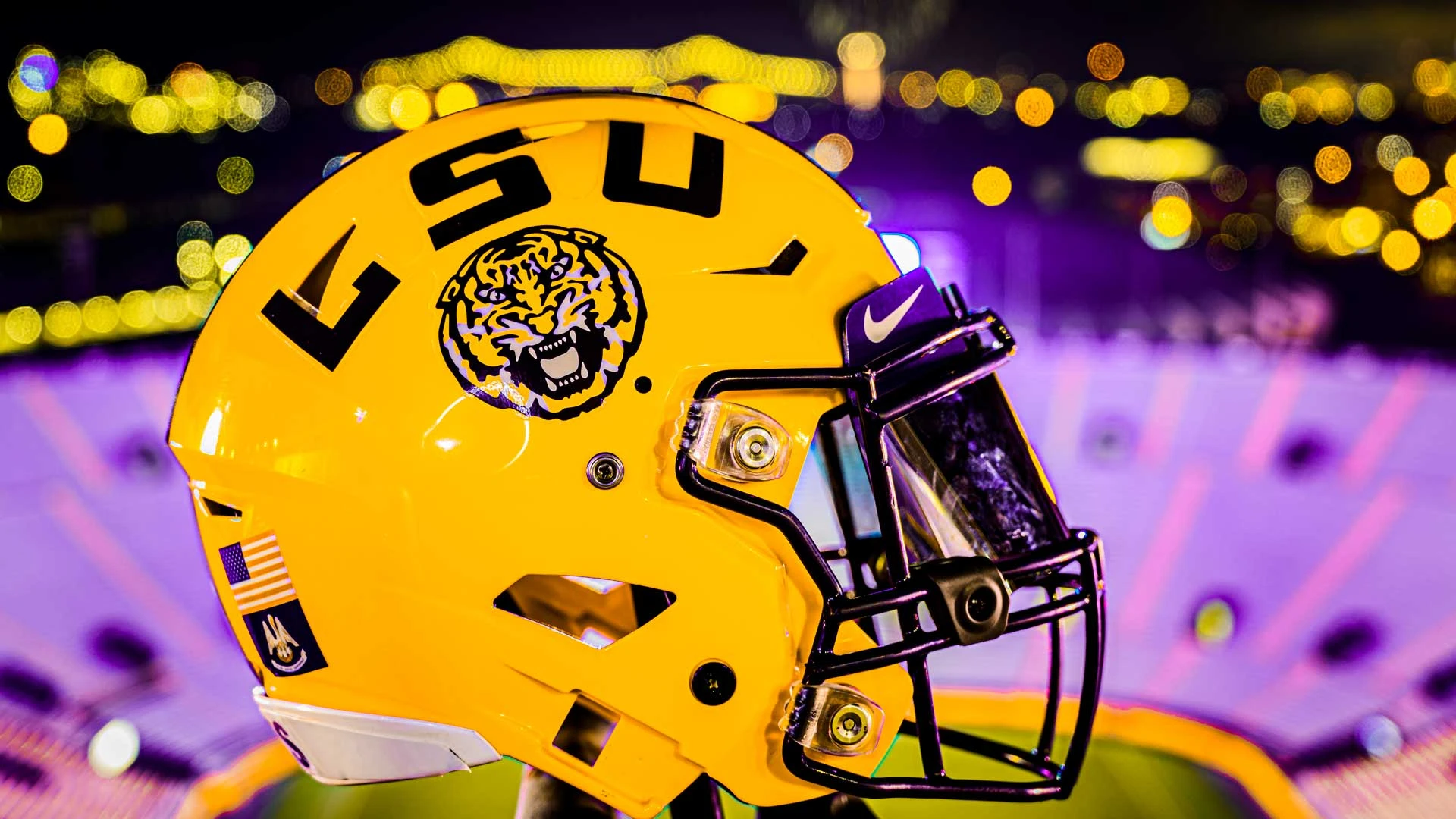
The LSU Tigers enter the 2025–26 campaign with high expectations and a significant amount of hype. Ranked as high as No. 7 in the preseason polls, there’s no denying the national buzz surrounding this team. But despite the excitement, questions remain. Head coach Brian Kelly has gone on record saying this is the most talented roster he’s had at LSU—but will that talent come together to form a legitimate national title contender, or will it fall short of the lofty expectations?

MUST READS

SPORTS TALK UNITED

SPORTS TALK FLORIDA

One major reason for optimism is that LSU has been ranked as the No. 1 transfer portal team in the country. However, the true source of fan excitement is the return of quarterback Garrett Nussmeier. The veteran signal-caller passed for 4,052 yards last season while completing 64.2% of his throws, racking up 29 touchdowns against 12 interceptions. He enters the year as a potential Heisman Trophy candidate and the centerpiece of the offense.

The key question on offense is whether the offensive line can keep Nussmeier upright. LSU loses four starters up front, including both starting tackles—Will Campbell and Emery Jones—who departed for the NFL. Tyree Adams has some playing experience, and D.J. Chester is the lone returning starter. LSU did add Braelin Moore through the portal, and he’s expected to take over at center. The Tigers will also rely heavily on freshman Harlem Berry, the top-rated running back in the 2025 class, to contribute early.

In the receiving corps, Aaron Anderson returns after leading the team with 51 receptions for 884 yards. However, he’s the only member of last season’s top five wide receivers returning. LSU hopes it struck gold in the transfer portal again, adding Nic Anderson from Oklahoma and Barion Brown from Kentucky—both of whom are expected to start. With a seasoned quarterback at the helm, there’s reason to believe this offense can stay productive, but it will depend heavily on how quickly the new-look offensive line gels.

On the defensive side of the ball, there’s talent, but not a ton of proven production. One of LSU’s biggest needs was finding consistent edge rushers. The Tigers addressed that by bringing in Patrick Payton from Florida State and Jack Pyburn from Florida via the portal. The cornerback position is also in flux. Highly touted freshman DJ Pickett will likely start, and LSU added Mansoor Delane from Virginia Tech to bring some experience to the secondary.

Linebacker Harold Perkins returns after an injury-plagued season and will be the heart of the defense. Still, questions remain—especially when it comes to whether this unit can hold up against the best teams on LSU’s schedule.

Leaning heavily on transfer talent can be a gamble—it can either create a quick turnaround or lead to chemistry issues as the season progresses. As an SEC team, LSU will get the benefit of the doubt when it comes to national perception, but this year’s squad will be tested early. Week 1 features a tough road matchup at Clemson, followed by a Week 3 showdown with Florida. The Tigers also travel to Alabama in November, in what could be a season-defining game.

A lot needs to go right for LSU to live up to its top-10 billing, but one thing is certain—this team will be fascinating to watch. If the pieces come together, the Tigers could make a legitimate push for the College Football Playoff.

By: Matthew Weatherby

Brian Kelly is out at LSU after what can only be described as a tumultuous stint in Baton Rouge. While most college football fans have already read countless takes and coaching hot boards, this firing represents something larger — a warning for athletic departments across the country. The Kelly saga reveals the structural flaws in how college programs chase success and how those decisions often backfire.

SPORTS TALK FLORIDA

SPORTS TALK GEORGIA

The Big Hire Trap

Every time a major program fires a head coach, the dream is to land the big hire. Florida fans know the feeling all too well. But how often does that gamble truly work?
Recent examples tell the story. Brian Kelly, Jimbo Fisher, and Lincoln Riley all fit that mold. Two are out of jobs, and one is still trying to fix a defense that has haunted him everywhere he has coached. For every Nick Saban or Urban Meyer, countless others never replicate their past success.

Looking at the current AP Top 10, only two — Mario Cristobal and Kalen DeBoer — qualify as major name hires. The rest, like Kirby Smart, Dan Lanning, and Lane Kiffin, rose from coordinator or mid-major positions. The lesson? Success rarely comes from chasing reputation alone.

Contracts and Buyouts: The Never Ending Payday

College football contracts have become absurd. Buyouts are massive, and contract lengths are unrealistic. The saying “the best job in sports is a fired Division I coach” has never been more true. These coaches are rewarded even in failure, cashing out millions because they understand the leverage game.

When Kelly left Notre Dame, he played it perfectly. If he won, he got the glory. If he lost, he got the payout. Schools continue to sign these deals under the illusion that they are paying for stability, but what they are really buying is risk.

Broken Hiring Committees

The system doesn’t just fail financially; it fails structurally. Athletic directors are supposed to lead these hires, but too often, politics and ego get in the way. Boosters, donors, and even politicians want a say.
Case in point: Louisiana Governor Jeff Landry recently joked that he would “let Donald Trump select LSU’s next coach before I let Athletic Director Scott Woodward do it.” That kind of interference highlights how disconnected decision makers are from the actual demands of running a football program.

When everyone wants control, no one is accountable, and programs like LSU pay the price.

Final Thoughts

Brian Kelly’s firing is more than a headline; it is a symptom of a larger sickness in college football. Until schools stop chasing big names and start fixing their hiring processes, these mistakes will keep repeating. Smaller buyouts and shorter contracts could help, but unless universities change who makes these decisions and how, the same story will play out again and again.


Source link

Continue Reading

Sports

Buccaneers host rival Saints in key NFC South game

Published

on


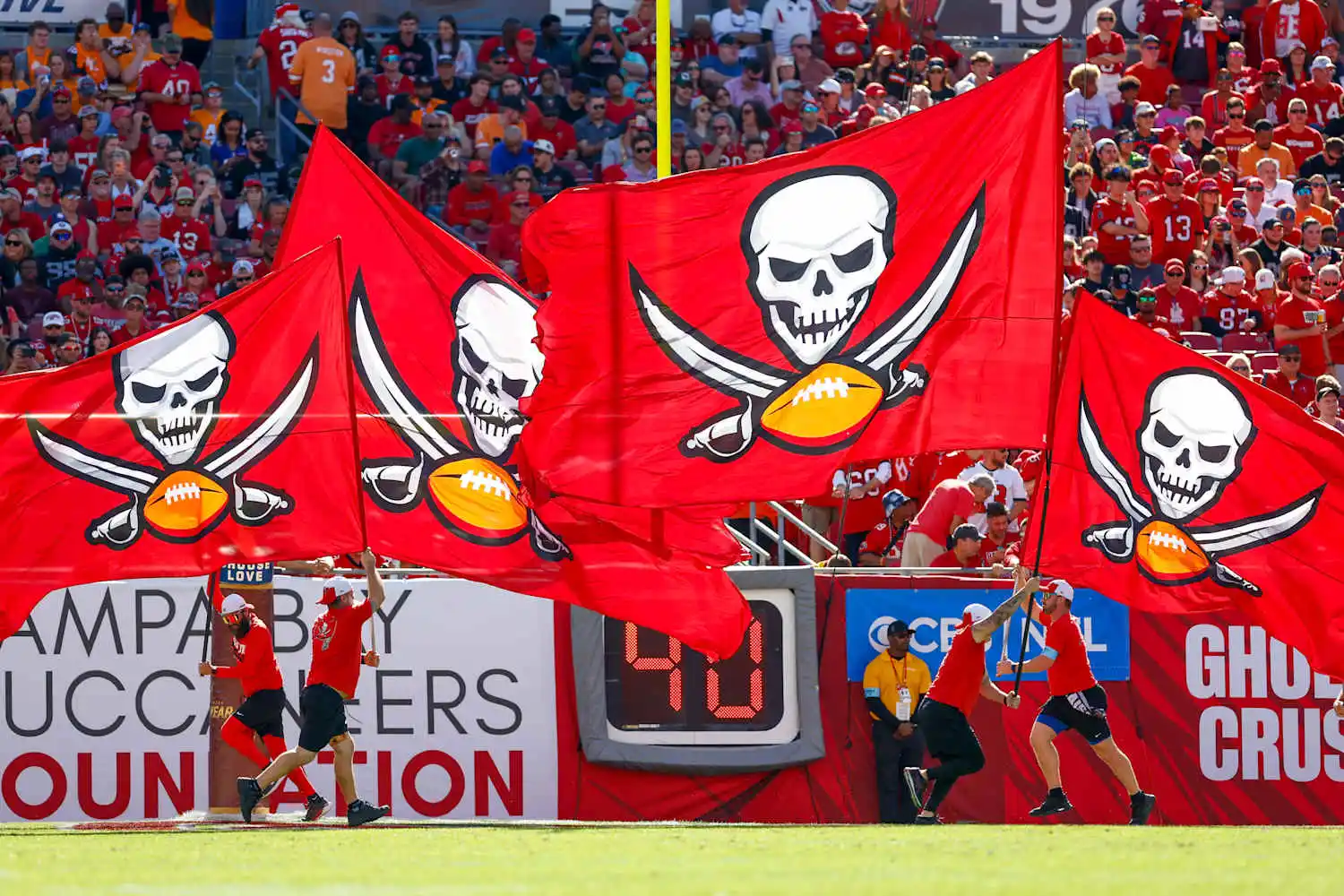
The Tampa Bay Buccaneers enter Week 14 with a 7-5 record and first place in the NFC South, but the margin is razor-thin. Carolina (7-6) is surging and waiting for any slip-up. That makes Sunday’s divisional showdown against the rival New Orleans Saints at Raymond James Stadium a must-win for Tampa Bay.

MUST READS – SPORTS TALK FLORIDA

Key Players to Watch

Quarterback Baker Mayfield continues to lead the Buccaneers’ offense, averaging 216.7 passing yards per game. Rookie running back Bucky Irving has added balance to the attack with 59.6 rushing yards per game. Wide receiver Chris Godwin remains a reliable target, posting 78 yards in last week’s win over Arizona.

For New Orleans, rookie quarterback Tyler Shough has shown flashes, throwing for 239 yards and two touchdowns against Miami. Veteran linebacker Demario Davis anchors the Saints’ defense, ranking among the league leaders in tackles. Utility man Taysom Hill continues to be used in multiple roles, though his production has been limited.

Radio and TV Information

Kickoff is set for Sunday, December 7 at 1:00 p.m. ET from Raymond James Stadium. The game will be broadcast nationally on CBS, with Kevin Harlan and Trent Green on the call. Fans can also listen locally on 98ROCK in Tampa and WWL 105.3 FM/870 AM in New Orleans. Streaming options include NFL+, Fubo, and TuneIn Radio.

What Lies Ahead for the Buccaneers

The Buccaneers are chasing their fourth straight NFC South title, a feat that would cement their dominance in the division. With three straight divisional games ahead (Saints, Falcons, Panthers), Tampa Bay controls its destiny. A win over New Orleans would set the stage for a pivotal showdown against Carolina, which has emerged as a surprising contender.

Head Coach Todd Bowles emphasized the importance of turnovers: “Any time we play them, it’s always who wins the turnover battle – every time”. If the Bucs can execute cleanly and keep Mayfield healthy, they remain favorites to secure another division crown and a playoff berth.


Source link

Continue Reading

Sports

BIG Ten and SEC may not expand in the next TV cycle

Published

on


TV AND THE SEC

Future expansion of the Big Ten and SEC in 2030 and beyond is far less certain than it was in the last cycle. Both leagues already function as national networks with coast-to-coast reach, and media companies like ESPN, FOX, CBS, NBC, Amazon, Apple, and YouTube are becoming more budget-conscious. Adding more schools could simply mean more mouths to feed without significantly increasing overall revenue, unless the new members bring undeniable brand power, recruiting markets, or television value.

Sports Talk Florida

Why Expansion May Slow Down

  • National footprint already achieved: The Big Ten stretches from Rutgers to USC, while the SEC dominates the South and Texas. Both conferences already cover the largest recruiting and media markets.
  • Media company selectivity: Networks are prioritizing billion-dollar NFL and MLB renewals, leaving less room for escalating college rights fees.
  • Cord-cutting pressures: Cable decline forces ESPN, FOX, and CBS to be more cautious with spending. Streaming platforms prefer marquee matchups rather than funding entire conferences.
  • Revenue-sharing with athletes: Following the House v. NCAA settlement, schools must share revenue with players, increasing costs and reducing the incentive to dilute payouts by adding more members.

Expansion Trade-Offs

  • Pros of adding schools:
    • Access to new recruiting markets (e.g., Florida State for Florida, UNC for Carolina).
    • Strengthening brand dominance against rival conferences.
    • Potential leverage in future media negotiations.
  • Cons of adding schools:
    • Dilution of per-school payouts (more mouths to feed).
    • Higher travel costs and logistical strain.
    • Risk of diminishing traditional rivalries and regional identity.

Likely Outlook for 2030+

  • Big Ten: May only expand if ACC schools like North Carolina or Virginia become available and deliver clear ROI. Otherwise, stability is favored.
  • SEC: Already dominant in the South; expansion beyond Texas and Oklahoma may not add significant value unless it’s a powerhouse brand.
  • Media companies: With tighter budgets, they will demand proof that any new member increases national ratings, not just conference size.

Bottom Line

By 2030, the Big Ten and SEC will likely be more cautious about expansion. Unless a school offers undeniable brand strength and media market value, adding members risks diluting payouts and creating logistical headaches. In a budget-conscious media environment, stability may prove more valuable than size.




Source link

Continue Reading

Sports

Wait Until Next Year For Bears’ Ownership Stadium Plan

Published

on


Bears Arlington Heights stadium drawings

Bears’ ownership wants to build a stadium in Arlington Heights.

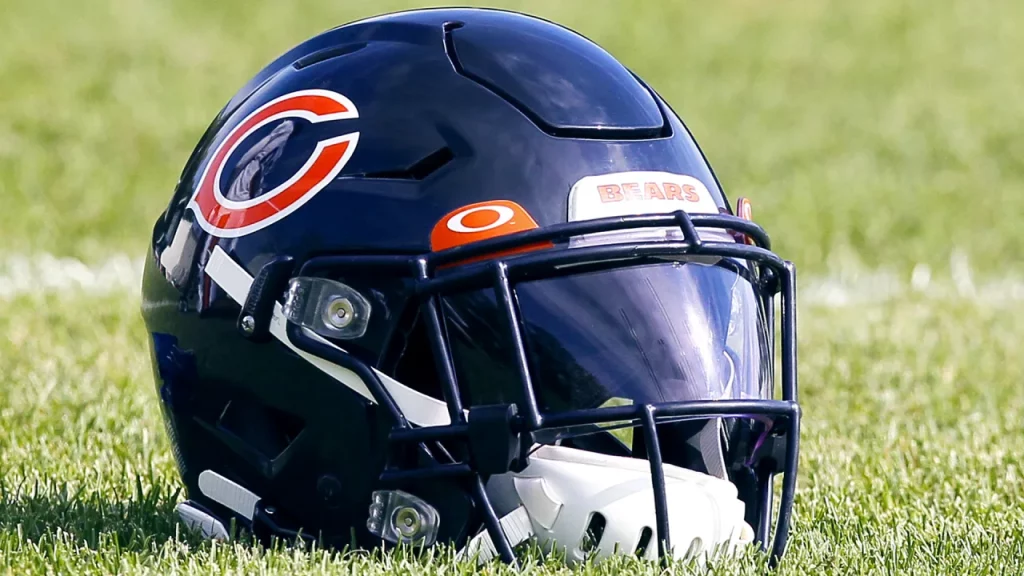
It is wait until next year for the National Football League Chicago Bears ownership in its quest to get public money for a planned stadium-village in Arlington Heights, Illinois. The Bears ownership failed twice to get money from the Illinois state lawmakers in 2025 but next year isn’t very far away.  The Illinois General Assembly starts on January 16th, 2026. Bears’ ownership has decided that Arlington Heights, a Chicago suburb is the right place for its stadium-village after running into opposition in Chicago over its plan to build a stadium-village in a Solider Field parking lot.

The Bears ownership’s stadium-village plan was first revealed in 2023. The Bears’ ownership bought the Arlington Park racetrack property in the Chicago suburb in Arlington Heights in February 2023 for $197 million. Bears’ ownership was set to build a stadium-village in town but then came the property tax bill. Bears’ ownership was alarmed with the tab and decided Chicago was a better option. In April 2024, Bears’ ownership unveiled a plan to build a domed lakefront stadium and surround the structure with a residential and retail zone. The McCaskey family, the owners of the football business, claimed they were willing to throw in about $2 billion to help finance the venture but they also said they needed public support. The McCaskeys claimed they would put up $2.025 billion and would get a $300 million loan from the NFL. The McCaskeys wanted at least $900 million in bonds from the Illinois Sports Facilities Authority. That funding would include extending bonds of an existing 2% hotel tax. That means people using hotels and motels would be paying for a football stadium that more than likely the hotel and motel users would never step foot in. The Bears ownership’s stadium-village saga continues.

Evan Weiner’s books are available at iTunes – https://books.apple.com/us/author/evan-weiner/id595575191

Evan can be reached at evan_weiner@hotmail.com

Chicago Bears


Source link

Continue Reading

Trending

Copyright © Miami Select.