
Politics
Bob Buckhorn pitches mayoral return built on growth, infrastructure and Tampa’s next chapter
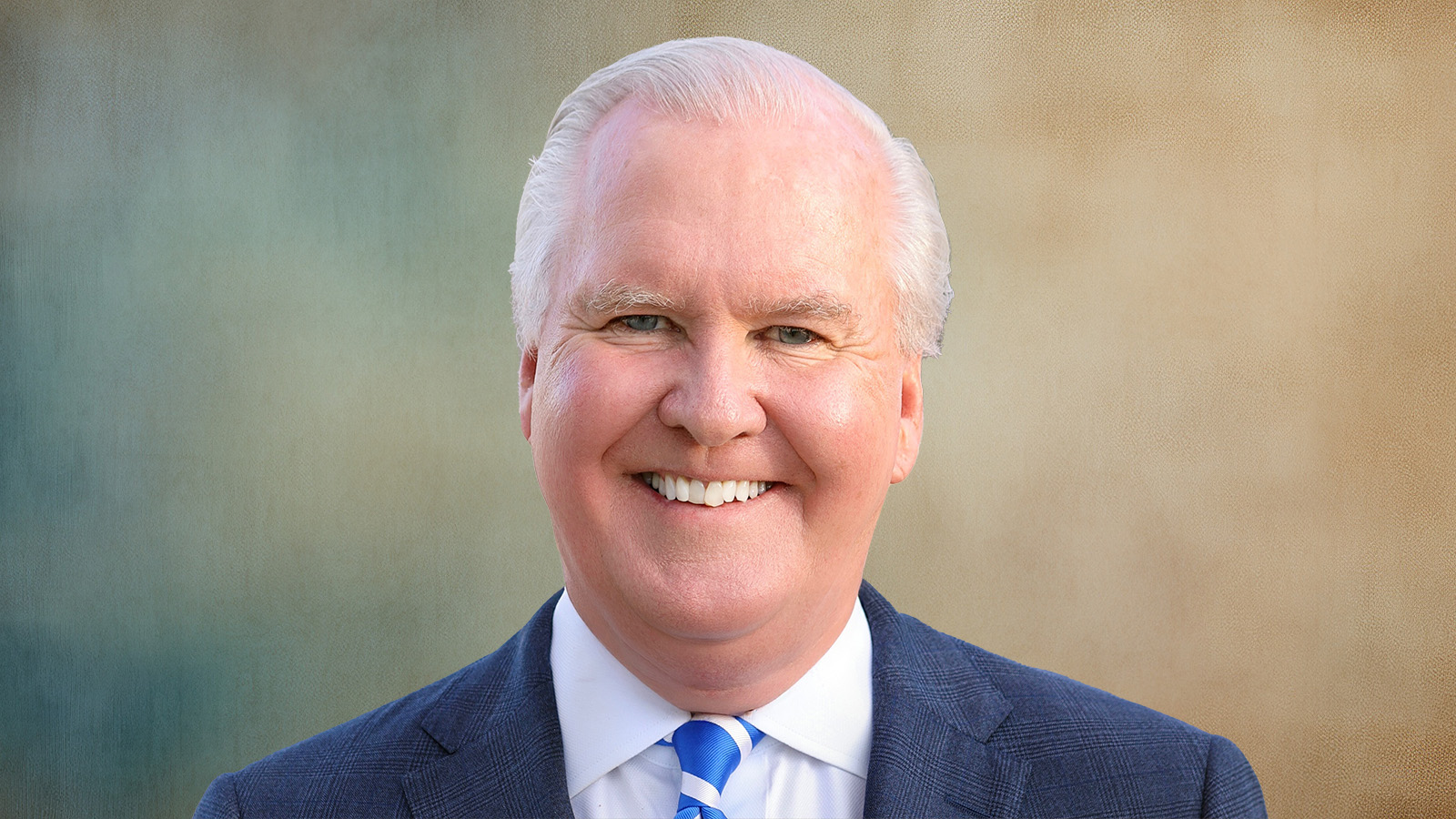
Former Tampa Mayor Bob Buckhorn may already be rounding second before other candidates for Tampa’s open mayoral race even step up to the plate.
Buckhorn, who served two terms as Tampa’s Mayor from 2011 to 2019, has already raised upward of $1 million for his comeback bid to succeed Mayor Jane Castor, who will be term-limited in 2027. He is fully committed to a run to succeed her.
“We’re in,” Buckhorn said. “I’m fully in game mode.”
Buckhorn’s tenure as Tampa’s Mayor is widely associated with rapid redevelopment and economic growth following the recession, and he says there’s more to accomplish.
“I think we have some more chapters to write for this city,” he added. “The foundation has been laid by my first two terms as well as Jane’s two terms. I think there are some challenges that have come as a result of our success that we have to deal with.”
He credited Castor with making large, less visible investments in infrastructure that he said will benefit whoever takes office next, particularly in stormwater systems.
“She has really been focused on investing in infrastructure, the stuff that’s not sexy, particularly stormwater and, to some degree, transportation” Buckhorn said. “It will be her legacy.”
While Buckhorn’s first two terms were closely associated with downtown redevelopment, including the completion of the Riverwalk and major waterfront investments, he said his next chapter would place greater emphasis on connectivity and neighborhood equity.
Buckhorn described a vision of Tampa that physically connects major redevelopment areas, from Water Street to the Channel District, Gasworx and Tampa Heights, while ensuring growth reaches historically underserved neighborhoods.
“You don’t want to leave anybody behind,” he said. “There aren’t guaranteed outcomes, but there ought to be guaranteed opportunities.”

A new term could also present new opportunities. The Tampa Bay Rays have new ownership and are again exploring stadium options throughout the Tampa Bay area after a St. Petersburg-based plan broke down last year.
Though the possibility of a return to St. Pete has not been fully ruled out, Buckhorn views the Rays’ future as one of the most consequential decisions facing Tampa — framing it as both an economic and urban-planning opportunity rather than simply a stadium debate.
He said he is optimistic about the Rays’ new ownership group and described its approach as markedly different from past efforts. Buckhorn said the group has shown a willingness to engage with the city and explore multiple options rather than pushing a single proposal.
While acknowledging the financial challenges of a stadium deal, Buckhorn said he believes a workable solution is possible if structured correctly and doesn’t place an undue burden on taxpayers.
“I am optimistic about this group,” Buckhorn said. “I have spent time with the new owners. They wisely got a lot of Tampa investors to invest with them, which I think was smart. I think they want to be in Tampa. … They’re asking all the right questions, they’re doing their homework on multiple sites.”
“I think even though it’s going to be a heavy lift financially … if the Rays ownership is willing to be creative, I think there’s a way to get this done that doesn’t burden the taxpayer and there’s shared sacrifice,” Buckhorn added.
Buckhorn envisions a broader development strategy to accompany a Rays baseball stadium in Tampa, creating a new mixed-use district similar to The Battery Atlanta built around Truist Park.
“I think their idea of doing a district similar to what Atlanta has, The Battery, rather than just a stadium plopped down in the middle of somewhere really has hugely positive economic potential for Tampa,” he said.
Buckhorn said a Rays-related district could follow a similar model, with private development carrying most of the cost and public dollars focused on infrastructure that benefits the broader community.
“You can create a whole live-work-play environment with office, residential, retail and commercial, with the baseball stadium just as part of it, not the entirety of it,” he said.
He cited Water Street Tampa as an example of how targeted public investment in infrastructure can generate long-term returns.
“The city of Tampa invested $50 million and the county invested $50 million in Water Street, not in the buildings, but in the infrastructure around them,” Buckhorn said. “That Water Street development, $100 million total, will throw off, over the next 24 years, a billion (dollars) for taxes. It was a pretty good investment.”
The Rays discussion, Buckhorn said, is emblematic of a larger question about Tampa’s trajectory and how the city approaches major investments in its next phase of growth.
“It starts to make sense when you look at expanding the scope and the scale, with the real estate largely funded by private developers but with the county and the city and the state making appropriate investments,” he said. “I think it could happen.”
Buckhorn framed his return not as a revival tour, but as unfinished business shaped by new and unanticipated challenges.
He said a future administration would need to address transportation, traffic congestion, housing affordability and permitting delays, issues he said threaten to undercut Tampa’s growth if left unaddressed.
“We don’t want to be in a situation where we spent a decade to attract bright young people here and then find them priced out of the market,” he said. “It’s a supply and demand issue.”
Buckhorn spent considerable time discussing climate resilience and disaster preparedness, drawing on his experience leading Tampa through Hurricane Irma and reflecting on recent hurricanes that caused flooding across the region.
He also acknowledged that the political environment has become more polarized since he last served, but said partisan labels would not define how he governs. Buckhorn was critical of right-wing culture war politics and efforts to cut property taxes, but said he’s made a habit of working across the aisle for the good of the city.
“I’m a Democrat, and I’m proud to be a Democrat,” he said. “But as far as my job as Mayor, my party label is T for Tampa. I will work with anybody who can help my city.”
He was blunt when asked about proposals to eliminate property taxes, calling the idea “an unmitigated disaster” for cities and counties that rely on stable revenue to fund public safety and basic services.
Buckhorn was sharply critical of recent efforts to remove or paint over street art, including pride-themed crosswalks, framing the issue as a misplaced political priority that distracts from more pressing challenges facing the state and its cities.
“We are a city that does not allow anybody to be demonized for any reason on our watch, on my watch, regardless of the God you worship, or who you love,” he said.
Buckhorn said mayoral leadership matters most when tensions are high and communities feel targeted.
“It’s important what the Mayor says and does, and it’s important that you speak to the values of this community and what you’re willing to tolerate and not willing to tolerate,” he said. “What you say matters, and you can combat and stand in the breach of some of the harsh rhetoric that we see coming out of other places.”
Still, Buckhorn also pointed to his working relationship with former Gov. Rick Scott as evidence that collaboration across party lines can produce results when leaders find common goals.
He argued that increasing housing supply — an effort often supported by Republican policymakers — is critical to keeping costs down and maintaining economic momentum. Buckhorn said an emphasis on affordability would help keep young residents in the region and sustain a talented workforce.
Drawing on his experience in the private sector since leaving office, Buckhorn said government bureaucracy has become an obstacle rather than a partner. If elected again, he said fixing the permitting system would be an immediate priority.
“Day 1,” he said. “Let’s figure out how we get this right.”
Buckhorn’s campaign is already showing early strength. His political committee has reported more than $1 million and has raised additional funds since then. He said early PAC fundraising has been driven largely by business and civic leaders, with plans for a broader grassroots effort once the campaign formally launches.
“The response has been tremendous,” he said.
He also thanked his wife, Kathy, and his two daughters for their support.
“Tampa is at a pivotal place,” Buckhorn added. “If we do this right, we really can be that city in America that we’ve always aspired to be.”