
Politics
‘Blue Ribbon Projects’ bill incentivizing conservation lands clears first committee

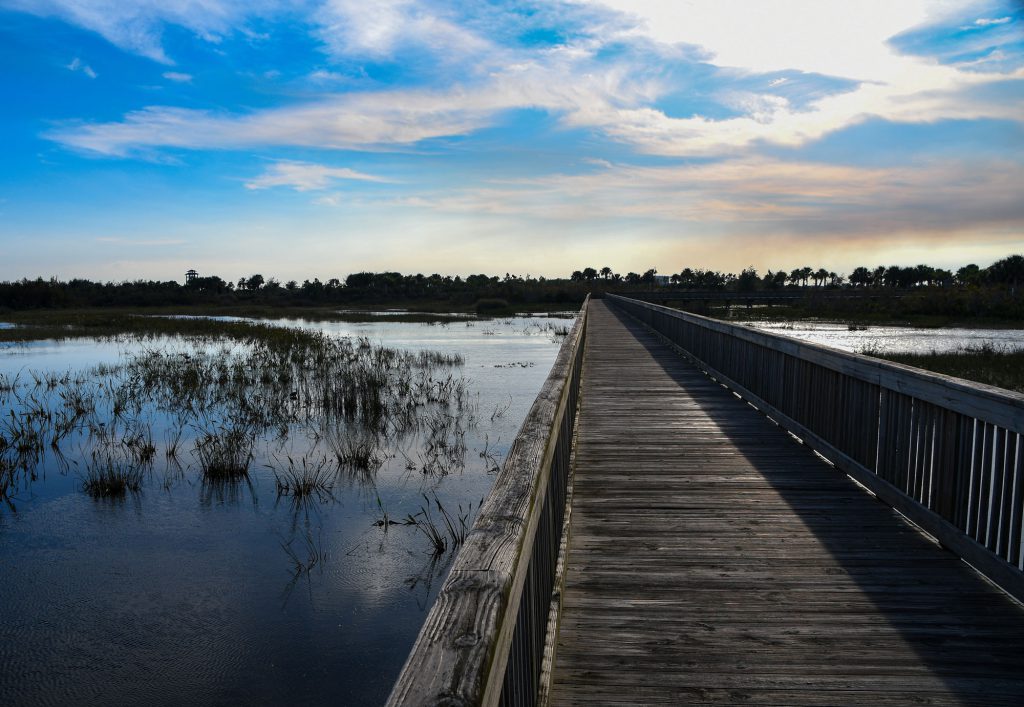
Members of the Senate Committee on Community Affairs have approved a proposal aimed at encouraging Florida’s largest private landowners to serve as long-term stewards of the environment.
The measure (SB 354) offers a framework supporters say better aligns growth, conservation and infrastructure planning. It cleared its first committee stop via a 7-1 vote, with Republican Sen. Kathleen Passidomo as the only “no” vote.
“I couldn’t even figure out how to fix it,” she said, calling it “a massive bill that leaves so much out.” She added that she’s willing to continue working with the bill sponsor, Sen. Stan McClain, to improve the bill.
“But it’s going to be a lot,” Passidomo said.
Several environmental groups and home rule hawks spoke against the bill. Other lawmakers on the committee raised concerns they hope to be worked out through the committee process, but most see an opportunity to streamline stagnant development while incentivizing land conservation.
The bill would establish “Blue Ribbon” projects, which would apply to landowners who control or own at least 10,000 or more contiguous acres. The measures would require participating landowners to conserve at least 60% of the property.
Under the bill, the plan must prescribe the development property over a 50-year planning period by meeting strict statutory requirements. Landowners would still have to earn approval from local governments based on compliance with the statutes, including development orders, and concurrency.
Two amendments also passed. One would add “consistent with the public purposes” language in state statute regarding parks, recreational activities, utility sites, reservoirs and lakes, or other uses that support such activities, expanding what would constitute conservation lands under the measure.
The other amendment is more technical and deals with public easements, adding the “consistent with public purposes” language and requiring an agreement between the landowner and the Department of Agriculture “regarding allowable uses for the easement.”
Elizabeth Alvey, Senior Director of Policy with Audubon Florida, was one of the environmental group members to speak against the bill. She said her group appreciates the bill’s intent and, initially, the group had not taken a stance on it. Now, though, Alvey said “the bill raises serious issues.”

She said two amendments filed and approved open the door to cover park land and recreational space, which she said could allow things like baseball diamonds and pickleball courts, things not typically thought of as conservation land.
Nevertheless, she praised McClain for his willingness to continue working to improve the bill and resolve issues, noting that “we have shared language and our ideas with him … and we look forward to working collaboratively to improve this bill.”
The proposal is born of a desire to implement smart growth strategies by ensuring growth occurs only where it can be supported. The proposal requires phased planning for water, wastewater, transportation, schools and utilities.
The stated Blue Ribbon project goals are to protect wildlife and natural areas; limit urban sprawl; provide a range of housing options including missing middle and affordable housing; create quality communities designed to reduce vehicle trips and promote multiple mobility options; and enhance local economic development objectives and job creation.
The measure also emphasizes sustainability beyond just conservation lands by ensuring new development supports population density in compact communities that are multi-mobility focused. It also seeks to ensure the state is a good steward of taxpayer dollars by allowing conservation lands to be secured without public dollars.
Rep. Lauren Melo is sponsoring the House version of the bill (HB 299). It awaits a hearing in the House Commerce Committee, followed by the State Affairs Committee.
The Senate bill still awaits hearings in the Appropriations Committee on Transportation, Tourism and Economic Development, followed by Rules.
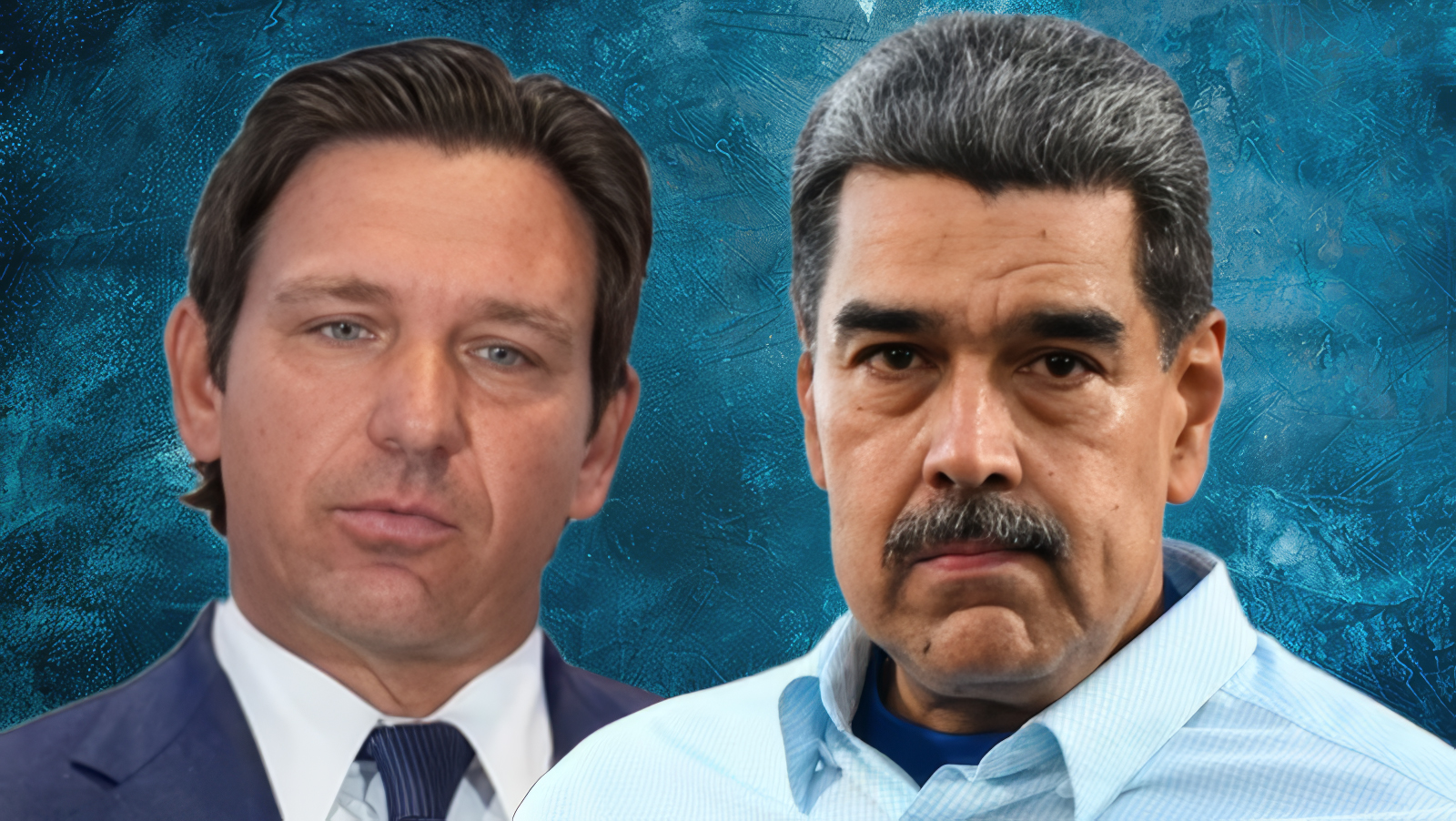
Accountability is the Governor’s biggest priority.
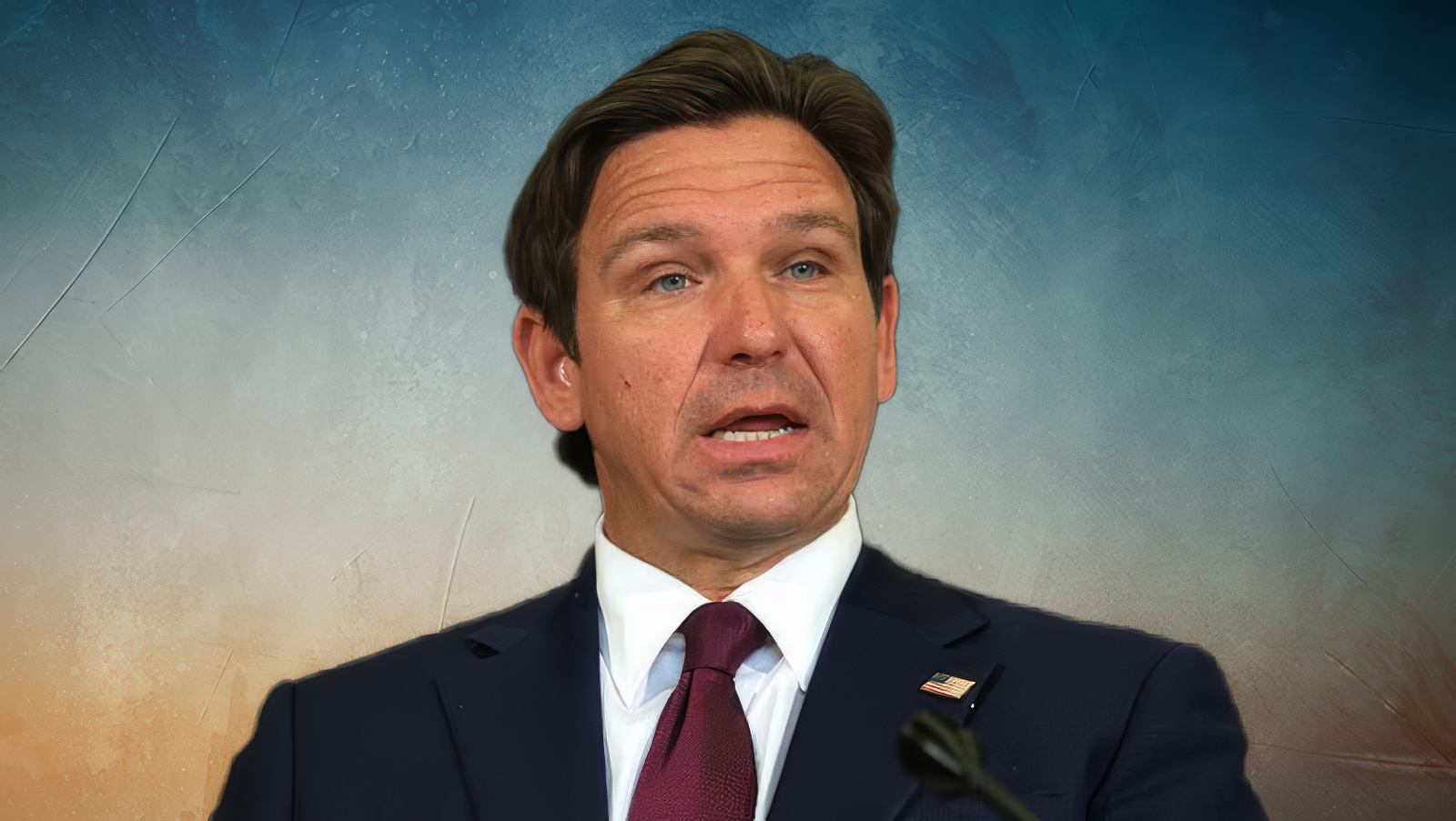
Gov. Ron DeSantis says Florida is “last in line” to bring charges against deposed Venezuelan strongman Nicolás Maduro, clouding previous comments where DeSantis hoped charges would be brought in the Sunshine State.
DeSantis, speaking at Seminole High School, said the matter is “under discussion” in Attorney General James Uthmeier’s Office “but they’re not going to go into it and just do it to do it.”
“If something happens in these federal cases, the state would be last in line, no question,” DeSantis said.
DeSantis suggested that a rogue juror ruling against the federal government in the case brought in the Southern District of New York may trigger that process.
“I think the problem we have with the jury system right now is, like, our society is very politically divided,” DeSantis said.
“You go to a place like Manhattan, it only takes one juror to just say, ‘The hell with this,’ right? You know, maybe they don’t like that the President took him or this or that.”
DeSantis said the jury selection process is “supposed to weed that out,” but added that “it’s not always easy to do.”
The Governor said Florida won’t be “stepping on anybody’s toes” in terms of bringing a case, but will step up if needed.
“All I would say is that if I was Maduro, I would rather have a Manhattan jury than a Miami jury. I mean, I think that’s pretty much a guarantee,” DeSantis said.
Maduro faces charges related to narco-trafficking in New York. DeSantis has suggested that he could be legally liable for releasing prisoners who ended up in Florida as well. But it’s far from a sure thing whether that will happen.

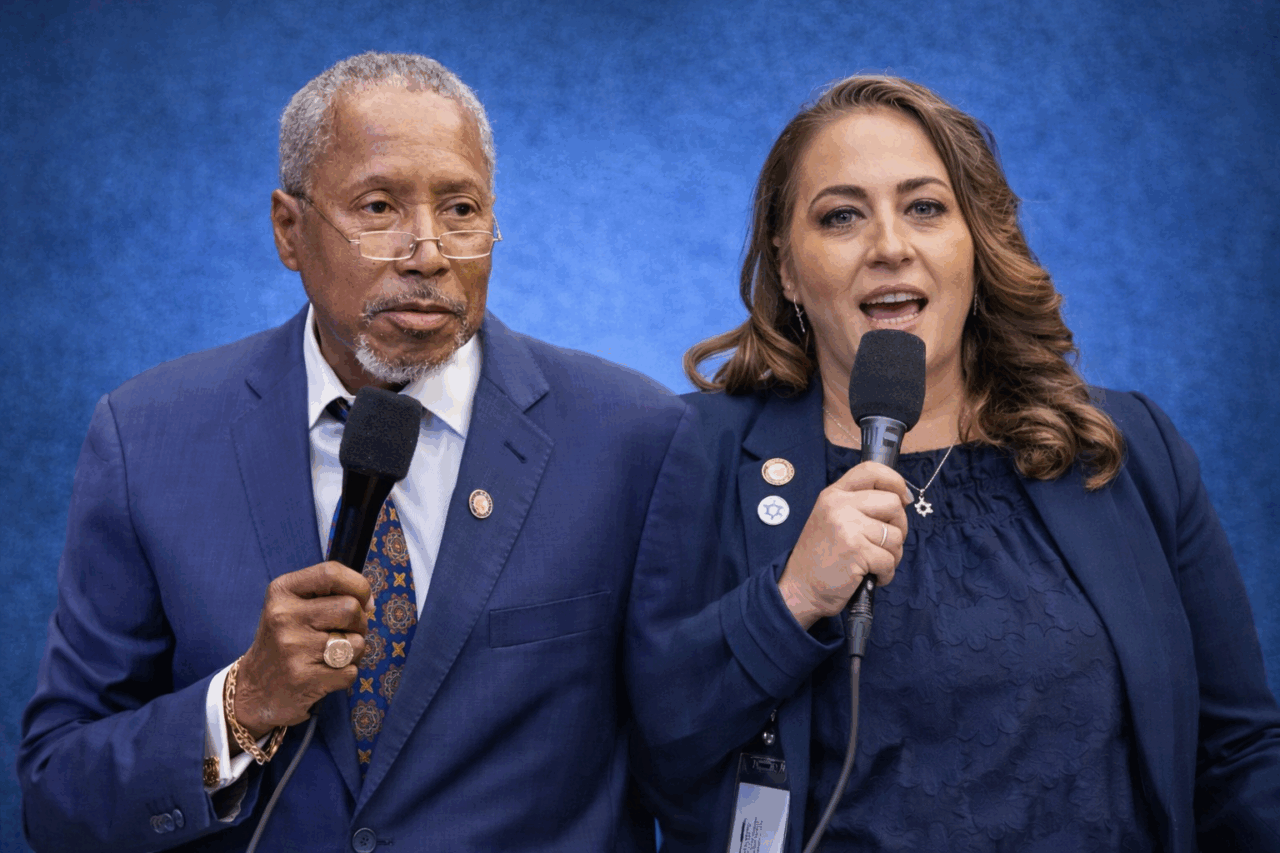
Democratic lawmakers are working to catch mental health problems early, before they spiral into lifelong crises.
St. Petersburg Sen. Darryl Rouson and Lake Worth Rep. Debra Tendrich filed companion bills (SB 1302, HB 1133) to require mental and behavioral health screenings for minors and young adults enrolled in Medicaid.
The goal is to confront what they describe as a statewide youth mental health emergency.
Tendrich told Florida Politics her push for reform was galvanized by personal tragedy. In 2023, her friend, Brian Hiltebeitel, was brutally killed on a Palm Beach County golf course by a 26-year-old man later deemed incompetent for trial due to mental illness and substance abuse concerns.
The case prompted her to examine how gaps in early identification and treatment can allow serious conditions to escalate unchecked. After speaking with Judges, pediatricians, psychiatrists, educators, behavioral health providers and families, the message she received was consistent: Early detection and timely intervention are essential to preventing long-term harm.
“We are in a mental health crisis,” Tendrich said in a statement. “It is imperative that Florida adopt systems for early, validated, and age-appropriate mental health screenings. With this bill, Florida is addressing the issue directly and responsibly.”
Under the legislation, managed care plans under the Agency for Health Care Administration and Medicaid would have to establish practice parameters for validated, nationally recognized mental and behavioral health screenings.
The screenings would have to be trauma-informed — recognizing trauma’s impact while prioritizing safety, compassion, empowerment and healing — and tailored to a child’s developmental stage.
Early detection efforts would be expanded from birth through age 22. Required evaluations would include autism and developmental screenings beginning at birth; depression and anxiety assessments during childhood and adolescence; age-appropriate substance-use screenings; and ongoing behavioral, social and emotional health evaluations through young adulthood.
Mental health professionals say many pediatric conditions are highly treatable when identified early, yet children are often diagnosed only after years of academic, social and emotional struggles. Embedding standardized screening into Medicaid care, the lawmakers said, will help identify warning signs sooner and connect families to services before problems intensify.
“This legislation is about giving families the support they need when concerns first arise, not months or years later,” Rouson said in a statement.
The proposal also places a strong emphasis on parental education. It would direct the Department of Health to provide guardians with accessible guidance on factors that influence mental health, including screen time, sleep, nutrition and parenting skills.
Families would also receive information on coordinated referrals to community mental health centers and behavioral health hubs, reinforcing what Tendrich called a collaborative care model focused on the whole child.
“This legislation builds a bridge between medical professionals and families,” she said. “Healthy routines — good sleep, responsible device use, and proper nutrition — are powerful tools in supporting a child’s mental health. That is how we treat the whole child.”
If approved by the Legislature and signed, the measure would take effect July 1.


Palm Beach’ Star Hilary Musser Lists Custom-Built $42.5M Estate

N Brown promotes Rogers to new COO post

Ron DeSantis says Florida ‘last in line’ for Nicolás Maduro prosecution
-

 Politics8 years ago
Congress rolls out ‘Better Deal,’ new economic agenda
-
Entertainment8 years ago
New Season 8 Walking Dead trailer flashes forward in time
-
Politics8 years ago
Poll: Virginia governor’s race in dead heat
-
Politics8 years ago
Illinois’ financial crisis could bring the state to a halt
-
Entertainment8 years ago
The final 6 ‘Game of Thrones’ episodes might feel like a full season
-
Entertainment8 years ago
Meet Superman’s grandfather in new trailer for Krypton
-
Business8 years ago
6 Stunning new co-working spaces around the globe
-
Tech8 years ago
Hulu hires Google marketing veteran Kelly Campbell as CMO