
Politics
Bill to make it easier to get public records dies
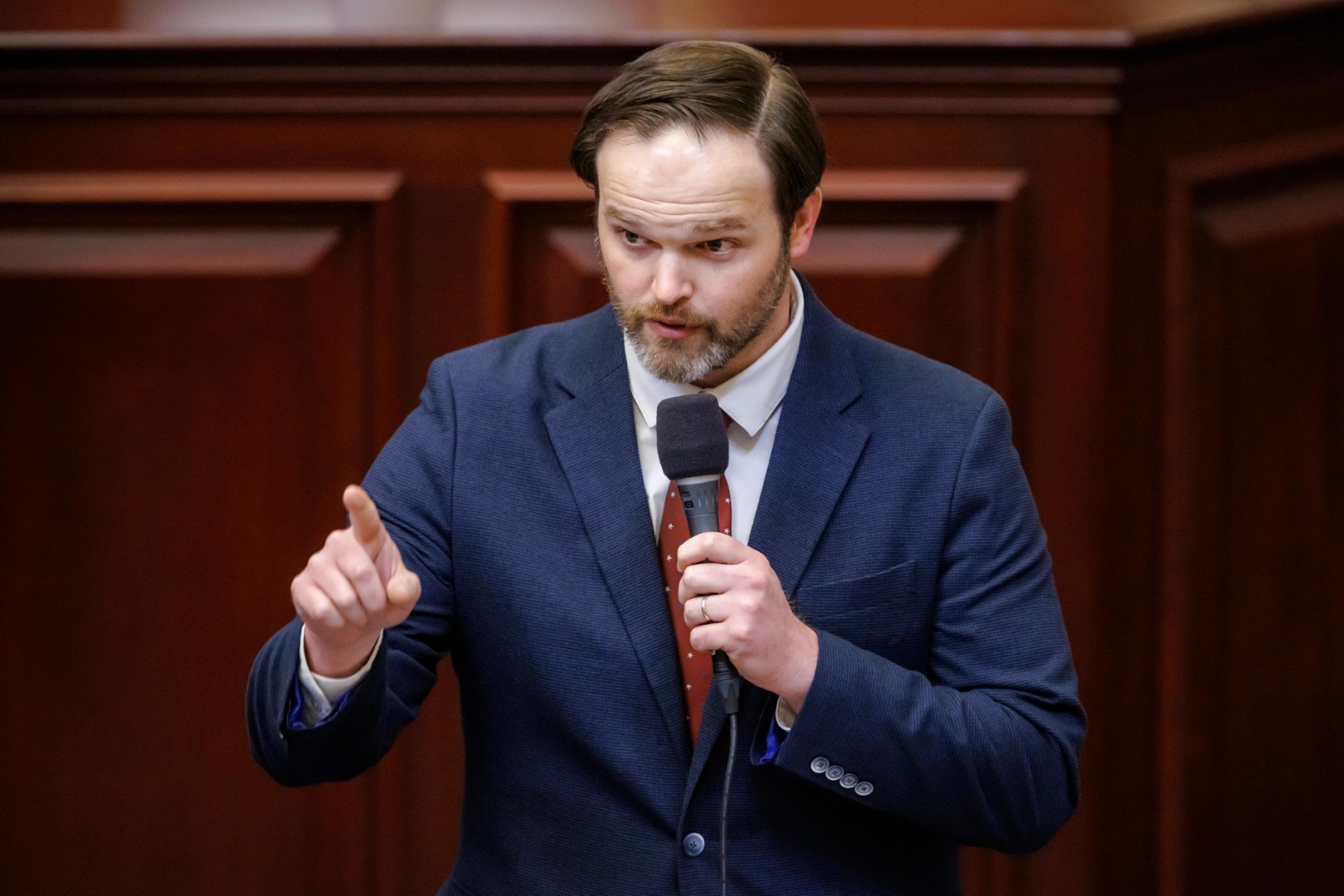
Journalists and members of the public waiting for their public records requests to be fulfilled will have to keep on waiting.
A bill meant to push government transparency and make it easier for people to obtain public records has died during the 2026 Legislative Session.
The House passed HB 437 with a 111-0 vote earlier this month, but the bill has been left in messages and the Senate companion bill never got called to a Committee hearing. Friday is Sine Die, although the House and Senate will return for a Special Session to finish negotiations on the spending plan.
“This bill sailed through four committees and the House floor with perfect bipartisan support. Republicans and Democrats alike recognized what we have been saying all along: this is good public policy that strengthens Floridians’ constitutional right to know,” said First Amendment Foundation Executive Director Bobby Block in a message to supporters after lobbying for the bill.
“The only explanation we can see is that Senate leadership is reluctant to move legislation the Governor might not favor. But appeasement should never come at the expense of Floridians’ constitutional rights.”
Rep. Alex Andrade, the bill sponsor who led the House Subcommittee last year probing the Hope Florida scandal, urged lawmakers to keep pushing for public record reform as he acknowledged during the House passage that his bill was going to stall in the Senate.
“I would ask as a point of personal privilege, somebody consider looking through it, working through the policy,” the term-limited Andrade said. “If you find it in your heart, maybe give up one of your bill slots next year to try and run it again.”
Andrade’s request came as the House lawmakers are touting their stronger role as a watchdog in the legislative process.
HB 437 proposed stronger penalties for government agencies that intentionally ghost public record requests.
Under the House bill, government agencies would have been required to respond within three days of receiving a public records request. The choices: release the records, explain why the agency needs more time to produce, or give a timeline when the records will be available.

If the government ignored the requester and didn’t respond within three days, that meant the government agency would be barred from charging any fees for the records.
Block warned that some people are waiting years to get their public records released and are often being completely ignored by local or state government agencies.
“For the last decade, at least, our public records bill regime has been in big trouble,” Block said during the Committee process as he called HB 437 “badly needed reform.”
“Once upon a time there was a tendency towards disclosure. Now, it seems to be that the default setting is ignore, delay, and deny.”
Andrade’s bill united unique bedfellows: House Republicans and House Democrats, First Amendment advocates and anti-abortion activists.
“Rep. Andrade, it took us eight years to find a bill that I can vote ‘yes’ on that’s yours,” quipped Rep. Anna Eskamani, an Orlando Democrat. “Truly, it’s a great piece of legislation.”
The public records bill wasn’t Andrade’s only piece of legislation that cleared the full House then failed to advance the Senate this Session.
A Hope Florida-inspired bill (HB 593) would have banned the state from directing money from a lawsuit settlement to a third party as a condition of the settlement.