
Politics
Bill to create autism ‘blue envelope’ program, require police training advances to Senate floor
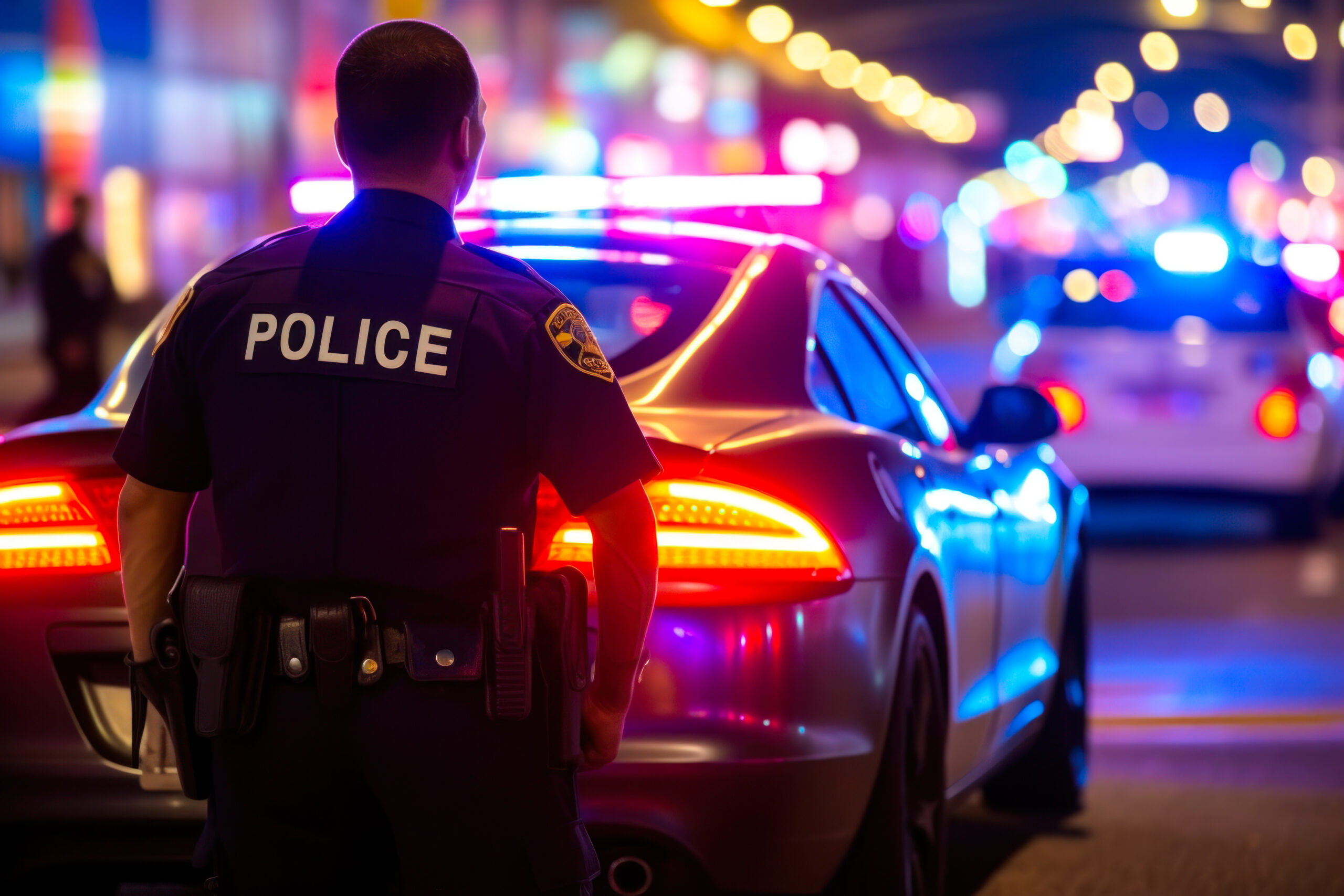
A bill to improve police communications with people on the autism spectrum during traffic stops and other motor vehicle-related interactions is now one vote from passing in the Senate.
Its estimated fiscal impact is relatively insignificant — $64,000 over four months, followed by general upkeep and updating costs, according to Senate staff — but its impact would be invaluable, supporters of the bill say.
Those supporters include every member of the Senate Fiscal Policy Committee, who voted unanimously for the measure (SB 418), and members of the two prior Committees through which the bill passed with no opposition.
Miami Gardens Democratic Sen. Shevrin Jones, the bill’s sponsor, said that’s because it’s a simple, commonsense proposal that will strengthen law enforcement preparedness, reduce misunderstandings and give families greater peace of mind as their sometimes vulnerable loved ones live more independently.
“Autism is often described as an invisible developmental disability, meaning it may not be immediately apparent that someone is autistic unless they choose to share that information. This is important, because autistic individuals live full and independent lives. They work, they drive and they participate in their communities just like anyone else,” he said.
“At the same time, some autistic individuals may experience differences in social communication, sensory processing or how they respond in unfamiliar or high-stress situations.”
According to the Centers for Disease Control and Prevention, there are an estimated 5.4 million adults with autism spectrum disorder (ASD) in the United States, which translates to roughly 2.2% of the overall population.
SB 418 would help Florida’s share of those individuals through the creation of a statewide “blue envelope” program similar to those in place or pending in more than a dozen other states, including Arkansas, Arizona, Connecticut, Massachusetts, New Jersey, Rhode Island and Virginia.
Under the program, the Department of Highway Safety and Motor Vehicles would develop and provide a blue envelope that holds a driver’s license, registration, proof of insurance, emergency contact information and identifies the person as having autism, along with communication guidelines for officers.
People with autism would be able to request the envelope through the Department or a Tax Collector’s Office. The program would not be mandatory.

SB 418 would also require the Criminal Justice Standards and Training Commission to develop mandatory instruction for police officers on interacting with individuals with ASD. That training would be incorporated into basic recruit training and continuing education, covering topics such as de-escalation techniques, interviewing methods, recognizing autism-related behaviors and safely locating missing individuals with autism.
“This training helps officers distinguish ASD-related behaviors from defiance or noncompliance and provides information on the safe designation and the blue envelope program,” Jones said. “Our officers are doing their best, and this bill provides additional tools to support them in those moments.”
Several public speakers voiced support Thursday for SB 418 and an identical House bill (HB 365) by Tampa Republican Rep. Susan Valdés that cleared the first of four Committees to which it was referred.
Maija Hahn, Vice President of REACT For Hope, said great strides have been made over the past three decades in understanding ASD, particularly about apraxia and other motor planning differences that affect nonspeaking and low-speaking people.
Many of those individuals understand language and know what is being asked of them. But their brains can struggle to translate intention into purposeful motor movements, especially under stress, leading them to act erratically — running, freezing or resisting without a conscious intent to do so.
“That is why training law enforcement and first responders is essential. When officers understand that loss of purposeful motor control can occur under stress, they can adjust their approach. They can slow the intention and interaction. They can reduce escalation. They can keep themselves safe while also protecting our vulnerable individuals,” she said.
“SB 418 is about education. It’s about equipping officers with knowledge that reflects current science, and it’s about preventing tragic misunderstandings before they happen.”
Susan Farris spoke of a family member with ASD who occasionally suffered violent outbursts. She was terrified to call the police, she said, for fear that he would be hurt. But one day, she ended up having to call them, and “it got scary.”
“They didn’t really know how to handle him,” she said. “He went to reach for his harmonica, and they put their hand on their gun. … I feel if we had more training, we could have earlier interventions because that intervention did lead to him getting help, and he’s much better today because of that help.”
Mandy Pinkley, an adult with ASD who works as a mental health advocate, said that while she has never received so much as a ticket, she nevertheless carries “a quiet concern” that if she ever found herself in a tense police situation, she might not respond as expected.
“That delay is not defiance; it’s neurological,” she said. “In that interaction with law enforcement, that distinction really matters.”
Representatives of the Florida Smart Justice Alliance and Southern Poverty Law Center also signaled support for the legislation.