
Politics
Bill to allow high school coaches to pay for athletes’ basic needs scores support in second Committee
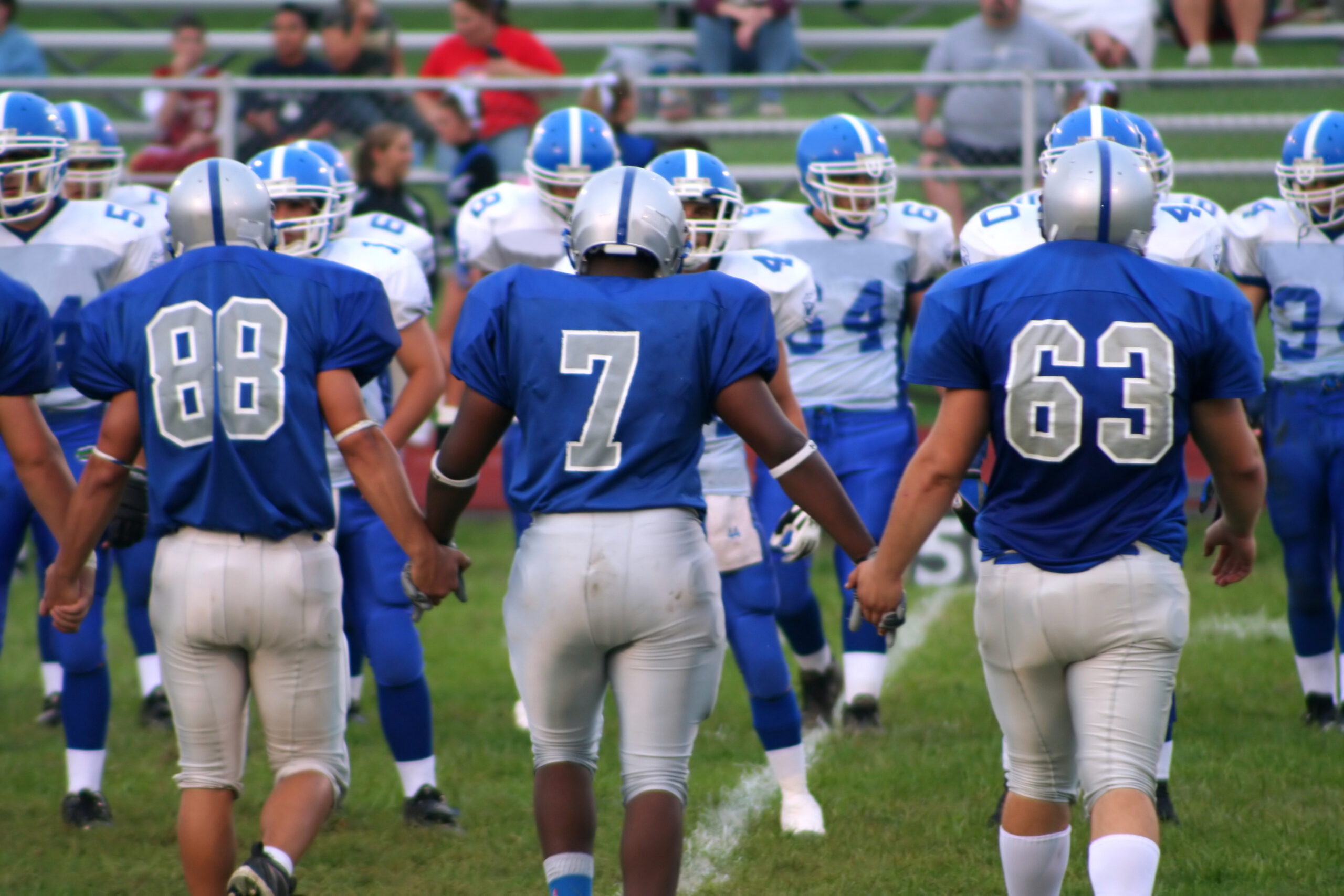
A second Senate Committee is advancing legislation that would prevent high school coaches from being punished for helping student athletes by paying for meals and other basic needs.
Sen. Shevrin Jones, a Miami Gardens Democrat, presented the bill (SB 178) to the Senate Judiciary Committee. It would require the Florida High School Athletic Association (FHSAA) to adopt bylaws allowing high school coaches to use personal funds to help student-athletes with basic needs like food, transportation and recovery services. Coaches would also be required to report such spending.
When reported and given in good faith, that spending would be presumed not to be an impermissible benefit under FHSAA rules. The FHSAA would determine whether any spending was done “in good faith.”
The Committee advanced the bill via a unanimous 10-0 vote. The panel approved an amendment that would limit the personal funds that a head coach can use to $15,000 per athletic team per year. No other coaches may use funds.
Jones said the amendment was designed to prevent a school booster from funneling large amounts of money to a coach to cover expenses.
“For those who have ever played sports before and have been mentored by a coach, you know how life-changing these coaches are,” Jones said. “A coach is their big brother, their father figure, or even sometimes a mother figure.”
The measure would also allow other athletic regulatory organizations to adopt similar bylaws.
Under current FHSAA bylaws, most financial or in-kind assistance from a coach can count as an impermissible benefit — a violation often associated with recruiting — even if the intent is to help a student with essentials. The idea is to prevent using money to entice recruits to join your program. But it is also barring well-meaning coaches from assisting players in need.
A high-profile example that highlighted this gap involved former NFL quarterback Teddy Bridgewater, who took a voluntary coaching job at Miami Northwestern Senior High School and used his own money to provide meals, rides and other support to players. After the team self-reported those acts, the FHSAA disciplined Bridgewater by suspending him for a season under impermissible-benefit rules.
Jones referenced the incident when speaking in the Committee on Tuesday.

“Senate Bill 178 is about preventing that kind of outcome moving forward,” Jones said. “It is intended to protect good, active coaches who are stepping up to support student-athletes, not to create loopholes for recruiting.”
That episode drew national attention and raised questions about whether the governing structure was too rigid. In response, the Senate Education Pre-K-12 Committee filed the legislation in October 2025, which Jones is leading, to carve out a legal space for coaches’ personal support of student-athletes that would not violate athletic association impermissible-benefit provisions.
Rep. Chip LaMarca filed a companion House bill (HB 1253) with similar aims. It has not yet been heard in either of its two assigned Committees.
If enacted, the legislation would take effect July 1.