
Politics
Bill creating teacher mentorship program heads to Senate floor after its House companion falters
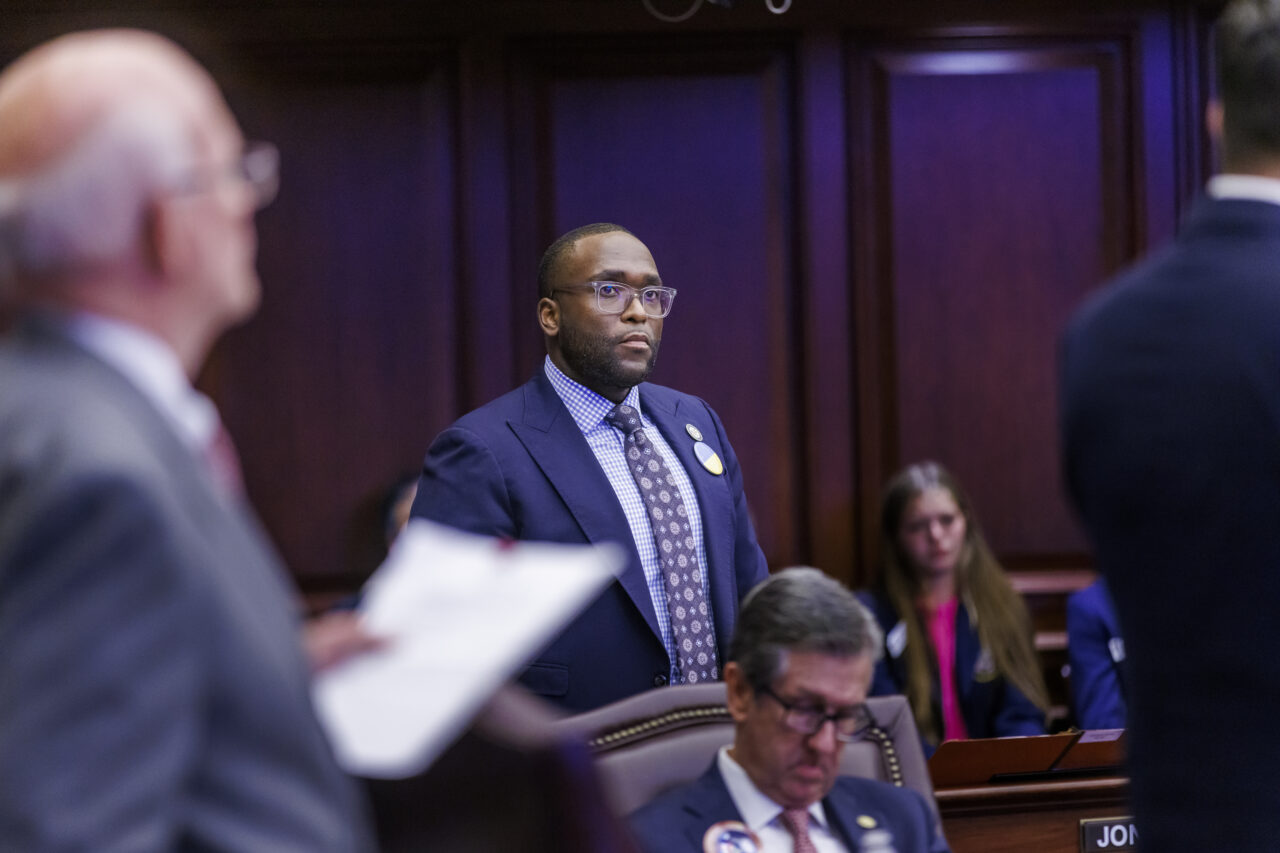
A bill to create a new teacher training and mentorship program for public and charter schools across Florida is now one vote from passing in the Legislature’s upper chamber.
The measure (SB 182), sponsored by Miami Gardens Democratic Sen. Shevrin Jones, cleared its final Committee hurdle this week — with unanimous support, the same as it got from two prior panels — and is now en route to the Senate floor.
But there’s a complication: Its House companion (HB 157) by Gainesville Democratic Rep. Yvonne Hinson faltered in its last Committee stop after clearing two prior hearings with only “yes” votes.
That narrows the path for the legislation to become law this year. More on that later.
SB 182, if passed, would create the “School Teacher Training and Mentorship Program” within the Florida Department of Education (FDOE). Under the program, School Districts, charter schools and charter management organizations could place experienced or retired classroom teachers in schools that received a “D” or “F” grade to serve as mentors for other teachers.
Those mentors would assist new teachers, teachers rated as “needs improvement,” “developing” or “unsatisfactory,” and educators identified by administrators as struggling with classroom management.
“The purpose of this program is to increase the effectiveness (and) implementation of best practices of classroom teachers and improve student achievement, classroom management and excellence in the state’s public and charter schools,” Jones told the Senate Fiscal Policy Committee on Monday.
“Mentors will serve as a neutral sounding board (for) the mentees and provide direction, demonstration and recommendations to help the mentees develop necessary skills and expertise.”
To qualify, mentors must have at least three years of teaching experience and have received a “highly effective” rating on their most recent performance evaluation. They would receive stipends of up to $3,000, and each mentoring relationship would last one grading period.
SB 182 would direct the FDOE to establish statewide program criteria and develop a standard contract outlining the responsibilities and goals for both mentors and mentees. Mentors would also be required to maintain confidentiality, focus solely on helping the mentee develop professional skills, and present historical information accurately if curriculum materials are used.

Funding for the program could come from the Educational Enrichment Allocation within the Florida Education Finance Program if funds are available, though using those funds may reduce money otherwise available to districts for other enrichment services.
The bill, which has support from Equal Ground Action Fund, would take effect July 1.
If SB 182 clears the Senate floor, the legislation has a few ways to become law without the House passing HB 157.
The simplest path is for the House to bring SB 182 to the floor by a two-thirds vote, after which members could vote on it, amend it or, in a rarer case, bring HB 157 to the floor and amend its language to match that of the Senate bill.
House lawmakers could also inject SB 182 or HB 157’s language into another moving bill, as it did last year with parts of an education package that passed and a tort reform-turned-phosphate mining bill that didn’t.
If neither of those potentialities occur and time runs out, lawmakers could pass similar legislation in a Special Session or a future Session.
The last day of Session is set for March 13.