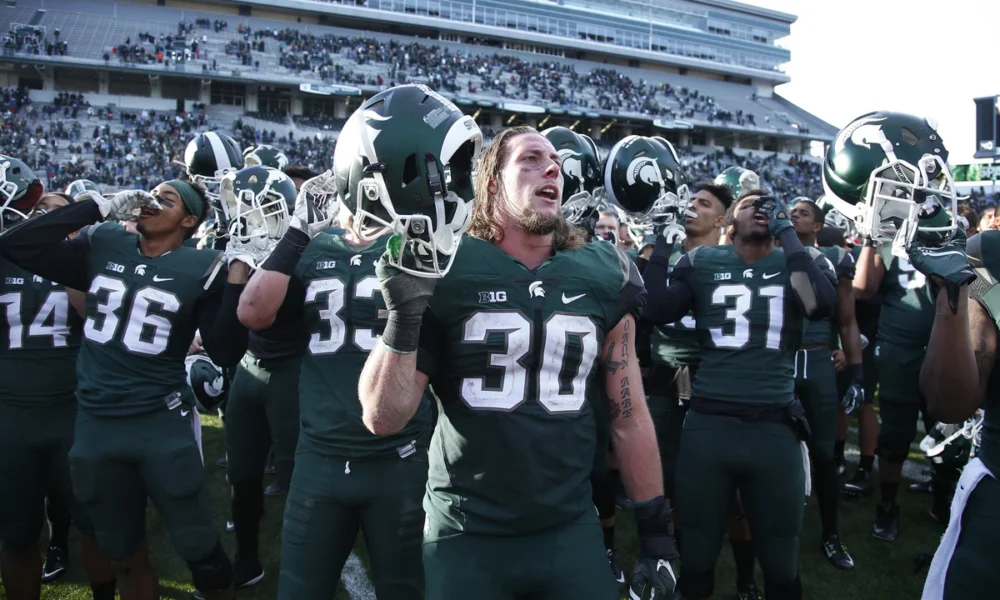
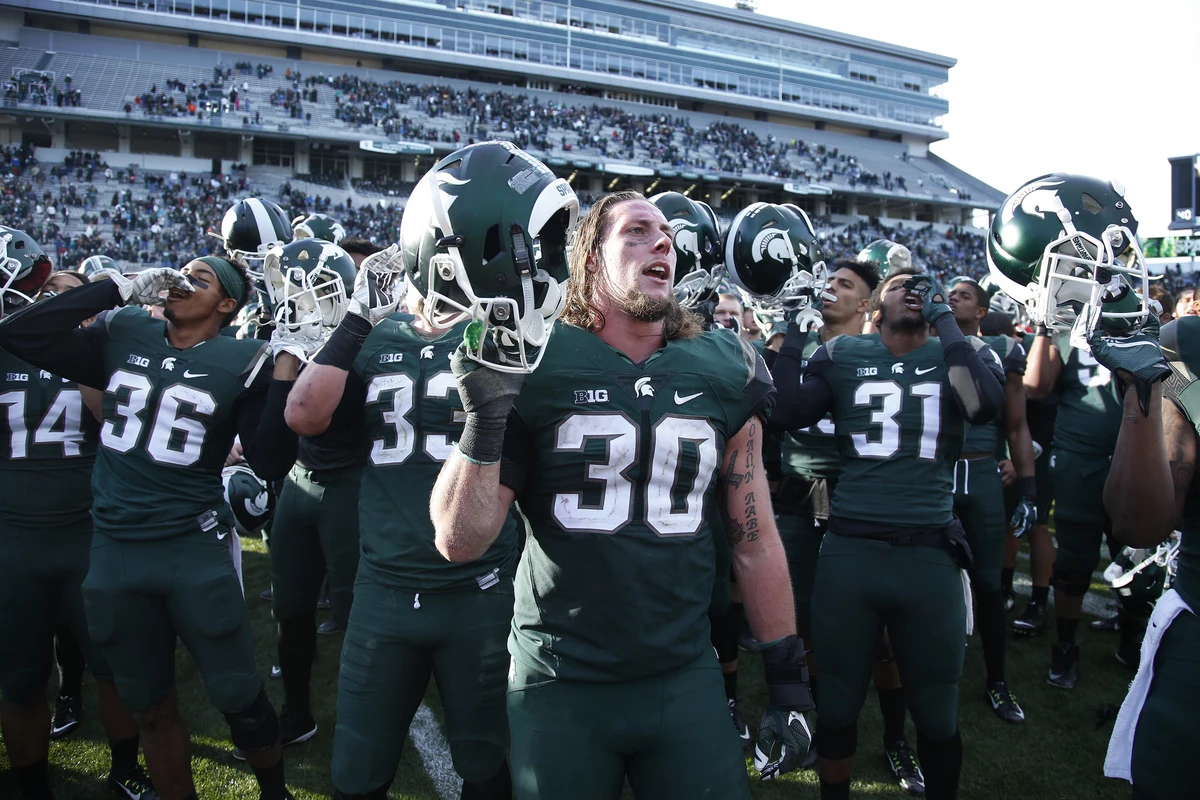
The Spartans are set to surprise some people in the Big Ten
Expansion Schools Faced Delayed or Reduced Revenue Shares
Since 2010, every Big Ten expansion member except USC and UCLA entered the conference under reduced or delayed revenue‑share terms. Only USC and UCLA received full media‑rights shares immediately. Nebraska, Maryland, Rutgers, Oregon, and Washington all accepted phased‑in payouts that protected existing members and stabilized long‑term conference finances. The Big Ten has consistently used this approach to manage expansion while maintaining predictable revenue distribution.
Nebraska’s Early Phase‑In
Nebraska joined the Big Ten in 2011 and entered under a three‑year revenue phase‑in. The Huskers did not receive a full share until the 2014–15 cycle. Their agreement set the template for how the conference would handle future expansion, offering competitive long‑term value without granting immediate financial parity.
Maryland and Rutgers Accepted Long Ramps
Maryland and Rutgers joined in 2014 and faced the steepest early phase‑ins. Maryland agreed to a six‑year runway that reached full distribution in 2020–21. Rutgers accepted a seven‑year plan that extended to 2021–22 and also took conference‑backed advance loans that further delayed its net revenue. Both schools entered during a period of rapid Big Ten financial growth, making the delayed payouts a significant concession.
USC and UCLA Entered With Full Shares
The 2024 additions of USC and UCLA marked the first time in the modern expansion era that incoming members received full media‑rights shares immediately. Their entry into the 2024–2030 contract reflected their national brand value and the strategic importance of the Los Angeles market. While they did not face reduced shares, they still entered under the same long‑term financial structure as the rest of the league.
Oregon and Washington Accepted the Deepest Discounts
Oregon and Washington joined alongside USC and UCLA but agreed to the most discounted revenue terms of any Big Ten newcomer. Both schools will receive roughly half of a full share through 2030, with increases tied to the next media‑rights cycle. Their reduced payouts helped secure Big Ten stability while giving both programs long‑term financial upside.
A Consistent Big Ten Strategy
Across all seven expansion schools, the Big Ten has maintained a clear approach: new members earn their way into full revenue status over time. The strategy protects existing payouts, ensures financial predictability, and reinforces the long‑term value of membership.