From grind to billionaire
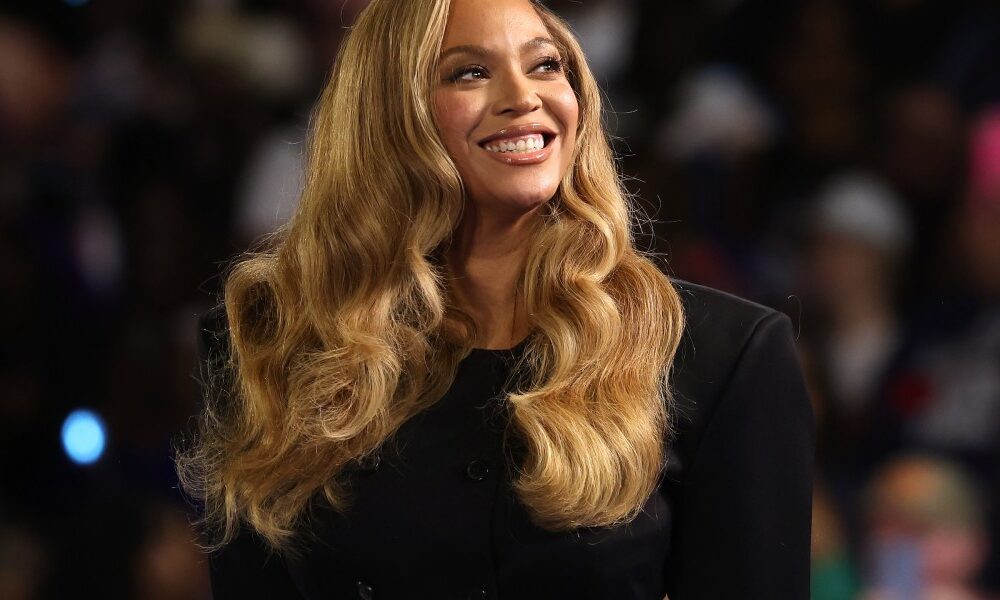
In late 2025, Beyoncé Knowles-Carter joined Forbes‘ billionaire ranks, becoming one of only a handful of musicians—alongside Jay-Z, Rihanna, Bruce Springsteen, and Taylor Swift—to cross the 10-figure threshold. Her wealth is built on stacked revenue streams: blockbuster tours like Renaissance and Cowboy Carter, high-margin merchandise, an owned catalog valued in the hundreds of millions, and Parkwood Entertainment, which lets her keep control of the products she creates.
That portfolio is the compound interest on two decades of disciplined reinvention—from Destiny’s Child to solo superstardom to entrepreneur—each chapter designed less around being everywhere and more around owning what matters most.
Her pivot: working smarter, not harder
Beyoncé has been candid that the early years of her career were defined by saying yes to almost everything: nonstop tours, red carpets, awards shows, and press that eventually led to insomnia, exhaustion, and deteriorating mental health. She has since told GQ in an interview that she draws a hard line: if a project doesn’t obsess her when she wakes up and follow her into her dreams at night, she passes—even if it is lucrative.
That philosophy extends to her calendar. She structures touring around her children’s school breaks and disappears from public events between major projects so she can recover, create, and be present at home. The result is fewer appearances, but each is bigger, more meticulously produced, and more profitable—culminating in tours grossing hundreds of millions and films that extend the earning life of each era.
What leaders can learn about burnout
Beyoncé’s shift mirrors a broader reckoning. In 2024, roughly 82% of knowledge workers surveyed across North America, Asia, and Europe reported at least some level of burnout, even as 88% also described themselves as highly engaged. That “burned out but locked in” paradox—employees simultaneously exhausted and deeply invested—creates a dangerous incentive to push hardest on the people already at their limit.
For HR leaders, the warning is clear: relying on a small cadre of “work horses” risks a toxic cycle where top performers quietly hit a wall and leave as soon as the job market improves. Beyoncé’s own playbook offers a lesson for business leaders: define the culture you actually want, clarify strategy, and invest in what you’re already good at instead of layering on more work for the same people.
The year of “no”
If the early Beyoncé era was about never saying no, today’s workforce is moving the other way. Roughly 65% of employees now feel empowered to decline additional responsibilities, with workers 25 and under the most likely to say no to extra tasks. That resistance is not laziness; survey respondents describe it as a survival strategy against chronic burnout, even as many still feel guilt when they set boundaries.
The most effective employers, research suggests, are those that normalize these boundaries by redesigning roles and workloads rather than glorifying the martyr who always says yes. Beyoncé’s refusal to trade her time for every opportunity—even when demand is virtually unlimited—is a high-profile version of the same move.
A billionaire blueprint for sustainable ambition
Taken together, Beyoncé’s trajectory and recent workplace data point to a new blueprint for high achievement:
- Own the leverage, not the hours. Beyoncé’s billionaire status flows from asset ownership—catalog, company, creative IP—rather than simply stacking more tour dates or endorsements. Workers and executives alike gain the most when they move away from performative busyness toward roles and projects where their unique skills compound over time.
- Make boundaries a performance strategy. Her choice to tour around her family’s schedule and to vanish between eras is not a luxury; it is why each launch lands as an event, not just another release. Fortune’s reporting shows that companies that build similar space—by empowering employees to say no, rebalancing workloads, and focusing on results rather than constant availability—are better positioned to retain engaged, high-performing talent in a tight labor market.
- Redefine what “hard work” looks like. Beyoncé has said she has already “worked harder than anyone” she knows—now the challenge is to work smarter. For ambitious professionals, that means trading the visible grind of late nights and endless emails for the less visible work of prioritization, creative focus, and long-term bets that, like hers, can eventually be measured not in hours logged, but in enduring value created.
For this story, Fortune journalists used generative AI as a research tool. An editor verified the accuracy of the information before publishing.