The luxury sector’s three-decade boom is over, according to Berenberg analysts whose downgrade of LVMH coincided with the stock’s biggest surge since 2001.
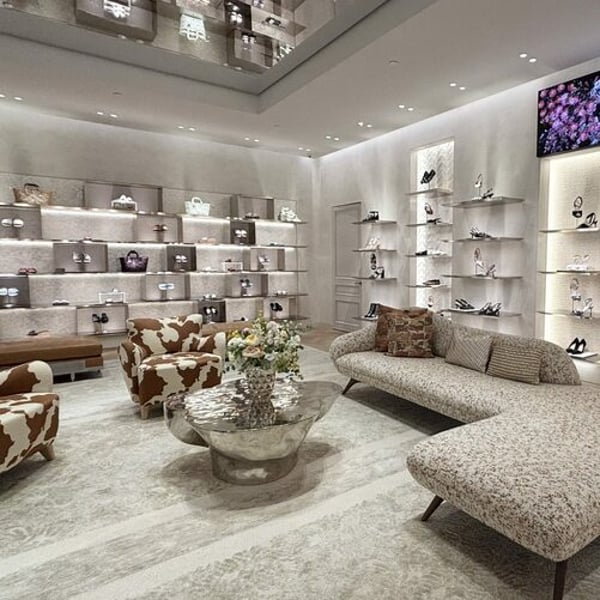
Inside the ‘House of Dior’ in Beverly Hills – FashionNetwork.com
“Luxury is at an inflexion point,” the team led by Nick Anderson wrote in a note on Wednesday, cutting LVMH to hold from buy and Gucci-owner Kering SA to sell from hold. “We believe that the industry faces a structural demand problem, and that after three decades the luxury supercycle is over.”
In contrast to more upbeat analysts, Anderson argued that the sector’s troubles aren’t just the result of supply-side factors.
He pointed to pressure in China, a squeeze on incomes among aspirational consumers and shifting habits among younger shoppers as factors that have reshaped the landscape since the “exceptional” 2010s — when the luxury boom was fuelled by surging Chinese demand and US spending. Berenberg expects demand growth of 2-3% per year in the medium term, compared to a historical norm of around 6%.
The call stands out in light of Wednesday’s gain for LVMH, when shares posted the biggest intraday jump since September 2001. The owner of Louis Vuitton and Christian Dior reported a return to sales growth, suggesting that a slump in luxury demand is easing, lifting shares of rivals including Kering. LVMH shares traded steady Thursday.
UBS Group AG raised its estimates on LVMH Thursday, upgrading the stock to buy and noting “momentum is back” following “thesis-changing” results. LVMH call option volumes spiked on earnings day to the highest in 16 years.
Following a turbulent first half, a gauge tracking the luxury sector has surged by about 20% in the past two months, as a relief rally took hold amid signs that the Trump administration’s tariffs have inflicted less damage than expected.
Still, that has pushed valuations to demanding levels and analysts have been mostly cautious when it comes to calling a recovery.
Anderson noted that he sees a divide between “absolute” luxury consumers, who are driven by wealth, and aspirational buyers driven by income. Berenberg’s positioning includes being short aspirational luxury exposure, long absolute and long sporting goods.
Aspirational consumers are “being squeezed” he said, citing the pressures of higher inflation, rising housing costs, uncertain tax burdens and fear of artificial intelligence-driven job losses. LVMH and Kering skew more toward aspirational consumers than some of their rivals, the analysts said.
While spending by Americans could potentially offset some of the Chinese weakness, “the short-term outlook is complex and uncertain,” said Anderson.
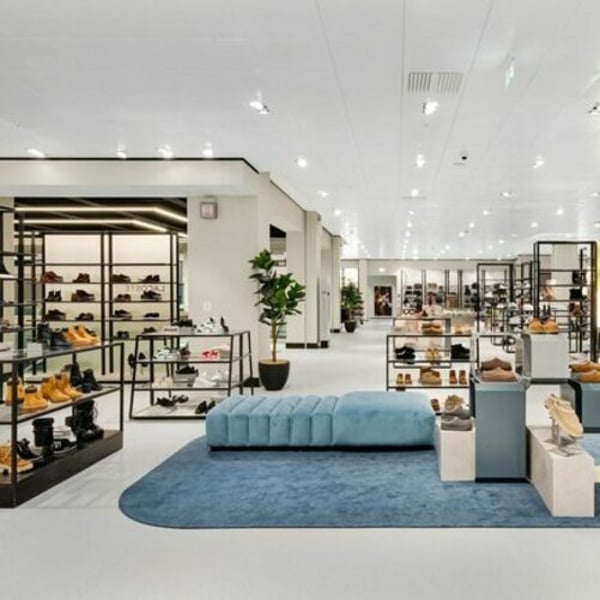
The newest ‘next-generation’ Frasers department store has opened at Queensgate Peterborough in the heart of the city.
Frasers Group
Spanning 60,000 sq ft across two floors, it brings together Frasers Group brands including Flannels, Sports Direct, USC, and Jack Wills under one roof.
The new destination “offers an elevated retail experience, providing access to the world’s most aspirational premium, lifestyle and sports brands”, across women’s, men’s, and kidswear, Frasers Group said.
It includes a dedicated 5,000 sq ft Flannels store, providing the Queensgate catchment “with the best in luxury and contemporary fashion, footwear, and accessories”.
This includes an extensive range of globally-recognised labels including Boss, Coach, Levi’s, Biba, Tommy Hilifger, Barbour, alongside sports brands under its Sports Direct banner, including Adidas, Nike, The North Face, Under Armour, New Balance, Everlast, Slazenger, Karrimor and USA Pro.
Ed Ginn, director of Investment Management for Queensgate operator Invesco Real Estate, said: “Frasers Group’s opening is the start of an exciting new chapter, and marks significant progress in our efforts to maintain Queensgate as a leading retail and leisure destination in the region and in the UK more widely.
“[The Frasers] addition… to the centre raises the bar for potential investment from brands to further enhance the shopping experience, as we continue to evolve Queensgate in a way that provides our catchment with everything they could need or want, in one place.”
Businessman Gerald Ratner has launched a surprise bid to buy the UK arm of the jewellery empire he famously trashed more than three decades ago after calling some products of his signature brand Ratners ‘total crap’.
Image: Ernest Jones
The businessman is seeking to acquire the British H Samuel and Ernest Jones chains from US-listed Signet Jewellers and install himself as chairman after he lost control of the businesses in the early 1990s, reported The Daily Telegraph.
Ratner has appealed to shareholders of the company as part of a bid to purchase the loss-making UK arm, which he said he has been “pursuing since the summer”.
The brands were once part of Ratners Group, the firm that he was forced to exit after he jokingly declared a few of its cheaper products were “total crap” in a speech at the Institute of Directors 30 years ago.
Ratner also remarked that some of the firm’s earrings were “cheaper than a prawn sandwich at Marks & Spencer – but I have to say, the sandwich will probably last longer than the earrings”.
The ensuing negative reaction from consumers and the wider business community gave rise to the phrase ‘to do a Ratner’ or destroy a valid business.
Ratner said he was attempting to acquire the UK division of Signet – which was formerly Ratners Group before it was rebranded – because he claimed its American owners were “doing everything wrong”.
The newspaper said that to launch his bid, Ratner has been in touch with Signet’s CEO. He’s understood to be backed by a consortium of primarily-British investors and has said they have the funds lined up.
He’s now launching an appeal directly to the company’s shareholders, who Ratner hopes should question why the US owners do not sell the loss-making division.
He told The Telegraph: “The reason we’re putting pressure on the shareholders is simply because of the fact that they’re doing so badly in the UK, they’re closing shops all the time and last year they sold their best shops.
“So we took the view that they’re not really interested in the UK. We approached them thinking that it’s in the interests of shareholders to just get rid of it.”
Signet is worth more than $3.7 billion (£2.8 billion) with a successful US operation but a loss-making UK division.
Frasers Group is reportedly considering a bid for failed business SilkFred as it continues to focus on acquiring brands that it sees as having growth potential or some unique properties in their business model that it can use in its wider operations.
SilkFred
SilkFred entered administration in October (although it was only officially announced last month) with Quantuma handling the process. The 15-year-old fashion company specialised in connecting womenswear designers and labels with consumers. Its particularly focus was occasionwear and unique pieces from indie brands.
News of Frasers’ (as-yet-unconfirmed) interest is hardly surprising. It continues to be one of the most acquisitive businesses in UK fashion. Only recently it has acquired both Braehead and Swindon Designer Outlet shopping destinations, a majority stake in luxury LA store The Webster, as well as adding to its already large ASOS stake (its 26% holding makes that company’s second-biggest shareholder).
The company hasn’t commented about SilkFred, although it would fit into its strategy of targeting younger consumers at a variety of price levels.
As mentioned, SilkFred went into administration this autumn, although here had been rumours of it struggling or a while.
Its most recent results covered 2023 and showed losses widening as sales fell as much as 46% to just £11.18 million.
Frasers, by contrast, is a giant of the retail sector with its half-year results up to the end of October showing revenue of £2.58 billion and retail trading profit of £411.4 million.