On a frozen Friday night in Manhattan, a line of eager party-goers snaked around the lobby of an unassuming office building and out the block, waiting to get into the hottest tech gathering of the new year (This reporter, transparently, was waylaid by new parenthood, but I received dispatches from some intrepid Fortune attendees.) Entrance was so coveted that many found themselves stymied in the frigid atrium, clutching their coats amid a one-in-one-out policy, with the organizers ultimately issuing refunds.
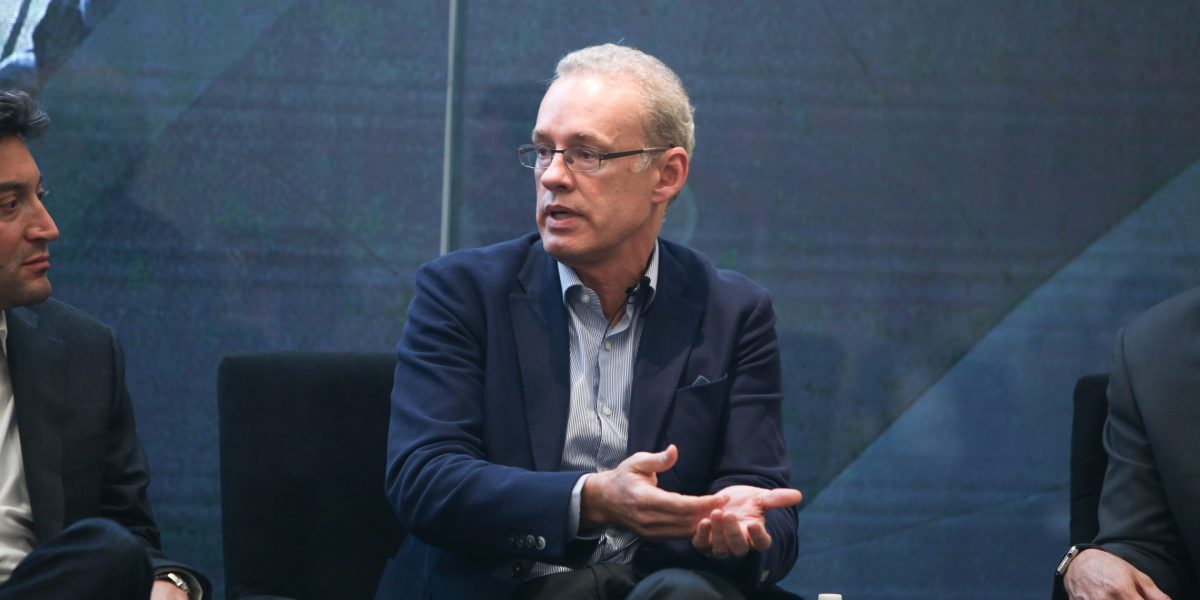
The event was not hosted by new tech royalty like the boys of TBPN, but instead by New York’s old guard: legendary figures including AlleyCorp’s Kevin Ryan and Union Square Ventures’ Fred Wilson, who in the 1990s had sought to build New York’s answer to Silicon Valley. Now, three decades later, they were celebrating the 30th anniversary of Silicon Alley, dubbed for the stretch of early startups in Manhattan’s Flatiron District, like Ryan’s DoubleClick (an ad tech pioneer that Google acquired in 2007 for $3.1 billion).
“Money follows entrepreneurs, not the other way around,” Ryan told me, recounting the difficult early days, when West Coast investors were hesitant to fund the nascent ecosystem. (All of them have, of course, since set up New York offices.) That began to change before the Dot-com bubble burst of 2000, with DoubleClick’s 1998 IPO of $60 million, at the time, seeming like a massive figure. Ryan recalls hosting a Willy Wonka-themed party the following year with a ballooning guest list that rivaled Friday’s, replete with a dance floor that had candy beneath it.
New York survived the bubble burst, as well as other calamities: the great financial crisis, the rise and fall of the consumer tech wave (Kickstarter, Foursquare), the retreat from the Covid fintech boom. For Laurel Touby, a Silicon Alley pillar who founded the community website Mediabistro before starting her own venture shop, New York might not have the trillion-dollar behemoths of Silicon Valley, but it has its crop of sturdy startups like MongoDB and Datadog that hover in the $50 billion range. “What we miss in terms of size, we make up for in terms of profitability and staying power,” she told me, pointing to Mediabistro being profitable from the start and staying alive despite being sold four times.
While thanks to the AI boom, San Francisco has undeniably regained its crown after many declared its premature death during the pandemic, New York’s advantage will always be its intersection with industry, from Wall Street to healthcare to the arts, christening startups like Ramp, Oscar, and Runway. “We’re not building a different version of the Valley,” said Julie Samuels, the founder and CEO of Tech:NYC. “We’re building New York tech.”
As Ryan put it, money follows entrepreneurs, and that’s what New York has in droves—at least, when people started to funnel into tech. “We just have the human talent,” he said. The downside, of course, is that the ever-snowballing community makes it difficult to get into a party.
One more thing…Though Fieldguide isn’t based in New York, its lead investor, Goldman Sachs, is. The AI-native accounting platform is announcing a $75 million Series C, valuing the company at $700 million, as founder Jin Chang aims to stave off the mounting CPA extinction crisis. You can read the exclusive here.
Leo Schwartz
X: @leomschwartz
Email: leo.schwartz@fortune.com
Submit a deal for the Term Sheet newsletter here.
Joey Abrams curated the deals section of today’s newsletter. Subscribe here.
This story was originally featured on Fortune.com
Source link