US President Donald Trump’s shock 39% tariff on Swiss-made imports to the US is pushing up prices for luxury watches. As some consumers seek to beat the levies by choosing used watches instead, second-hand values are inflating again. But there are still deals to be found on the secondary market if buyers are prepared to forego the best-known names and models for something a little less obvious.
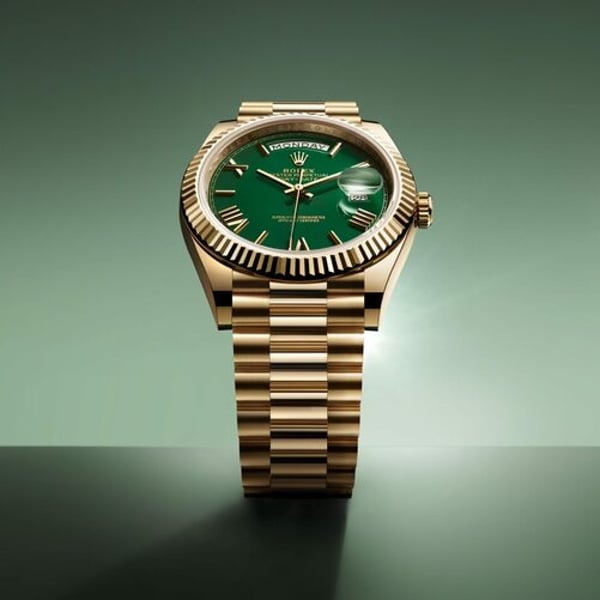
The luxury watch industry is feeling the effects of US tariffs – Rolex
Watches have been on a rollercoaster ride over the past five years. Interest exploded during the pandemic; with demand outstripping supply, waiting lists grew and many buyers turned to used timepiece, sending prices for popular models soaring. That all changed in spring 2022, when markets gyrated, cryptocurrencies collapsed and interest rates spiked, bursting the second hand market.
That downward trajectory has now ended, at least for the leading privately held brands. Secondary watch prices rose 1.5% in the three months to September 30, compared with the previous quarter, the first clear pick up in values since the first quarter of 2022, according to the latest report from Morgan Stanley and research platform WatchCharts.
The Bloomberg Subdial Index, which tracks prices for the 50 most-traded models , is up about 3.7% in the past six months measured in dollars.
To find out what’s driving the secondary gains, we need to look at the market for new watches. The punitive Swiss tariff rate is forcing brands to raise prices in America. Patek Philippe put through a 15% US hike in mid-September, while Cartier lifted most models by 10%. After two increases this year, Rolex has yet to announce any further escalation. But retailers and collectors are keeping a close eye on its next move.
So far, the blow has been softened by stockpiling. But these extra inventories will be exhausted by the end of the year, Oliver Muller, founder of industry advisory firm LuxeConsult, estimates.
Some wealthy customers scrambled to secure their watch of choice before the hikes came into effect. Others are trading down, say from a gold Rolex to gold and steel, or just steel. It helps that Rolex offers similar options in different metals. Waiting lists are still growing. Rolex is expected to make 1.2 million models this year, with just 72,000 produced by Patek Philippe and 51,000 at Audemars Piguet, according to Vontobel Wealth Management. But for Rolex, waiting lists are concentrated on the highly desirable sport models, such as the Daytona, Submariner and GMT-Master. Other buyers are turning to used timepieces to beat the tariffs. Consequently, Subdial has seen a surge in secondary market activity this year.
With more buyers, and the supply of used timepieces in the US largely limited to those already in the country, prices are stabilising.
Equity markets and cryptocurrencies melting up- at least until recently- and the jump in gold prices may also be playing a part. And just as meme stocks are back, so might a little horology speculation be taking place; the two-and-a-half-year slide in values had piqued the interest of some collectors, particularly for Rolex, Audemars Piguet and Patek Philippe. The big three, which account for about 60% of the secondary market, led the previous boom and bust. Patek Philippe and Rolex are at the forefront of this year’s nascent recovery too.
A clutch of names, such as Cie Financiere Richemont SA’s Cartier, Swatch AG’s Omega and LVMHMoet HennessyLouis Vuitton SE’s TAG Heuer also saw their secondary values increase in the third quarter, according to Morgan Stanley and WatchCharts. (Swatch saw the biggest lift thanks to its MoonSwatch, but these are lower priced models).
But many timepieces available on the secondary market still look attractive. Rolex is the only brand whose watches trade meaningfully above the retail price of new models with an average premium of 15.7%. And even here, around half of the models still being made trade above retail. (When watches are discontinued, as ranges are refreshed or limited editions reach their end, their values typically increase).
At Patek Philippe and Audemars Piguet, the majority of watches trading above retail are from the most-hyped lines, namely Nautilus and Aquanaut, and the Royal Oak, respectively. No other brand has more than a handful of models commanding secondary market premiums.
At Cartier, watches still in production are on average 31% cheaper than new versions. That’s tempting for buyers enticed by the brand, which is gaining in popularity. Average prices for Omega and IWC models on the secondary market are around 40% below retail. Little wonder the volume of transactions for these three brands have surged.
Another storied name gaining traction is Richemont’s Jaeger-LeCoultre. Yet prices declined by 5.2% in the third quarter, and most used models in the Reverso line, described by GQ magazine as the “It watch of 2025,” trade substantially below retail.
It’s not clear whether the momentum in the secondary market will last, but unless there’s relief on the Swiss tariff rate, prices for new watches are likely to escalate further. Anyone thinking of splashing their bonus on some serious wrist bling would be wise to take note.
Catimini: a name that resonates across France’s childrenswear market. And it is poised for a revival. On January 20, French baby and childrenswear specialist CWF announced the acquisition of Catimini.
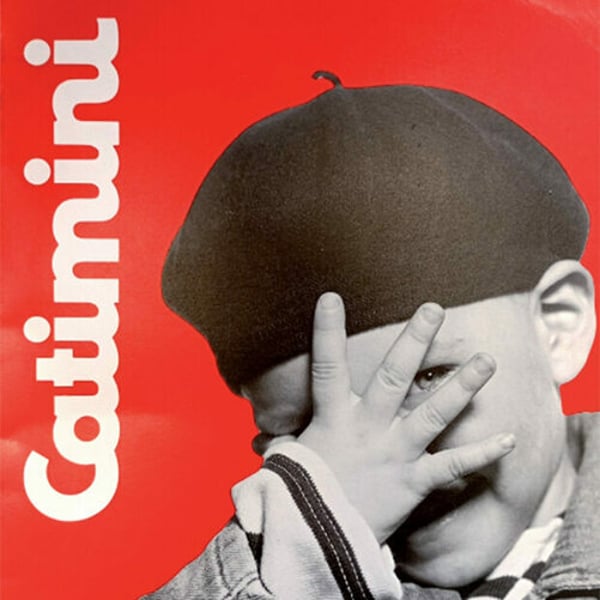
CWF takes over Catimini to position it in the premium segment – Catimini
After several turbulent seasons under the ID Kids umbrella, marked by a drastic reduction in its store network from 2023 and a suspension of operations in 2024, Catimini is changing hands. The northern French group had taken over Catimini, along with several other brands from the beleaguered Kidiliz group, in 2020 but failed to restore the brand’s profitability; despite 18 million euros in revenue (per filed accounts) in 2021 and 2022, it posted multi-million-euro losses.
In formalising the deal, without disclosing the amount, Children Worldwide Fashion said it had brought the brand’s founders, Paul and Monique Salmon, who launched the label in 1972, on board.
“Catimini was born of a free and creative vision of children’s fashion. Seeing it join CWF, in Vendée, where it took root, is an obvious choice. We share the same values of know-how, high standards and respect for the brand’s DNA, and I have no doubt about the teams’ ability to embody its codes, gestures and soul,” said Paul Salmon, who is supporting this handover, in a press release.
For CWF, the stakes are high: to restore the lustre of a house that has defined the creative wardrobe of generations of children, while integrating it into the logistical and commercial set-up that has enabled it to establish itself as a strong player on the global children’s luxury stage.
The Les Herbiers-based group built its reputation managing luxury licences (from Givenchy to Marc Jacobs and, more recently, Boss), and is now accelerating the development of its own brands. Alongside Billieblush, Catimini becomes its new in-house standard-bearer. Repositioned in the premium segment, the brand will draw on the group’s expertise as it seeks to reclaim its place in the market by reconnecting with the strongest elements of its DNA, with joyful, graphic fashion in which its signature red is set to play an important role.
CWF is also announcing a first collection for spring/summer 2027, comprising 150 styles for ages 2-14, including accessories, footwear and a gift offering for babies. This comprehensive proposition should quickly find its place within the Kids around network, the group’s multibrand concept, which already boasts 85 stores in 29 countries. The French market accounts for more than a third of the group’s revenue, with CWF Fashion reporting 210 million euros in 2024, according to filed accounts.
To mark this new chapter, CWF intends to make a statement. The group will unveil the first looks of this “new” Catimini on March 11, at a special catwalk show at the Palais de Tokyo in Paris. A deliberate choice of venue, as the site hosts numerous fashion shows during fashion weeks. A symbol of CWF’s determination to bring its premium expertise to Catimini across the board.
This article is an automatic translation. Click here to read the original article.
Nike Inc.’s top executive in Greater China, Angela Dong, is stepping down as the sportswear company looks to reverse a sales decline in the market.
Angela Dong – Nike
Dong will leave Nike on March 31, the company said in a statement. She’ll be replaced by Cathy Sparks who was previously leading the Asia Pacific and Latin America division. Nike also announced changes for the leadership of the Europe Middle East and Africa division.
The leadership changes suggest Nike is looking at a new strategy for Greater China. Chief Executive Officer Elliott Hill has recaptured some of Nike’s momentum since taking over, but China remains a key challenge, with sales plunging 17% in the latest quarter.
He said in December that China is “at the top” of the company’s list of priorities, and stressed the company needs to move faster.
Nike shares fell less than 1% in extended trading in New York. The stock fell 16% last year, the fourth consecutive annual decline.
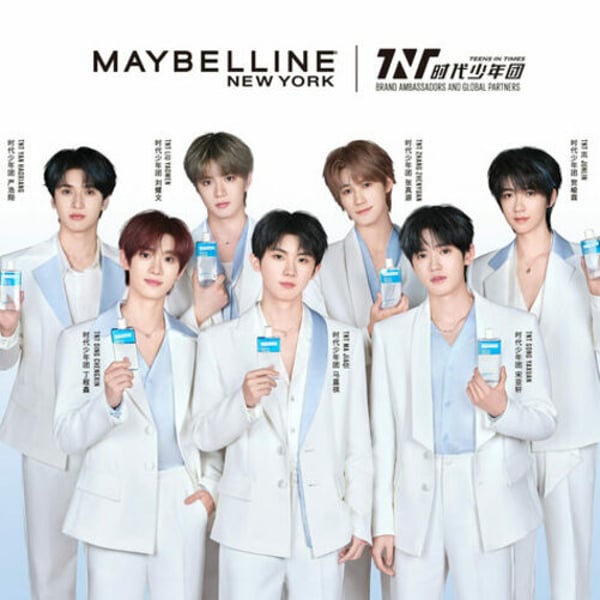
Maybelline New York has named Chinese boy group Teens in Times (TNT) as its newest brand ambassadors and global partners.
Maybelline names Teens in Times (TNT)asbrand ambassadors and global partners. – Maybelline New York
In this role, TNT will front upcoming campaigns in China while also participating in broader brand initiatives, underscoring the universal appeal of Maybelline New York’s hero product lines beyond regional markets.
The appointment comes as Maybelline New York continues to accelerate its digital-first, youth-focused strategy on a global scale.
By welcoming TNT into the brand’s ambassador roster, Maybelline aims to inspire a new generation of beauty consumers to embrace individuality through high-performance, trend-setting products.
“Known for their exceptional talent, relentless work ethic, and authentic connection with their audience, TNT embodies the core values of Maybelline New York: self-expression, confidence, and the courage to “make it happen,”” the cosmetics company said in a statement.






 Politics8 years ago