Anthony Joshua Demolishes Jake Paul Inside Six Rounds
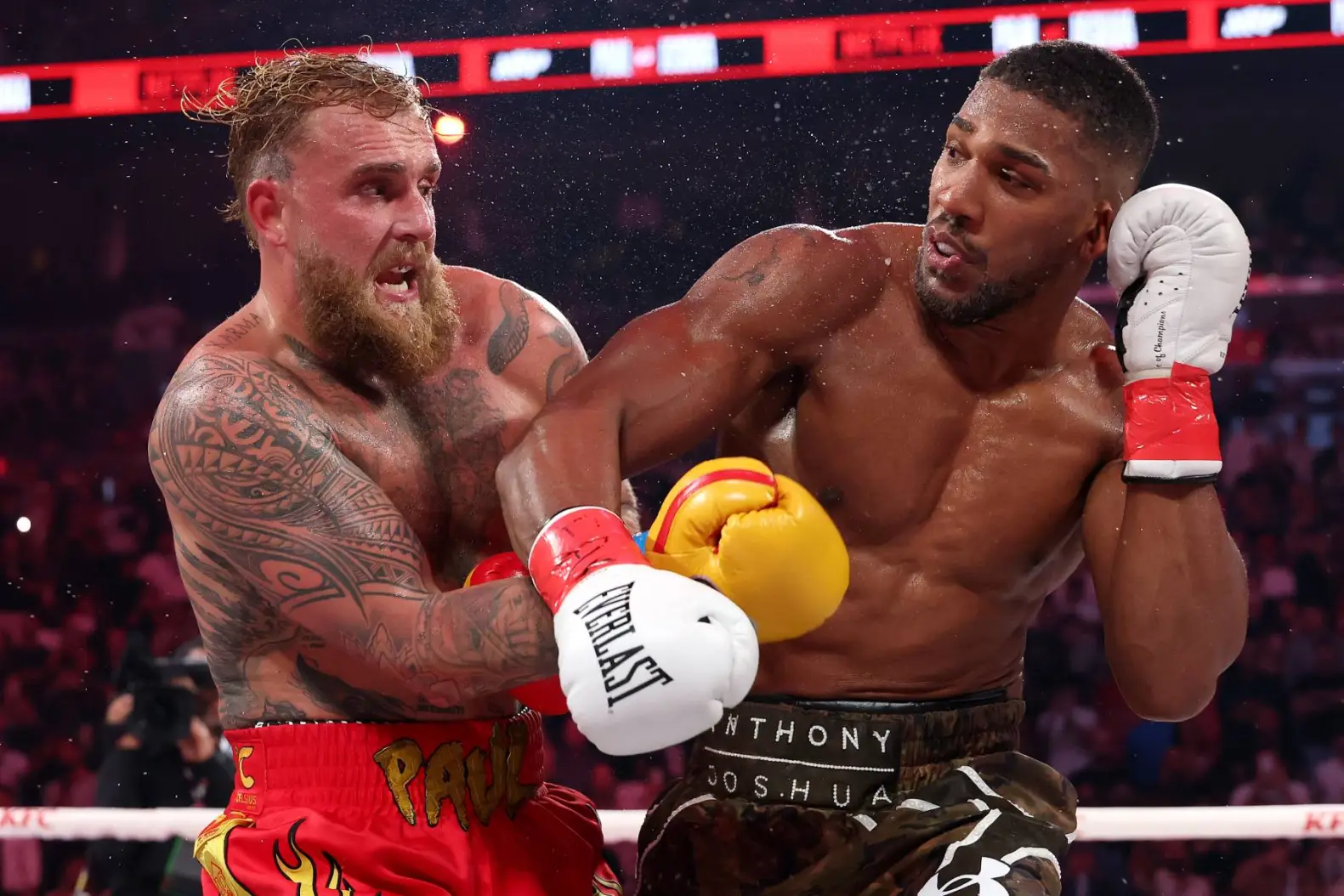
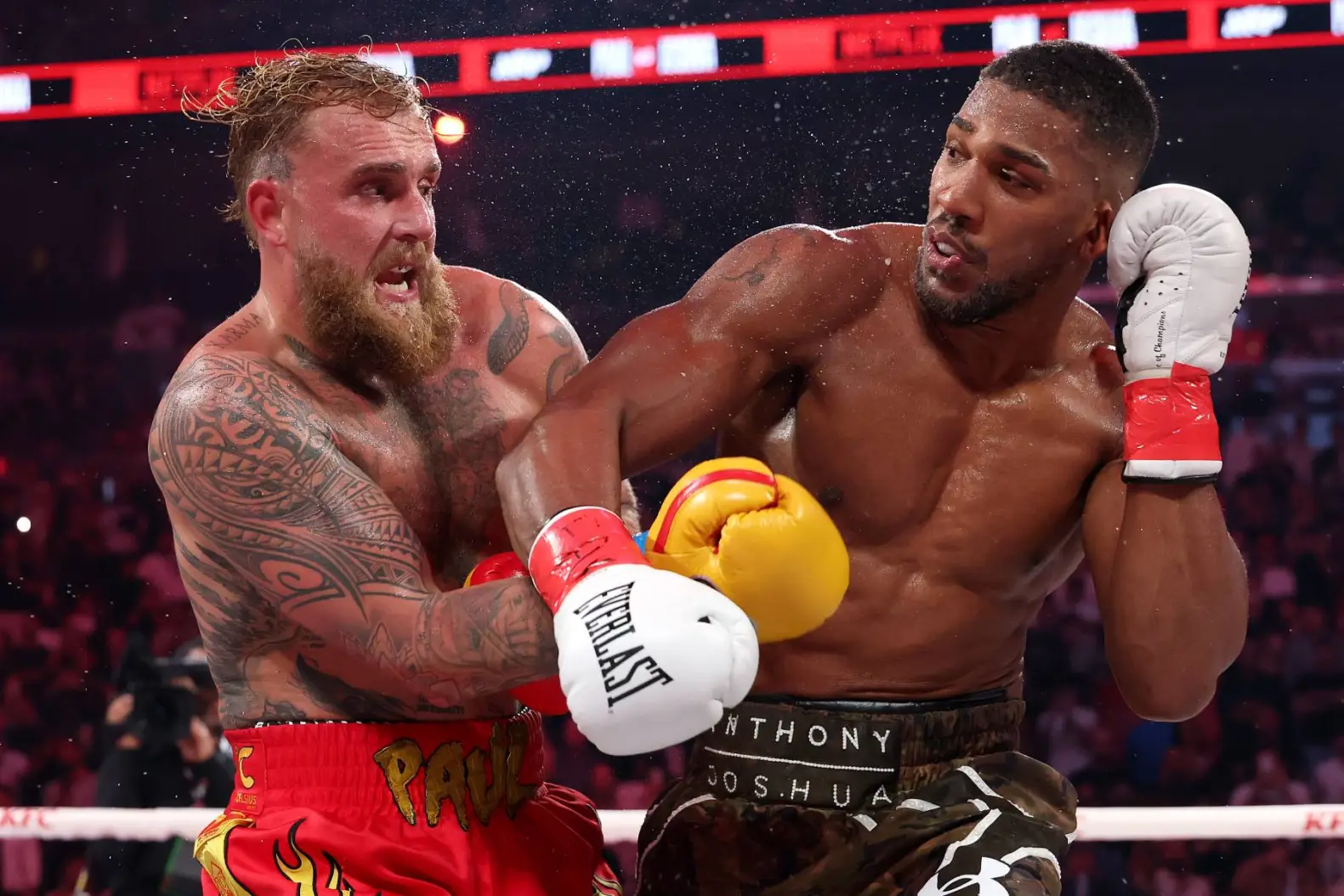
Anthony Joshua knocked out Jake Paul in round six after delivering a dominant and increasingly punishing performance that ended the much discussed crossover bout in emphatic fashion.
The former two time heavyweight champion sent shockwaves through the boxing world back in November when he announced a surprise fight with Paul, the former YouTube and Disney star turned prizefighter. From the moment the bout became official, Joshua entered as a heavy favorite due to his size, skill set, and elite level experience.
A Tactical Opening With Early Resistance
The fight began cautiously. Joshua applied steady pressure and stalked forward, while Paul clearly aimed to stay on the outside, pick his moments, and clinch when necessary. The opening two rounds saw Joshua throwing with intent while Paul relied on movement and evasive tactics.
Despite spending much of the time on the defensive, Paul found limited success early. According to official Compubox statistics, he landed the same number of punches as Joshua in round one despite throwing far fewer shots.
Joshua Turns Up the Pressure
Paul showed brief signs of resistance in the third round when he snapped Joshua’s head back with a sharp jab. That moment did little to shift momentum. Joshua continued to press forward and break Paul down with sustained pressure and heavier shots.
Compubox numbers highlighted the growing gap. Joshua threw 25 punches in round three, five times more than Paul, signaling the beginning of the end.
Knockdowns Begin to Pile Up
By the fourth round, Joshua’s pressure started to visibly affect Paul. The American’s legs began to falter as he struggled to handle the physicality. Paul hit the canvas twice in the fourth round following messy clinch exchanges.
The former champ fully found his rhythm in round five. A clean uppercut dropped Paul early, followed by a heavy left hand that sent him down again. Late in the round, a sharp one two combination produced yet another knockdown, leaving Paul badly hurt and running out of answers.
The Finish in Round Six
Joshua opened the sixth round aggressively. Nearly every punch landed, including a four punch combination capped by a looping uppercut that snapped Paul’s head back.
Moments later, Joshua delivered the decisive blow. A brutal right hand straight to the jaw ended the fight halfway through the round, leaving Paul unable to continue.
Post Fight Reactions and What Comes Next for Joshua and Paul
After the stoppage, Joshua praised Paul’s courage for stepping into the ring and called out Tyson Fury for a potential showdown in 2026. Paul later confirmed plans to undergo surgery on his broken jaw and expressed interest in returning to the ring midway through 2026.
The fight closed the chapter on one of boxing’s most polarizing matchups, with Joshua reminding the world of the difference between elite championship pedigree and ambition alone.
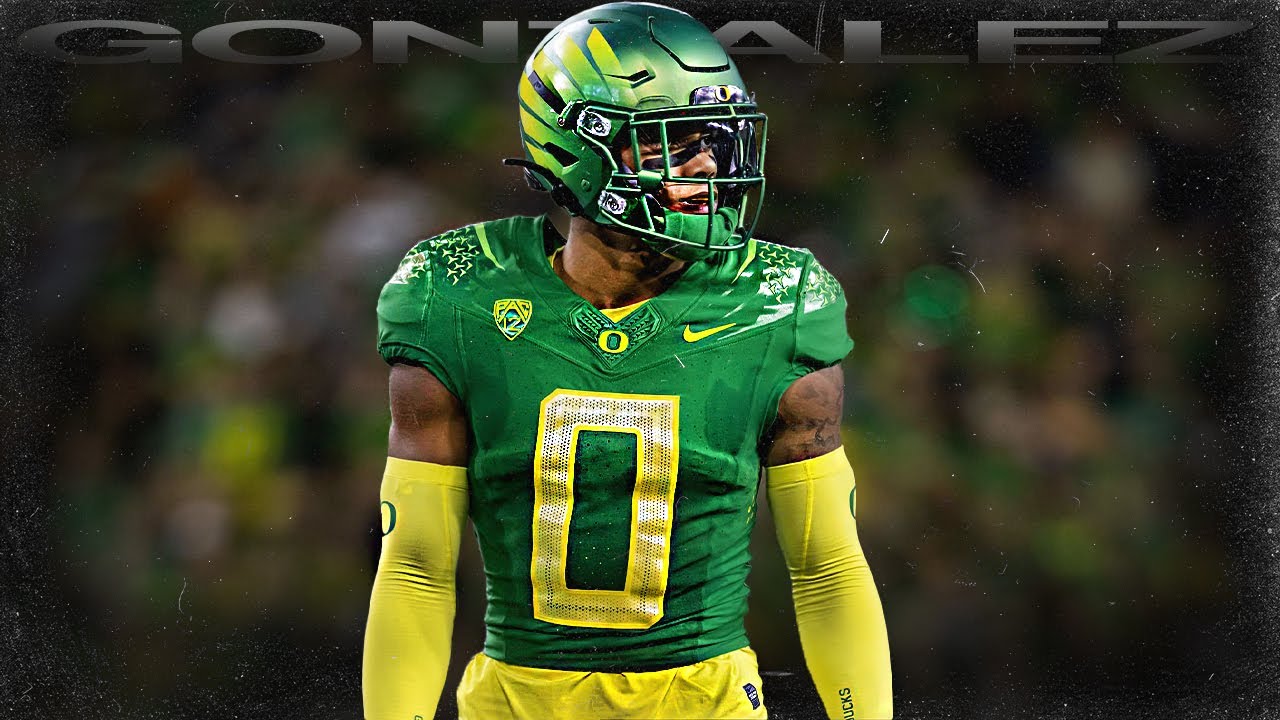
Alabama, Miami, Ole Miss and Oregon each punched their ticket to the College Football Playoff quarterfinals with statement victories across a dramatic opening weekend. Alabama mounted a stunning 17‑point comeback to defeat Oklahoma 34–24 behind Ty Simpson’s two touchdown passes. Miami delivered the weekend’s biggest upset, grinding out a 10–3 defensive slugfest against Texas A&M, sealed by Bryce Fitzgerald’s end‑zone interception in the final 24 seconds. Ole Miss rolled past Tulane 41–10, powered by quarterback Trinidad Chambliss’ 300‑plus yards of total offense and three touchdowns. Oregon closed the night with a 51–34 offensive showcase against James Madison, jumping out to a massive first‑half lead behind Dante Moore’s 313 yards and four touchdowns.
Their Next Matchups in the CFP Quarterfinal Picture
The wins set up four compelling quarterfinal matchups as the field shrinks from 12 to eight. Alabama advances to face No. 1 Indiana in a showdown that pits the Crimson Tide’s resilience against one of the nation’s most complete teams. Miami moves on to meet No. 2 Ohio State on New Year’s Eve, a matchup that will test the Hurricanes’ defense against one of the country’s most explosive offenses. Ole Miss draws No. 3 Georgia, a heavyweight clash between a surging Rebels squad and a Bulldogs team fresh off a first‑round bye. Oregon heads to No. 4 Texas Tech, bringing one of the nation’s most dynamic offenses into a quarterfinal that promises fireworks.
Closing Thoughts on the Playoff Picture
With four blue‑bloods and rising powers advancing, the College Football Playoff picture is tightening into one of the most compelling brackets in recent memory. Alabama’s comeback, Miami’s upset, and the dominant performances from Ole Miss and Oregon have reshaped expectations heading into the quarterfinals. The path to Miami and the national championship stage now runs through a gauntlet of elite defenses, high‑powered offenses, and coaching staffs under immense pressure. One round down — and the drama is only beginning.
Baker Mayfield started out the season as a dark horse MVP candidate, pulling out miraculous game-winning drives and leading the Bucs to a 6-2 start.
Now?
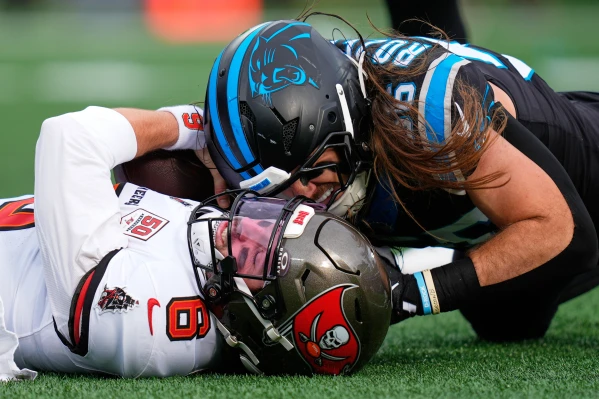
He and his teammates are playing their head coach out of a job as they fall to under .500 for the year at 7-8 following a loss to the now-division-leading Carolina Panthers.
While there’s still a path to Tampa Bay making the playoffs by winning the certified worst division in football, Sunday’s performance emphasized the likely futility of that thinking, both in terms of the Bucs accomplishing it or it even being worth watching this team in a playoff game.
Mayfield put forth another pedestrian performance punctuated by a game-ending pick with a chance for yet another one of those Baker comebacks.
The run game was painfully bad, as star back Bucky Irving struggled to the tune of 3.7 yards per carry in the afternoon.
None of the Bucs’ “star-studded” wideouts managed over 40 yards receiving, with veteran Mike Evans failing to link up with Mayfield in any meaningful manner.
Evans hauled in a touchdown but was otherwise an ineffective course of action, with 5 total catches for 31 yards on 9 targets.
The defense was again just bad enough to lose without being spectacularly awful, as they failed to force any turnovers but also held the Panthers to just under 300 yards of total offense.
Chase McLaughlin at least went 2/2 on field goals with a 50 yarder mixed in to boot (no pun intended).
The Bucs take on the struggling Miami Dolphins next week, as the ‘Phins benched starting QB Tua Tagovailoa this week in favor of rookie Quinn Ewers.
The results were about as expected, with Miami getting trounced by the Bengals Sunday afternoon.
But never count out the Pewter Pirates to snatch defeat from the jaws of victory; they’ve done so against much worse competition.
The continued calls for Todd Bowles’ head only grow louder as this team continues to flounder away on the ship deck.
While probably not the most epic collapse in NFL history (hey, the sport has had some gnarly ones), this would absolutely go down as the biggest fall off in Bucs history.
Fitting for the team to do so on the 50th anniversary of the organization’s existence.
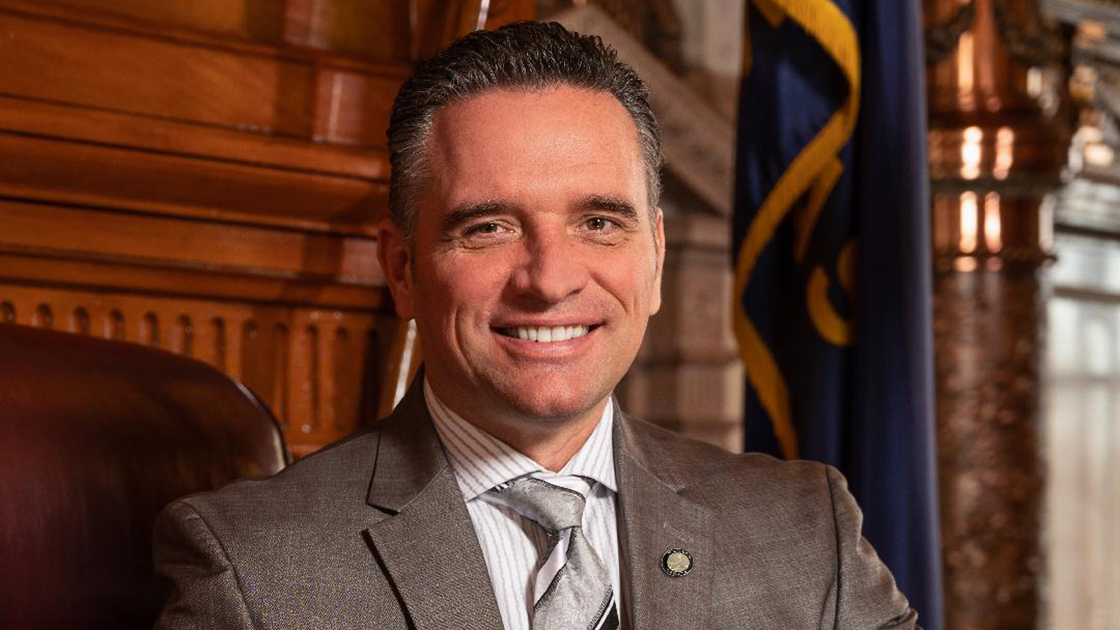
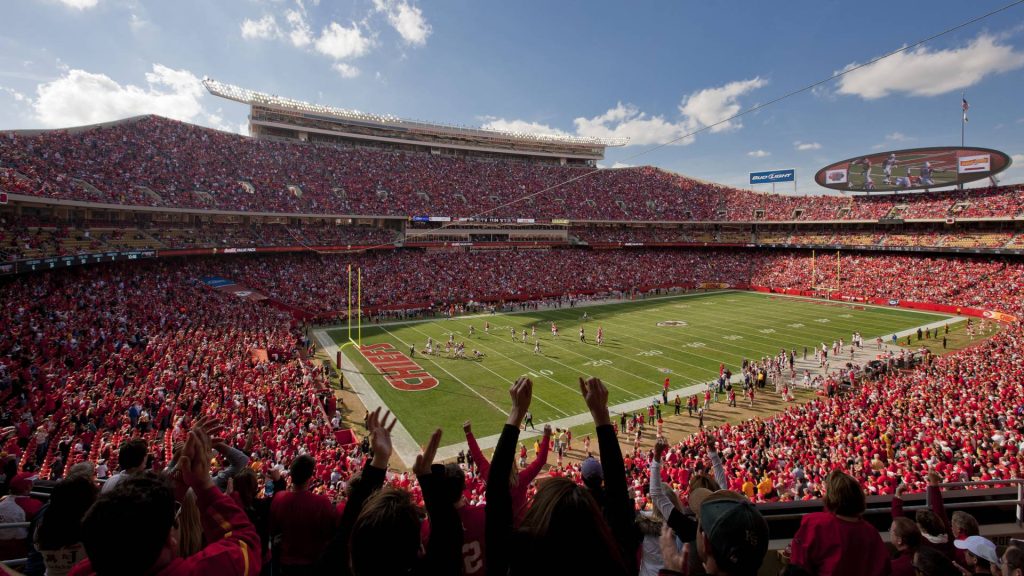
The clock is ticking in Kansas for the owner of the National Football League’s Kansas City Chiefs franchise, Clark Hunt, and the owner of Major League Baseball’s Kansas City Royals franchise, John Sherman, to accept funding from the state to build a football venue and a baseball stadium. The deadline is December 31st. But there could be some movement in Kansas three days before Christmas. The Kansas Legislative Coordinating Council is meeting to discuss giving money to Clark for a Chiefs’ venue and while Sherman is not involved in this session, there seems to be a feeling among Kansas politicians that Sherman has decided to move his operation from Missouri to Kansas. So much so that Kansas Senate President Ty Masterson thinks that a deal is nearly done. “Senate President Masterson believes the Kansas City Royals are fully committed to Kansas, which fulfills their obligation regarding the advanced timeline given from the LCC,” a spokesperson said.
The problem began in April 2024 when Jackson County, Missouri voters said no to extending a sales tax that would have funded a Royals’ downtown stadium and a renovation of Hunt’s Chiefs’ football venue. Kansas lawmakers approved a proposal that would see STAR bonds used to help pay 75% of the cost of building two stadiums in Kansas. Additionally, sports gambling and lottery gaming and sales tax revenue from businesses in the stadium development districts would cover bond debt. Another source of revenue to pay off the debt would come from a liquor tax. Kansas lawmakers could use a mechanism that would allow up to 100% of sales tax revenue on alcoholic liquor sales within a stadium district to pay off bonds for the structures. Missouri leaders don’t think there is a done stadium deal in Kansas. They can use the Missouri born Yogi Berra’s quote to prove their point. It ain’t over til it’s over.