
Politics
Another 58 lawmakers endorse Blaise Ingoglia in campaign for full term as CFO
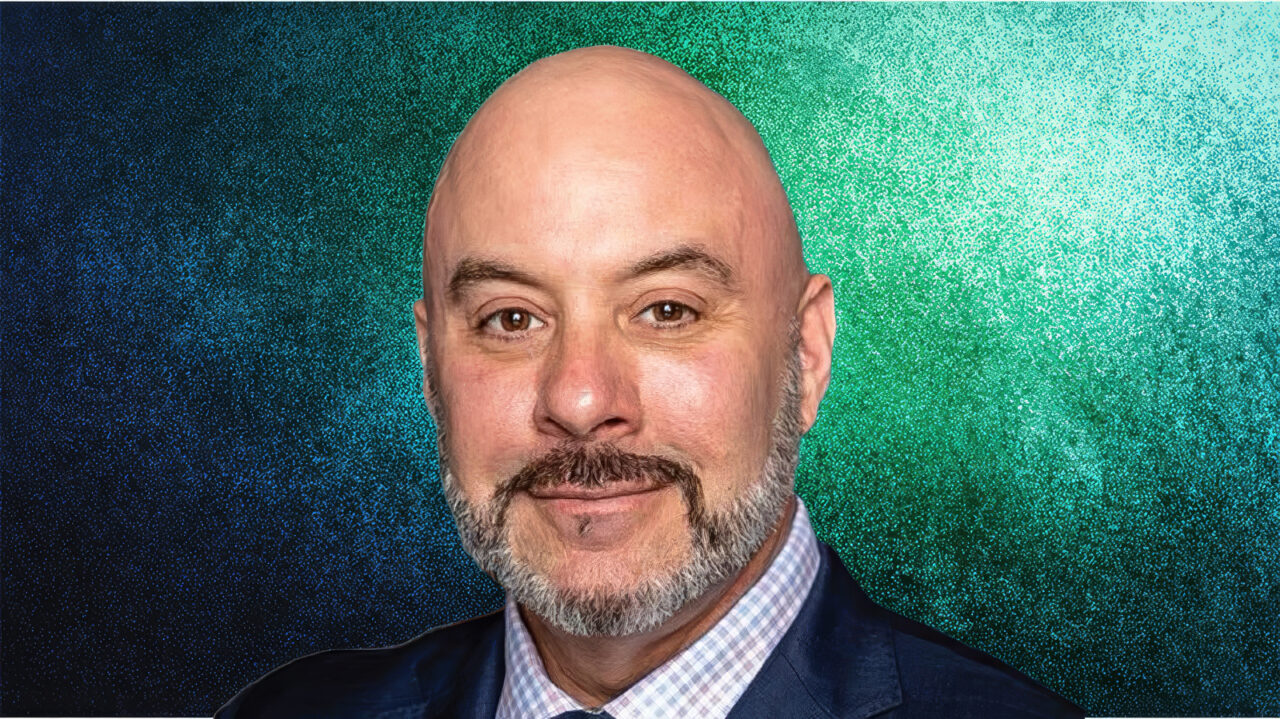
Most Republicans in the Legislature are lining up behind Chief Financial Officer Blaise Ingoglia’s campaign for a full term.
The Spring Hill Republican just picked up the support of 58 lawmakers. That grows his list of endorsements to include 72 sitting and recent lawmakers, including 16 Senators, 53 Representatives, one incoming Representative and two other state lawmakers who just vacated seats for other public positions.
“Floridians deserve a CFO who is laser-focused on protecting every dollar of the people’s money,” Ingoglia said. “I’m humbled by the support of dedicated legislators from across our amazing state. I had the privilege of serving with them in the House and the Senate to champion conservative values. Together, we will continue to safeguard Florida’s future, deliver tax reform, and ensure transparency and accountability in government.”
Ingoglia, who served in the Senate before Gov. Ron DeSantis appointed him to his Cabinet post in July, secured endorsements from Sens. Don Gaetz, a Crestview Republican, and Jason Brodeur, a Sanford Republican.
“My friend and former Senate colleague Blaise Ingoglia has always been fearless in his leadership,” said Brodeur, the Senate President Pro Tempore. “He has demonstrated an unwavering commitment to smart and transparent government, fueled by efficiency and accountability to make Florida work for all families. I stand with Blaise as the leader that will keep the Sunshine State fearless as our CFO.”
Added Gaetz, a former Senate President, “For almost two decades, Blaise Ingoglia has been shining a light on overspending in government and protecting the taxpayers. Florida deserves unapologetic leadership like his. I endorse Blaise for Florida Chief Financial Officer — the man who will keep government honest, insurance markets fair, and protect taxpayer dollars.”
The list of Senators endorsing Ingoglia includes Bryan Ávila; Jennifer Bradley; Brodeur; Nick DiCeglie; Gaetz; Ed Hooper; Tom Leek; Jonathan Martin; Ralph Massullo; Debbie Mayfield; Stan McClain; Ana Rodriguez; Corey Simon; Keith Truenow; Tom Wright; and Clay Yarborough.
Other prominent lawmakers who just joined Ingoglia’s team include Reps. Demi Busatta, a Coral Gables Republican, Mike Redondo, a Miami Republican, and John Snyder, a Stuart Republican.
“I am proud to support Blaise Ingoglia for Florida CFO,” said Redondo, who is in line for House Speaker in 2030. “True to his conservative values, Blaise has always fought for taxpayers and supported our great men and women in law enforcement. If you want leadership that keeps Florida affordable, safe and accountable to the people, we’ve got that in Blaise.”
“In a time when fiscal discipline and accountability matter more than ever, Blaise Ingoglia has been a steadfast advocate for the Florida taxpayer. His clear vision for Florida’s financial future earns my full support, and I’m confident he will continue delivering responsible leadership for all Floridians,” Busatta said.

Snyder added, “The job of Chief Financial Officer of Florida demands someone who will fight for all Floridians, and that is why I proudly endorse Blaise Ingoglia. Since Day #1 in public service, Blaise has been a catalyst for conservative principles. He has fought for fiscal discipline and government efficiency. Blaise has the experience and the no-nonsense approach to getting it done.”
Representatives endorsing Ingoglia include Shane Abbott; Jon Albert; Danny Alvarez; Adam Anderson; Alex Andrade; Doug Bankson; Webster Barnaby; Yvette Benarroch; Omar Blanco; David Borrero; Robert Brackett; Chuck Brannan; James Buchanan; Busatta; Ryan Chamberlin; Linda Chaney; Nan Cobb; Bill Conerly; Tom Fabricio; Richard Gentry; Anne Gerwig; Mike Giallombardo; Peggy Gossett-Seidman; Griff Griffitts; J.J. Grow; Brian Hodgers; Jeff Holcomb; Berny Jacques; Chad Johnson; Chip LaMarca; Fiona McFarland; Kiyan Michael; Monique Miller; Jim Mooney; Danny Nix; Toby Overdorf; Michael Owen; Rachel Plakon; Redondo; Alex Rizo; Will Robinson; Michelle Salzman; Judson Sapp; Jason Shoaf; Tyler Sirois; David Smith; Snyder; Paula Stark; Dana Trabulsy; Chase Tramont; Kaylee Tuck; Taylor Yarkosky; and Brad Yeager.
Additionally, former Reps. John Temple, who just became President of Lake-Sumter State College, and Vicki Lopez, now a Miami-Dade County Commissioner, also endorsed Ingoglia. So did Samantha Scott, who won a Special Election to succeed Temple.