
Politics
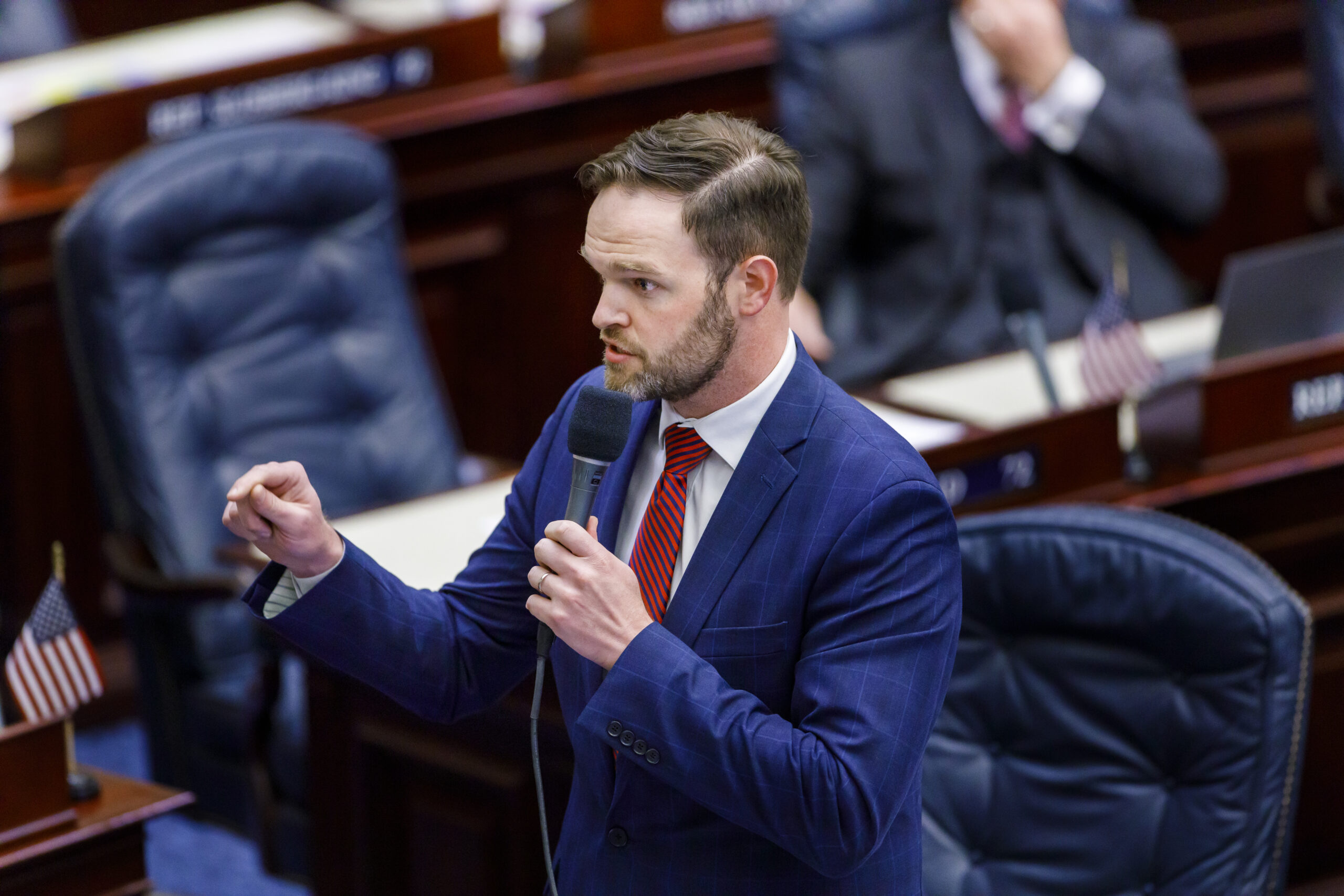
Alex Andrade’s public records bill advances with unusual coalition of allies
The First Amendment Foundation reported that one person got a staggering $300,000 invoice to get a public records request. Another person requested the calendar for the Department of Corrections Director, then was ignored for three years.
“We’ve started to notice increasing delays and costs associated with public record requests that don’t have exemptions,” said the foundation’s Executive Director, Bobby Block. “These unfortunately are not uncommon.”
Block lobbied Monday for HB 437, which would strengthen Florida’s Public Records Act by adding stronger penalties for government agencies that intentionally ghost public record requests and make it tougher for those agencies to charge big fees to release the records.
HB 437, sponsored by Rep. Alex Andrade, advanced through the Justice Budget Subcommittee with a 13-1 vote.
Andrade’s bill has now cleared three Committee stops and must go through the House State Affairs Committee before it’s ready for a full House vote.
A similar Senate bill (SB 770) filed by Democrat Sen. Darryl Rouson has yet to be heard in Committee.
Andrade became a frequent critic of Gov. Ron DeSantis and Attorney General James Uthmeier over the Hope Florida scandal.
Andrade led a House Subcommittee last year that probed deeper into how the state funneled $10 million from a Medicaid settlement that ended up being spent on political purposes. Andrade had pushed to get public records and responses during his investigation, and even as a state lawmaker, he said he struggled to get transparency from government agencies.
The First Amendment Foundation, the pro-life group Florida Voice for the Unborn, and pro-democracy Common Cause activists all signaled their support for the bill backed by Andrade, a Pensacola Republican.
“Obviously, you’ve been able to draw a cross section of support,” said Rep. Michele Rayner, a Democrat who also praised the bill during Monday’s debate.

HB 437 would require an agency in possession of public records to respond within three days by either releasing the records, denying the request and explaining why in writing, or giving a timeline for releasing the information.
“What this bill does is provide deadlines and dates and more upfront requirements on the agency side,” Andrade said.
If the agency fails to respond in three days, it would be ordered to release the records for free, according to one of the many provisions in the bill.
Agencies would also be banned from charging fees if records requests that took less than 30 minutes to fulfill had already been released from another public record request.
Government agencies would be required to only charge for the actual cost of duplicating records, and fees for labor needed to review records would be capped at the base hourly rate of the lowest paid employee capable of doing the work.
Government agencies would be allowed to waive or reduce fees for journalists, nonprofits and others seeking the records.