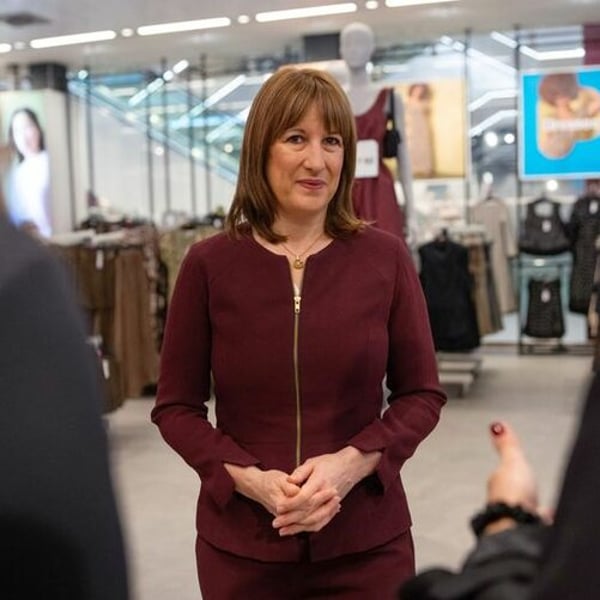
The UK Autumn Budget has finally been delivered and as expected, it gives little away and means consumers will likely have less money overall available to spend on discretionary goods.
Chancellor Rachel Reeves – Photo: Reuters
The reaction so far has been mixed, although there are concerns that there’s little in the Budget to stimulate fast growth and plenty that could backfire.
One thing it didn’t contain was any hint that tax-free shopping might return, something the retail sector has been hoping for. The weight of evidence for duty-free ‘s benefits is overwhelming but both the previous Conservative government and the current Labour one seem blind to that.
It did include plans to scrap Low Value Import/de minimis rules that many believe creates an uneven playing field that benefits international retailers such as Shein. But delaying the end of that system until 2029 will be hugely frustrating for many British firms.
So what else did Chancellor Rachel Reeves say? With the Office for Budget Responsibility predicting inflation to continue falling, nonetheless she said pensioners will get a fairly generous 4.8% State Pension rise next April, while the minimum wage is rising 4.1% and for younger workers 8.5%. The unpopular two-child cap on benefits is ending, rail fares are being frozen, and the government is also scrapping the Eco energy scheme, which Reeves says will cut £150 from the average household energy bill from April. So all of those measures should put extra money in consumers’ pockets.
But with the threshold at which people pay income tax having been frozen for a further three years, many working people will still have a higher tax bill to pay.
Both average and higher earners may also find they have less discretionary income as measures like the ‘mansion tax’ for properties worth £2 million+, extra taxes on electric car mileage, and a cap of £2,000 on so-called salary sacrifice savings into pension plans among measures denting what they have to spend.
For businesses, it’s clear that costs will go up — those minimum wage hikes are an obvious reason, while the main allowance rate in corporation tax is being reduced, and those investing in electric vehicle fleets for delivery will also be hit by those new taxes.
But the government has said it’s introducing “permanently lower [business] tax rates” for over 750,000 retail, hospitality and leisure properties. However this will be funded through higher rates on properties worth £500,000 or more, such as warehouses used by online retail giants.
The problem is that OneStream Software, which works with retailers, said “early industry estimates suggest the measure will cost retailers over £400 million a year, forcing finance leaders to rethink store portfolios, margins, and investment plans”.
Meanwhile, Silvia Rindone, EY UK&I Retail Lead, said the Budget “introduced measures that will impact the retail landscape and influence consumer behaviour for years to come. The proposed tiered business rates system offers welcome relief for smaller retailers, helping to ease cost pressures at a time when margins are tight. However, the additional burden placed on larger operators could lead to more expensive… bills for consumers – further challenging high street vitality and consumer choice.
She also said the de minimis loophole closure could backfire: “Closing the import duty loophole for small parcels is a positive step towards fairer competition, but it could also push up online prices, prompting consumers to reassess buying habits. For premium retailers, concerns will centre on whether higher taxes erode the spending power of their core customer base.
“While some measures will level the playing field for domestic retailers, the cumulative effect of tax changes and cost adjustments could temper spending, particularly in non-essential categories. Retailers will need to adapt quickly, prioritising value-driven propositions and omnichannel strategies to maintain engagement in an environment where affordability and trust will drive purchasing decisions.”
And for other analysts, the basic issue is that this Budget simply doesn’t feel like anything special. Jan Schneiderbanger, partner at L.E.K. Consulting said that “this Budget lands at a time when retailers’ confidence and consumer sentiment are both at record lows, and trading conditions remain tough. Following last year’s increases in employer National Insurance and the National Living Wage – which many large retailers say added hundreds of millions of pounds to their cost base – this year’s package has some positives, but still falls short of what many in the sector would have hoped for.
“The new banded business-rates system should bring greater certainty and, over time, some relief for smaller high-street retailers. But the higher multipliers on higher-value properties will add further cost for big supermarket formats, distribution centres and prime central London locations, where bills are already substantial.”