
Politics
Wanting to save on electric bills may be the only agreement Florida families can reach this holiday season

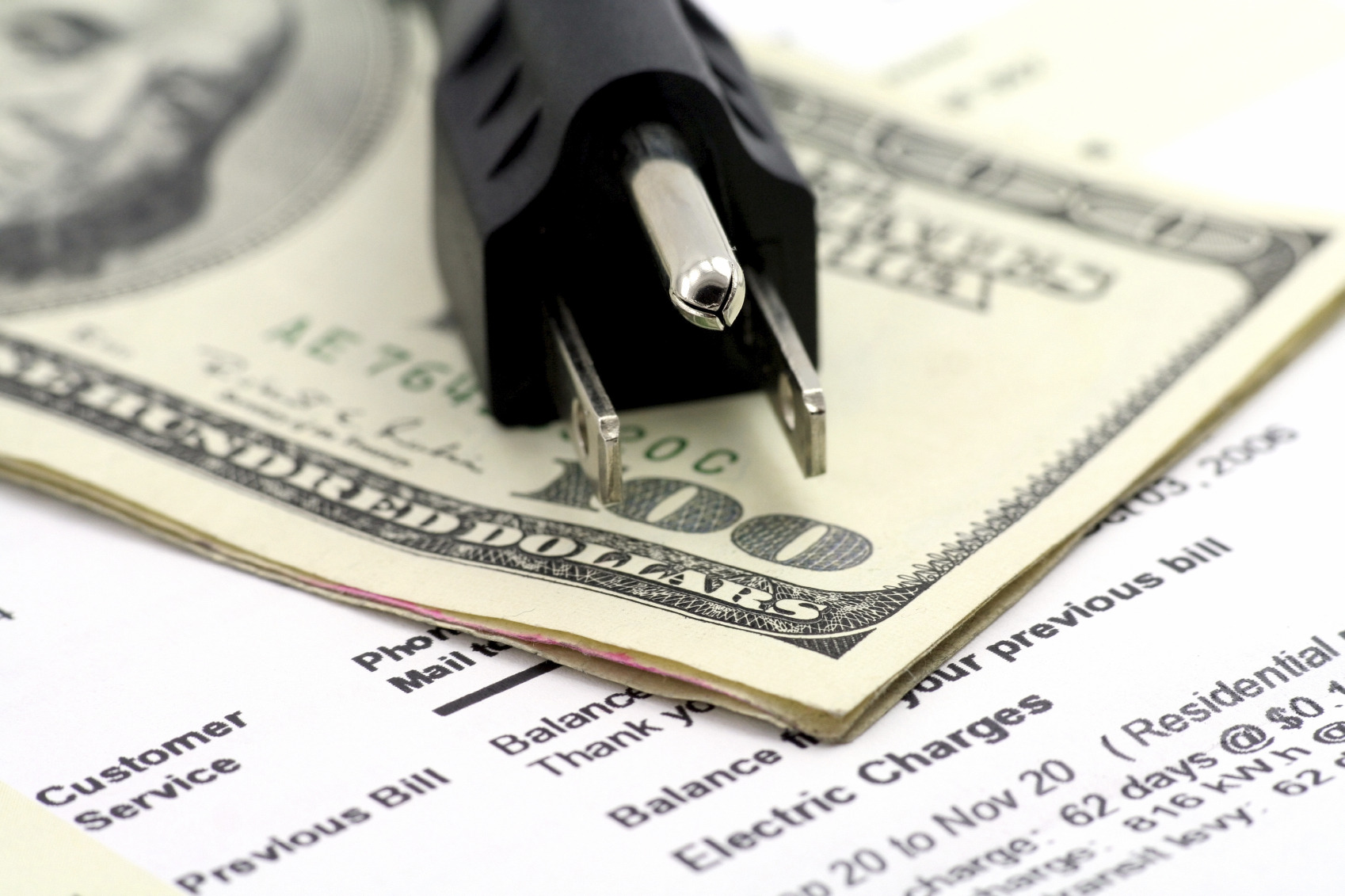
In Florida, holiday gatherings are a unique spectacle; less Norman Rockwell and more National Lampoon’s Christmas Vacation with humidity.
While the rest of the country bundles up, Floridians are juggling Christmas lights, hurricane shutters, and that one uncle who insists it’s “not that hot” as he secretly lowers the thermostat to 65.
It’s a state where families don’t agree on much: football loyalties, Publix sub orders, the correct pronunciation of “Okeechobee,” and whether it’s actually cold enough to wear a jacket when the temperature dips below 70.
But there is one surprising subject that manages to cross party lines, family rivalries, and generations: saving money on electricity.
And as it turns out, the holidays in Florida are the perfect moment to bring it up.
Maybe it starts with the lights. There’s always one neighbor attempting a Clark Griswold-level display — reindeer on the roof, synchronized music, a light show so bright it could guide ships into Tampa Bay.
But if those lights are LED, pointing out that all those lights cost just a few dollars to run is an easy, harmless way into the conversation. It’s relatable, it’s festive, and, unlike most holiday topics, it doesn’t end in a heated debate.
From there, the conversation has a way of drifting toward solar, which is practically Florida’s unofficial state accessory at this point. In a place where the sun shines aggressively year-round and electricity rates rise like a tsunami in Japan, rooftop solar has become a Florida homeowner’s version of “I finally started taking my vitamins.” You don’t have to preach. A quick, “Our bill hasn’t budged all year, solar’s been a blessing,” is usually enough to get Aunt Teri’s attention, especially if she’s been side-eyeing her own utility bill since the last utility rate increase.
And then there’s battery storage, a topic that needs no introduction in a state where the power flickers whenever someone sneezes too hard. Mentioning that your battery kept the lights on during the last storm is a guaranteed conversation starter. Batteries are the quiet, calm no-spark-plugs-oil-changes-air-filters-or-fuel-filters counterpoint to the gas generators that rattle so loudly they could double as percussion for the Outback Bowl halftime show.
By dessert, the conversation tends to migrate toward holiday gifts. Nationwide, people are gifting practical items, but Floridians take it to the next level. Smart plugs? Perfect. Timers for Christmas lights? Absolutely. Solar-powered outdoor lamps? Peak Florida energy. These are the stocking stuffers that don’t melt, mold, or require insurance. And every family has that one Floridian who unwraps a smart thermostat and reacts like they’ve won on a scratch-off ticket.

Eventually, someone proposes a Florida-style energy challenge, usually the family member who has just discovered their utility app. “Let’s compare December bills,” they say, as if they’re launching a statewide competition. It’s friendly, mostly. Those with solar and battery storage have a clear advantage, but in the spirit of the season, nobody brings that up — except Cousin Eddie, who accuses them of cheating anyway.
But humor aside, there’s something oddly wholesome about it: in a state where people argue over everything from manatee speed zones to the correct way to prepare Cuban coffee or the origin of the Cuban sandwich, energy savings offer a rare moment of unity. Everyone, regardless of political stripe or preferred beach, agrees that Floridians want an alternative to their ever-increasing electric bills.
And in a holiday season full of unpredictable weather, unpredictable relatives, and unpredictable thermostat settings, agreeing that solar power is good for Florida might be as close to family harmony as Florida gets.
So if Clark Griswold can light up a Chicago suburb with enough wattage to be seen from a passing jet, Florida families can certainly handle a conversation about LEDs, solar panels, and a battery that keeps the house running when the lights flicker during a “quick little storm system” that turns out to be a Category 1.
After all, it’s Florida. If we can handle hurricanes, iguanas falling out of trees, and in-laws flying in from the Midwest, we can definitely agree about energy savings.
___
Bill Johnson is the President and founder of Brilliant Harvest LLC. He is a Florida-licensed solar contractor and NABCEP Certified PV Installation professional. Johnson is the current President of Florida Solar Energy Industries Association, a trade association representing solar and storage contractors across the state of Florida.

Hispanic Floridians have played a pivotal role in building our state, and today their impact is stronger than ever. Increasing numbers of Hispanic families, business owners, seniors, retirees, and veterans call Florida home.
As our community grows, public policy must keep pace in protecting those most at risk.
Florida has a longstanding record of defending seniors, veterans, and retirees — from expanded homestead exemptions to laws guarding against elder abuse and financial exploitation. HB 427 and SB 266 build on that tradition by addressing a pressing problem: predatory public adjuster contracts targeting vulnerable residents after home damage.
When fires, plumbing disasters, or storms strike, seniors, retirees, and veterans often face pressure to sign complicated contracts quickly — sometimes while recovering from hospitalization or other emergencies.
Many Hispanic seniors face an additional hurdle: English is not their primary language, yet contracts are not required to be available in Spanish or other easy-to-understand formats.

Too often, elderly Hispanic residents are navigating these high-stakes decisions alone. Adult children may live far away and cannot assist immediately. Contracts must be reviewed and signed quickly, leaving residents exposed to confusing terms or high-pressure tactics.
HB 427 and SB 266 provide common sense relief. They allow seniors, retirees, and veterans to cancel public adjuster agreements — without penalty — if they are unable to fully understand the contract. This safeguard is especially important for Spanish-speaking residents and others facing language or comprehension challenges.
Ethical public adjusters have nothing to worry about. The bills target exploitative practices, not responsible business operations. They strike a balance: protecting Floridians while leaving legitimate professionals free to do their work.
At its core, this legislation is about fairness, clarity, and respect. It ensures that those who have contributed to Florida — Hispanics, seniors, retirees, and veterans alike — are not taken advantage of in moments of vulnerability.
Florida can once again demonstrate leadership in consumer protection. HB 427 and SB 266 offer practical, balanced reforms that reflect our values and protect those who need it most.

On behalf of Hispanic seniors, and all of Florida’s retirees and veterans, I urge lawmakers to act in support of these commonsense protections.
___
Julio A. Fuentes is president and CEO of the Florida State Hispanic Chamber of Commerce (FSHCC).


That includes funding raised through a public bitcoin wallet.
Republican congressional candidate Michael Carbonara says he has raised $1.7 million to challenge Democratic U.S. Rep. Debbie Wasserman Schultz.
“For far too long, Debbie Wasserman Schultz has been a fixture in Washington, and she’s done nothing to help working families struggling with inflation, high taxes and needless bureaucracy, while pushing policies that harm Florida families and take away their freedoms,” Carbonara said.
“Her approach to government is rooted in Washington bureaucracy and big spending, not in accountability or affordability.”
Of note, Wasserman Schultz had just over $1.6 million in cash on hand at the close of the third quarter. The Weston Democrat hasn’t announced quarterly numbers for the final three months of 2025.
Details on Carbonara’s fundraising are not yet publicly available. The campaign said it did invest a portion of funds accrued through a dedicated public blockchain wallet with bitcoin personally raised by Carbonara.
But Carbonara’s campaign said he demonstrated the ability to raise more than she had in the bank in her last report. The candidate has stressed a hunger for change as he challenges the longest-serving Democrat in Florida’s congressional delegation.
“District 25 deserves a leader who will fight for Florida and restore Floridians’ freedom,” he said. “I’m in the business of breaking down barriers, solving problems and creating jobs, and I’ll do the same for our community in Congress.”
No other Republican who filed to challenge Wasserman Schultz last cycle raised as much as Carbonara has this cycle. Ahead of the 2024 contest, Republican Chris Eddy raised more than $416,000 for the seat. Wasserman Schultz beat Eddy in November 2024 with 54.5% of the vote.
That was a tighter margin than when she defeated Republican Carla Spalding in 2022 with 55.1% of the vote, the only other time she ran under the current district lines. Notably, Republican leaders in Florida have signaled that redistricting will happen again before the Midterms.
Carbonara’s campaign said it also has employed social media in new ways to directly reach voters in the district. A launch video on X has been viewed more than 9.3 million times as of this writing.



What a Walmart CEO contender’s exit reveals about when to move on

Chris Pratt Discusses Future of A.I. While Plugging New Tech Movie ‘Mercy’

Monica Vinader enlists Sienna Spiro as face of latest campaign
-

 Politics8 years ago
Congress rolls out ‘Better Deal,’ new economic agenda
-
Entertainment9 years ago
New Season 8 Walking Dead trailer flashes forward in time
-
Politics9 years ago
Poll: Virginia governor’s race in dead heat
-
Politics8 years ago
Illinois’ financial crisis could bring the state to a halt
-
Entertainment8 years ago
The final 6 ‘Game of Thrones’ episodes might feel like a full season
-
Entertainment9 years ago
Meet Superman’s grandfather in new trailer for Krypton
-
Business9 years ago
6 Stunning new co-working spaces around the globe
-
Tech8 years ago
Hulu hires Google marketing veteran Kelly Campbell as CMO