
Politics
Big changes to agency charged with securing elections lead to midterm worries

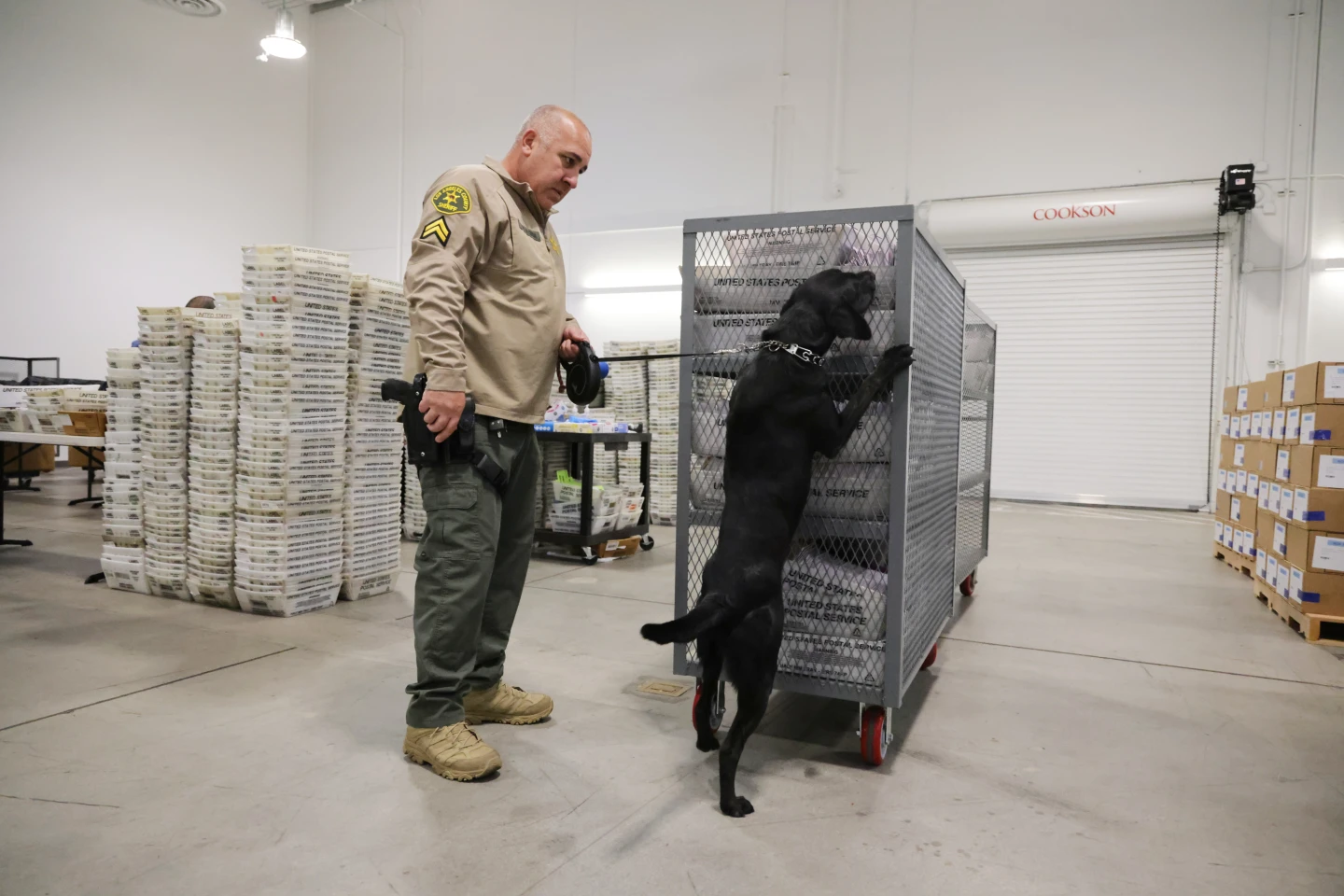
Since it was created in 2018, the federal government’s cybersecurity agency has helped warn state and local election officials about potential threats from foreign governments, showed officials how to protect polling places from attacks and gamed out how to respond to the unexpected, such as an Election Day bomb threat or sudden disinformation campaign
The agency was largely absent from that space for elections this month in several states, a potential preview for the 2026 midterms. Shifting priorities of President Donald Trump’s administration, staffing reductions and budget cuts have many election officials concerned about how engaged the Cybersecurity and Infrastructure Security Agency (CISA) will be next year, when control of Congress will be at stake in those elections.
Some officials say they have begun scrambling to fill the anticipated gaps.
“We do not have a sense of whether we can rely on CISA for these services as we approach a big election year in 2026,” said Minnesota Secretary of State Steve Simon, a Democrat who until recently led the bipartisan National Association of Secretaries of State.
The association’s leaders sent a letter to Homeland Security Secretary Kristi Noem in February asking her to preserve the cybersecurity agency’s core election functions. Noem, whose department oversees the agency, replied the following month that it was reviewing its “funding, products, services, and positions” related to election security and that its services would remain available to election officials.
Simon said secretaries of state are still waiting to hear about the agency’s plans.
“I regret to say that months later, the letter remains very timely and relevant,” he said.
Agency in transition
CISA, as the agency is known, was formed under the first Trump administration to help safeguard the nation’s critical infrastructure, from dams and power plants to election systems. It has been undergoing a major transformation since Trump’s second term began in January.
Public records suggest that roughly 1,000 CISA employees have lost their jobs over the past years. The Republican administration in March cut $10 million from two cybersecurity initiatives, including one dedicated to helping state and local election officials.

That was a few weeks after CISA announced it was conducting a review of its election-related work, and more than a dozen staffers who have worked on elections were placed on administrative leave. The FBI also disbanded a task force on foreign influence operations, including those that target U.S. elections.
CISA is still without an official director. Trump’s nomination of Sean Plankey, a cybersecurity expert in the first Trump administration, has stalled in the Senate.
CISA officials did not answer questions seeking specifics about the agency’s role in the recently completed elections, its plans for the 2026 election cycle or staffing levels. They said the agency remains ready to help protect election infrastructure.
“Under the leadership of President Trump and Secretary Noem, CISA is laser-focused on securing America’s critical infrastructure and strengthening cyber resilience across the government and industry,” said Marci McCarthy, CISA’s director of public affairs.
She said CISA would announce its future organizational plans “at the appropriate time.”
Christine Serrano Glassner, CISA’s chief external affairs officer, said the agency’s experts are ready to provide election guidance if asked.
“In the event of disruptions or threats to critical infrastructure, whether Election Day-related or not, CISA swiftly coordinates with the Office of Emergency Management and the appropriate federal, state and local authorities,” she said in a statement.
States left on their own
California’s top election security agencies said CISA has played a “critical role” since 2018 but provided little, if any, help for the state’s Nov. 4 special election, when voters approved a redrawn congressional redistricting map.
“Over the past year, CISA’s capacity to support elections has been significantly diminished,” the California secretary of state’s office said in a statement to The Associated Press. “The agency has experienced major reductions in staffing, funding, and mission focus — including the elimination of personnel dedicated specifically to election security and foreign influence mitigation.”
“This shift has left election officials nationwide without the critical federal partnership they have relied on for several election cycles,” according to the office.
CISA alerted California officials in September that it would no longer participate in a task force that brought together federal, state and local agencies to support county election offices. California election officials and the governor’s Office of Emergency Services did what they could to fill the gaps and plan for various security scenarios.
In Orange County, California, the registrar of voters, Bob Page, said in an email that the state offices and other county departments “stepped up” to support his office “to fill the void left by CISA’s absence.”
Neighboring Los Angeles County had a different experience. The registrar’s office, which oversees elections, said it continues to get a range of cybersecurity services from CISA, including threat intelligence, network monitoring and security testing of its equipment, although local jurisdictions now have to cover the costs of some services that had been federally funded.
Some other states that held elections this month also said they did not have coordination with CISA.
Mississippi’s Secretary of State, who heads the national association that sent the letter to Noem, did not directly respond to a request for comment, but his office confirmed that CISA was not involved in the state’s recent elections.
In Pennsylvania, which held a nationally watched retention election for three state Supreme Court justices, the Department of State said it is also relied more on its own partners to ensure the elections were secure.
In an email, the department said it was “relying much less on CISA than it had in recent years.” Instead, it has begun collaborating with the state police, the state’s own homeland security department, local cybersecurity experts and other agencies.
Looking for alternatives
Simon, the former head of the secretary of state’s association, said state and local election officials need answers about CISA’s plans because officials will have to seek alternatives if the services it had been providing will not be available next year.
In some cases, such as classified intelligence briefings, there are no alternatives to the federal government, he said. But there might be ways to get other services, such as testing of election equipment to see if it can be penetrated from outside.
In past election years, CISA also would conduct tabletop exercises with local agencies and election offices to game out various scenarios that might affecting voting or ballot counting, and how they would react. Simon said that is something CISA was very good at.
“We are starting to assume that some of those services are not going to be available to us, and we are looking elsewhere to fill that void,” Simon said.
___
Republished with permission of The Associated Press.
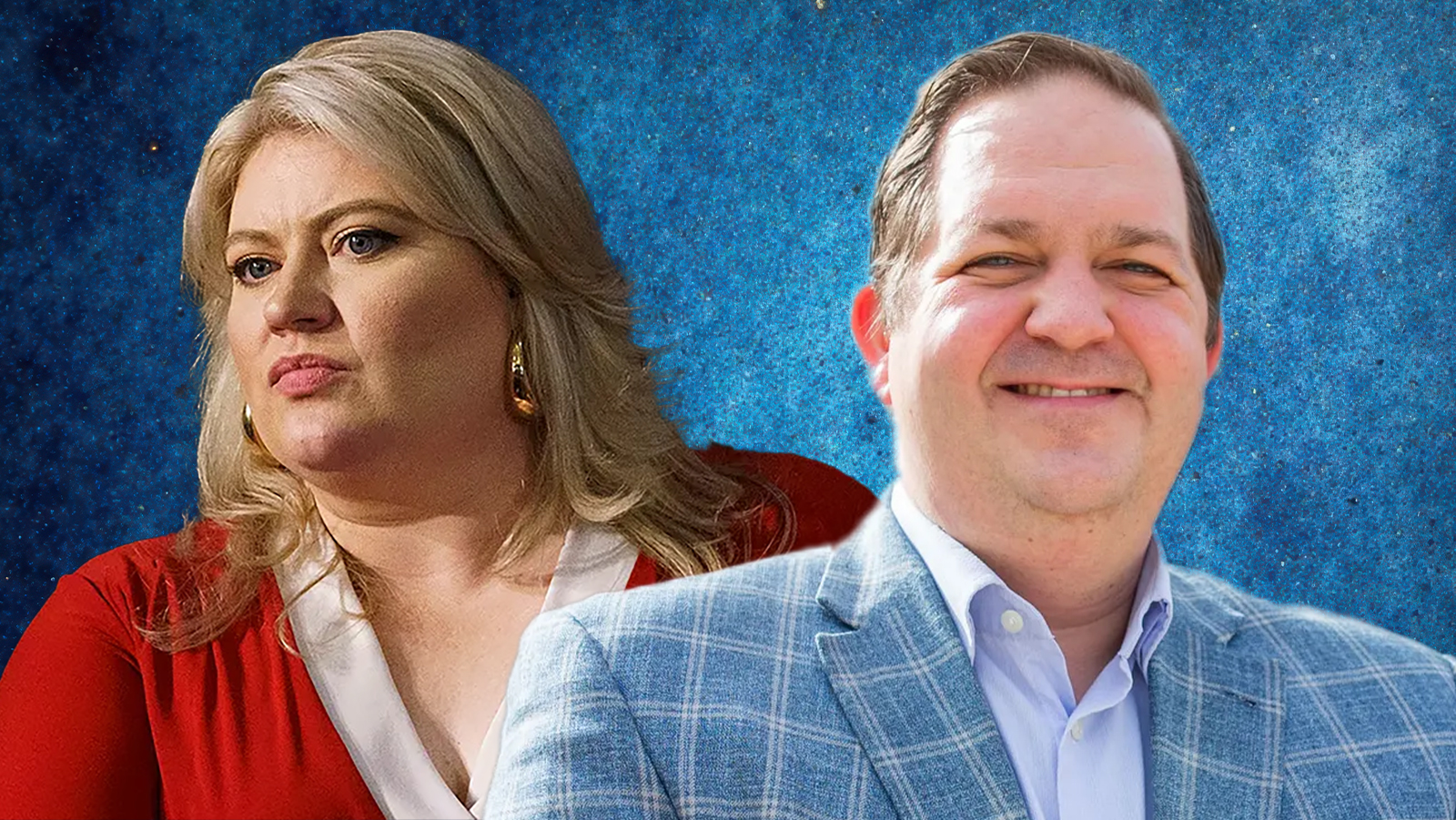
U.S. Rep. Kat Cammack already knows who she wants to win a newly open race neighboring her own North Florida district.
The Gainesville Republican is endorsing Republican Party of Florida Chair Evan Power to succeed retiring U.S. Rep. Neal Dunn.
“I don’t back candidates who seek permission slips. I back fighters. That’s why I’m proud to endorse Evan Power for Congress,” Cammack said.
“Washington is broken because too many politicians cling to the status quo. Evan isn’t one of them. He’s a proven conservative leader who fights bureaucracy, stands up to the radical left, and wins. I’ve seen him push back against government overreach, defend Florida values, and hold firm under pressure.”
Power, a Tallahassee Republican, filed last week to run in Florida’s 2nd Congressional District a day after Dunn announced he will not seek another term. Cammack first won election in 2020 to Congress to represent Florida’s 3rd Congressional District.
On social media, Power said he was “honored to have the endorsement and support of Kat Cammack.”
It’s an early endorsement for the party leader as other candidates rush to file.
Already, former U.S. Senate candidate Keith Gross filed in the Republican Primary. Other Republicans, including Austin Rogers, the General Counsel for U.S. Sen. Rick Scott, and Chuck Perdue, the Bay County Talk Collector, are exploring runs.
Cammack said Power’s history working on political issues and campaigns led her to publicly support his candidacy.
“Evan doesn’t just talk about freedom, the Constitution, and fiscal responsibility, he delivers. He knows our job is to serve the people, not grow government, appease special interests, or play nice with the swamp,” she said.

“If you want a rubber stamp, look elsewhere. If you want a conservative who will join me to secure the border, protect parents, defend life, back law enforcement, and put America First then Evan Power is the fighter we need in Congress. I’m all in for Evan Power. I hope you are too.”
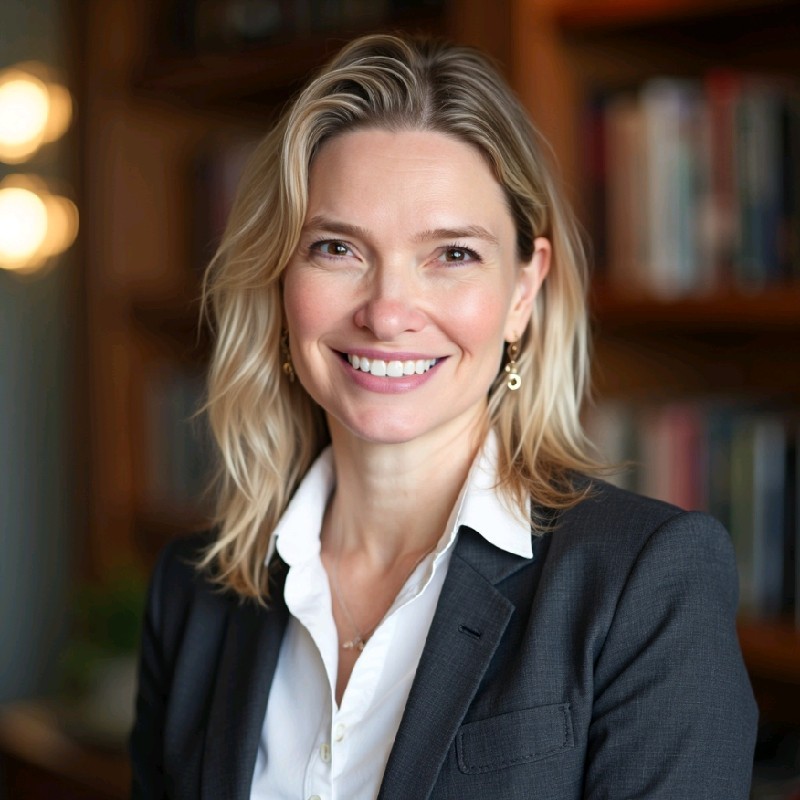
Aileen Rodriguez, who is challenging Republican Hillsborough County Commissioner Joshua Wostal this election cycle, is officially kicking off her campaign next week.
The event will feature U.S. Rep. Kathy Castor as a special guest, as well as a host committee that includes myriad community stakeholders, ranging from elected officials, business leaders and political activists to current and former candidates for office.
The kickoff is Wednesday, Jan. 28, at J.C. Newman Cigar Company, located at 2701 N. 16th St. in Tampa, from 5:30-7:30 p.m.
Castor endorsed Rodriguez earlier this month, writing in a letter to the candidate that she appreciates “your willingness to step forward and serve your Hillsborough County neighbors.”
“I value your commitment to listening to residents across our community and ensuring that every neighbor, in every neighborhood, has a voice in our county government,” Castor wrote.
“I look forward to working with you on the issues our residents care most about, including greater access to affordable housing, child care, and public transportation. These priorities are critical to responsible growth, environmental preservation and modernizing infrastructure. Together, we can help build a County government that is more accessible, accountable, and truly reflects the people it serves.”
Rodriguez’s honorary host committee includes, among others, Tampa City Council members Alan Clendenin, Lynn Hurtak, Guido Maniscalco and Luis Viera; Hillsborough County School Board members Nadia Combs, Lynn Gray, Karen Perez and Jessica Vaughn; former Hillsborough County Commissioner and former University of South Florida President Betty Castor; former state Sen. Janet Cruz; former Hillsborough County Commissioner Kimberly Overman; and former Tampa City Council member and current Florida House candidate Mike Suarez.
The host committee includes local business leaders and political insiders such as Erin Aebel, Karen Clay, Bryan Farris, Rick Fernandez, Rick Fifer, Andy Johnson, Neil Manimala, Stephanie Poyner, Hoyt Prindle, Taylor Ralph, Michael Reeves, C.L Townsend and others.
Rodriguez, a former regional director for former Republican U.S. Sen. Mel Martinez, filed paperwork last week to run. Rodriguez, a Democrat, is so far the only candidate challenging Wostal.
Rodriguez is a career public relations expert, having run her own PR firm, AR Public Affairs and Strategic Solutions, since 2009. She also worked from 2014 to 2017 as a senior manager of executive affairs for the Hillsborough County Aviation Authority.

Prior to that, she served as marketing communications director for the Helios Education Foundation and Communications Director for the 2012 Tampa Bay Host Committee for the Republican National Convention.
Rodriguez was previously registered as a Republican but changed her political affiliation in 2019, saying the GOP left her and no longer reflected her values as a Christian.
Rodriguez was born in Puerto Rico, a U.S. territory, and raised in the Tampa Bay area. Her campaign will focus largely on the affordability crisis that is plaguing not just Hillsborough County residents, but those throughout the state and nation.
Rodriguez also said she would prioritize infrastructure spending and expanded transportation options to break gridlock in Hillsborough County, calling such moves “common sense.”
District 7 is elected countywide, where Republicans hold a voter registration advantage with nearly 292,000 voters compared to nearly 273,000 Democrats. With another more than 217,000 independent voters, Rodriguez’s experience as both a Republican and Democrat could help bridge the voter registration gap by enticing moderate voters.
That could be especially true in a Midterm Election year expected to favor Democrats amid frustration with federal policies under the Donald Trump administration and GOP trifecta in Washington.
Historically, the party in power in the White House suffers losses in Midterm years, and this year is not expected to be any different. But it’s worth noting that in the last Midterm cycle, in 2022, Republicans overperformed in Florida even as they underperformed elsewhere in the nation.
That was also the same year the Hillsborough County Commission flipped red, with the defeat of two incumbent Democrats, shifting the board from a 5-2 Democratic advantage to a 4-3 Republican majority. Wostal was first elected that year, defeating incumbent Democrat Kimberly Overman with more than 52% of the vote despite being significantly underfunded.
The GOP grew that advantage further in 2024, and the board now has just two Democratic members.
As of the end of 2025, Wostal had already raised more than $108,000 for his race, with only about $1,000 of that spent. Because she only just filed to run, Rodriguez has not yet reported any fundraising.
Two Democrats had previously filed to challenge Wostal: former state Rep. Adam Hattersley and Mark Nash, who has sought office unsuccessfully before. Both have since withdrawn from the race.
Politics
While St. Pete Beach residents were locked out after Hurricane Helene, the Mayor was already having repairs done
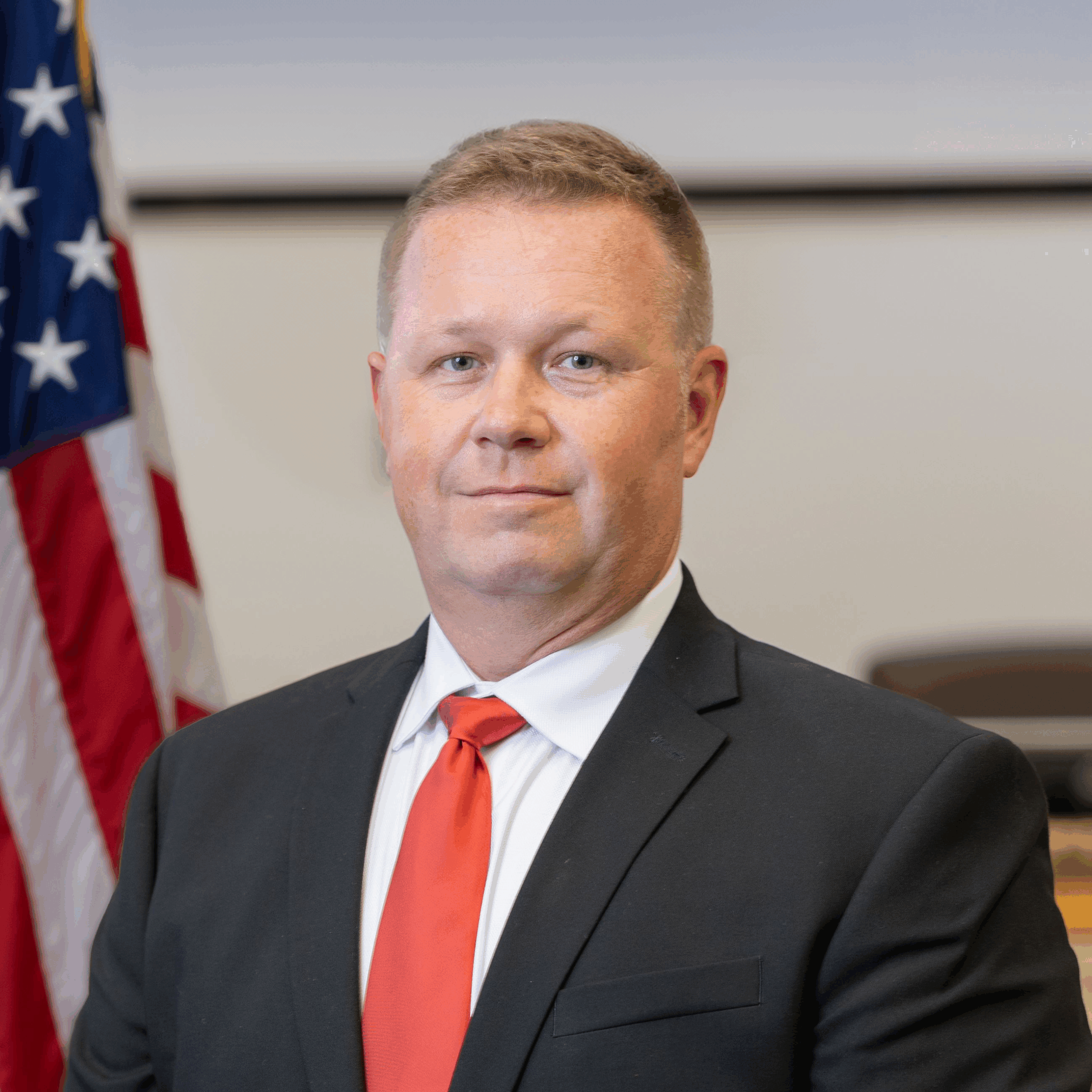
One day after Hurricane Helene skirted past the Tampa Bay area on Sept. 26, 2024, leaving devastating flooding, St. Pete Beach residents were still blocked from returning to their homes to survey damage, as crews worked to ensure it was safe to return.
Yet even as residents grew anxious to see what remained of their homes and communities, St. Pete Beach Mayor Adrian Petrila was already on the island and, it appears, already taking steps to repair his flooded home.
On Sept. 27, 2024, the city of St. Pete Beach posted a warning on Facebook informing residents that access points to the local barrier islands “remain closed today” as “crews from the county and impacted municipalities continue to work on clearing impassable roadways, removing dangerous debris, restoring power, and addressing other infrastructure issues including returning power to our sanitary sewer system.”
The post went on to caution residents that they “should plan to spend multiple days away from their houses.”
That same day, a local resident who had remained on the island to weather the storm captured video at Petrila’s home of what appears to be crews bringing in fans to dry flood areas.
Donna Miller had stayed on the island with a neighbor — a decision she said many residents made after weathering numerous storms without much damage and with no risks to safety. This time was different, as flooding impacted much of the island, leaving homes badly damaged.
She told Florida Politics that she and others who had stayed behind were unable to obtain water, food or other supplies as the barrier islands remained closed because they were told they could leave the island, but would not be able to return until access was restored. Not wanting to miss out on time to address flood damage, many continued to stay.
Instead, Miller and a friend hopped in her car to check on other neighbors. In doing so, they came across Petrila’s home, where video Miller took shows a crew carrying several large fans into the home. The video is just 10 seconds long, but Petrila’s address is visible in the footage and metadata on the video confirms it was taken the day after the hurricane. Petrila is also visible in the garage.
Miller said she stopped filming to confront the homeowner. Said she didn’t realize it was the Mayor until after the confrontation.
Miller told Florida Politics that during the interaction, she asked Petrila, “How is it that you have workers cleaning out your house when people need food and supplies?”

He responded, according to Miller, that the men had already been on the island, a claim Miller said she doubts.
“It seemed like he played the Mayor card to get them in,” she said.
Florida Politics reached out to Petrila on Monday via his city email asking about the video. The email included questions about how workers were able to bring supplies to his house. As of Wednesday, he had still not responded.
Miller, meanwhile, has sent letters to the Pinellas County Sheriff’s Office and to U.S. Rep. Anna Paulina Luna complaining about what she perceived as Petrila misusing his authority as Mayor for personal benefit.
“A Mayor who puts himself before the people needs to find another career,” Miller told Florida Politics. “What he did was horrible. Instead of getting trucks on the island with emergency supplies, he got blowers and workers on the island.”
Petrila, a Republican, is up for re-election this year. He faces fellow Republican Scott Tate in what is expected to be a tight race. Petrila is the top fundraiser in the race, but only barely. Tate has nearly matched Petrila’s fundraising, with new fourth-quarter totals showing he has brought in just over $14,000, only $1,300 less than Petrila.
The tighter-than-usual fundraising in a beach town election cycle that is more often than not a quiet affair comes as Petrila faces criticism for proposing to impose tolls at the north, central and southern access points to the island to fund ongoing infrastructure repairs and improvements following back-to-back hurricanes in 2024 that devastated the island.
Despite his plan exempting residents, employees and business owners, it has been controversial, with some worrying such tolls would reduce tourism and other revenue-generating traffic on St. Pete Beach.
And Petrila, like neighboring St. Petersburg Mayor Ken Welch, who is also facing intraparty opposition for his re-election, is also earning resident frustration over a permitting backlog following the hurricanes that is ongoing as residents continue to rebuild. While Tate has not directly weighed in on the tolling issue, he has lamented that the permitting red tape is a failure of leadership.
Petrila is facing his first re-election contest after first being elected in 2023, when he unseated then-incumbent Alan Johnson.
The St. Pete Beach municipal election is March 10.


Nearly 400 millionaires and billionaires are demanding Davos leaders to tax them more: ‘Tax us. Tax the super rich.’

Trespasser Nabbed Outside Madison Wyborny & Leah Peters’ L.A. Home, on Camera

Kat Cammack offers early endorsement to Evan Power in CD 2 race
-

 Politics8 years ago
Congress rolls out ‘Better Deal,’ new economic agenda
-
Entertainment9 years ago
New Season 8 Walking Dead trailer flashes forward in time
-
Politics9 years ago
Poll: Virginia governor’s race in dead heat
-
Politics9 years ago
Illinois’ financial crisis could bring the state to a halt
-
Entertainment9 years ago
The final 6 ‘Game of Thrones’ episodes might feel like a full season
-
Entertainment9 years ago
Meet Superman’s grandfather in new trailer for Krypton
-
Business9 years ago
6 Stunning new co-working spaces around the globe
-
Tech8 years ago
Hulu hires Google marketing veteran Kelly Campbell as CMO