
Politics
Barbara Sharief, Felicia Robinson refile bills to improve Medicaid, primary care access
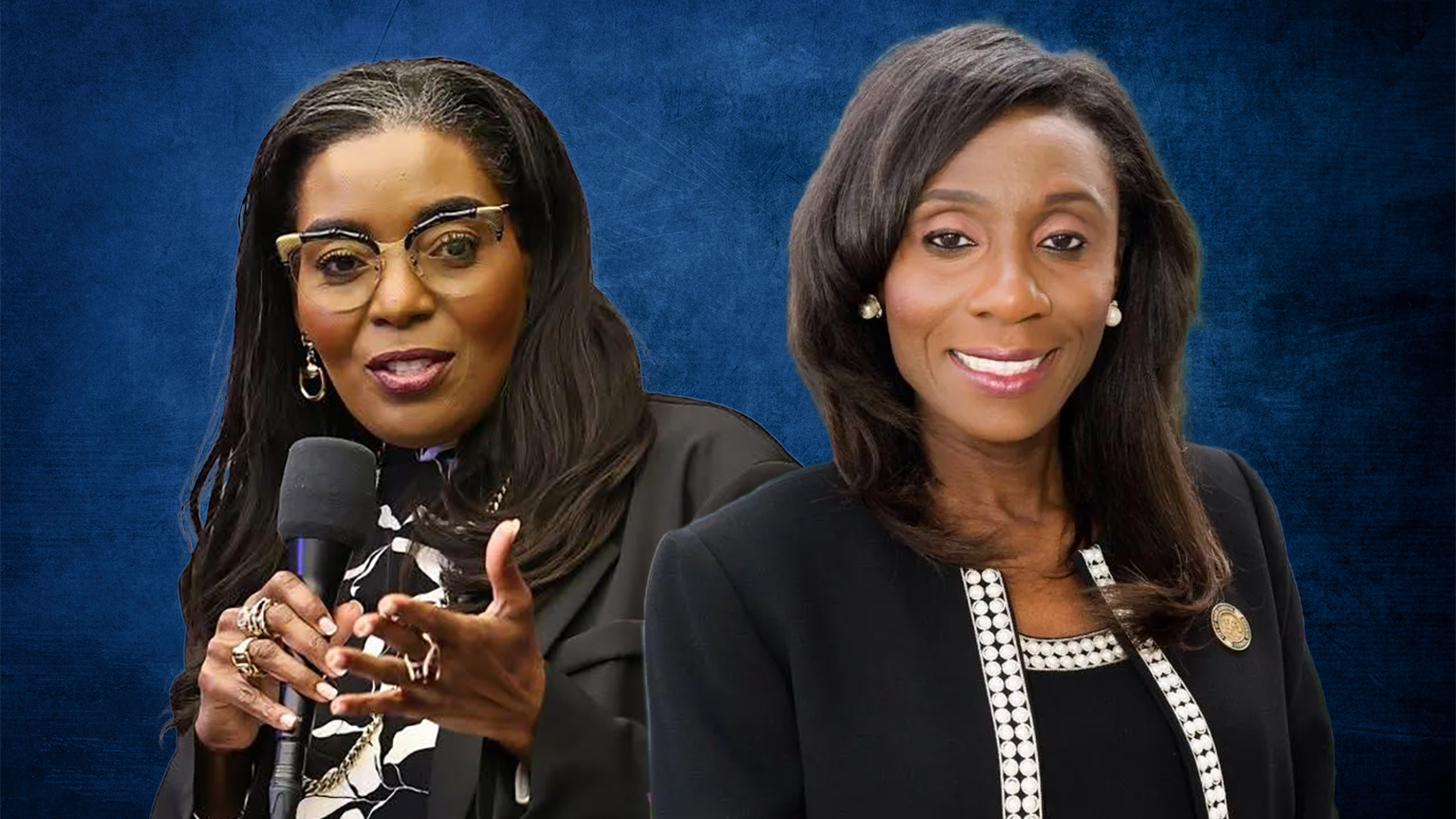
For the second straight Session, Broward Sen. Barbara Sharief and Miami Gardens Rep. Felicia Robinson are collaborating on legislation meant to improve patient access to Medicaid and mandate more service availability from health care providers.
They’ve filed twin bills (SB 40, HB 163) that would expand what the state Agency for Health Care Administration (AHCA) must require in its contracts with health plans.
The legislation would direct AHCA to set clearer, enforceable standards for the number, type and geographical distribution of providers in each plan’s network to give patients better access to appropriate care.
It would also require that plan beneficiaries have access to network providers during state holidays and outside regular business hours. Under the proposed changes, at least 50% of a plan’s primary care providers must offer appointments outside regular business hours, defined as weekdays between 5 p.m. and 8 a.m. and all day on weekends.
Further, the legislation would require each managed care plan to maintain a public, searchable online database of its contracted providers — listing licensure, specialties, locations, hours and performance indicators, among other details — and to incorporate enrollee feedback.
Plans would have to submit quarterly reports showing how many beneficiaries are assigned to each primary care provider. And to improve accuracy and oversight, the bills, effective July 1, 2026, direct AHCA to continually audit managed-care plans’ provider directories and network adequacy to confirm that behavioral health providers are taking patients and enrollees can actually obtain required services.
Sharief, a Doctor of Nurse Practice, said in a statement that the issue is simple: “Medicaid enrollees deserve timely, reliable access to health care.”
“This legislation holds managed care plans accountable and ensures that provider networks truly meet the needs of the communities they serve,” she said.
“By expanding access to evening, weekend, and holiday appointments, and requiring accurate, transparent provider information, we’re making it easier for families to get the care they need, when and where they need it.”
Robinson, an educator by trade, said in a statement that families often have to postpone vital care because they can’t get an appointment that fits their schedule.

“Access to quality health care shouldn’t be a 9-to-5 privilege, especially for our working families and seniors who depend on Medicaid,” she said. “HB 163 is a commonsense measure that ensures our managed care system is truly managing care around the realities of people’s lives, not just the convenience of office hours. It’s about making health care work for the patient.”
Sharief and Robinson, both Democrats, carried similar measures in the 2025 Session. The Senate version of the proposal cleared the chamber without a single “no” vote — with co-sponsorship support from Pensacola Republican Sen. Don Gaetz and Jacksonville Democratic Sen. Tracy Davis — before it died unheard alongside its House companion, which Democratic Reps. Rita Harris of Orlando and Dotie Joseph of North Miami co-sponsored.
As of May 30, more than 4.15 million Florida residents were enrolled in Medicaid, some 68,000 fewer than in December 2024, according to the Florida Phoenix, which said Florida’s Medicaid caseload peaked in fiscal year 2022-2023 at 5.575 million enrollees.
Florida is one of the states that has not adopted the federal Medicaid expansion under the Affordable Care Act, which contributes to a large “coverage gap” of uninsured low-income adults.
Among all U.S. states, Florida ranks fourth in the percentage of residents under age 65 who are uninsured — about 13% in recent data — reflecting the state’s non-expansion status and coverage limitations.
The regular 2026 Legislative Session starts Jan. 13. Preliminary meetings have been ongoing.