
Politics
Florida Democrats push long-odds gun control measures, weeks after open carry law takes effect
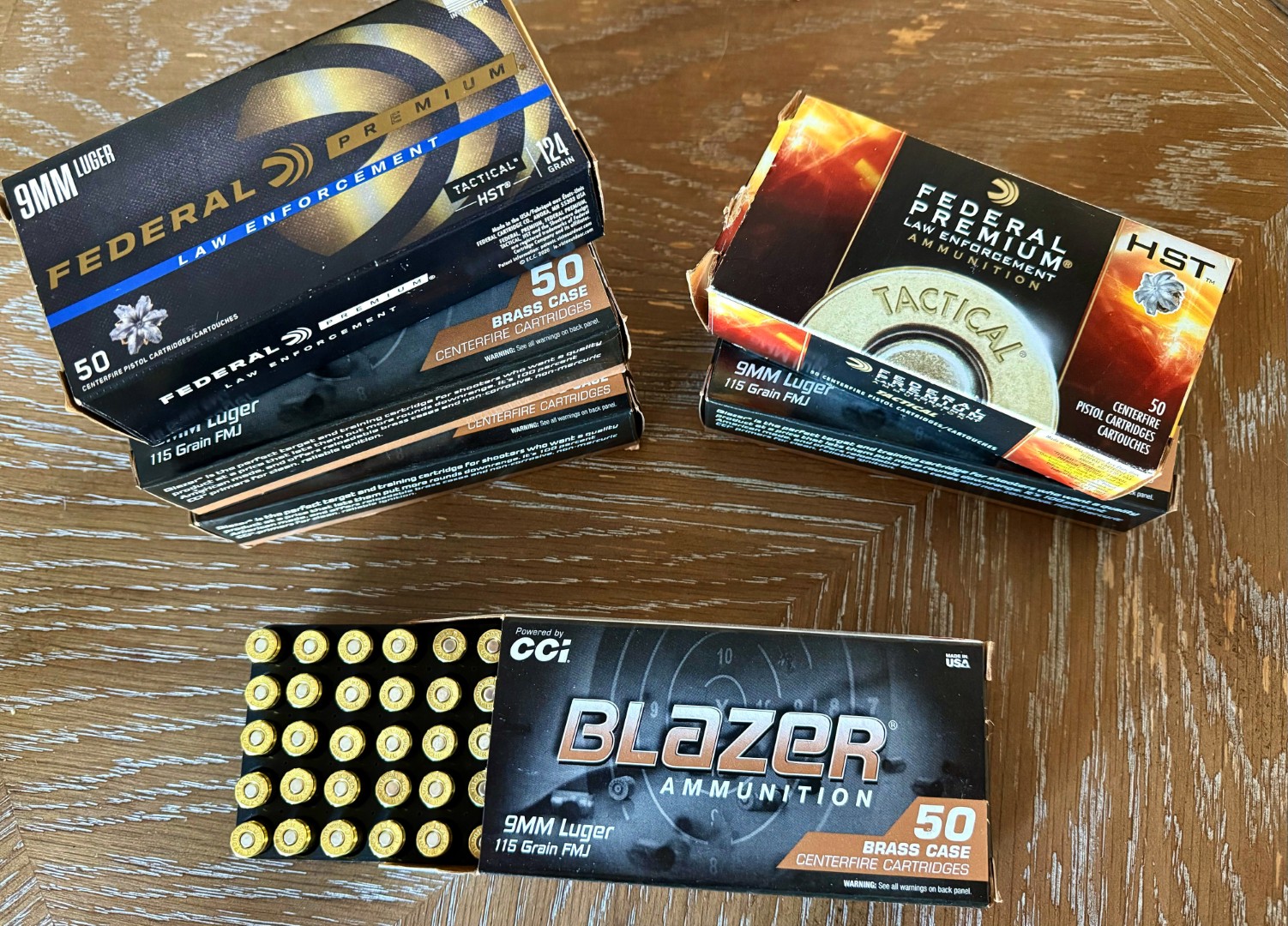
Democrats in Florida’s Legislature have filed more than a dozen gun control bills – which even the party’s lawmakers acknowledge are likely to go nowhere – less than two months after the “Gunshine State” legalized open carry.
The routine submission of gun control legislation with nothing to show for it prompted a leading gun violence prevention advocate to reprimand Democrats in Tallahassee. A number of the bills are introduced year after year and quietly meet the same fate.
“Unfortunately, in the state of Florida, the majority of those on the Democratic side have just become weak,” said Fred Guttenberg, whose teen daughter was killed in a South Florida school shooting. “They’ve forgotten how to fight; they’ve accepted the idea that they can’t accomplish much, and I think they’re mistaken.”
None of the Democratic-sponsored bills to restrict gun rights introduced in recent weeks has been scheduled for a Committee hearing by the GOP leadership, while a Republican-backed measure that would broaden gun rights is already on the agenda for next week.
That bill, a renewed Republican effort by Rep. Tyler Sirois of Merritt Island, would lower the age to buy any firearm from 21 to 18. It’s expected to face its first vote on Tuesday in the House Criminal Justice Subcommittee. Republicans outnumber Democrats on that panel 12-5.
A similar effort failed in the Legislature earlier this year when the Senate wouldn’t go along with the House’s efforts.
The Democrat-backed bills would ban the sales of assault-style weapons or magazines that carry more than 10 bullets, require background checks to buy ammunition, limit where guns can be carried, and make drivers lock away guns inside their cars.
Florida lawmakers had raised the age to 21 to buy rifles or shotguns after a mass shooting at Marjory Stoneman Douglas High in 2018 that killed 17 people, and former Republican Gov. Rick Scott signed it into law. A federal appeals court in March upheld a challenge to the law.
Florida’s reluctance to tighten restrictions on access to guns and ammunition is disappointing to Guttenberg, whose 14-year-old daughter, Jamie, was killed in the school shooting in Parkland. One of the bills introduced this year in Tallahassee would be called “Jamie’s Law” and require background checks for ammunition purchases.
“My motivation is really simple: it’s to stop the next dad from feeling what I feel,” Guttenberg said.

Since his daughter’s death, Guttenberg has worked to push what he described as gun violence prevention legislation across the country and in Washington. The ammunition bill has been introduced in Congress six times without success. Similar laws have been passed in California, New York, Connecticut, Illinois and New Jersey. It hasn’t passed in the state where Jaime died.
Here in Florida, Democratic Sen. Tina Polsky of Boca Raton and Rep. Dan Daley of Coral Springs, introduced the ammunition bills for the 2026 Legislative Session, which begins Jan. 13. In the House, Daley’s bill must pass through four Committees or Subcommittees – more than the usual three – a procedural move by Republican leadership that makes it even less likely it could be approved before the end of the 60-day Session.
Polsky acknowledged her bill probably won’t pass in the Senate.
“It’s very doubtful or even impossible,” she said. “I still file these bills because they’re important for my constituents and it’s important policy.”
Daley, who graduated from Marjory Stoneman Douglas before the shooting, also said it was unlikely the House would pass his bill. “That doesn’t mean that we don’t continue to push as hard as we can because it’s important policy that keeps us all safe,” he said.
“A lot of what I work on up here is school safety, reasonable gun reform, mental health reform, trying to make sure that something like the tragedy at my alma mater doesn’t happen again,” Daley said.
Other gun-related bills this year include:
— A bill by Sen. Carlos Guillermo Smith, an Orlando Democrat, that would ban the sale of assault-style guns and large-capacity magazines, defined as carrying more than 10 bullets.
— A bill by Coconut Creek Democratic Rep. Christine Hunschofsky, the minority leader pro tempore, and a related bill by Polsky that would ban civilians carrying weapons in government buildings, police stations, courthouses, schools and some other sites. Hunschofsky proposed and then withdrew another related bill.
— A bill by Sen. Darryl Ervin Rouson, a Democrat from St. Petersburg, and a related bill by Reps. Yvonne Hayes Hinson, a Gainesville Democrat, and Daley, that would require guns in vehicles or boats to be stored locked and out of sight. The Senate minority leader, Lori Berman of Boynton Beach, filed a similar bill.
— Another bill by Polsky would expand criminal liability if minors access guns and would require gun manufacturers to include safety warnings and demonstrate safe gun locks for buyers.
— A bill by Rep. Tae Edmonds, a West Palm Beach Democrat, would designate June as “Responsible Firearm Safety Awareness Month.”
Important, recent court rulings in Florida have steered away from gun control and toward gun rights. A state appeals panel in September struck down Florida’s law against openly carrying guns in public as unconstitutional. Last month, a Broward County circuit judge ruled that the state law barring people under age 21 from carrying concealed weapons violates the Second Amendment.
Gun rights supporters believe the bills from Democrats infringe on their rights. Logan Edge, executive director at the Florida Gun Rights Association, said he wants lawmakers to repeal the measures passed after Parkland.
They include “red flag laws” that allow courts to seize firearms from a person who is believed to be a danger to themselves or others.
“I would assume most people who buy firearms are law-abiding citizens,” Edge said. “Hundreds, millions, of people in America own firearms legally, and we are not the problem when it comes to violence; it’s criminals.” He added: “I don’t really see the point of, ‘oh, if somebody’s carrying an AR-15 on their shoulder, oh, they’re a criminal.’”
Edge said background checks for buying bullets – which can be ordered online or purchased in gun or sporting goods stores – wouldn’t reduce violence and would raise prices for ammunition sellers. Some online sites refuse to sell bullets to customers in states like California, where background checks are required.
“You have to pay for the background checks,” he said.
Daley said he hopes other legislators will consider bills like Jaime’s Law to counteract potential risks from Florida’s open carry court decision.
“If we’re going to do the craziness that is open carry, then certainly the people who are open carrying should have to make sure that they are not prohibited purchasers and that they weren’t able to get a gun and ammunition when they weren’t supposed to,” he said.
Guttenberg acknowledged Florida’s political and judicial climate makes it tough to pass gun control legislation. He said he will continue to work through his foundation, Orange Ribbons for Jaime, and with aligned groups, including the Brady Campaign to Prevent Gun Violence.
“Because of what happened to my family, I’ve become somebody fully embracing the reality that we can and should be doing more to reduce gun violence in America,” Guttenberg said. ”A lot of gun violence is predictable, unfortunately, because of what we do or don’t do, it becomes inevitable, but we have the potential to do more.”
___
Kaitlyn McCormack reports via Fresh Take Florida, a news service of the University of Florida College of Journalism and Communications. The reporter can be reached at [email protected]. You can donate to support our students here.