
Politics
Lawmakers weigh nuclear innovation to power a growing state
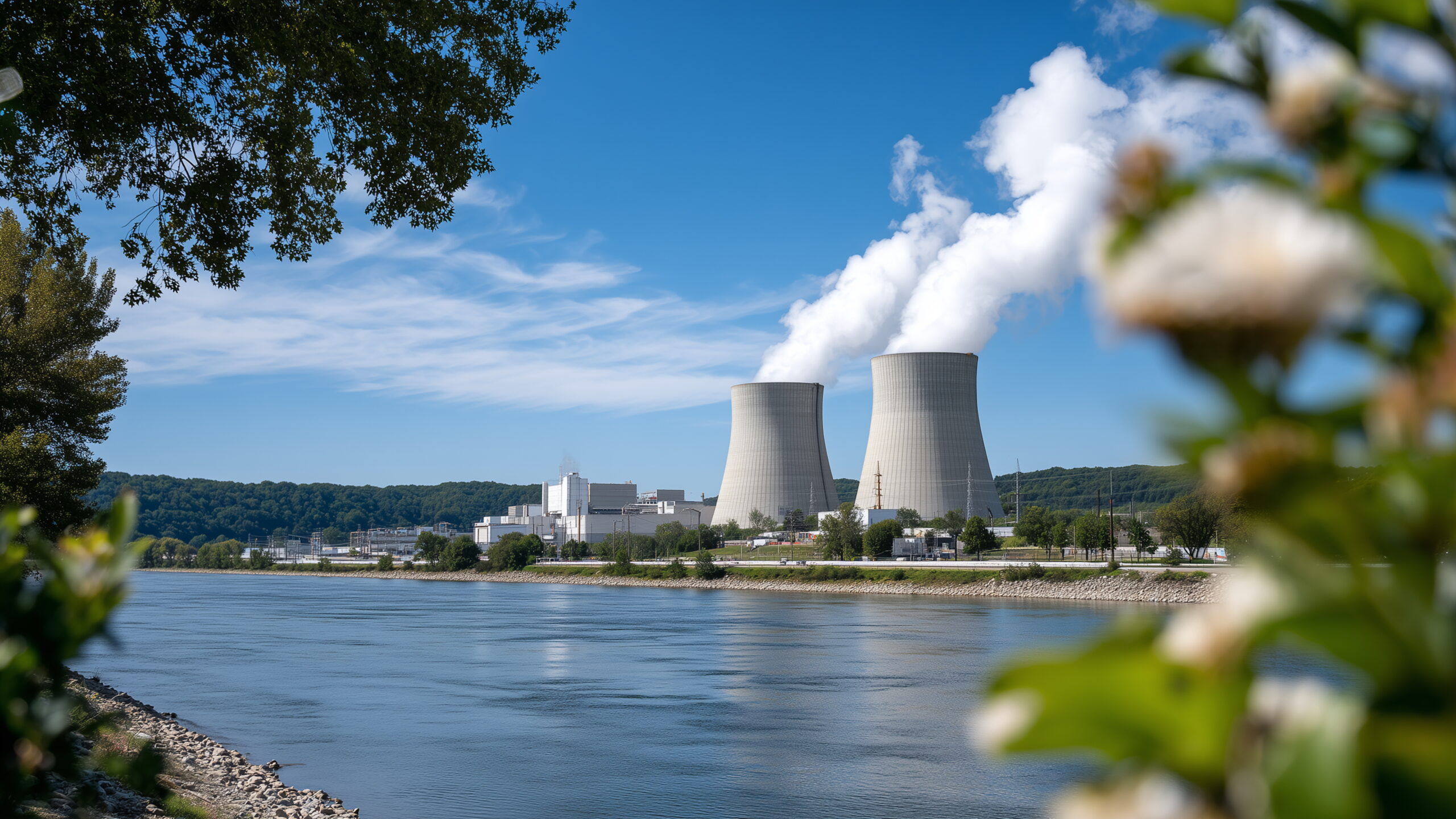
Florida lawmakers convened Tuesday for a hearing of the House Economic Infrastructure Subcommittee, focusing on how the state can stay ahead of a surge in energy demand.
Chair Chip LaMarca opened the meeting by stating that the discussion would center on “the status of advanced nuclear technologies, the changes in the regulatory environment for those technologies, and the potential steps to prepare Florida for these technologies.”
The state’s rapidly growing population underscores the need for energy solutions that can keep pace with this growth — especially as demand for new technologies, such as artificial intelligence, becomes essential for national security and global economic leadership.
Cayce Hinton of the Florida Public Service Commission presented findings from a study commissioned by the Legislature to evaluate the technical and economic feasibility of using advanced nuclear power technologies, including small modular reactors, to meet the state’s electrical power needs.
“One of the main characteristics of advanced nuclear reactors are the passive safety systems that rely on natural forces like gravity to shut down and cool the reactor. This requires no or minimal operator intervention to remain safe in the event of an accident,” Hinton said. “Versatility is also a key feature.”
Two experts from national energy think tanks testified before the Committee about successes in other states that could serve as models for Florida.
Nick Loris, vice president of public policy at C3 Solutions, told Committee members that new federal licensing reforms and private investment opportunities could pave the way for faster, more affordable nuclear development.
One opportunity he highlighted is the new federal “Part 53” licensing framework under the Nuclear Regulatory Commission (NRC), designed to modernize the approval process for small modular reactors. The goal of this framework is to shorten permitting timelines, allowing U.S.-based technologies to better compete with those from other countries.
“I do think it can cut the construction and permitting timelines from 10 to 12 years down to six, which is where South Korea and China are,” said Loris. “The United States is not operating in SMR right now, but the two countries that are – are Russia and China. If we’re thinking from a global competitiveness standpoint, [it is one way we can] lead the globe in terms of innovating for a cleaner energy future.”
Loris encouraged Florida to proactively engage with federal regulators through the NRC’s Agreement State Program, noting that the state already collects valuable environmental and hydrological data that could help shorten permitting timelines for AI and data center projects.

Josiah Neeley, a fellow at the R Street Institute, shared Loris’ optimism regarding recent state and federal changes that could revitalize nuclear energy.
“Through the Advance Act, some of the executive orders, and other actions that have been discussed, there has been a turnaround in the attitude of the federal government when it comes to nuclear power,” Neeley said. “We see this as a technology that needs to be advanced. To the extent that the federal government was a bottleneck, hopefully that will be changed.”
Neeley identified three main drivers behind the renewed interest: new small modular reactor designs that can be factory-built and scaled efficiently, increased demand for clean power from data centers, and a shift in federal policy to support innovative energy technologies.
He also advised on best practices Texas has implemented in its permitting process, including aligning state and federal policy proposals.
“To build a safer, cleaner and more resilient energy future in Florida, we must embrace forward-thinking solutions,” said CJ Morgan, speaking on behalf of the Florida First Resilience and Energy Alliance. Morgan also serves as Vice Chair of the Florida Young Republicans. “We are grateful to Chair Chip LaMarca, Rep. Bill Conerly, and other members of the Committee for exploring the new technologies and latest innovations that can not only benefit the environment but also increase reliability for customers and fulfill the growing demand to power our economy.”
The discussion underscored the urgency of modernizing Florida’s energy infrastructure. With more people moving to the state each day, there is increasing pressure to ensure a safe, resilient, and affordable energy supply.