Connect with us

Business

Dating apps are doomed because Gen Z is locked in on meet-cutes, former Hinge content lead says: They want to vibe their way through meeting people
Published

on


Ilana Dunn didn’t set out to become a dating coach. Like many of us, she endured years of trials and tribulations in relationships and relied on dating apps to help find her person. 

Dunn, now the host of the Seeing Other People podcast with nearly 50,000 subscribed listeners, had worked for several years in the music industry creating behind-the-scenes content for artists and bands. But her dating life was a “complete dumpster fire,” she told Fortune.

“I had this pattern that I couldn’t break of only dating emotionally unavailable men who worked in the music business,” Dunn said. “And so after my who-knows-what-number bad breakup, I felt like I hit rock bottom and I couldn’t listen to music. I need[ed] to get out of this industry, because it [was] causing me so much pain.”

With that, Dunn left the music industry to take a content lead position at Hinge in 2018. 

“When this opportunity came up, I was like, ‘Wow, what a cool way to use all of the pain and heartbreak that I’ve been through to help even just one person out there,’” she said. “It would make it all worth it.”

As Dunn joined Hinge, dating-app popularity was starting to peak. Hinge was acquired by the Match Group in 2019, which gave it some juice, and COVID-19 ushered in a pandemic-lockdown-era dating boom. Dunn even matched with her husband on a dating app—although she said their connection formed in person over a glass of wine.

Little did Dunn know at the time that several years later, dating apps would tank under new dating expectations and sentiment from younger generations. 

Forbes found in a 2024 survey that more than 75% of Gen Zers feel burnt out using dating apps like Hinge, Tinder, and Bumble because they don’t feel as if they can find a genuine connection with someone despite how much time they spend on the apps. Match Group’s financial results earlier this year illustrate these changing attitudes: Its first-quarter profits came in at $117.6 million, compared to $123.2 million in 2024, and paid usership was down 5% from a year ago at 14.2 million users. To be sure, Match Group on Wednesday released third-quarter earnings, showing a 2% year-over-year revenue jump. The company also invested $50 million in user-centric feature trials, marketing, and international expansion.

Getty Images

But earlier this year, Match Group CEO Spencer Rascoff admitted in a letter posted on LinkedIn dating apps today feel like a numbers game that leaves “people with the false impression that we prioritize metrics over experience.”

That’s led several major dating-app brands including Hinge, Bumble, and Tinder this year to introduce new features and products to their lineup. One example is a feature allowing Tinder users to pair up with friends to encourage double dating. 

“This is the way Gen Z wants to connect,” Rascoff said. “They want to vibe their way through meeting people.”

Why dating apps won’t make the comeback they’re hoping for

While Dunn said she’s glad the dating apps are trying to evolve—“because they need to”—she said she doesn’t think there’s anything they can do to save the dating-app industry altogether. 

“They can try to come up with more ways to [allow] people to assess chemistry, but unless they are really pushing people to meet in real life by maybe creating more in-person activations and events where people can assess, ‘Oh, is there a vibe here?’ I don’t know that they will make the comeback to being as big as they once were.”

Gen Zers and millennials have become increasingly interested in “meet-cutes” or meeting a romantic partner in real life instead of on a dating app. 

“I don’t want to just be chatting people online,” Louise Mason, a millennial freelance marketing specialist from Doncaster, U.K., previously told Fortune. “I don’t want a pen pal.”

That’s led more people to start hosting in-real-life meetups like Max Gomez, a Gen Z communications professional, who hosted a “Champagne and Shackles” party to match up partygoers. They posted fliers around their neighborhood and invited a bunch of strangers for some matchmaking “in real time,” Gomez previously told Fortune.

Getty Images

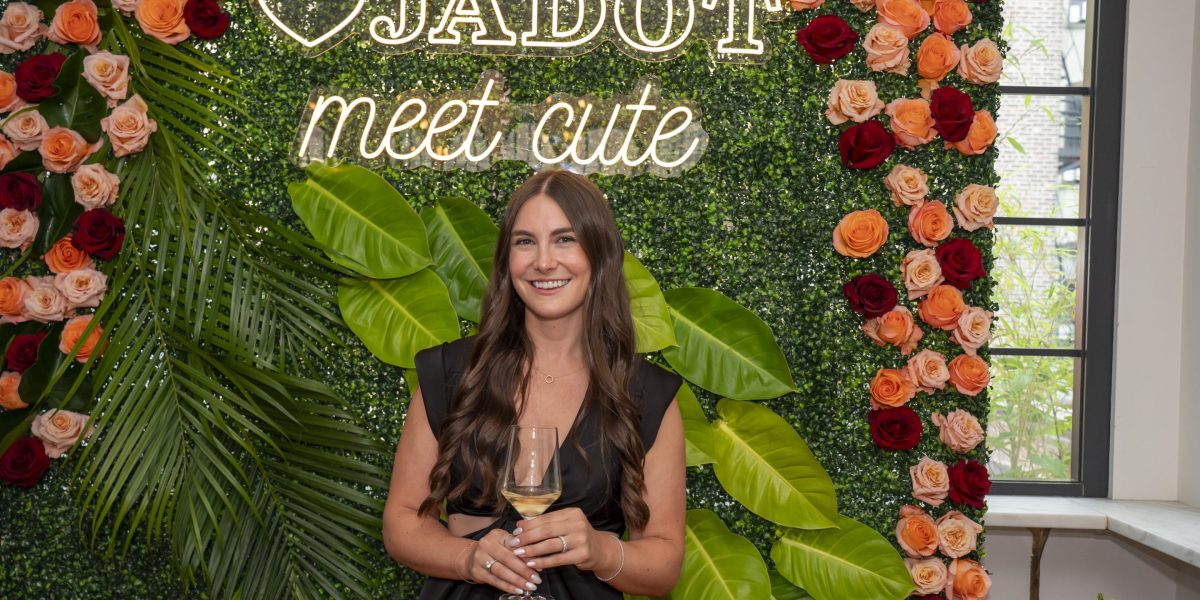
Dunn also hosted a master class for the art of the meet-cute with 156-year-old wine brand Maison Louis Jadot. The idea was inspired by the classic concept of meeting a significant other: at a bar, sharing wine.

“If you’re just sitting on your couch thinking, ‘Wow, the apps aren’t working for me and no one’s banging down my door trying to meet me, I’m going to be single forever,’ you’re not necessarily putting yourself in the best position,” Dunn said. 

She said she predicts we’ll start to see more in-person master classes, singles events, and other opportunities to meet romantic partners now that the sentiment about dating apps is changing. Still, Dunn said the fact that dating apps are making an effort to evolve shows. Hinge has lessened the number of matches a user can chat with at once, which forces users to make decisions and prioritize matches they’re genuinely interested in.

“I do think [dating apps have] come a long way in helping curate healthy dating behaviors,” Dunn said. “But I also think there are just so many people who are using them so passively.”

Dating tips from Ilana Dunn

Dunn spent about two years at Hinge as a content lead and started her podcast Seeing Other People in 2021, producing two episodes per week featuring dating experts. 

As a dating coach, she said she always encourages people to use dating apps—but not only apps. 

“It’s so much easier for somebody to hide behind their phone and put thought into the message that they’re crafting,” Dunn said. “But it is possible to also learn how to connect in real life, and it might take practice. It might take figuring out what you can control, and going to a bar that you’re familiar with, ordering a glass of wine, and striking up a conversation with somebody.”

She also said it’s about saying yes to things, like an invitation to get drinks with a coworker or seeing who else shows up or a random birthday party.

“Set a small goal for yourself and convince yourself that you can do it, and you’ll be really pleasantly surprised at what comes out of it,” said Dunn, using the example of striking up just one conversation with someone you’ve never met before.

Another tip for dating app users: Turn conversations into dates as soon as possible, Dunn said. 

“Once you’re on the date, that’s where you can decide, is there a vibe? Are we interested in each other? Do we feel that chemistry?” Dunn said.

A version of this story originally published on Fortune.com on July 7, 2024.

Fortune Brainstorm AI returns to San Francisco Dec. 8–9 to convene the smartest people we know—technologists, entrepreneurs, Fortune Global 500 executives, investors, policymakers, and the brilliant minds in between—to explore and interrogate the most pressing questions about AI at another pivotal moment. Register here.


Source link

Continue Reading

Business

Netflix’s $5.8 billion breakup fee for Warner among largest ever

Published

on


Netflix Inc.’s $72 billion acquisition of Warner Bros. Discovery Inc. includes one of the biggest breakup fees of all time — a $5.8 billion penalty that Netflix has agreed to pay its target if the deal falls apart or fails to win regulatory approval.

At 8% of the deal’s equity value, the fee is well above the average even in big-ticket dealmaking, signaling Netflix executives’ confidence they can convince global antitrust watchdogs to let the transaction go ahead. The average breakup fee in 2024 was equal to about 2.4% of the total transaction value, according to a report from Houlihan Lokey.

Netflix’s multibillion-dollar pledge is also a sign of how heated the bidding war got for control of the iconic Hollywood studio. As part of a sweetened proposal earlier this week, rival suitor Paramount Skydance Corp. had more than doubled the proposed breakup fee in its offer to $5 billion.

Warner Bros., meanwhile, would have to pay a $2.8 billion reverse breakup fee if its shareholders vote down the deal. If Warner Bros. were to accept a rival offer, the new buyer, in effect, would be on the hook for that fee.

Here are some of the biggest breakup fees in M&A history, according to data compiled by Bloomberg:

AOL/Time Warner Inc.

Deal value: $160 billion 

America Online Inc. agreed to pay a fee of about $5.4 billion if it backed out of its agreement to buy Time Warner Inc. Time Warner would pay about $3.9 billion if it broke up the transaction under certain conditions.

Percentage of deal value: 3.4%

Outcome: Completed

Pfizer/Allergan

Deal value: $160 billion

The breakup fee could have been as high as $3.5 billion, but the merger had a contingency that it would be lower if there were changes to tax law. Pfizer ended up paying just $150 million after the US cracked down on corporate tax inversions 

Percentage of deal value: 2.2% (but paid less than 0.1%)

Outcome: Terminated

Verizon/Verizon Wireless

Deal Value: $130 billion

Breakup Fee: This deal for Vodafone’s stake in Verizon Wireless was complicated. Verizon promised to pay a breakup fee to Vodafone of $10 billion if it couldn’t get financing for the deal, or $4.64 billion if its board changed its recommendation to shareholders to vote in favor of the transaction. Meanwhile, Vodafone would have owed $1.55 billion to Verizon if its board changed its mind, and either side would have had to pay $1.55 billion to the other if shareholders turned down the transaction. Vodafone also would have had to pay that $1.55 billion if an unfavorable tax ruling made it too onerous to complete the deal. 

Percentage of deal value: 7.7%

Outcome: Deal completed

AB InBev/SAB Miller

Deal value: $103 billion

Breakup fee: AB InBev agreed to pay a breakup fee of $3 billion if it failed to get approval from regulators or shareholders and instead walked away from what was then the biggest corporate takeover in UK history. 

Percentage of deal value: 2.9% 

Outcome: Completed

AT&T/T-Mobile USA

Deal Value: $39 billion 

Breakup fee: AT&T agreed to pay Deutsche Telekom a $3 billion breakup fee in cash, as well as transferring radio spectrum to T-Mobile and striking a more favorable network-sharing agreement. 

Percentage of deal value: 7.7%

Outcome: Withdrawn after regulatory opposition

Google/Wiz

Deal value: $32 billion

The companies agreed that Google would pay a breakup fee of about $3.2 billion — a huge chunk of the transaction value — if the deal didn’t close.

Percentage of deal value: 10% 

Outcome: Completed


Source link

Continue Reading

Business

A Thanksgiving dealmaking sprint helped Netflix win Warner Bros.

Published

on


The Netflix Inc. plans that clinched the deal for Warner Bros. Discovery Inc. started to shape up around Thanksgiving. 

deadline was looming: Warner Bros. had asked bidders, which also included Paramount Skydance Corp. and Comcast Corp., to have their latest proposals and contracts in by the Monday after the holiday, following a round about a week earlier. The suitors were told to put their best foot forward.

While most Americans were watching football and feasting on turkey, Netflix executives and advisers hunkered down to finalize a binding offer and a $59 billion bridge loan from banks, one of the biggest of its kind. That gave the streaming company the ammunition to make a mostly cash-and-stock bid that helped it prevail over Comcast and David Ellison’s Paramount, according to people familiar with the matter.

The resulting $72 billion deal, announced Friday, is set to bring about a seismic shift in the entertainment business — if it can survive intense regulatory scrutiny and a potential fight from Paramount. This account of Netflix’s surprise victory in the biggest M&A auction of the year is based on interviews with half a dozen people involved in negotiations. They asked not to be identified because the details are confidential.

The sales process had kicked off with several unsolicited bids from Paramount Skydance, itself a newly formed company after a merger this year orchestrated by Ellison. He’s now the studio’s chief executive officer and controlling shareholder, with backing from his father, Oracle Corp. billionaire Larry Ellison. 

Paramount’s early move gave it a head start in the bidding process weeks before other would-be buyers got access to information. But the post-Thanksgiving deadline for second-round bids became a turning point by giving Netflix time to catch up and assemble the documents it needed, some of the people said. And since the streaming giant was bred in the fast-paced ethos of Silicon Valley, it could move quickly. 

When the binding bids arrived that Monday, Netflix’s offer emerged as superior, the people said.

One issue was the Warner Bros. camp had doubts about how Paramount would pay for the company, which owns sprawling Hollywood studios, the HBO network and a vast film and TV library. Paramount’s offer included financing from Apollo Global Management Inc. and several Middle Eastern funds, and it had conveyed that its bid was fully backstopped by the Ellisons. Still, Warner Bros. executives were privately concerned about the certainty of the financing, people familiar with the matter said.

Representatives for Netflix and Warner Bros. declined to comment.

‘Noble’ vs ‘Prince’

In the weeks leading up to the finale, Warner Bros. advisers set up war rooms at various hotels in midtown Manhattan. A core group holed up at the Loews Regency, which has long been a convening spot for the city’s movers and shakers.

Inside Warner Bros., the situation was known as “Project Sterling.” The company called itself by the code name “Wonder.” The team referred to Netflix as “Noble,” while Paramount was “Prince” and Comcast was “Charm.”

At Netflix, Chief Financial Officer Spencer Neumann served as the point man while corporate development head Devorah Bertucci organized people day-to-day. Chief Legal Officer David Hyman and Spencer Wang, vice president of finance, investor relations and corporate development, also were key architects, with all of them reporting into co-CEOs Ted Sarandos and Greg Peters.

The contours of the deal were shaped in a way befitting of a tech company: mostly over video chat or phone rather than in person. Virtual war rooms were set up. While strategizing or discussing diligence on Zoom, participants would raise virtual hands or make suggestions over chat rather than unmuting and slowing down the meeting. Google Docs were used to review and edit documents together in real time.

Talks heated up this week, with Warner Bros. advisers in continuous dialogue with the bidders and negotiating contract language and value. Comcast said it would merge its NBCUniversal division with Warner Bros. Paramount offered to more than double its proposed breakup fee to $5 billion to sweeten its deal and outshine rivals. 

In the end, Warner Bros. determined Netflix had the best offer and the company was the most flexible on key terms. On Wednesday, Paramount lobbed an aggressively worded letter to Warner Bros. board saying the sales process was “tainted.” It also identified what it saw as regulatory risks in the Netflix proposal, one sign that a winning outcome was slipping away for Paramount. 

Netflix found out Thursday evening New York time that it had won. Executives and advisers were assembled on a video call when they got the official word, sparking a moment of jubilation before everyone snapped into action. By 10:25 p.m., Bloomberg News broke the news that a deal was imminent. 

Even Sarandos made it sound like the ending was a twist on a conference call with investors. “I know some of you are surprised that we’re making this acquisition, and I certainly understand why,” he said. “Over the years, we have been known to be builders, not buyers.”

Regardless of whether Paramount reemerges to try and top the bid, Netflix will have work ahead of it. It has agreed to pay a $5.8 billion breakup fee to Warner Bros. if the transaction fails on regulatory grounds. The company also has to digest its largest acquisition ever.

“It’s going to be a lot of hard work,” co-CEO Peters said on the conference call. “We’re not experts at doing large-scale M&A, but we’ve done a lot of things historically that we didn’t know how to do.”


Source link

Continue Reading

Business

‘Its own research shows they encourage addiction’: Highest court in Mass. hears case about Instagram, Facebook effect on kids

Published

on


Massachusetts’ highest court heard oral arguments Friday in the state’s lawsuit arguing that Meta designed features on Facebook and Instagram to make them addictive to young users.

The lawsuit, filed in 2024 by Attorney General Andrea Campbell, alleges that Meta did this to make a profit and that its actions affected hundreds of thousands of teenagers in Massachusetts who use the social media platforms.

“We are making claims based only on the tools that Meta has developed because its own research shows they encourage addiction to the platform in a variety of ways,” said State Solicitor David Kravitz, adding that the state’s claim has nothing to do the company’s algorithms or failure to moderate content.

Meta said Friday that it strongly disagrees with the allegations and is “confident the evidence will show our longstanding commitment to supporting young people.” Its attorney, Mark Mosier, argued in court that the lawsuit “would impose liabilities for performing traditional publishing functions” and that its actions are protected by the First Amendment.

“The Commonwealth would have a better chance of getting around the First Amendment if they alleged that the speech was false or fraudulent,” Mosier said. “But when they acknowledge that its truthful that brings it in the heart of the First Amendment.”

Several of the judges, though, seem to more concerned about Meta’s functions such as notifications than the content on its platforms.

“I didn’t understand the claims to be that Meta is relaying false information vis-a-vis the notifications but that it has created an algorithm of incessant notifications … designed so as to feed into the fear of missing out, fomo, that teenagers generally have,” Justice Dalila Wendland said. “That is the basis of the claim.”

Justice Scott Kafker challenged the notion that this was all about a choose to publish certain information by Meta.

“It’s not how to publish but how to attract you to the information,” he said. “It’s about how to attract the eyeballs. It’s indifferent the content, right. It doesn’t care if it’s Thomas Paine’s ‘Common Sense’ or nonsense. It’s totally focused on getting you to look at it.”

Meta is facing federal and state lawsuits claiming it knowingly designed features — such as constant notifications and the ability to scroll endlessly — that addict children.

In 2023, 33 states filed a joint lawsuit against the Menlo Park, California-based tech giant claiming that Meta routinely collects data on children under 13 without their parents’ consent, in violation of federal law. In addition, states including Massachusetts filed their own lawsuits in state courts over addictive features and other harms to children.

Newspaper reports, first by The Wall Street Journal in the fall of 2021, found that the company knew about the harms Instagram can cause teenagers — especially teen girls — when it comes to mental health and body image issues. One internal study cited 13.5% of teen girls saying Instagram makes thoughts of suicide worse and 17% of teen girls saying it makes eating disorders worse.

Critics say Meta hasn’t done enough to address concerns about teen safety and mental health on its platforms. A report from former employee and whistleblower Arturo Bejar and four nonprofit groups this year said Meta has chosen not to take “real steps” to address safety concerns, “opting instead for splashy headlines about new tools for parents and Instagram Teen Accounts for underage users.”

Meta said the report misrepresented its efforts on teen safety.

___

Associated Press reporter Barbara Ortutay in Oakland, California, contributed to this report.


Source link

Continue Reading

Trending

Copyright © Miami Select.