
Business
Coinbase’s latest run places Brian Armstrong among the great leaders of Silicon Valley

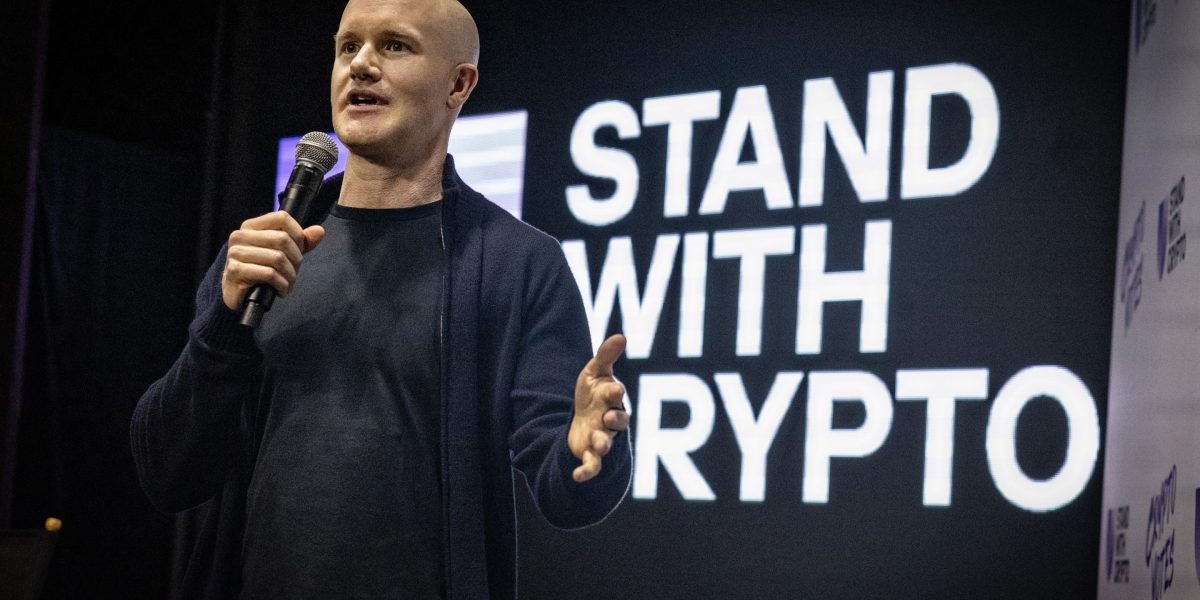
Brian Armstrong lacks the swagger of Jeff Bezos, the audacity of Mark Zuckerberg, or Elon Musk’s cult of personality. Still, it’s become clear of late that the Coinbase CEO possesses the same vision and leadership qualities that have made those other founders tech industry legends. The time has come to give the 42-year-old Armstrong his due.
I recently sat down with the Coinbase CEO at a Goldman Sachs event north of San Francisco. Unlike many executives, Armstrong doesn’t relish media interviews, but he lights up when given the opportunity to discuss big ideas in crypto and technology. This was the case when I asked him about the fast-evolving world of wallets—which Armstrong believes will supplant web browsers—and the potential for crypto-based identity verification, which he thinks is coming soon.
Armstrong has been right about calls like this in the past. Way back in 2016, he shared a “master plan” that envisioned blockchain evolving into a multi-pronged industry that touched hundreds of millions of people. It seemed fanciful at the time, and even more so when Crypto Winter set in and Bitcoin nose-dived to $2,000 the next year. Today, that far-flung prediction has come true. This ability of Armstrong to see where crypto is going, and to position his company accordingly, is a big reason why Coinbase has been the dominant company in U.S. crypto for nearly 15 years.
This is reflected in Coinbase’s third-quarter earnings report, released on Thursday, which shows how the company has diversified beyond trading revenue, and is making real money on services like stablecoins, staking, and custody. Equally impressive is that Coinbase keeps posting hefty profits quarter after quarter.
A big reason for this is that Armstrong, like other successful CEOs, figured out how to put in place a skilled executive team. Unlike Coinbase’s early days, which were riven by drama and in-fighting, the company is today defined by stability. That’s thanks in big part to the steady hand of CFO Alesia Haas, and to President and COO Emilie Choi, whose prowess at M&A has made Coinbase an essential player in every sector of crypto. The company’s recent acquisition of derivative shop Deribit, and its perpetual futures cash machine, is looking especially shrewd.
Like other visionary CEOs, Armstrong has been willing to embrace unpopular and contrarian stances. Those include rejecting the “blockchain not Bitcoin” vogue during the crypto winter of 2015, and telling the New York Times to take a hike when the paper branded Coinbase as racist for refusing to bow to the excesses of wokeness.
Armstrong has also made some outsize mistakes. In 2022, he squandered resources on a series of Hollywood vanity projects at a time when he should have been preparing Coinbase to ride out an industry downturn. More recently, a disastrous decision to outsource service operations to India led to a costly hack. But even the best CEOs don’t bat a thousand—ask Zuckerberg about the metaverse or Musk about the Tesla 3 roll-out. And like those leaders, Armstrong has shown he’s able to learn from his mistakes.
In the coming year, his CEO skills will be tested anew. Coinbase’s most formidable overseas rivals, Binance and Tether, are getting set to ramp up U.S. operations, and the company will have to show it can avoid the bureaucracy and corporate bloat that befalls many incumbents. But based on history, it would be foolish to underestimate Armstrong.
Jeff John Roberts
jeff.roberts@fortune.com
@jeffjohnroberts
DECENTRALIZED NEWS
Mastercard eyes a stablecoin startup: Earlier this month, the credit card giant lost out to Coinbase in its bid to acquire stablecoin startup BVNK. Now, it’s pursuing another stablecoin company: Chicago-based Zerohash. The potential price—between $1.5 and $2 billion—suggests an element of FOMO. (Fortune)
JPM hearts blockchain: America’s biggest bank has put a private equity fund on its in-house Kinexys Fund Flow chain. The offering is available only to wealthy clients, but appears to be part of a broader tokenization push aimed at leveraging blockchain’s intrinsic speed and transparency in order to sell exotic assets to retail. (WSJ)
Fight fight fight: That’s the name of the corporate vehicle that oversees President Trump’s memecoin. It is now in talks to acquire Republic, a blockchain-based crowd-funding platform, with a view to making $TRUMP part of its operations for fees and capital-raising. (Bloomberg)
CZ vs. Liz Warren: The Binance founder threatened to file a defamation suit over comments by the Democratic senator that he “pleaded guilty to a criminal money laundering charge.” Warren’s camp shot back that he has no case because the statement is true and, in any event, is not actionable. (The Block)
Crypto ETFs Part II: Recent approvals by the SEC mean investors can now buy Solana, Litecoin and Hedera in an ETF wrapper. The Bitwise Solana Staking ETF (BSOL) notched around $50 million in daily trading volume but the other two flopped. (Fortune)
MAIN CHARACTER OF THE WEEK
@JasonYanowitz
Blockworks CEO Jason Yanowitz, or Yano, became this week’s main character when he unceremoniously shut the firm’s well-regarded newsroom. Media is a notoriously tough business but Yano’s new plan to remake Blockworks as a data analytics firm is no slam dunk. That’s doubly the case for a CEO who is known for prowess in marketing, not technology.
MEME O’ THE MOMENT
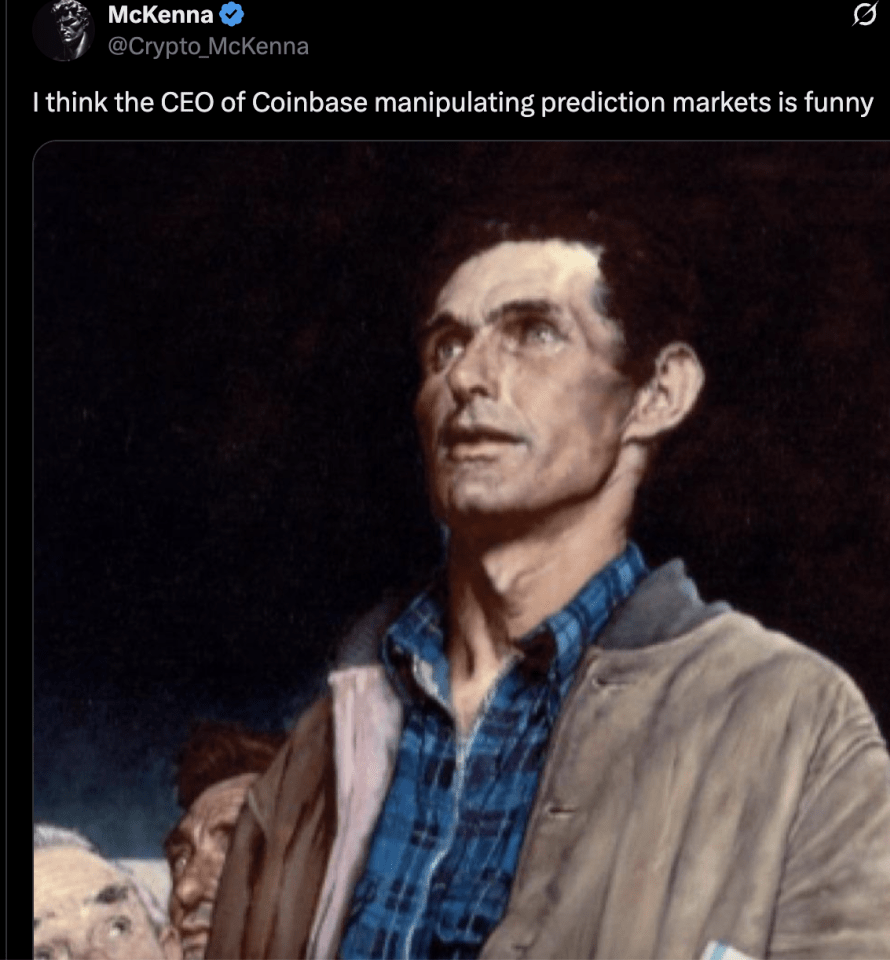
@Crypto_McKenna
Brian Armstrong set off chatter on Crypto Twitter when he used the end of Coinbase’s earnings call to utter a series of words that appeared in “will he say it?” bets on prediction markets. Some fretted about the ethical implications, but others, seeing the absurdity in the whole thing, just found it funny.
Business
Crypto market reels in face of tariff turmoil, Bitcoin falls below $90,000 as key legislation stalls
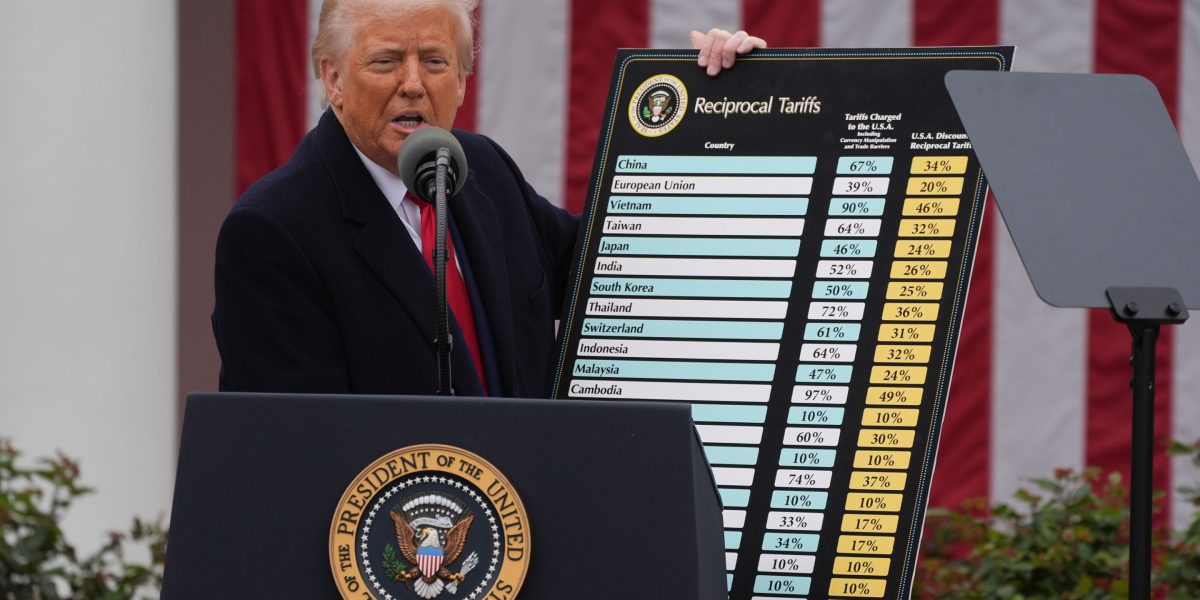
President Trump lives on deals: “That’s what I do—I do deals,” he once told Bob Woodward. On the one-year anniversary of his second presidency, he’s pushing hard to make his biggest, most disruptive deal ever, one that would bring Greenland under the control of the U.S.—and the global business community is still scrambling to adapt to his approach. Here are nine of Trump’s most unorthodox deals from the past year.
Nine deals that shook the business world
April 2, 2025: Reciprocal tariffs
Trump imposes “reciprocal tariffs” on 57 countries, with each tariff understood as an opening bid in a negotiation. Several countries have since made deals. The one-on-one negotiations, unlike the multilateral system of the past 80 years, can be chaotic for companies and economies
June 13: U.S. Steel “Golden Share”
In return for allowing Nippon Steel to buy U.S. Steel, Trump requires that the U.S. receive several powers over the company, including total power over all the board’s independent directors and vetoes over locations of offices and factories.
July 10: MP Materials
The U.S. pays $400 million for a large equity share in MP and signs a contract to buy all of MP’s rare earth magnets for 10 years. The reason for the equity stake was not disclosed.
July 14: Nvidia, Part 1
JADE GAO—AFP/Getty Images
Trump reverses the U.S. ban on selling Nvidia H20 chips to China in exchange for Nvidia paying the U.S. 15% of the revenue.
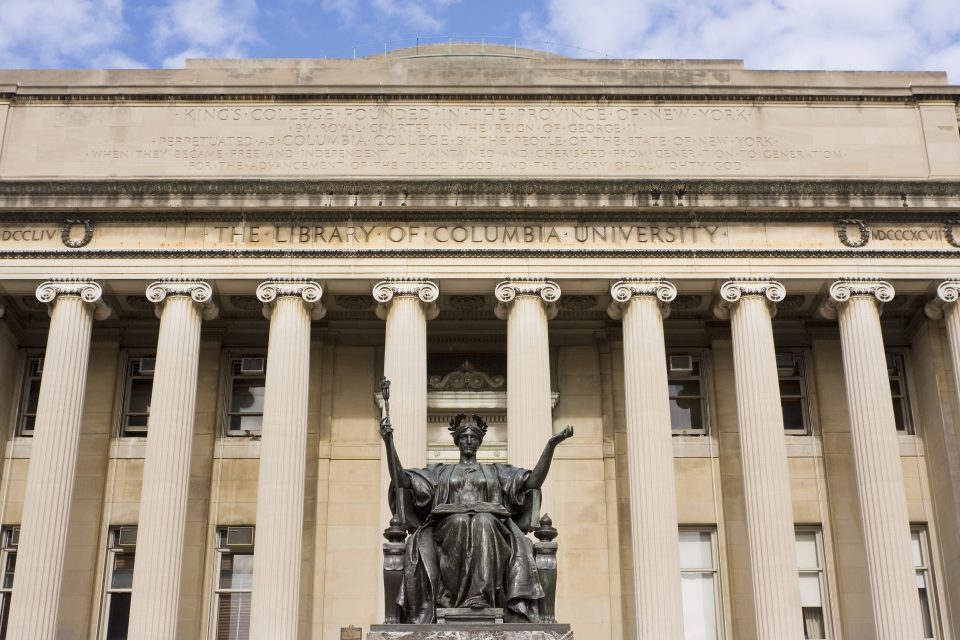
July 23: Columbia University
LYA CATTEL/Getty Images
The Trump administration restores $400 million of canceled federal research funding for the university under an unprecedented multipoint deal. For example, Columbia must supply data to the federal government for all applicants, broken down by race, “color,” GPA, and standardized test performance. A few other schools later make similar deals.
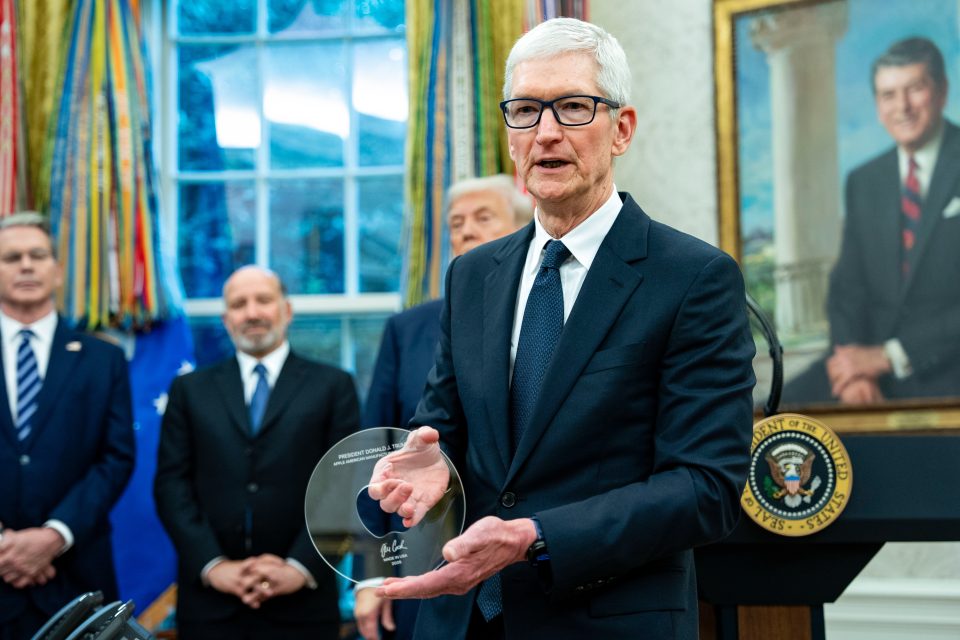
August 6: Apple
Bonnie Cash—UPI/Bloomberg/Getty Images
At a public appearance with Trump, CEO Tim Cook announces Apple will invest an additional $100 billion in the U.S. over four years; Trump announces Apple will be exempt from a planned tariff on imported chips that would have doubled the price of iPhones in the U.S.
August 22: Intel
Justin Sullivan—Getty Images
Intel trades the U.S. government a 9.9% equity stake in exchange for $8.9 billion that might already be owed to Intel under the CHIPS and Science Act. The deal is unusual because the company was not in immediate danger or significantly affecting the economy.
December 8: Nvidia, Part 2:
Trump reverses the U.S. ban on selling powerful Nvidia H200 chips in exchange for Nvidia paying the U.S. 25% of the revenue. Both Nvidia deals are unusual because the payments to the U.S., based on exports, appear to be forbidden by the Constitution.
December 19: Pharma
Alex Wong—Getty Images
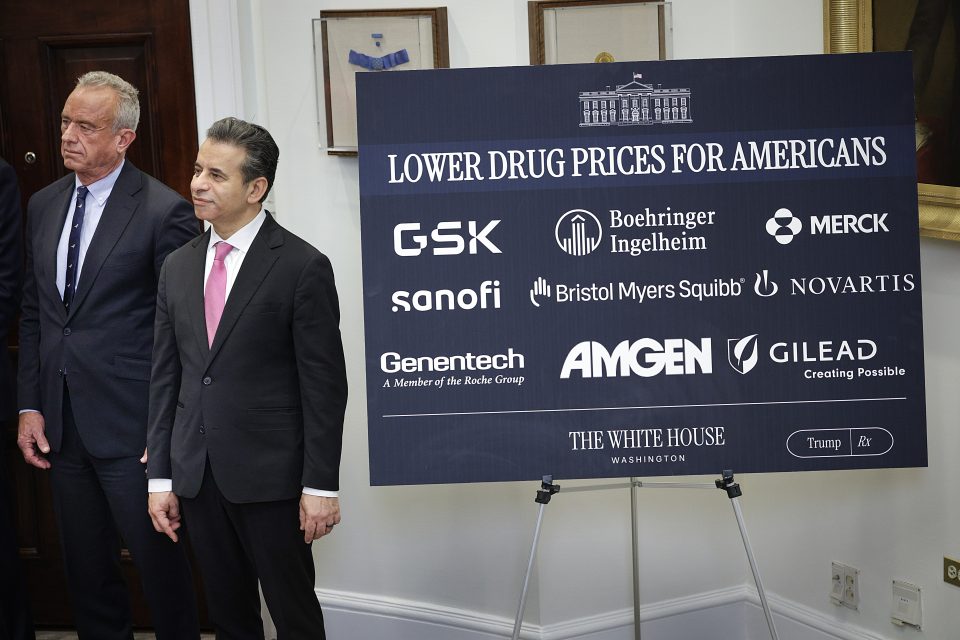
Nine pharmaceutical companies make deals with Trump that are intended to lower drug prices. This is unusual because Trump negotiated separate deals with each company, and the terms have not been released.
All eyes this week will be watching President Trump at the World Economic Forum in Davos, where the president has hinted he’ll announce some high-stakes agreements. Expect the unexpected.
A version of this piece appears in the February/March 2026 issue of Fortune.


Italian childrenswear remains in decline, 2025 expected to contract by 3.2%

House panel OKs bill to restore the Ocklawaha River

What a Walmart CEO contender’s exit reveals about when to move on
-

 Politics8 years ago
Congress rolls out ‘Better Deal,’ new economic agenda
-
Entertainment9 years ago
New Season 8 Walking Dead trailer flashes forward in time
-
Politics9 years ago
Poll: Virginia governor’s race in dead heat
-
Politics8 years ago
Illinois’ financial crisis could bring the state to a halt
-
Entertainment8 years ago
The final 6 ‘Game of Thrones’ episodes might feel like a full season
-
Entertainment9 years ago
Meet Superman’s grandfather in new trailer for Krypton
-
Business9 years ago
6 Stunning new co-working spaces around the globe
-
Tech8 years ago
Hulu hires Google marketing veteran Kelly Campbell as CMO