
Politics
Time to end rent on homeownership — repeal Required Local Effort


Property taxes essentially function as a form of land rent, a truth that cannot be ignored.
When Gov. Ron DeSantis asserts that property taxes prevent actual ownership of property, he is correct. This understanding is precisely why Florida’s early leaders introduced the original homestead exemption during the Great Depression.
Reforming the homestead exemption is one of three key tax reform priorities that should take precedence. Achieving this will require a constitutional amendment, which we can discuss further later.
The second priority is increasing local government accountability by eliminating service duplication and clarifying the distinction between general revenue taxes and service taxes. However, the third priority, which we will address here, is the most straightforward to pursue in the 2026 Session.
It doesn’t require a constitutional amendment and avoids the contentious issues surrounding local government. The first step in property tax reform must be the repeal of the statewide school tax, known as the Required Local Effort (RLE).
The RLE is an outdated remnant of 20th-century education bureaucracy and lacks relevance in today’s context of empowering students and parents. This nearly $11 billion tax is not subject to the second homestead benefit, is exempt from the 10% cap on non-homestead properties, and does not adhere to the rollback provisions.
Its dissimilarity to other tax lines raises questions about its legality.
According to Section 1(a), Article VII of the Florida Constitution, “… No state ad valorem taxes shall be levied upon real estate or tangible personal property …”
How, then, can the RLE be considered legal? While local school boards nominally “adopt” their RLE millage, they have little real influence; the state budget is set each year with a predetermined RLE amount, which the Department of Revenue allocates using a complex formula that results in a millage rate sent to districts for approval.
There are no substantial hearings or considerations for rollback rates — just a straightforward demand for payment.

This indeed resembles a “state ad valorem tax,” doesn’t it?
Long-time observers of Florida politics will remember when then-Speaker Marco Rubio sought to replace this tax with a sales tax swap during the Great Recession, when the state budget was $66 billion.
Now, 16 years later, with a state budget of $116 billion, we can eliminate this tax without getting bogged down in discussions of a sales tax increase; we can phase it out, as the commercial rent tax was reduced over the last decade. The initial step is to cap the RLE at $10 billion — an immediate reduction from the current amount — and ensure it never exceeds this cap. Then, we can cut it by $1 billion each year over the next ten years.
This line item constitutes 25% of total property tax collections statewide, and phasing it out does not require a constitutional amendment; it is an obvious solution. No other property tax reform can achieve such a significant impact with relatively low political costs.
As we approach the next Legislative Session, it is essential to proceed with caution.
Anyone who has undertaken a home renovation understands how quickly and satisfying the demolition phase can be, yet how challenging it is to complete renovations properly. Proposals such as a complete property tax repeal may seem appealing for improving affordability.
Still, those familiar with economics recognize that home prices would likely soar as demand for an asset with no carrying costs increases. We must be careful not to cause more harm than good. In my experience, simpler solutions are often the most effective.
Therefore, if the Legislature seeks to provide meaningful relief today, the most straightforward approach is to repeal the RLE.
___
Matt Caldwell currently serves as the elected Lee County Property Appraiser and served in the Florida House of Representatives from 2010 to 2018.

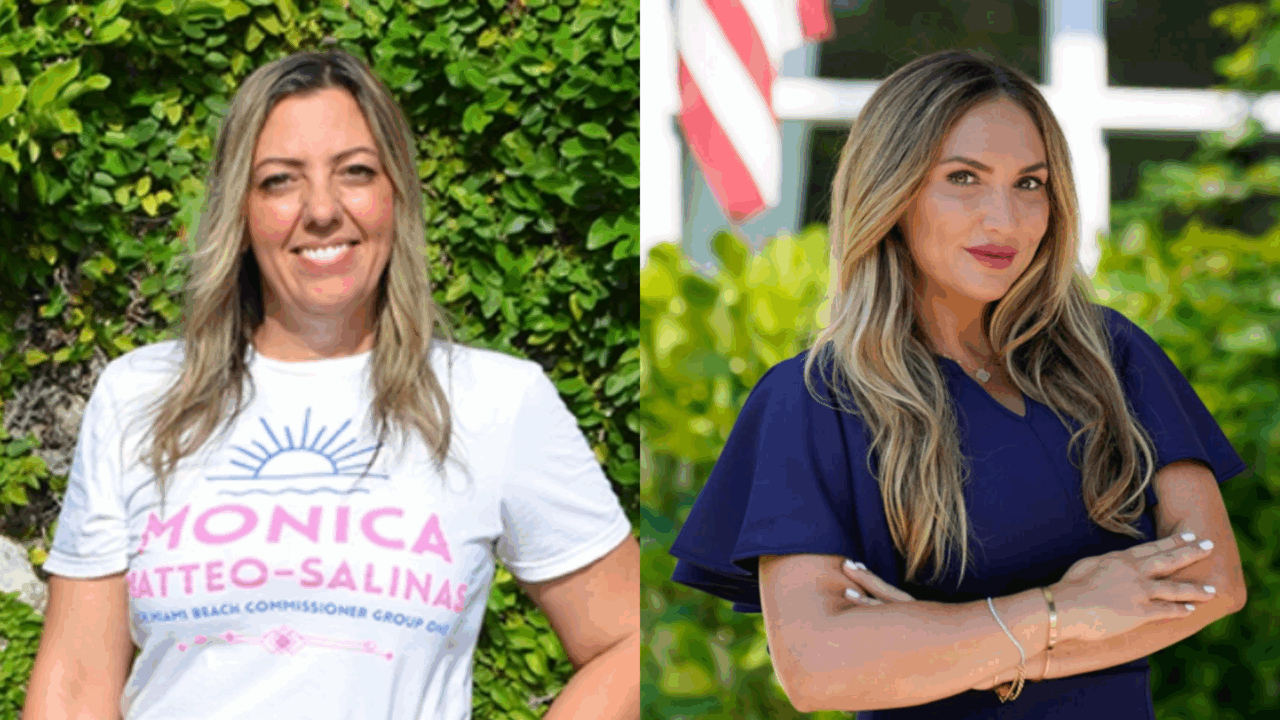
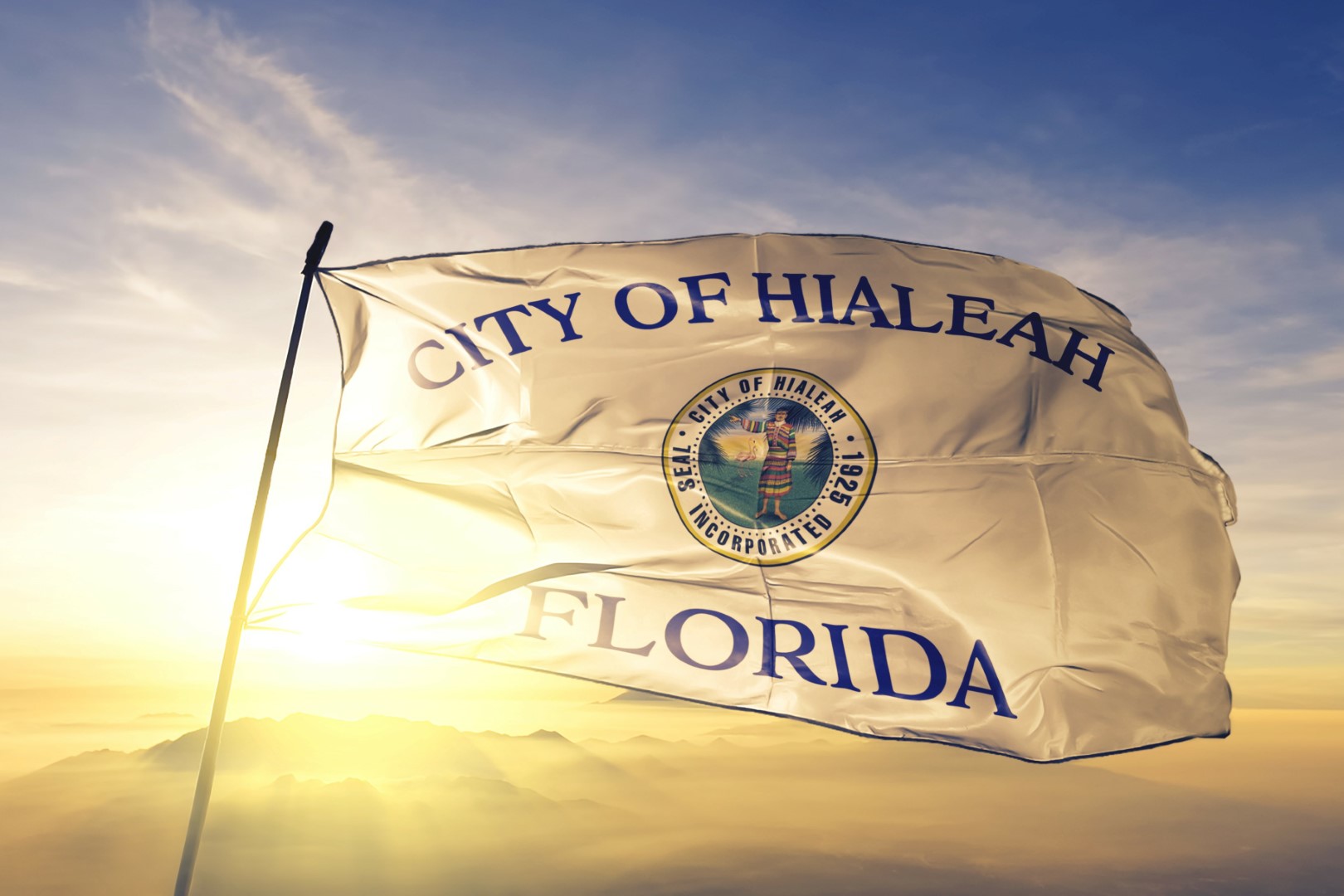
Early voting is underway in Hialeah as two Council runoff contests will decide who rounds out a markedly different dais at City Hall.
The Group 3 and Group 4 races — featuring Jessica Castillo versus Gelien Perez and William “Willy” Marrero versus Javier Morejon, respectively — also stand to determine whether new Mayor Bryan Calvo gains early influence over the Council.
Perez and Castillo advanced to the Group 3 runoff in last month’s General Election with 40.5% and 36% of the vote, respectively, leaving one third-place candidate behind.
In Group 4, Marrero narrowly led the field with 24.8%, followed by Morejon at 23.3%. They outpaced three others in the contest.
To win outright, a candidate had to capture more than half the vote in their respective races.
The runoffs present one of the first real tests of how much sway Calvo, who made history last month as the youngest person ever elected Hialeah Mayor, will have as he prepares to take office.
He has endorsed Perez and Marrero — a strategic pairing that blends rival factions from the mayoral contest into his new governing coalition. Both ran with political slates opposing him. He told the Miami Herald last month that he’s aiming to create “a coalition to approve the agenda,” without an expectation that Perez and Matteo “will vote with (him) 100% of the time.”
If both candidates win, Calvo could enter January with a working majority on the seven-member Council and greater control over the upcoming appointment to fill Jesus Tundidor’s soon-to-be-vacant seat. Tundidor ran unsuccessfully for Mayor.
In Group 3, Perez, 35, a former city Human Resources Director and one-time mayoral aide, has campaigned on supporting first responders and small businesses, improving infrastructure and parks, expanding senior services and rejecting millage rate increases.
But her tenure as HR director drew scrutiny: a two-year Miami-Dade ethics investigation found employees under her influence received sizable raises while she acted as their real estate agent. She has not publicly responded to inquiries about the probe.
Castillo, 37, has run as an independent voice focused on transparency, accountability, traffic relief, infrastructure upgrades and lower taxes. She has kept her campaign largely offline, with no website and minimal social media activity.
In Group 4, Marrero, 23, a Florida International University public administration student and former Council aide, has emphasized affordability, issues facing working families and seniors, and support for first responders.
Earlier this year, three Council members attempted to appoint him to the same seat he now seeks, but opposition from others blocked the move.

Morejon, 34, a land-use specialist with an extensive volunteer résumé, is running on infrastructure repairs, government transparency, beautification and reducing the cost of city services.
Election Day is Monday, Dec. 9. Because Hialeah elects Council members at-large, all voters can cast ballots in both races.


US vaccine advisers end decades-long recommendation for all babies to get hepatitis B shot at birth

Jamie Dimon on AI: ‘maybe one day we’ll be working less hard but having wonderful lives’

This pastor fills up arenas by not sugarcoating the Bible
-

 Politics8 years ago
Congress rolls out ‘Better Deal,’ new economic agenda
-
Entertainment8 years ago
New Season 8 Walking Dead trailer flashes forward in time
-
Politics8 years ago
Poll: Virginia governor’s race in dead heat
-
Entertainment8 years ago
The final 6 ‘Game of Thrones’ episodes might feel like a full season
-
Entertainment8 years ago
Meet Superman’s grandfather in new trailer for Krypton
-
Politics8 years ago
Illinois’ financial crisis could bring the state to a halt
-
Business8 years ago
6 Stunning new co-working spaces around the globe
-
Tech8 years ago
Hulu hires Google marketing veteran Kelly Campbell as CMO