Europe’s luxury companies, from LVMH to Hermes and L’Oreal, are tentatively pointing to signs of a revival in China, but are also cautious about calling the turn on one of their biggest markets after a two-year slump.
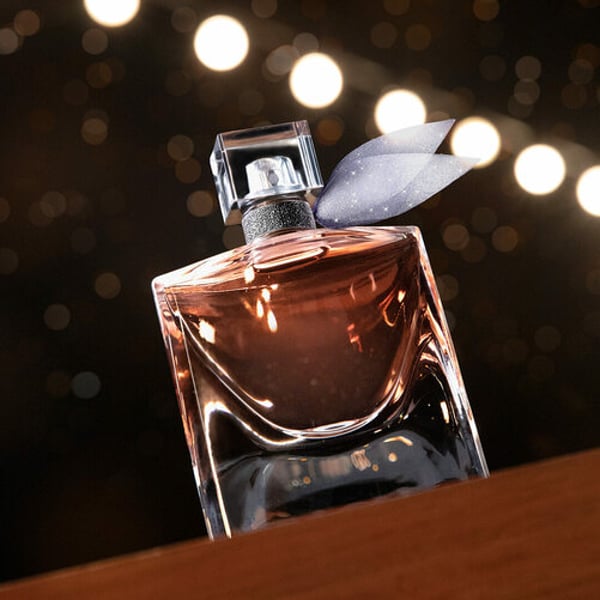
L’Oreal’s beauty brands include Lancôme – Divulgação
The $400 billion luxury sector has been hit hard by the downturn in China, which accounts for around a third of global luxury sales as Chinese shoppers snapped up Louis Vuitton and Birkin bags in Shanghai malls as well as in New York and London.
Now there are glimmers of hope that the worst may be over even though China’s troubles continue, with economic growth that is likely to have slowed to a one-year low in the third quarter as a prolonged property downturn and trade tensions hit demand.
LVMH’s more upbeat sales report last week spurred an $80 billion rally in luxury shares on optimism about a China revival, but luxury companies reporting this week have painted a mixed picture.
“I’m always very careful about China because one quarter doesn’t make a trend. But overall the market has gone into positive territory,” L’Oreal chief executive Nicolas Hieronimus said after the company reported its first China growth in two years, though missed sales forecasts, sending its shares down around 6% on Wednesday.
Hieronimus said the key driver had been the beauty group’s luxury division, which includes high-end brands like Lancome and Helena Rubinstein skincare. He said investors should not get over-excited given China’s tough economic conditions. The big focus was the mega Singles Day shopping festival on November 11. “Many times at the end of the year it’s between China’s 11/11 and the holiday season in America and Europe. So fingers crossed,” he said.
French luxury goods group Hermes on Wednesday flagged a “very slight improvement” in China, but its third-quarter sales came in below expectations, hitting its shares which fell more than 4%. Eric du Halgouet, executive vice-president Finance, told analysts that the important October Golden Week holiday in Mainland China had seen “more dynamic activity”.
“We can’t extrapolate to the entire quarter, but it’s an encouraging sign,” he said, adding there had been a marginal improvement in foot traffic helped by a focus on higher-value products from more expensive watches to jewellery. “That said, we must remain cautious,” he added. “There are some positive signs, such as the evolution of stock markets and the stabilisation of the real estate market in certain major cities. These are elements that are encouraging us.”
The focus on high-end luxury could curb the benefits for more mainstream luxury and consumer product companies, which are under pressure in China as consumers shift to local brands and tighten their belts given general economic uncertainty. Deutsche Bank said in a research note that companies like L’Oreal had limited upside in China with credit growth waning, and growth skewed towards certain provinces.
LVMH has been the most bullish so far on China. The luxury group’s shares had their best day in over two decades last week after signs of improved demand in mainland China where sales turned positive for the first time this year.
Cecile Cabanis, LVMH chief financial officer, said last week China was stabilising, with mid-to-high single-digit local growth. Chinese tourist spending was still sliding but less than before. There were signs of restocking of cognac brand VSOP.
She said Vuitton had seen a “very steep improvement” in China sales, while Dior and Sephora had seen a better performance. “It’s very encouraging,” she said, though highlighted that the economic picture in China had not changed fundamentally. “We still have the real estate market, which is complex. We still have a high unemployment,” Cabanis said. “So we consider it’s still going to take time until we have a rebound on China as a whole.”
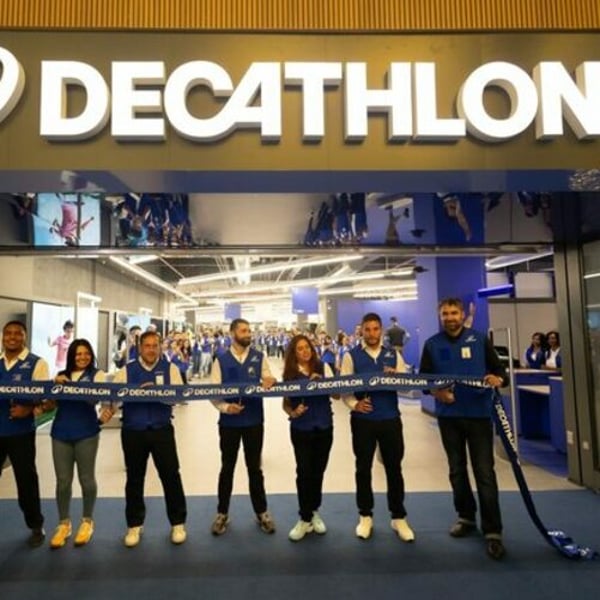
French sporting goods retailer Decathlon is continuing its expansion across Latin America. The business has opened its first store in El Salvador, a large-format location at the Multiplaza shopping centre in the country’s capital San Salvador.
Decathlon
‘This country, known for its rich culture, its Pacific coastline ideal for surfing, and its growing passion for outdoor sports, represents a strategic and vibrant market for our mission,” said the business in a release. Decathlon also stated that it aims to “bring people together through sport to make wellbeing accessible for all.”
Decathlon’s expansion into Latin American markets has marked a milestone, boosting access to sports equipment across a range of disciplines. The business currently has a presence in Mexico, Colombia, Chile, Brazil, Panama, Costa Rica, and now El Salvador.
Latin America has become a highly attractive market for European and other international brands, with new market entries up by more than 30% over the past three years.
This article is an automatic translation. Click here to read the original article.
Two now becomes three. Fashion accessories/jewellery membership club More Luxury Club has joined forces with Cocoon Club and My Wardrobe HQ to operate under an ever-widening Cocoon Group umbrella to become a “circular luxury powerhouse”.
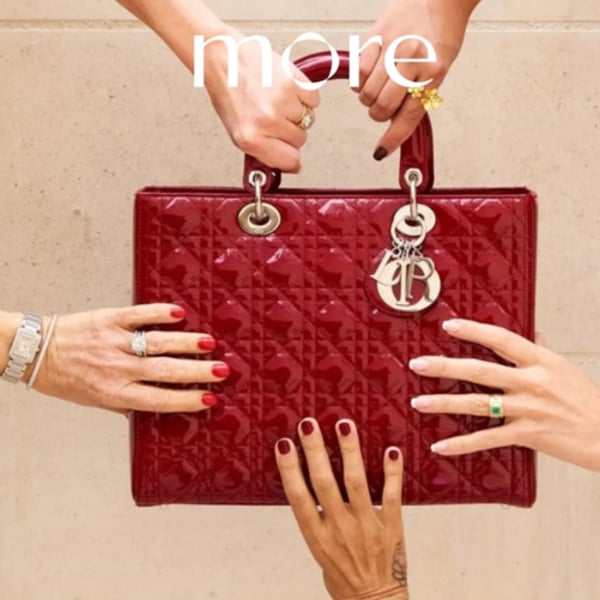
Image: More Luxury Club
With More Luxury Club founded “to redefine how people access and enjoy luxury goods, building a loyal community passionate about quality, longevity, and conscious consumption”, it dovetails neatly with the Cocoon Group ethos.
Cynthia Morrow, co-founder of More Luxury Club, explained: “Cocoon shares our belief that the future of luxury lies in sustainability, circularity, and community – and we are proud that our members will continue this journey within a company that shares our values and long-term vision”.
She noted that it’s an integration that “marks an important milestone for the circular fashion sector”.
Cocoon Group’s overall mission is “to build the leading ecosystem for circular luxury”, expanded benefits including access to designer rental, resale, subscription models and exclusive brand collaborations – “all within one unified platform”.
Following its recent merger with My Wardrobe HQ, Cocoon said it has become a consolidating force in the circular luxury sector, bringing together businesses such as Rotaro, Cercle, and now More Luxury Club, “positioning Cocoon as the definitive category leader”, offering the “most comprehensive, sustainable, and innovative way to access and enjoy luxury fashion in the UK”.
Cocoon Group CEO Coco Baraer Panazza, added: “Our mission is to build the most forward-thinking and sustainable way for people to enjoy luxury… as we continue to scale a smarter, more inclusive and more circular future for fashion together.”
Kering used to have a minority stake in Cocoon (which it took in 2021) but it exited that stake earlier this year.
What’s been a good year for Outlet Shopping at The O2 has just got better. The centre, linked closely to the O2 entertainment arena in the Greenwich Peninsular, southeast London, has opened two more new stores — fashion retailer TM Lewin and jewellery brand Lovisa — while also adding a recently-upsized unit for sportswear brand New Balance.
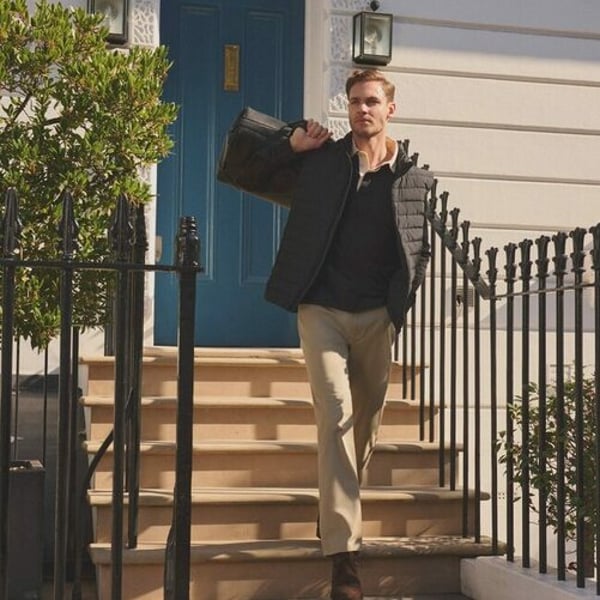
Image: TM Lewin
It all adds up to “growing momentum” for an outlet shopping destination that’s “on track for a stellar end to 2025” having enjoyed a 23% uplift in sales throughout November vs 2024, and footfall up 24% across the whole scheme, it said.
British heritage brand TM Lewin’s 1,827 sq ft store becomes the retailer’s only outlet location after returning to physical retail earlier this year. The space offers the brand’s range of shirts, suits, and accessories.
Dan Ferris, managing director at TM Lewin, said: “Our re-entry into physical retail has been a big move for us this year, and we have carefully selected locations where we believe our stores can get the best experience, regular customers, and be part of a community.”
Also making its outlet debut, Lovisa will open a 1,722 sq ft unit, adjacent to fashion retailers Dune London and Kurt Geiger, becoming the destination’s second dedicated jewellery retailer. It’s arrival supports the venue as a draw for accessories with demand “up 38% over November vs the same period in 2024”.
The store will offer its full range of necklaces, earrings and rings as well as its piercing facilities.
Long-standing tenant New Balance is also set to reinvest at the outlet, upsizing into a new 3,129 sq ft unit. The space will sport the brand’s new store concept, with additional space for wider stock collections.
Louisa Dalgleish, leasing director at Outlet Shopping at The O2, added: “As a destination already full of leading retail, the fact that we continue to attract such strong brands for their outlet debuts speaks volumes about our sustained momentum. Our success is a direct result of our collaborative landlord approach and the strength of our tenant mix, and our positive results throughout November are a clear indication that things show no sign of slowing down, with us remaining firmly front of mind for new entries into the outlet market.”





 Politics8 years ago