
Politics
Ashley Litwin Diego launches HD 106 campaign, promises ‘fresh perspective and real solutions’

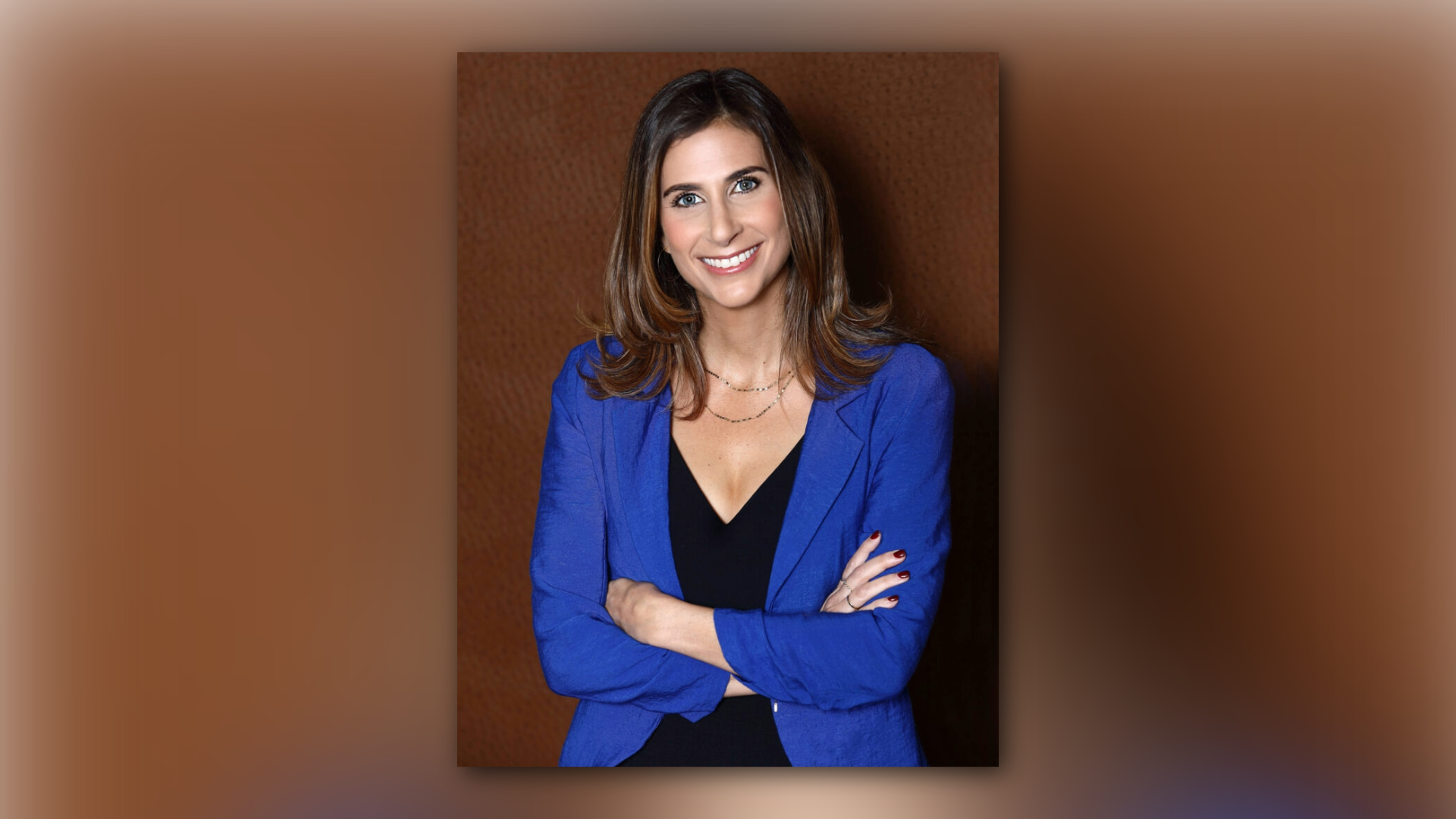
Lawyer and cancer survivor Ashley Litwin Diego has entered the race to represent northeast Miami-Dade County in House District 106, vowing to bring practical leadership and bipartisan problem-solving to Tallahassee.
Litwin Diego, a Miami Beach Democrat and partner at Seitles & Litwin, announced her candidacy this week, framing her campaign as a fight for fairness, opportunity and stability for South Florida families.
“I’m running to bring fresh perspective and real solutions,” she said in a statement.
“To lower property insurance rates, to protect our coastlines and waterways from climate change, to ensure safe boating, to advance common sense gun safety, to help families manage the cost of living in our community and to protect the fundamental rights that define who we are as Floridians. This is home. It has given my family everything, and I am ready to give back. To stand up and fight — because I can no longer sit by and watch.”
Litwin Diego’s platform centers on delivering what her campaign calls “practical solutions” for HD 106 residents, including lowering insurance costs, holding insurers accountable while protecting renters and tackling a growing statewide cost-of-living crunch that is particularly pronounced in South Florida.
She also promises to fight for stronger gun laws, more robust boating safety measures and work to expand access to affordable health care. “As a breast cancer survivor, she knows firsthand how important access to affordable, quality healthcare is,” her campaign said, “and (she’ll) work to expand access so no one has to choose between their health and financial security.”
A seasoned trial lawyer, she has practiced law for nearly two decades, focusing on defending constitutional rights and promoting criminal justice reform. Her work earned her recognition among the National Trial Lawyers’ “Top 40 Under 40” and a finalist spot for the Daily Business Review’s “Most Effective Criminal Lawyer.”
She’s also no stranger to unusual cases, including one involving divers freeing sharks and a goliath grouper from what they believed was an illegal fishing line that made several headlines this year. President Donald Trump ultimately intervened in the case, pardoning the two defendants.
Beyond her legal work, Litwin Diego serves as President of the Board of Directors for Transition Inc., a Miami nonprofit that has helped more than 35,000 returning citizens find jobs and stability after incarceration.
“For almost 20 years I’ve fought for the rule of law, for people who needed someone to show them compassion. I have focused on bringing people together and using common sense to find common ground, instead of focusing on divisiveness,” she said.

“On a practical level, I know the law — I know how laws are written, interpreted, and even sometimes misused. In Tallahassee, that skill matters. I’m ready to bring my legal training, compassion, and common sense to Tallahassee. Because let’s be honest, our politics could use a little more of all three.”
Litwin Diego is a graduate of the University of Michigan and University of Chicago Law School, where she was President of the Law School Democrats and a winner of the Ann Watson Barber Outstanding Service Award.
Her campaign said her “commitment to serving her community is deeply rooted in the teachings of her Jewish faith, that we should leave the world better than we found it.”
She lives in the Biscayne Point neighborhood of Miami Beach with her husband, a Cuban immigrant, and their three children. State records show she previously lived in nearby Surfside for about a decade, before which she lived in Miami Beach’s Mid-Beach neighborhood.
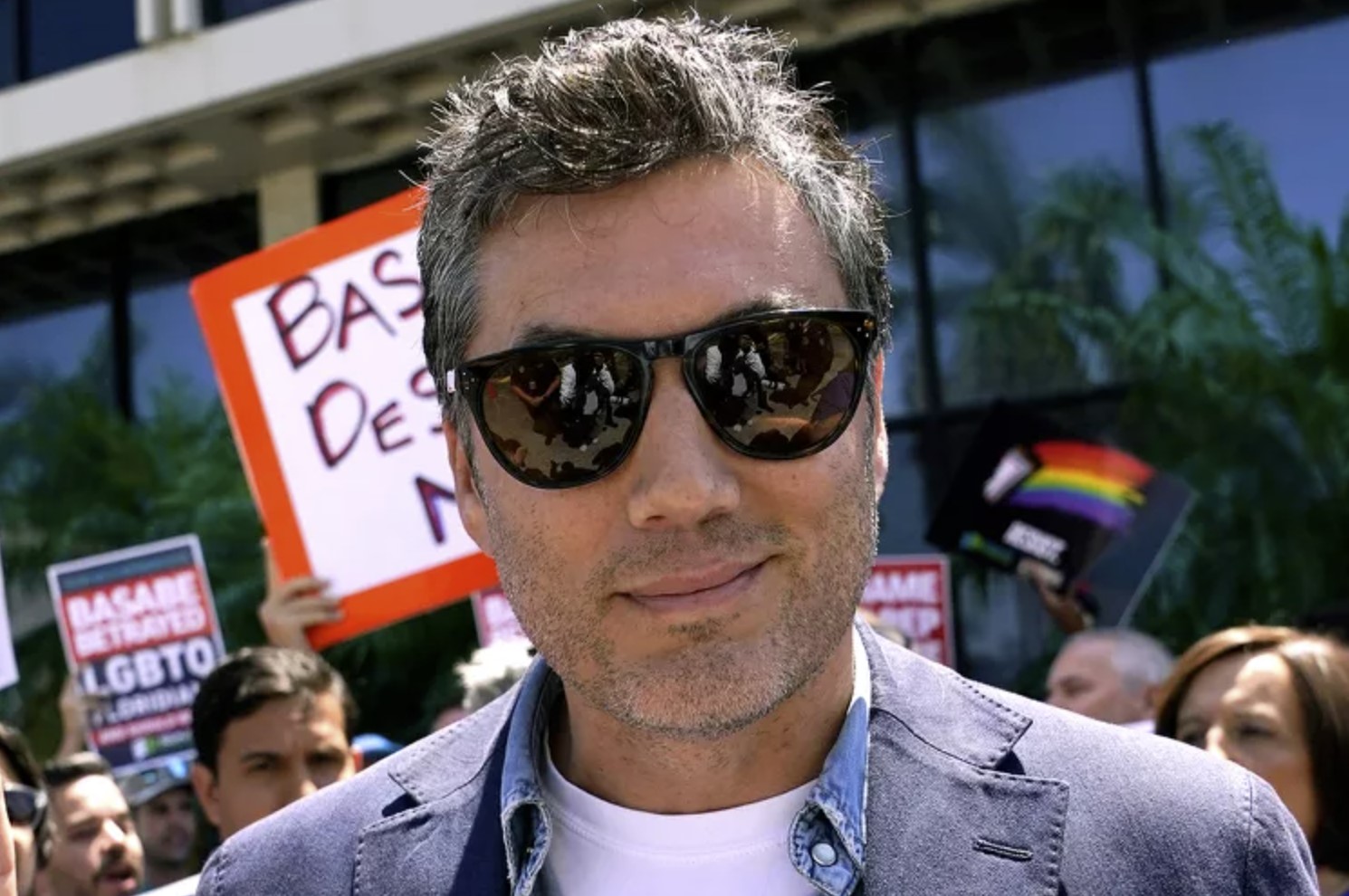
Litwin Diego is the second Democrat to enter the HD 106 race after former Miami-Dade School Board member Lucia Báez-Geller. Both hope to unseat twice-elected Republican Rep. Fabián Basabe.
Florida records show that in addition to her campaign account, she has opened a political committee called Friends of Ashley Litwin Diego PC chaired by influential Democratic consultant Christian Ulvert.
HD 106 covers a coastal strip of Miami-Dade between Miami Beach and Aventura.
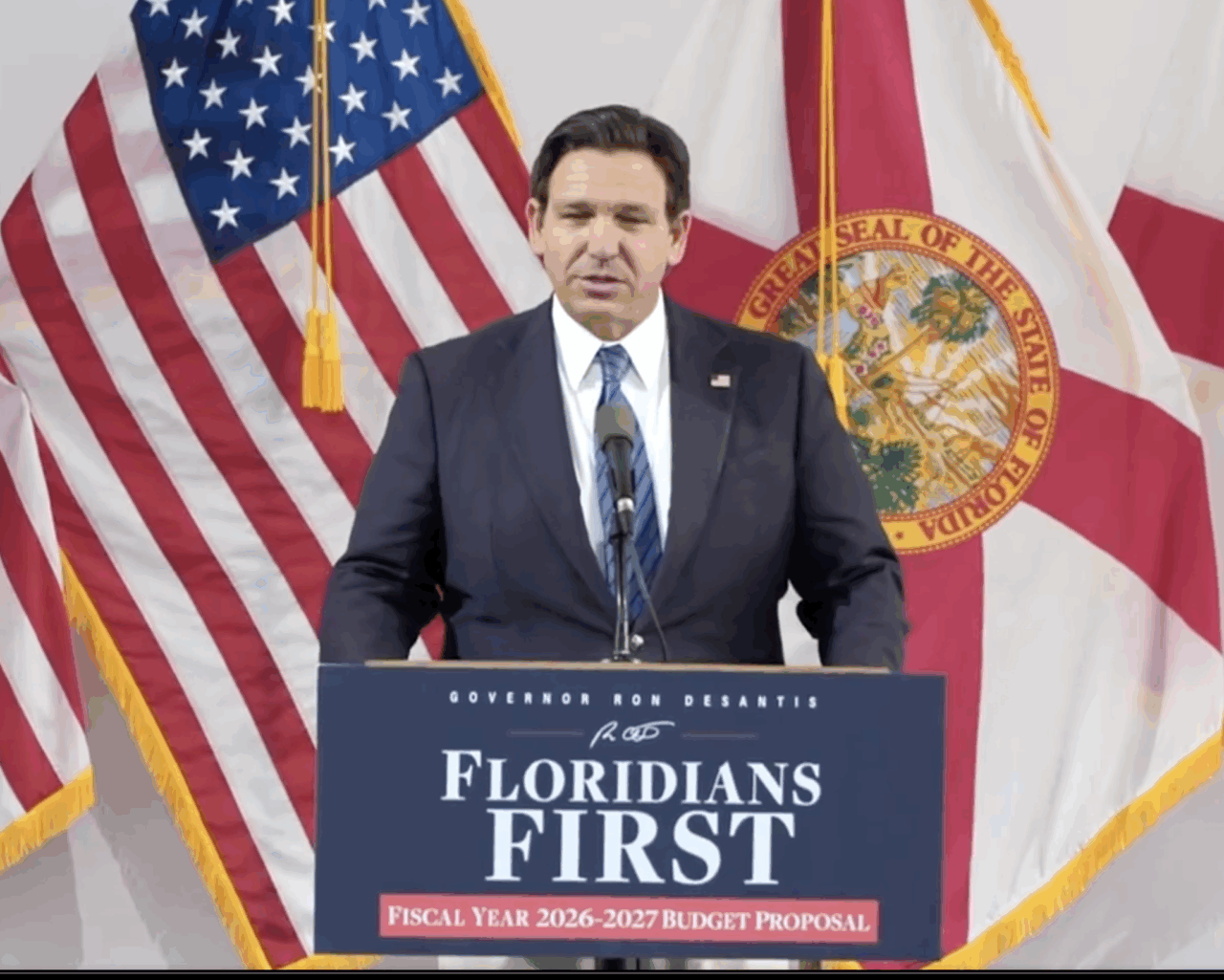
Gov. Ron DeSantis unveiled a $117 billion budget proposal which he touted as a leaner spending plan than last year’s that still prioritizes pay increases for teachers and law enforcement officials.
“We’re still doing big things,” DeSantis said in Orlando as he released his 2026-27 fiscal year budget recommendations for his final year of office. “Florida has really led the way with fiscal responsibility.”
DeSantis’ priorities include $25 million for $5,000 recruitment bonuses for law enforcement officers, accelerating construction projects in congested areas, and $278 million for cancer research. The budget recommendations also set aside $118 million to max out the rainy-day fund and $1.4 billion for Everglades restoration projects, DeSantis said.
“What the budget does is it builds off the success that we’ve had,” DeSantis said. “This budget is entitled ‘Floridians First’ because that’s the focus of it. It’s putting our people first and making sure we’re good stewards.”
DeSantis’ press conference comes ahead of the start of the Legislative Session on Jan. 13. State lawmakers will ultimately approve the final budget, although DeSantis has line-item veto power.
For teacher raises, DeSantis is proposing $1.56 billion.
“We put our money where our mouth is. We did record funding for teacher pay increases for Florida. And this proposal today is the biggest by far,” DeSantis said.
The overall K-12 education $30.6 billion budget proposal includes $1.7 billion for early childhood education and would fully fund Bright Futures scholarships, which DeSantis said he is “a big believer in.”
DeSantis also wants to aside $20 million — a $14 million increase — for the Schools of Hope program to allow charter schools to take over traditional public schools with low enrollment.
Florida Education Commissioner Anastasios Kamoutsas was booed earlier this month by school officials concerned about charter schools taking over their buildings rent-free. On Wednesday, Kamoutsas went on the offense alongside DeSantis at the podium.

“I know there’s been all kinds of false attacks that have been taking place,” Kamoutsas lamented. He blamed the media for trying to sell papers and said some School Board members care more about running for higher office.
DeSantis also downplayed criticism of Schools of Hope. “We’re not going into Windermere … (or) Palm Beach and do a school. They are going to the toughest areas that we have where a lot of people have given up on some of these students. … They’re going to areas where no one else wants to go.”
In his budget recommendations, DeSantis also proposed nearly $2 billion for the state’s public colleges and $4 billion for Florida public universities.
In addition, DeSantis wants to support transportation and infrastructure, with $15.4 billion for the Florida Department of Transportation (FDOT) and $14.3 billion for the transportation work program. DeSantis said a priority is FDOT speeding up construction projects, especially in Central Florida, which is infamous for the congested Interstate 4.
“You get down near Disney and ChampionsGate and Polk on I-4,” DeSantis said of the traffic backups. “It’s not just rush hour. It could happen at any time.”
The Governor’s Office did not immediately provide a copy of the full budget recommendations after the press conference.
DeSantis’ critics took aim and accused him of ignoring Floridians’ affordability struggles.
“When Ron DeSantis slinks out of office next year for his new career as a bottom-tier podcast host for Blaze Media, these last eight years will be remembered as the final act of the Florida Dream of an affordable paradise,” said DeSantis Watch Communications Director Anders Croy.
“This finale was written by a self-serving politician who consistently prioritized the increasing wealth of his corporate donors over the needs of working Floridians.”
Politics
Ron DeSantis says most Floridians won’t notice ‘schools of hope,’ as they will be in places most people don’t go
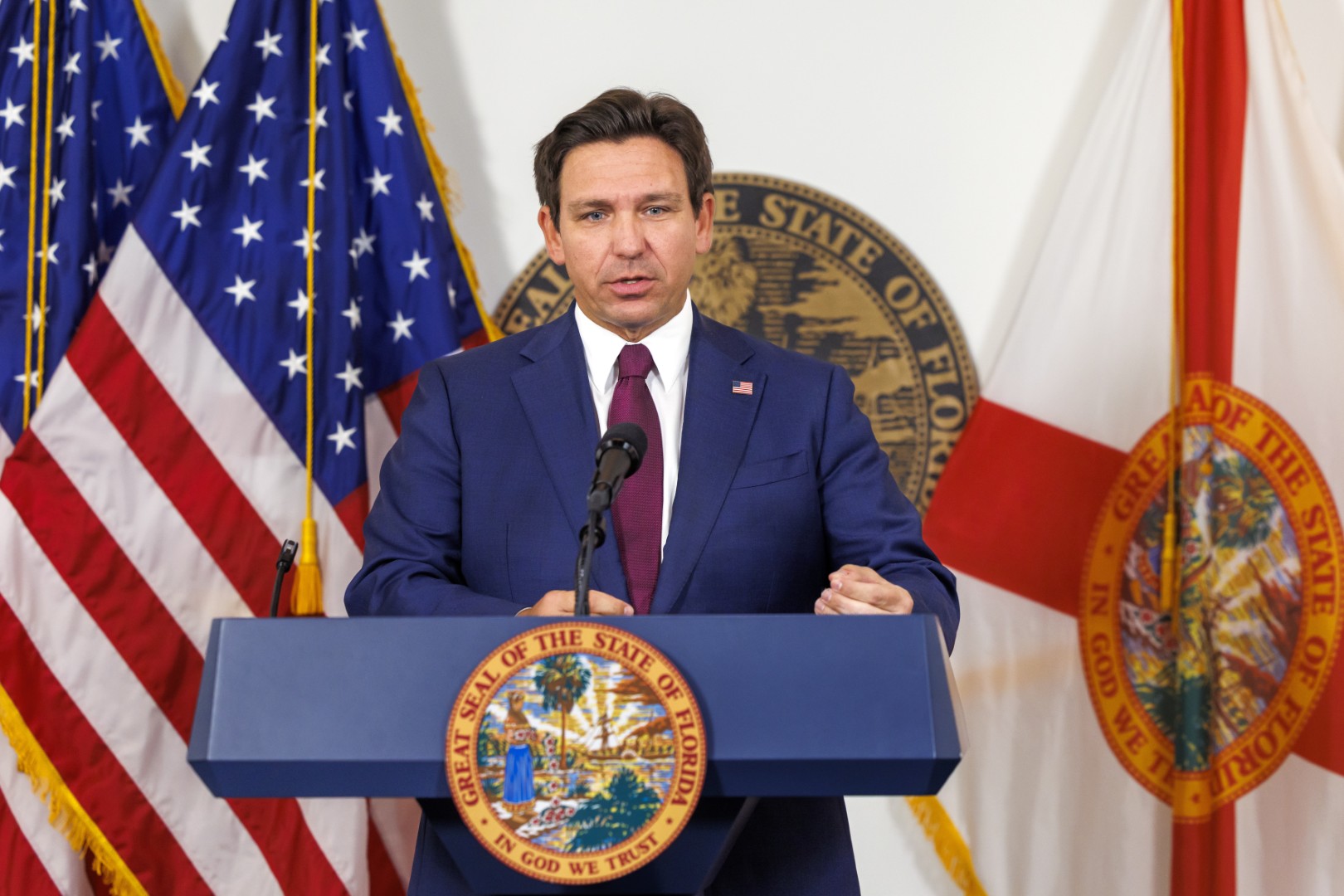
Gov. Ron DeSantis is strongly advocating for the “Schools of Hope” model, which would co-locate charter schools in underused public school facilities.
And as DeSantis said in Orlando, the facilities primarily will cater to children whose parents aren’t doing as much as some others, in places most people wouldn’t even go, with tonier communities insulated from the concept.
“You’re really relieving burdens on the district, right? Because, you know, you’re creating a program where it is going to be targeted at … the least-advantaged students. And in areas where a lot of people say it’s not even worth trying,” DeSantis said.
It’s unclear which people are allegedly saying it’s not worth “trying” to educate some students but not others.
But worries that they will be in places like Windermere or Palm Beach are misplaced, DeSantis said.
“This is not going to be something where a school of hope is going to be coming in and descending on Palm Harbor or Destin or some of these places,” he said, singling out two wealthy communities where more than 80% of residents are White.
He reassured parents that these schools of hope won’t come in where “my Sally or my Johnny goes,” but instead would be in “some hard areas in Miami. Probably Fort Lauderdale, Broward County, probably Orlando, maybe Tampa, maybe Jacksonville.”
In these areas, DeSantis predicts the Schools of Hope will largely go unnoticed.
“I don’t think most Floridians are even going to know that there’s a school of hope. Because quite frankly, probably where they’re setting up, already a lot of Floridians aren’t spending a lot of time in some of these areas, but they’re going to go in,” DeSantis said.
Regardless of whether residents are aware of the schools, DeSantis made it clear his preferred vendor would be the Success Academies championed by arguably his leading political patron over the years, billionaire Ken Griffin.

Griffin has already pledged to devote $50 million to expanding the concept in Florida.
“It’s a difficult mission, but at least with Success Academy, you have an operator who’s been able to do some really, really great things,” DeSantis said.
He credits Success Academies with having “gone into the worst areas in terms of opportunity … the most at-risk … areas where no one else wants to go.”
Lots of vendors want into the taxpayer-subsidized space.
As of last month, 22 School Districts across the state have received at least 690 letters of intent from charter school operators, according to data gathered by the Florida Policy Institute, a member of the Florida Coalition for Thriving Public Schools.
School Districts reporting letters as of mid-November include Brevard, Broward, Collier, Duval, Hillsborough, Indian River, Lake, Lee, Manatee, Miami-Dade, Orange, Osceola, Palm Beach, Pasco, Pinellas, Polk, St. Johns, St. Lucie, Sarasota, Seminole, Sumter and Volusia counties.
The letters, sent by privately operated charter school organizations, seek to occupy portions of public schools the state considers underutilized. Under provisions added to the 2025–26 state budget, “Hope operators” may move into those spaces at no cost, leaving districts to absorb maintenance, custodial and other operational expenses.
South Florida had received the most letters at last check, with at least 224 between Broward and Miami-Dade counties. Miami-Dade officials said the district received at least 180 letters, though only 90 were considered valid because many came from Bridge Prep Academy, which is not yet an approved Schools of Hope operator.
The impact also was obvious across the Tampa Bay region, where Hillsborough, Pinellas, Pasco and Manatee counties collectively show some of the highest concentrations of claims in the state. Together, the four districts account for more than 80 campuses and more than 46,000 requested seats, according to data compiled by the coalition.
Even as those letters go out, state lawmakers are already working to pull the plug on the program’s most controversial rule that allows charter school operators to move into “underused” public school buildings rent-free. SB 424, filed by Democratic Sen. Darryl Rouson of St. Petersburg, would repeal that provision.
“By eliminating language requiring co-location in public schools, we are ensuring schools do not face the unintentional consequence of an unfunded mandate, and that students can continue thriving in their schools without losing access to spaces they need for academic success,” Rouson said in an earlier statement about the bill.
___
A.G. Gancarski and Jesse Mendoza of Florida Politics contributed to this report.


‘Marvelous Mrs. Maisel’ Actress Killed by SUV in NYC

Delsey appoints Gilles Bariguian as global chief executive

Gov. DeSantis releases $117B budget, prioritizing teacher and police raises
-

 Politics8 years ago
Congress rolls out ‘Better Deal,’ new economic agenda
-
Entertainment8 years ago
New Season 8 Walking Dead trailer flashes forward in time
-
Politics8 years ago
Poll: Virginia governor’s race in dead heat
-
Entertainment8 years ago
The final 6 ‘Game of Thrones’ episodes might feel like a full season
-
Entertainment8 years ago
Meet Superman’s grandfather in new trailer for Krypton
-
Politics8 years ago
Illinois’ financial crisis could bring the state to a halt
-
Business8 years ago
6 Stunning new co-working spaces around the globe
-
Tech8 years ago
Hulu hires Google marketing veteran Kelly Campbell as CMO