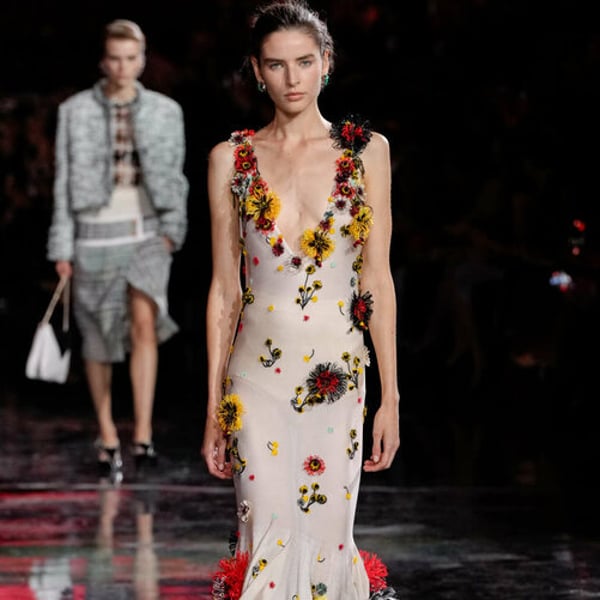
After a short interlude of pushing “body inclusivity” and plus-sized models to the fore, the fashion industry has returned to promoting thinness as a beauty ideal.
Data published this week from Vogue Business, based on catwalk shows in the most recent Spring/Summer 2026 Fashion Weeks, corroborated what models with regular or larger body sizes have been reporting: their work is drying up.
Of the 9,038 looks analysed in New York, London, Milan and Paris, 97.1 percent featured models judged to be very small (US 0-4, UK 4-8 or 32-36 in France), according to data from Vogue Business in its size inclusivity report.
Regular-sized models represented only 2.0 percent of the body types seen, compared to just 0.9 percent for “plus-size” models (US 14+, UK 18+, France 44+), the report showed.
“There are fewer and fewer plus-size models on the runways,” Aude Perceval, a booker at Plus Agency, a pioneer in plus-size modeling in France, told AFP.
The trend was particularly pronounced in Paris, she added.
This is despite many designers adopting looks that naturally create curvy silhouettes, such as corsets.
In some cases, models have been sent out with padding around their hips to create the hourglass shape.
“Since 2022, there’s been a real regression, both in the frequency of contracts and in fees,” model Doralyse Brumain, 31, who wears a French 40-42, told AFP.
The “body positive” movement, born in the 2010s, was based on the idea of promoting acceptance of different body types and recognising the damage done by creating a beauty ideal of thinness that was both unhealthy and beyond the reach of most women.
In the same way that fur and flashy fashion is making a comeback, so is the aesthetic of extreme thinness that was called “heroin chic” in the 1990s when popularised by supermodels such as Kate Moss.
“There’s this false idea that being thin means being chic, being rich,” said French model casting director Esther Boiteux to AFP.
The wide availability of weight-loss drugs such as Ozempic — used to suppress appetite — has also been linked to the return of thinness.
The diabetes treatment “has something to do with it because we’re seeing a lot of celebrities who are using it”, British Vogue editor Chioma Nnadi said last November.
“I think there’s this shift in the culture around how we think about our bodies and how we address our bodies,” she told the BBC.
Clothes for fashion shows are also typically designed and manufactured in a single size — that of “standard” thin models — and making clothes for regular or larger models requires forethought and extra time to adapt them.
Ekaterina Ozhiganova, a Russian-born model and founder of the Model Law association, which advocates for model rights, says that consumers are in favour of seeing models in different sizes.
“But for it to become truly sustainable, there would need to be a profound change in production,” she told AFP, adding that the industry continued to sell “an unattainable ideal”.
French designer Jeanne Friot believes fashion runways should instead be a place where everyone can envision themselves.
“The point of a fashion show is to showcase something different from the fashion I grew up with, very thin and very standardized. I want to see (larger) sizes… older people, all ethnicities, all genders,” she told AFP.
For the moment, sighting a regular-sized woman on the catwalk is an increasingly rare occurrence, but the change is not going unnoticed.
“We have to speak out when fashion messes up and establishes a standard it should abandon,” French fashion journalist Sophie Fontanel wrote on Instagram in early October as she watched the Givenchy show during Paris Fashion Week.
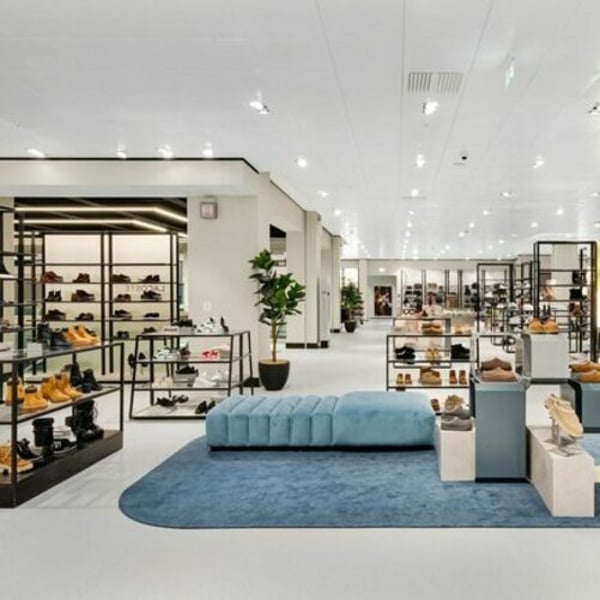
The newest ‘next-generation’ Frasers department store has opened at Queensgate Peterborough in the heart of the city.
Frasers Group
Spanning 60,000 sq ft across two floors, it brings together Frasers Group brands including Flannels, Sports Direct, USC, and Jack Wills under one roof.
The new destination “offers an elevated retail experience, providing access to the world’s most aspirational premium, lifestyle and sports brands”, across women’s, men’s, and kidswear, Frasers Group said.
It includes a dedicated 5,000 sq ft Flannels store, providing the Queensgate catchment “with the best in luxury and contemporary fashion, footwear, and accessories”.
This includes an extensive range of globally-recognised labels including Boss, Coach, Levi’s, Biba, Tommy Hilifger, Barbour, alongside sports brands under its Sports Direct banner, including Adidas, Nike, The North Face, Under Armour, New Balance, Everlast, Slazenger, Karrimor and USA Pro.
Ed Ginn, director of Investment Management for Queensgate operator Invesco Real Estate, said: “Frasers Group’s opening is the start of an exciting new chapter, and marks significant progress in our efforts to maintain Queensgate as a leading retail and leisure destination in the region and in the UK more widely.
“[The Frasers] addition… to the centre raises the bar for potential investment from brands to further enhance the shopping experience, as we continue to evolve Queensgate in a way that provides our catchment with everything they could need or want, in one place.”
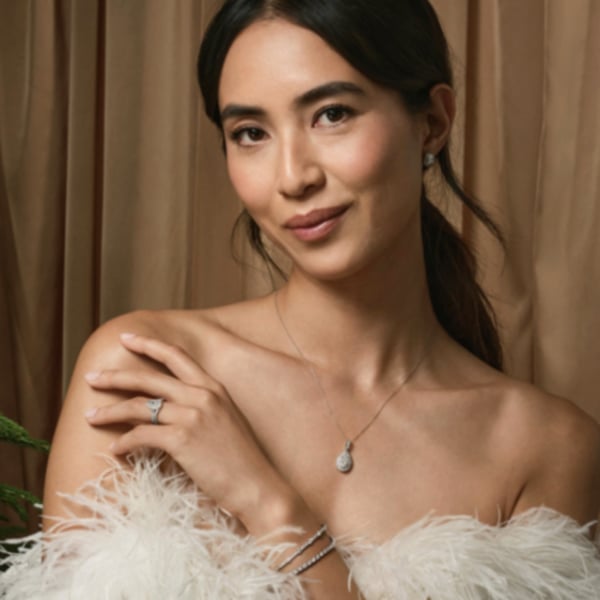
Businessman Gerald Ratner has launched a surprise bid to buy the UK arm of the jewellery empire he famously trashed more than three decades ago after calling some products of his signature brand Ratners ‘total crap’.
Image: Ernest Jones
The businessman is seeking to acquire the British H Samuel and Ernest Jones chains from US-listed Signet Jewellers and install himself as chairman after he lost control of the businesses in the early 1990s, reported The Daily Telegraph.
Ratner has appealed to shareholders of the company as part of a bid to purchase the loss-making UK arm, which he said he has been “pursuing since the summer”.
The brands were once part of Ratners Group, the firm that he was forced to exit after he jokingly declared a few of its cheaper products were “total crap” in a speech at the Institute of Directors 30 years ago.
Ratner also remarked that some of the firm’s earrings were “cheaper than a prawn sandwich at Marks & Spencer – but I have to say, the sandwich will probably last longer than the earrings”.
The ensuing negative reaction from consumers and the wider business community gave rise to the phrase ‘to do a Ratner’ or destroy a valid business.
Ratner said he was attempting to acquire the UK division of Signet – which was formerly Ratners Group before it was rebranded – because he claimed its American owners were “doing everything wrong”.
The newspaper said that to launch his bid, Ratner has been in touch with Signet’s CEO. He’s understood to be backed by a consortium of primarily-British investors and has said they have the funds lined up.
He’s now launching an appeal directly to the company’s shareholders, who Ratner hopes should question why the US owners do not sell the loss-making division.
He told The Telegraph: “The reason we’re putting pressure on the shareholders is simply because of the fact that they’re doing so badly in the UK, they’re closing shops all the time and last year they sold their best shops.
“So we took the view that they’re not really interested in the UK. We approached them thinking that it’s in the interests of shareholders to just get rid of it.”
Signet is worth more than $3.7 billion (£2.8 billion) with a successful US operation but a loss-making UK division.
Frasers Group is reportedly considering a bid for failed business SilkFred as it continues to focus on acquiring brands that it sees as having growth potential or some unique properties in their business model that it can use in its wider operations.
SilkFred
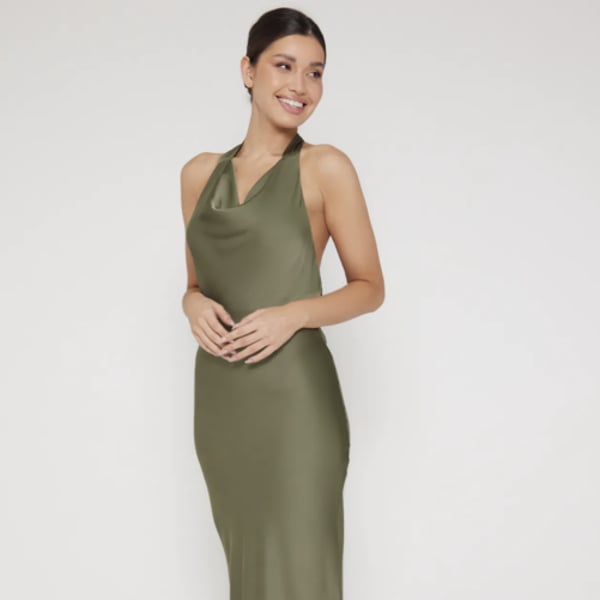
SilkFred entered administration in October (although it was only officially announced last month) with Quantuma handling the process. The 15-year-old fashion company specialised in connecting womenswear designers and labels with consumers. Its particularly focus was occasionwear and unique pieces from indie brands.
News of Frasers’ (as-yet-unconfirmed) interest is hardly surprising. It continues to be one of the most acquisitive businesses in UK fashion. Only recently it has acquired both Braehead and Swindon Designer Outlet shopping destinations, a majority stake in luxury LA store The Webster, as well as adding to its already large ASOS stake (its 26% holding makes that company’s second-biggest shareholder).
The company hasn’t commented about SilkFred, although it would fit into its strategy of targeting younger consumers at a variety of price levels.
As mentioned, SilkFred went into administration this autumn, although here had been rumours of it struggling or a while.
Its most recent results covered 2023 and showed losses widening as sales fell as much as 46% to just £11.18 million.
Frasers, by contrast, is a giant of the retail sector with its half-year results up to the end of October showing revenue of £2.58 billion and retail trading profit of £411.4 million.





 Politics8 years ago