
Politics
A residency check on Miami’s candidates


Two dozen candidates are competing for three Miami posts this election cycle. They span professions and political lanes — and they’ve logged very different amounts of time actually living in the city and in the districts they are hoping to represent.
Miami’s election rules require mayoral hopefuls to have lived inside city limits for at least a year before the Sept. 20 qualifying deadline. Commission candidates must have lived within their district boundaries for the same 365-day stretch.
Florida Politics cross-checked candidate filings against state voter rolls and the city’s district map to confirm residency. Unless noted, candidates voted regularly over the past decade.
Mayor
Of 13 mayoral candidates, four are relative newcomers, with less than two years in Miami.
The newest entry is entrepreneur Christian Cevallos, who moved from unincorporated Kendall in September 2024, just weeks before qualifying. He previously lived in the Hammocks area, roughly 25 miles from Miami.
Attorney Kenneth “K.J.” DeSantis, who says he’s related to Gov. Ron DeSantis, moved to Miami in June 2024 after about 18 months in unincorporated Kendall. He first relocated from Kentucky to Palm Beach County in late 2021 and cast his first Florida ballot last November.
Medical legislation advocate Alyssa Crocker arrived in April 2024 after stops in Clay and St. Johns counties. She has voted only in the 2020 and 2024 General Elections.
Freight rail conductor Laura Anderson told the city she moved to Miami in February 2023, about nine months after relocating to Hialeah from Troy, New York; her voter file lists a Hialeah address into 2024. She appears not to have voted in Florida since moving.
Two others have at least three years here: Miami-Dade Cryptocurrency Task Force Chair Elijah Bowdre and real estate associate June Savage.
Nonprofit executive Michael Hepburn, a repeat Miami candidate, has alternated between living in Miami and South Miami since 2016. He most recently moved back to Miami in September 2024, less than a week before he would have been ineligible to run.

The rest are long-timers: Miami-Dade County Commissioner Eileen Higgins, Miami Commissioner Joe Carollo, former Miami-Dade Commissioner Xavier Suarez, former Miami Commissioners Alex Díaz de la Portilla and Ken Russell, and former City Manager Emilio González.
Carollo and Suarez both previously served as Miami’s Mayor. Suarez is the father of current, term-limited Mayor Francis Suarez.
Carollo is running under the cloud of a $63 million lawsuit judgment from 2023, lodged by local businessmen who successfully sued him for weaponizing city resources against them, and a long trail of controversies.

Díaz de la Portilla was removed from office in 2023 after his arrest on corruption charges that were later dropped.
Hepburn and Higgins would make history if elected, as Miami’s first Black Mayor and first woman Mayor, respectively.
Russell is seeking a comeback after leaving the Commission early for an unsuccessful congressional bid. González, a veteran of local, state and federal posts, successfully sued the city this year to prevent delaying the election to 2026 — a move Carollo voted against.
City Commission, District 3
Eight candidates want to succeed Carollo in District 3, which centers on Little Havana and parts of Shenandoah.
One contender’s paperwork raises residency questions.
Restaurant manager and real estate broker Rolando Escalona says he has lived continuously in District 3 since June 2024, after residing just five months in neighboring District 4. His filings show moves between the two districts since mid-2023, after living in North Miami and unincorporated West Little River.
But Miami-Dade Property Appraiser records list him as the owner of the District 4 duplex he says he most recently left, but not of the District 3 apartment that he now says is home. The address attached to his broker’s license is still that of the District 4 property, almost 16 months after he says he moved.
He told Political Cortadito on Thursday that redistricting pushed him out of District 3, so he moved into the apartment while his wife remained at the duplex with his mother for a short span before joining him.
U.S. Navy veteran Oscar Alejandro has lived in Miami since November 2023, after moving from near Kendall-Tamiami Executive Airport.

The rest — former Miami Commissioner Frank Carollo, Code Enforcement Abatement Board member Yvonne Bayona, real estate broker Brenda Betancourt, public relations professional Denise Turros, Marine Corps veteran Rob Piper and City Hall aide Fayez Tanous — reported a decade or more in Miami.
Frank Carollo, brother of Joe, would extend the family’s grip on the seat to two decades if he wins and serves four years.

Turros, a “Latinas for Trump” co-founder, also ran for Commission in 2017. She was arrested in 1994 on credit card theft charges and in 2010 for disorderly intoxication charges, both later dropped or dismissed, and has since corrected a LinkedIn entry that wrongly claimed she held a journalism degree.
Piper led a 2020 recall PAC targeting Joe Carollo.
City Commission, District 5
Miami Commissioner Christine King, on the dais since 2021, is facing two longtime Miamians.
Construction executive Marion Brown says he’s lived at the same District 5 address since 2002. State records show he didn’t vote in Florida until the August 2024 Primary and only registered the year before, ahead of an unsuccessful Miami-Dade Commission bid.
Community activist and perennial candidate Frederick Bryant has lived in District 5 since 2000 and has been registered to vote in Florida since 1976.

By comparison, King, a lawyer, is the greenhorn in this race. She moved to District 5 in August 2018 after nearly 25 years in North Miami, about 11 miles away.
Odds and ends
City races are technically nonpartisan, but party politics are frequently still a factor.
In the Mayor’s race, Republicans include Carollo, Cevallos, Crocker, Díaz de la Portilla, González and Savage. Democrats include Bowdre, Hepburn, Higgins and Russell. Anderson, DeSantis and Suarez have no party affiliation.
In District 3, the Republicans are Bayona, Betancourt, Carollo, Escalona, Tanous and Turros. Alejandro and Piper are Democrats.
In District 5, King is a Democrat, Brown a Republican and Bryant is an independent.
Miami’s General Election is Nov. 4. If no candidate tops 50% in a race, the top two advance to a Dec. 9 runoff.
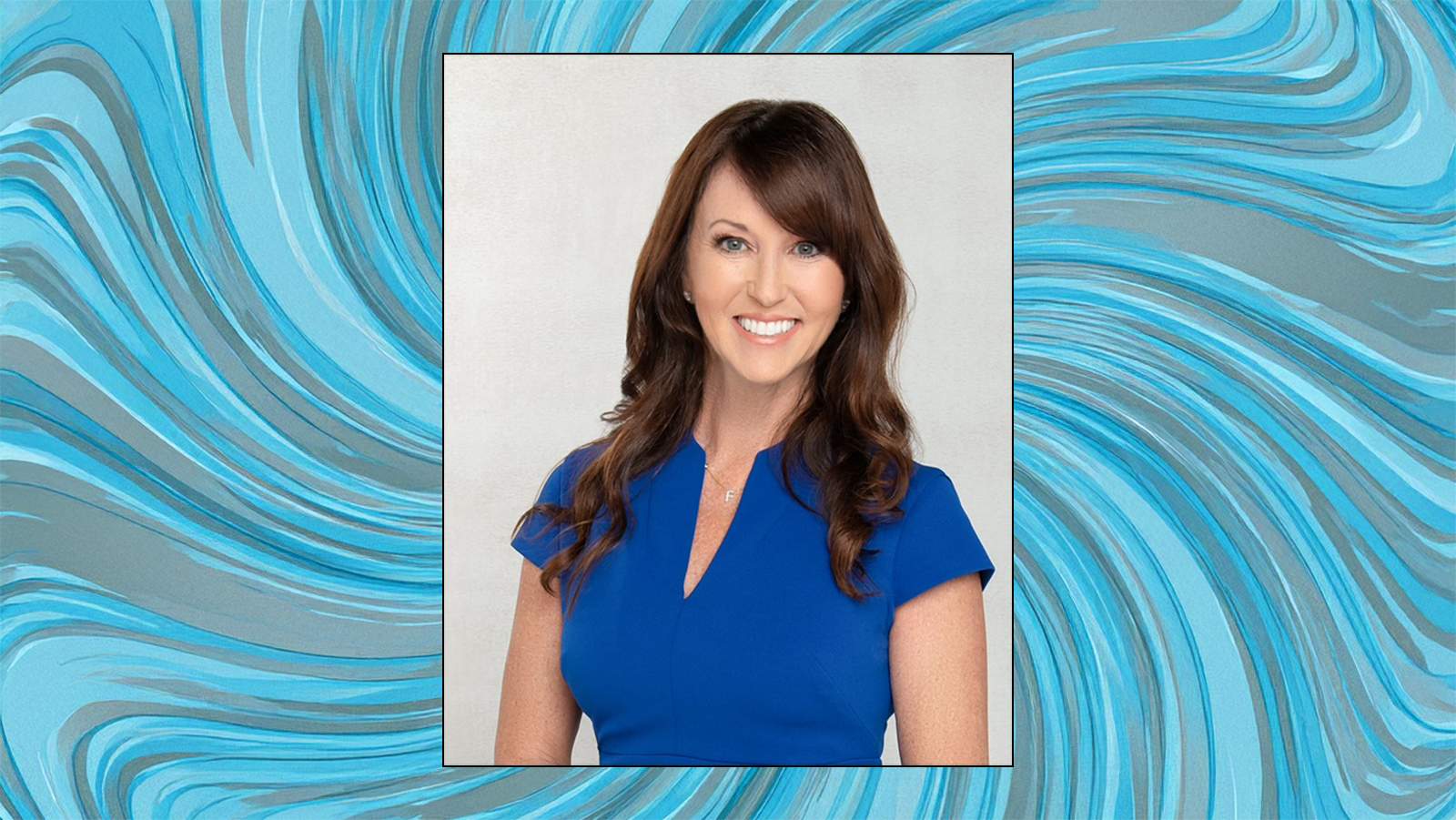
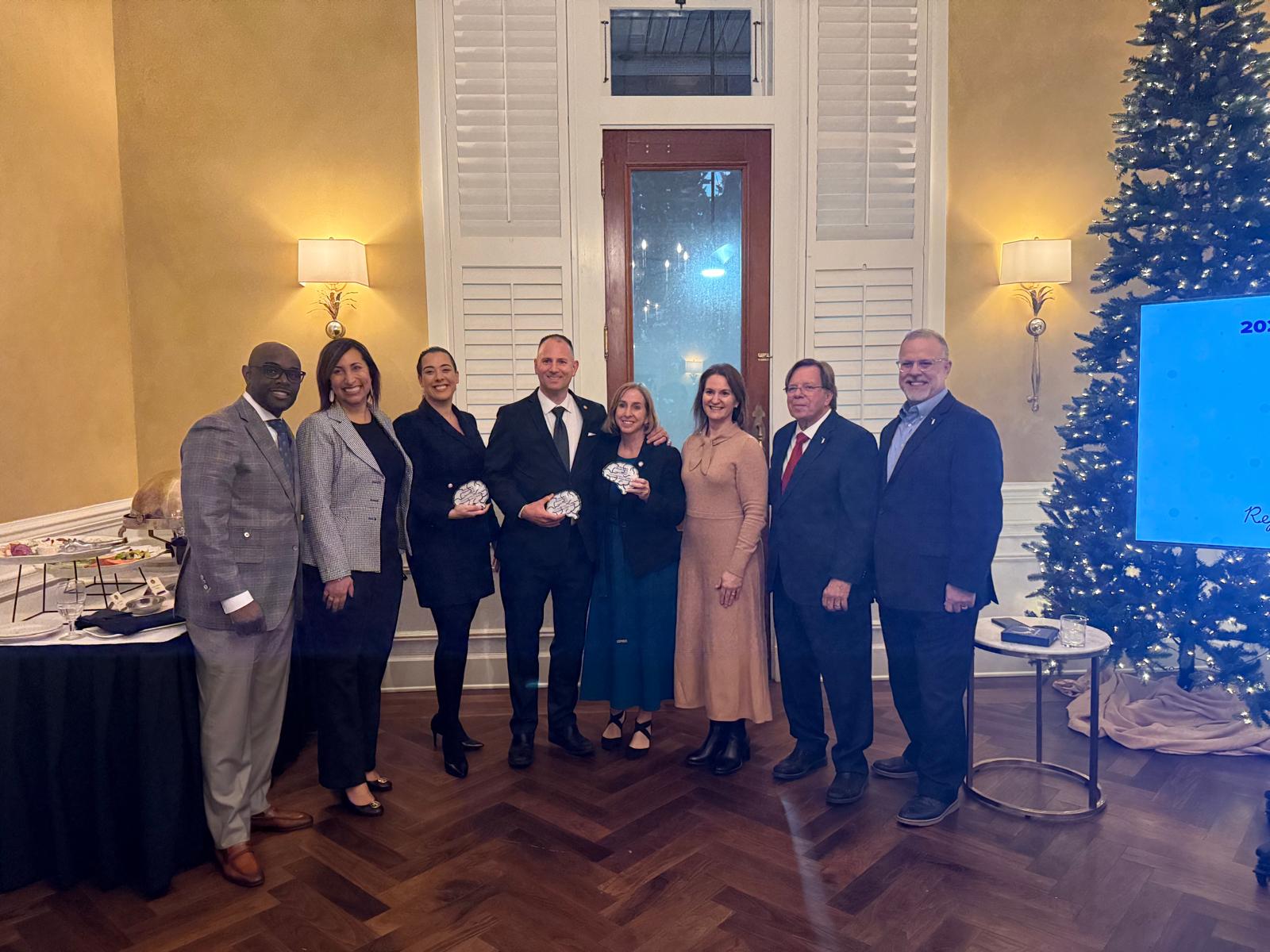
The Children’s Movement of Florida gathered a full room of advocates and lawmakers to recognize three legislators who helped steer early learning priorities across the finish line during the 2025 Legislative Session.
At a ceremony at the Governors Club in Tallahassee, the organization presented its Early Childhood Champion Award to Republican Sen. Alexis Calatayud, Democratic Rep. Robin Bartleman and Republican Rep. Chase Tramont. The Children’s Movement praised the lawmakers’ work expanding access to the state’s School Readiness program and strengthening support for children with special needs.
The group said the trio played central roles in improving tuition assistance and ensuring families aren’t shut out of early learning opportunities as incomes rise.
“Sen. Calatayud, Rep. Bartleman, and Rep. Tramont demonstrate the bipartisan consensus that investing in early learning is good for our state — benefiting not only children and families, but also the state’s workforce and economy,” said Madeleine K. Thakur, President and CEO of The Children’s Movement.
“Their commitment to increasing access for Florida families is an important contribution to our birth-20 education system, and enables true parent choice for the earliest years before kindergarten.”
Calatayud’s bill on the School Readiness program (SB 1102) contained changes designed to make it easier for providers to receive special needs differential funding. The new law also requires participating programs to complete 10 hours of inclusive-practices training before receiving the additional dollars, a move supporters say helps ensure children with special needs can be served effectively.
The House companion, sponsored by Bartleman and Rep. Dana Trabulsy (HB 877), cleared all committees before lawmakers opted to take up the Senate version.
Calatayud also joined Tramont in spearheading legislation tying income thresholds for the School Readiness program to a percentage of the state median income rather than the federal poverty level, among other changes. Advocates argued the shift was necessary as Florida’s minimum wage continues to climb, pushing some working families out of eligibility even as costs rise.
Their proposals were ultimately rolled into the House’s broader education package (HB 1255).
The Children’s Movement of Florida is a nonprofit, nonpartisan coalition formed in 2010 to make early childhood development a top state priority. The group describes itself as Florida’s “leading voice on early childhood,” working both at the grassroots level — with community engagement and volunteer initiatives — and at the state level, by shaping policy and mobilizing support for early-childhood investment statewide.

The organization said this year’s progress highlights how sustained attention from lawmakers can reshape outcomes for children during their most formative years. The organization pledged to continue working with legislators and state agencies heading into 2026 to protect and expand access to early learning support across Florida.



Beyoncé, Nicole Kidman and Venus Williams Will Co-Chair 2026 Met Gala

ASOS adds to premium menswear line-up

Boca Raton police union endorses Fran Nachlas for Mayor
-

 Politics8 years ago
Congress rolls out ‘Better Deal,’ new economic agenda
-
Entertainment8 years ago
New Season 8 Walking Dead trailer flashes forward in time
-
Politics8 years ago
Poll: Virginia governor’s race in dead heat
-
Entertainment8 years ago
The final 6 ‘Game of Thrones’ episodes might feel like a full season
-
Entertainment8 years ago
Meet Superman’s grandfather in new trailer for Krypton
-
Politics8 years ago
Illinois’ financial crisis could bring the state to a halt
-
Business8 years ago
6 Stunning new co-working spaces around the globe
-
Tech8 years ago
Hulu hires Google marketing veteran Kelly Campbell as CMO