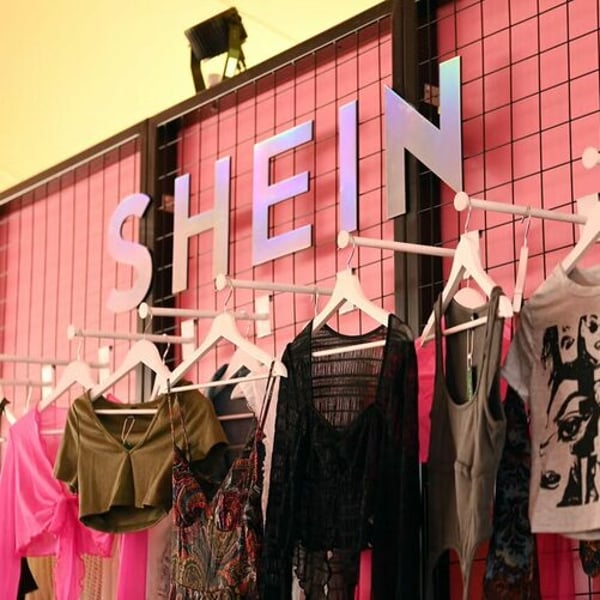
Shein Group Ltd. has begun offering other fashion brands access to its apparel manufacturing network in China as a service, according to people familiar with the matter, as it seeks new revenue streams amid pressure on its retail business from U.S. tariffs.
Shein launches manufacturing service for brands as U.S. tariffs pressure sales – DR
Other fashion brands can now tap into the fast-fashion retailer’s supply chain—which includes factories that can turn around new designs in five to seven days—as long as they open a store on its online marketplace, said the people, who asked not to be identified as they are not authorized to speak publicly.
Shein began formally recruiting brands to join the initiative in the past two months, following nearly two years of preparation and testing, the people said. Around 20 brands, including French fashion label Pimkie and Filipino designer Jian Lasala’s brand, are currently using the service, which is being promoted through a new website launched in August, they said.
Besides manufacturing, the people said Shein also offers sample development, warehousing, sales, and order fulfillment to the brands—services that smaller companies typically cannot access at the low costs the Chinese giant enjoys.
By transforming vendor relationships into a product, Shein is seeking to establish a new growth pillar, as its self-branded sales of $2.46 shirts and $6.75 dresses face limited upside following the United States’ removal of tax exemptions for small parcels from China. Although still stronger than rival PDD Holdings Inc.’s Temu platform, Shein’s U.S. sales have followed an uneven trajectory, according to data from Bloomberg Second Measure.
In response to queries from Bloomberg News, a Shein spokesperson stated that its new program is called Xcelerator, which aims to help brands “overcome value-chain challenges by offering direct-to-consumer services, on-demand production, and global sales access to scale their creativity worldwide.”
Unlike Alibaba.com and 1688.com, which offer open access to Chinese manufacturers, the clothing retailer has made supplier access conditional on participation in its platform.
The initiative—primarily aimed at attracting more fashion brands to join its marketplace—is an effort to leverage its extensive apparel supply chain network in southern China amid growing competition and a volatile trade environment.
Shein’s China-based manufacturing network is harder to copy and may potentially contribute to sustainable growth in the longer term if it succeeds in selling these services to industry peers, the people said.
The privately held clothing retailer—originally founded in mainland China and now headquartered in Singapore—does not disclose its financial information. Bloomberg News earlier reported that the retailer’s net income rose to over $400 million and revenue was nearly $10 billion in the first quarter, as consumers rushed to purchase the retailer’s products ahead of U.S. tariffs.
While it’s unclear how Shein fared in the April–June quarter—a period that saw President Donald Trump end the de minimis tariff exemption—sales recovered in June, but the momentum has since faded, with numbers dipping again in recent weeks.
In addition to mounting external operational challenges, Shein has faced significant hurdles in its push for an initial public offering. Its original plan to list in the United States was shelved amid scrutiny over supply chain and labor practices. The company later explored a U.K. listing before settling on Hong Kong, where it has confidentially submitted a draft prospectus for review. It is weighing a move back to China to smooth its path to a share sale in Hong Kong, Bloomberg News reported last month.
Fine jewellery brand Senco Gold & Diamonds has expanded its men’s offering and launched new brand ‘Aham,’ designed to cater to modern Indian grooms with a range of gold, diamond, and platinum options.
A look from Senco Gold & Diamonds’ new brand Aham – Senco Gold & Diamonds – Facebook
“Aham draws inspiration from the evolving equal relationships of modern Indian couples where the groom’s style is now as significant as the bride’s,” said Senco Gold & Diamonds’ director and head of marketing and designs Joita Sen in a press release. “What we’ve seen in most Indian weddings so far is the groom looking on indulgently as his better half glitters in her wedding jewellery. With Aham, we wanted to change that narrative and have the couple dazzle equally in their Senco adornments! Each piece of this collection allows the groom the freedom to express his personal style, most naturally and effortlessly.”
Now available in Senco Gold & Diamonds’ pan-India brick-and-mortar stores, online, and on the Senco shopping app, Aham’s ‘Wedding Season Collection’ presents a contemporary take on traditional wedding jewellery. The label’s maiden collection features over 800 designs including kadas, platinum wristwear, diamond-set rings, and more minimalist cufflinks, along with a selection of fusion pieces in two-tone styles.
Senco Gold & Diamonds’ parent company Senco Gold Limited was incorporated in Kolkata in 1994, according to its website. The business counts over 175 stores in India.
Gucci owner Kering and private equity firm Ardian said on Tuesday they had completed a joint venture agreement for a New York property deal valued at $900 million.
Kering’s brands include Saint Laurent, Gucci, and Balenciaga – Reuters
Under the deal concluded earlier this year, Kering is contributing the property at 715-717 Fifth Avenue in New York to a newly created joint venture with Ardian, the companies said in a joint statement. Ardian will hold a 60% stake in this, with Kering retaining 40% and receiving $690 million in net proceeds.
The transaction is part of Kering’s broader strategy to secure control of high-profile retail locations while also raising cash. In January, Kering said it had transferred three of its Paris real estate assets to a new joint venture with Ardian, freeing up 837 million euros in proceeds.
“Like the investment agreement already signed in Paris, this transaction allows us to secure another long term highly prominent retail location for our houses while enhancing our financial flexibility,” said Kering chief operating officer Jean-Marc Duplaix, commenting on the New York Ardian deal.
London’s Selfridges continues to be the pop-up destination of choice in London’s West End (Harrods has that status in Knightsbridge) and one of the world’s best known labels will be there as of January.
Dior
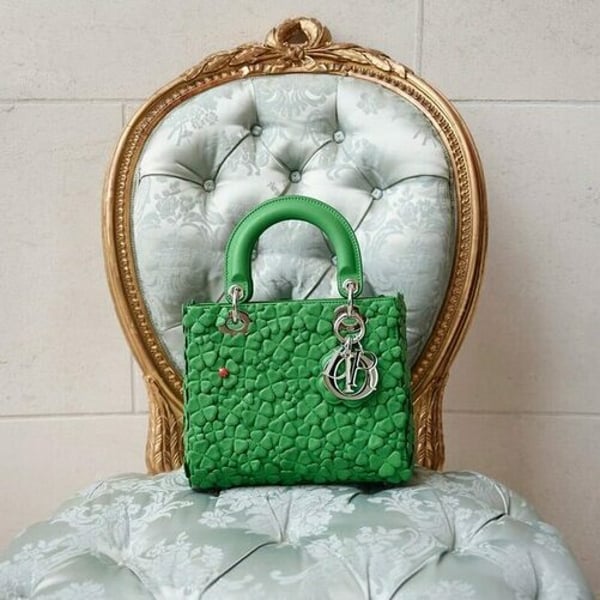
Dior, which already has a strong presence in the London flagship will be unveiling its first pop-up boutique for its new summer 2026 creations inside the in-demand Corner Shop.
That’s important because it will celebrate the launch of Jonathan Anderson’s first collection.
Running from 8 January to 28 February, the unique space will “reveal a playful world like a waking dream”. The company said the summer 2026 menswear collection “breathes a certain spontaneity into the art of dressing, while the womenswear line radiates freshness, with leather goods presented alongside exquisite creations. An exceptional selection that expresses the reinvented essence of Dior”.
Dior is currently inviting customers to book appointments and said it will “extend the experience through a curated selection of exclusive events at the pop-up boutique”.
That includes notebook personalisation with “a nod to Versailles-style gilding, personalised detailing applied by an expert [that] promises to add a truly signature touch”. And there’s also bookmark calligraphy where visitors can add their initials to a bookmark, inspired by the newest Dior Book Tote designs by Anderson.
The news of the pop-up comes in the same week that Dior unveiled its super-sized flagship concept House of Dior Beijing. That five-storey space dwarfs the Selfridges space but underscores the ambitious plans LVMH has for the brand, the huge investment Dior is putting into its global growth and its targeting of key luxury markets.






 Politics8 years ago