
Fashion
Neil Lane, jeweler to the stars, subject of first solo exhibition

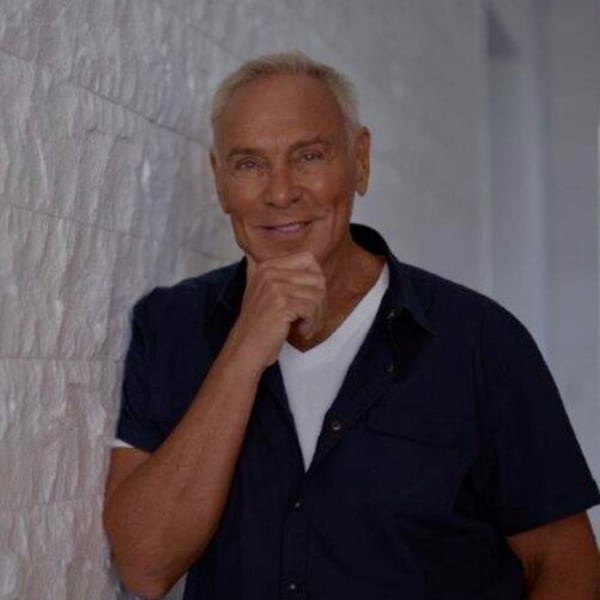
Published
September 14, 2025
Born in Brooklyn, the Los Angeles-based jeweler will be the subject of his first solo exhibition at the Toledo Museum of Art in Ohio from October 18 to January 18, 2026.
Neil Lane talks to FashionNetwork.com about his career and latest news.
FashionNetwork.com : You will be presenting your new collaboration with Kay Jewelers in a few days. Next month, your first solo exhibition will be dedicated to you, accompanied by a book. Are you a man in a hurry?
Neil Lane : I love it. I’m experiencing a king of renaissance right now. I’m involved in the diamond industry, in art, in design, in creation. I practice what’s called the “next” philosophy, which is to complete one project and already start thinking about the next. All of this gives me a tremendous amount of energy.
FNW: How did it all begin ?
N.L.: I’m an Aquarius, a very creative and imagery temperament. I created my own world. I was born in Brooklyn, and my mother always told me that when I was very young, I collected marbles and pieces of broken glass. I don’t remember it, but I believe her! My mother was raised in the Lower East Side and we go visit on the weekends, the neighborhood of Jewish immigrants where jewelry merchants, often in backrooms, would display their creations. All this left a mark on me. But what I remember most is the ring my mother wore, a pear-shaped ring. It’s a model I’ve kept and it will be on display in the exhibition “Radiance and Reverie: Jewels from the Collection of Neil Lane” at the Toledo Museum of Art, and it inspired my first jewelry sketches for Kay Jewelers and the show “The Bachelor”.
The Toledo Museum of Art exhibition will feature your most beautiful vintage collections. When did you start collecting?
N.L.: My father collected antiques and kitschy porcelain figurines he wouldn’t let me touch. I think that influenced me. I learned early on that things could have value. As a teenager in Brooklyn, I watched what people threw away on the street. One day, I met this woman, Vivianne, who asked me to help her sell her collections at flea markets in Manhattan. That’s where I met all the stars of the day – Andy Warhol among others, Zsa Zsa Gabor who would show up in a Rolls Royce, and even Louise Nevelson, wandering around dressed in black with false eyelashes, looking for wood everywhere to use in her artworks. That’s where I sharpened my eye and my knowledge of beautiful things.
A passion that later took you to Paris…
N.L.: I had always dreamed of Paris. I went there to study art, and while I was interested in museums and galleries, I was fascinated by the small jewelers that I discovered on the Rue du Faubourg Saint-Honoré. I could stand glued to the windows for hours, gazing at those jewels like candy. I remember spending my entire travel budget during my first stay to buy a little “demon” brooch from the late 19th century, set with a pearl and diamonds.

What did you learn in France?
N.L.: So many things! I felt frustrated in the United States. There were certainly boutiques on Madison Avenue, but I never comfortable going in. The Parisian atmosphere was a very different. The mix of history, art, architecture, and craftsmanship made sense, resonated with me, and gave me goosebumps. My passion became an obsession, almost visceral. The flea markets in Chatou or La Villette were full of incredible pieces and talent. Paris invented beauty, and I drew inspiration from it. And no one judged me for being in jeans and sneakers!
FNW: In the end, you decided to settle in Los Angeles, in the mid-80s, and launch your career…
N.L: I really had no idea what I was doing at the time. It was after visiting one of my friends that I decided to open a stand in an antique bazaar on Beverly Boulevard (now closed), called Antiquarius. I arrived with my suitcase containing a few late 19th-century gold jewels, Art Nouveau and Art Deco creations. People were mostly looking for diamonds and glamour. But I had an advantage: nobody looked or offered jewelry like me. I brought from France a craft, a know-how, an aesthetic, a history that didn’t exist here. My jewels weren’t just simple diamonds but real pieces of art.
FNW: Is that when all of Hollywood started shopping with you?
N.L.: All the Hollywood stars appreciated my difference. I worked behind the counter in jeans with a Gauloise cigarette. I remember this anecdote with Yoko Ono, who came to have a metal object, seemingly of no value, duplicated in gold. At the same time, the wife of an important Hollywood producer was waiting to have one of her diamond ring reset. A few days later, when I delivered her diamond ring, she told me the object Yoko Ono brought in was actually the pick used by John Lennon. She wanted a gold version to give to her son Sean for Valentine’s day.
FNW: And you became the official jewelers to the stars…
N.L.: In the early 1990s, “new Hollywood” came looking for me. Hollywood stylists and costume designers were searching for new designs, unique and unusual pieces to spotlight the new stars. People started to see the past in a new light. Suddenly, “vintage” was no longer associated with grandma’s rags. I was lucky to be there at the right time. My Art Deco jewelry collection delighted everyone. I also started creating my own pieces, engagement and wedding rings for all kinds of celebrities, from Renee Zellweger to Reese Witherspoon, Jennifer Hudson, Jessica Simpson, and Ellen DeGeneres. There was Armani for fashion, and me for jewelry.

FNW: Your popularity with the general public accelerated after your partnership with the TV show “The Bachelor”. How did that happen?
N.L.: At that time, my creations and collections were very popular in Hollywood. Anyone getting married would come see me. I was seeing all the agents and publicists and wasn’t thinking anything more. But after agreeing to participate in the first TV show – “Instyle Celebrity Wedding” – that appearance catapulted me in a different orbit and exposed me to new audiences. Later on, a producer from ABC called me to propose being the official partner for their show “The Bachelor”. I hesitated, but finally accepted. Two months after the first episode aired, I was overwhelmed with calls.
FNW : What has this experience brought you?
N.L.: I didn’t really understand what was happening at the time. I was living in a bubble, collaborating only with Hollywood’s elite. I eventually realized in hindsight saring Hollywood’s glamour with the public was a victory for me. The little kid from Brooklyn was getting public recognition. For almost 20 years, we have created the rings for The Bachelor, and its spin-offs like “Bachelor in Paradise” and “The Golden Wedding” and the partnership with Kay Jewelers changed the face of American bridal market.
FNW: Your first solo exhibition will take place in October at the Toledo Art Museum in Ohio. What does this represent for you?
N.L.: I’m very excited but also very scared! The public will discover pieces that have never been seen before. I have a collection of several thousand pieces, including a large selection from Tiffany, as well as creations by almost unknown or forgotten designers. This exhibition will display 175 of them, including historic pieces by Cartier, Suzanne Belperron, Boucheron, Castellani, Paul Flato, Jean Fouquet, Raymond Templier and Van Cleef & Arpels. Many of these pieces come from world’s fairs or belonged to Hollywood icons like Mae West or Joan Crawford. Each section of the exhibition will be enriched with additional objects from the museum’s glass collection and clothing and accessories from ASU FIDM, the Fashion Institute of Design and Merchandising in Los Angeles to reflect the era the jewelry was made.
FNW: A book co-published with Rizzoli New York will also be released soon. What does it tell?
N.L.: It tells the story of my journey in jewelry and will enhance readers’ understanding of the history of American and Europen jewelry, illustrating the main artistic movements of the 19th and 20th centuries. It combines big names and unknowns, focuses on the importance of design, manufacturing secrets, and techniques.
FNW: Finally, the general public will be able to find some of your vintage collections at the Just One Eye store. What pieces will you show?
N.L: We will offer a selection of high design jewelry from the Art Deco period or twenties to the retro seventies.
Copyright © 2025 FashionNetwork.com All rights reserved.


Activist investors are targeting female CEOs—and it’s costing Corporate America

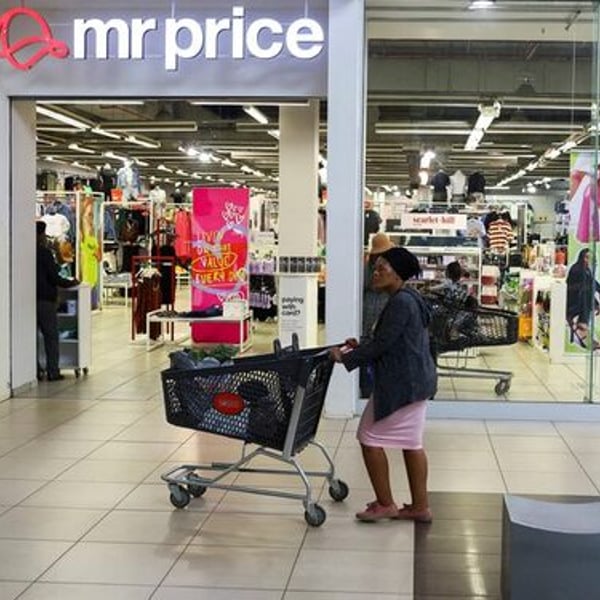
South Africa’s Mr Price makes European debut through German value retailer deal

5 VCs sounds off on the AI question du jour
-

 Politics8 years ago
Congress rolls out ‘Better Deal,’ new economic agenda
-
Entertainment8 years ago
New Season 8 Walking Dead trailer flashes forward in time
-
Politics8 years ago
Poll: Virginia governor’s race in dead heat
-
Entertainment8 years ago
The final 6 ‘Game of Thrones’ episodes might feel like a full season
-
Entertainment8 years ago
Meet Superman’s grandfather in new trailer for Krypton
-
Politics8 years ago
Illinois’ financial crisis could bring the state to a halt
-
Business8 years ago
6 Stunning new co-working spaces around the globe
-
Tech8 years ago
Hulu hires Google marketing veteran Kelly Campbell as CMO