Connect with us

Business

HPE got tangled up in MAGA conspiracy theories and now its $14 billion merger with Juniper could be thrown out

Published

on


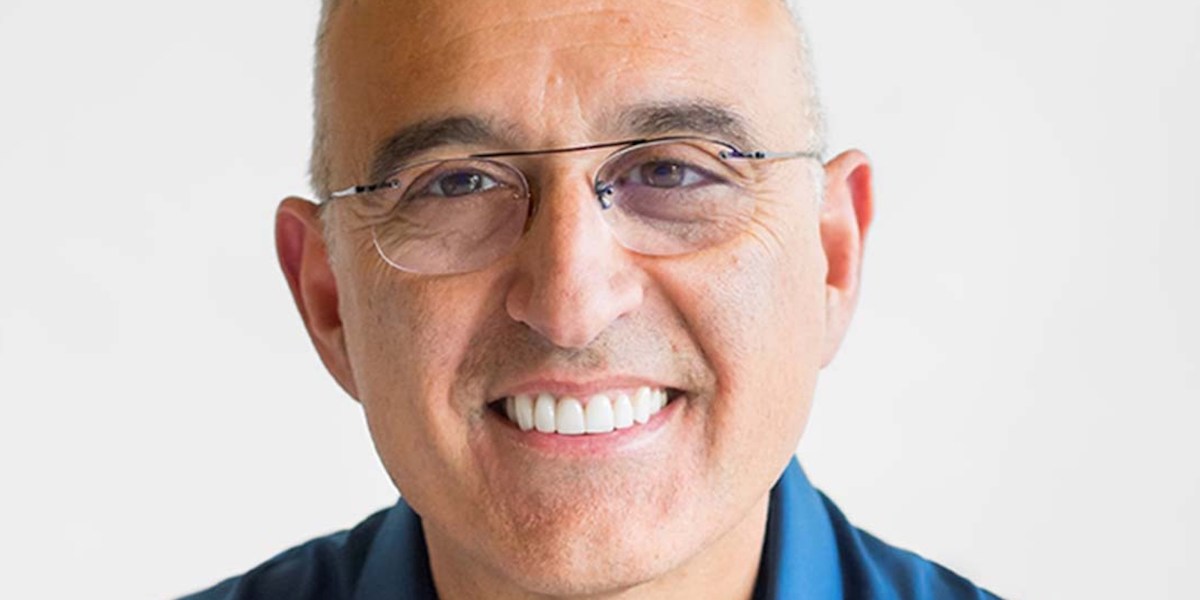
When Hewlett Packard Enterprise CEO Antonio Neri won a reversal from the U.S. Department of Justice, allowing HPE’s $14 billion acquisition of Juniper Networks to go ahead, he could have been forgiven for thinking his troubles were behind him.

Instead, HPE has been dragged into one of those weird MAGA conspiracy theories that orbit President Trump’s White House. Even Laura Loomer, the vituperous online Trump activist, somehow got involved.

Given that the DOJ dropped its opposition to the merger (it previously complained it would reduce market competition), Neri could reasonably have expected the federal judge overseeing the litigation to waive the deal through.

But because the DOJ’s sudden reversal got the gears whirring inside the brains of multiple online sleuths, resulting in an objection letter from Senator Elizabeth Warren, it is suddenly more likely—perhaps not probable, but plausible—that Judge P. Casey Pitts will hold a “Tunney review” that may overturn the deal.

A “Tunney review” is a judicial proceeding that asks whether a proposed merger is in the public interest. The Tunney Act was created in in the 1970s in reaction to President Nixon’s meddling in the M&A market.

A negative Tunney review would be a defeat for Neri, who is fending off activist Elliott Management, which bought a $1.5 billion stake in the company and demanded seats on the board in part because it believes HPE stock is being held down by execution errors on Neri’s watch. Neri could lose his job if things do not go his way, sources have told Fortune.

How did HPE get here?

For its part, HPE believes it has done nothing wrong, and that it has simply prevailed in a routine judicial process.

“HPE is confident our acquisition of Juniper Networks is in the public interest and will promote further competition in the enterprise WLAN market,” the company told Fortune. “The transaction was appropriately approved with certain remedies by the U.S. Department of Justice, and it was unconditionally approved by 13 other antitrust regulators around the world.  We respect the role our regulators play in maintaining competitive markets and appreciate the professional and constructive way in which the DOJ engaged with us in approving the deal.”

But several online corporate dirt diggers, including Matt Stoller, Francine McKenna, Lever News and Capitol Forum, drew attention to personnel changes at the DOJ immediately prior to its approval of the deal. Two DOJ lawyers on the case appear to have been removed from it, according to Semafor. Now HPE is on the front page of the Wall Street Journal as Exhibit 1 in the narrative that lobbyists are undercutting the MAGA antitrust agenda by making off-the record promises about new jobs in the U.S. (HPE denied that, too.)

In a filing on the federal court docket, HPE listed its advisors on the deal. They included what Sen. Warren’s letter described as “MAGA-aligned antitrust thought leader Mike Davis.”

It is this person that Stoller and his online colleagues believe is a lobbyist responsible for changing the minds of Attorney General Pam Bondi and her chief of staff, Chad Mizelle, and thus reversing their opposition to the deal.

Following that, Loomer used X to insist that HPE had paid consultants allied to President Trump $1 million each to engage in “influence peddling.” Loomer later deleted the post. Sources previously told Fortune they didn’t understand why Loomer was paying attention to the deal.

The Lever published a claim that “In a last-minute effort to save face … intelligence authorities intervened to rubber-stamp the deal because of national security reasons, a claim that never appeared in any of the DOJ and HP’s legal briefs.” In fact, HPE did cite national security in its July 7 certification of the proposed judgment approving the deal. (You can see it here on page 2.) The national-security angle is that by combining HPE and Juniper it creates a larger market share for a U.S. company in places where the alternative might be Huawei, which many Western governments regard as a Chinese Communist Party asset. (Huawei has repeatedly denied that allegation.)

The next step is up to Judge Pitts. It is not clear cut that Pitts will rubber-stamp the DOJ’s decision. Pitts is a Biden appointee who previously worked at a public interest law firm—and he may therefore be sceptical that Trump’s DOJ went from fierce opposition to “whatever” so quickly.

His ruling is likely months away.

The DOJ told Fortune: “The Department has consistently reiterated that resolution of this merger was based only on the merits of the transaction,” according to spokesman Gates McGavick.

Meanwhile, HPE stock has not reacted well to all the gossip. It remains down 5.7% year to date compared to the S&P 500 which is up 8%. Elliott’s stake is a long position—meaning they want shares to rise. And they are more than willing to replace the CEO if they do not get what they want. Hence the pressure on Neri.


Source link

Continue Reading

Business

Netflix’s $5.8 billion breakup fee for Warner among largest ever

Published

on


Netflix Inc.’s $72 billion acquisition of Warner Bros. Discovery Inc. includes one of the biggest breakup fees of all time — a $5.8 billion penalty that Netflix has agreed to pay its target if the deal falls apart or fails to win regulatory approval.

At 8% of the deal’s equity value, the fee is well above the average even in big-ticket dealmaking, signaling Netflix executives’ confidence they can convince global antitrust watchdogs to let the transaction go ahead. The average breakup fee in 2024 was equal to about 2.4% of the total transaction value, according to a report from Houlihan Lokey.

Netflix’s multibillion-dollar pledge is also a sign of how heated the bidding war got for control of the iconic Hollywood studio. As part of a sweetened proposal earlier this week, rival suitor Paramount Skydance Corp. had more than doubled the proposed breakup fee in its offer to $5 billion.

Warner Bros., meanwhile, would have to pay a $2.8 billion reverse breakup fee if its shareholders vote down the deal. If Warner Bros. were to accept a rival offer, the new buyer, in effect, would be on the hook for that fee.

Here are some of the biggest breakup fees in M&A history, according to data compiled by Bloomberg:

AOL/Time Warner Inc.

Deal value: $160 billion 

America Online Inc. agreed to pay a fee of about $5.4 billion if it backed out of its agreement to buy Time Warner Inc. Time Warner would pay about $3.9 billion if it broke up the transaction under certain conditions.

Percentage of deal value: 3.4%

Outcome: Completed

Pfizer/Allergan

Deal value: $160 billion

The breakup fee could have been as high as $3.5 billion, but the merger had a contingency that it would be lower if there were changes to tax law. Pfizer ended up paying just $150 million after the US cracked down on corporate tax inversions 

Percentage of deal value: 2.2% (but paid less than 0.1%)

Outcome: Terminated

Verizon/Verizon Wireless

Deal Value: $130 billion

Breakup Fee: This deal for Vodafone’s stake in Verizon Wireless was complicated. Verizon promised to pay a breakup fee to Vodafone of $10 billion if it couldn’t get financing for the deal, or $4.64 billion if its board changed its recommendation to shareholders to vote in favor of the transaction. Meanwhile, Vodafone would have owed $1.55 billion to Verizon if its board changed its mind, and either side would have had to pay $1.55 billion to the other if shareholders turned down the transaction. Vodafone also would have had to pay that $1.55 billion if an unfavorable tax ruling made it too onerous to complete the deal. 

Percentage of deal value: 7.7%

Outcome: Deal completed

AB InBev/SAB Miller

Deal value: $103 billion

Breakup fee: AB InBev agreed to pay a breakup fee of $3 billion if it failed to get approval from regulators or shareholders and instead walked away from what was then the biggest corporate takeover in UK history. 

Percentage of deal value: 2.9% 

Outcome: Completed

AT&T/T-Mobile USA

Deal Value: $39 billion 

Breakup fee: AT&T agreed to pay Deutsche Telekom a $3 billion breakup fee in cash, as well as transferring radio spectrum to T-Mobile and striking a more favorable network-sharing agreement. 

Percentage of deal value: 7.7%

Outcome: Withdrawn after regulatory opposition

Google/Wiz

Deal value: $32 billion

The companies agreed that Google would pay a breakup fee of about $3.2 billion — a huge chunk of the transaction value — if the deal didn’t close.

Percentage of deal value: 10% 

Outcome: Completed


Source link

Continue Reading

Business

A Thanksgiving dealmaking sprint helped Netflix win Warner Bros.

Published

on


The Netflix Inc. plans that clinched the deal for Warner Bros. Discovery Inc. started to shape up around Thanksgiving. 

deadline was looming: Warner Bros. had asked bidders, which also included Paramount Skydance Corp. and Comcast Corp., to have their latest proposals and contracts in by the Monday after the holiday, following a round about a week earlier. The suitors were told to put their best foot forward.

While most Americans were watching football and feasting on turkey, Netflix executives and advisers hunkered down to finalize a binding offer and a $59 billion bridge loan from banks, one of the biggest of its kind. That gave the streaming company the ammunition to make a mostly cash-and-stock bid that helped it prevail over Comcast and David Ellison’s Paramount, according to people familiar with the matter.

The resulting $72 billion deal, announced Friday, is set to bring about a seismic shift in the entertainment business — if it can survive intense regulatory scrutiny and a potential fight from Paramount. This account of Netflix’s surprise victory in the biggest M&A auction of the year is based on interviews with half a dozen people involved in negotiations. They asked not to be identified because the details are confidential.

The sales process had kicked off with several unsolicited bids from Paramount Skydance, itself a newly formed company after a merger this year orchestrated by Ellison. He’s now the studio’s chief executive officer and controlling shareholder, with backing from his father, Oracle Corp. billionaire Larry Ellison. 

Paramount’s early move gave it a head start in the bidding process weeks before other would-be buyers got access to information. But the post-Thanksgiving deadline for second-round bids became a turning point by giving Netflix time to catch up and assemble the documents it needed, some of the people said. And since the streaming giant was bred in the fast-paced ethos of Silicon Valley, it could move quickly. 

When the binding bids arrived that Monday, Netflix’s offer emerged as superior, the people said.

One issue was the Warner Bros. camp had doubts about how Paramount would pay for the company, which owns sprawling Hollywood studios, the HBO network and a vast film and TV library. Paramount’s offer included financing from Apollo Global Management Inc. and several Middle Eastern funds, and it had conveyed that its bid was fully backstopped by the Ellisons. Still, Warner Bros. executives were privately concerned about the certainty of the financing, people familiar with the matter said.

Representatives for Netflix and Warner Bros. declined to comment.

‘Noble’ vs ‘Prince’

In the weeks leading up to the finale, Warner Bros. advisers set up war rooms at various hotels in midtown Manhattan. A core group holed up at the Loews Regency, which has long been a convening spot for the city’s movers and shakers.

Inside Warner Bros., the situation was known as “Project Sterling.” The company called itself by the code name “Wonder.” The team referred to Netflix as “Noble,” while Paramount was “Prince” and Comcast was “Charm.”

At Netflix, Chief Financial Officer Spencer Neumann served as the point man while corporate development head Devorah Bertucci organized people day-to-day. Chief Legal Officer David Hyman and Spencer Wang, vice president of finance, investor relations and corporate development, also were key architects, with all of them reporting into co-CEOs Ted Sarandos and Greg Peters.

The contours of the deal were shaped in a way befitting of a tech company: mostly over video chat or phone rather than in person. Virtual war rooms were set up. While strategizing or discussing diligence on Zoom, participants would raise virtual hands or make suggestions over chat rather than unmuting and slowing down the meeting. Google Docs were used to review and edit documents together in real time.

Talks heated up this week, with Warner Bros. advisers in continuous dialogue with the bidders and negotiating contract language and value. Comcast said it would merge its NBCUniversal division with Warner Bros. Paramount offered to more than double its proposed breakup fee to $5 billion to sweeten its deal and outshine rivals. 

In the end, Warner Bros. determined Netflix had the best offer and the company was the most flexible on key terms. On Wednesday, Paramount lobbed an aggressively worded letter to Warner Bros. board saying the sales process was “tainted.” It also identified what it saw as regulatory risks in the Netflix proposal, one sign that a winning outcome was slipping away for Paramount. 

Netflix found out Thursday evening New York time that it had won. Executives and advisers were assembled on a video call when they got the official word, sparking a moment of jubilation before everyone snapped into action. By 10:25 p.m., Bloomberg News broke the news that a deal was imminent. 

Even Sarandos made it sound like the ending was a twist on a conference call with investors. “I know some of you are surprised that we’re making this acquisition, and I certainly understand why,” he said. “Over the years, we have been known to be builders, not buyers.”

Regardless of whether Paramount reemerges to try and top the bid, Netflix will have work ahead of it. It has agreed to pay a $5.8 billion breakup fee to Warner Bros. if the transaction fails on regulatory grounds. The company also has to digest its largest acquisition ever.

“It’s going to be a lot of hard work,” co-CEO Peters said on the conference call. “We’re not experts at doing large-scale M&A, but we’ve done a lot of things historically that we didn’t know how to do.”


Source link

Continue Reading

Business

‘Its own research shows they encourage addiction’: Highest court in Mass. hears case about Instagram, Facebook effect on kids

Published

on


Massachusetts’ highest court heard oral arguments Friday in the state’s lawsuit arguing that Meta designed features on Facebook and Instagram to make them addictive to young users.

The lawsuit, filed in 2024 by Attorney General Andrea Campbell, alleges that Meta did this to make a profit and that its actions affected hundreds of thousands of teenagers in Massachusetts who use the social media platforms.

“We are making claims based only on the tools that Meta has developed because its own research shows they encourage addiction to the platform in a variety of ways,” said State Solicitor David Kravitz, adding that the state’s claim has nothing to do the company’s algorithms or failure to moderate content.

Meta said Friday that it strongly disagrees with the allegations and is “confident the evidence will show our longstanding commitment to supporting young people.” Its attorney, Mark Mosier, argued in court that the lawsuit “would impose liabilities for performing traditional publishing functions” and that its actions are protected by the First Amendment.

“The Commonwealth would have a better chance of getting around the First Amendment if they alleged that the speech was false or fraudulent,” Mosier said. “But when they acknowledge that its truthful that brings it in the heart of the First Amendment.”

Several of the judges, though, seem to more concerned about Meta’s functions such as notifications than the content on its platforms.

“I didn’t understand the claims to be that Meta is relaying false information vis-a-vis the notifications but that it has created an algorithm of incessant notifications … designed so as to feed into the fear of missing out, fomo, that teenagers generally have,” Justice Dalila Wendland said. “That is the basis of the claim.”

Justice Scott Kafker challenged the notion that this was all about a choose to publish certain information by Meta.

“It’s not how to publish but how to attract you to the information,” he said. “It’s about how to attract the eyeballs. It’s indifferent the content, right. It doesn’t care if it’s Thomas Paine’s ‘Common Sense’ or nonsense. It’s totally focused on getting you to look at it.”

Meta is facing federal and state lawsuits claiming it knowingly designed features — such as constant notifications and the ability to scroll endlessly — that addict children.

In 2023, 33 states filed a joint lawsuit against the Menlo Park, California-based tech giant claiming that Meta routinely collects data on children under 13 without their parents’ consent, in violation of federal law. In addition, states including Massachusetts filed their own lawsuits in state courts over addictive features and other harms to children.

Newspaper reports, first by The Wall Street Journal in the fall of 2021, found that the company knew about the harms Instagram can cause teenagers — especially teen girls — when it comes to mental health and body image issues. One internal study cited 13.5% of teen girls saying Instagram makes thoughts of suicide worse and 17% of teen girls saying it makes eating disorders worse.

Critics say Meta hasn’t done enough to address concerns about teen safety and mental health on its platforms. A report from former employee and whistleblower Arturo Bejar and four nonprofit groups this year said Meta has chosen not to take “real steps” to address safety concerns, “opting instead for splashy headlines about new tools for parents and Instagram Teen Accounts for underage users.”

Meta said the report misrepresented its efforts on teen safety.

___

Associated Press reporter Barbara Ortutay in Oakland, California, contributed to this report.


Source link

Continue Reading

Trending

Copyright © Miami Select.