It is already happening and it’s not just coming for banks; it’s hitting every part of our government right now.
Every week, AI-generated fraud is siphoning millions from public benefit systems, disaster relief funds, and unemployment programs. Criminal networks are already using deepfakes, synthetic identities, and large language models to outpace outdated fraud defenses, including easily spoofed, single-layer tools like facial recognition, and they’re winning.
We saw a glimpse of this during the pandemic, when fraud rings exploited gaps in state systems to steal hundreds of billions in unemployment benefits. It wasn’t just people wearing masks to bypass facial recognition. It was AI-generated fake identities, voice clones, and forged documents overwhelming systems that weren’t built to detect them. Today, those tactics are more advanced, and fully automated.
I work with over 9,000 agencies across the country. As I testified before the U.S. House of Representatives twice this year, what we’re seeing in the field is clear. Fraud is faster, cheaper, and more scalable than ever before. Organized crime groups, both domestic and transnational, are using generative AI to mimic identities, generate synthetic documentation, and flood our systems with fraudulent claims. They’re not just stealing from the government; they’re stealing from the American people.
The Small Business Administration Inspector General now estimates that nearly $200 billion was stolen from pandemic-era unemployment insurance programs, making it one of the largest fraud losses in U.S. history. Medicaid, IRS, TANF, CHIP, and disaster relief programs face similar vulnerabilities. We have also seen this firsthand in our work alongside the U.S. Secret Service protecting the USDA SNAP program, which has become a buffet for fraudsters with billions stolen nationwide every month. In fact, in a single day using AI, one fraud ring can file tens of thousands of fake claims across multiple states, most of which will be processed automatically unless flagged.
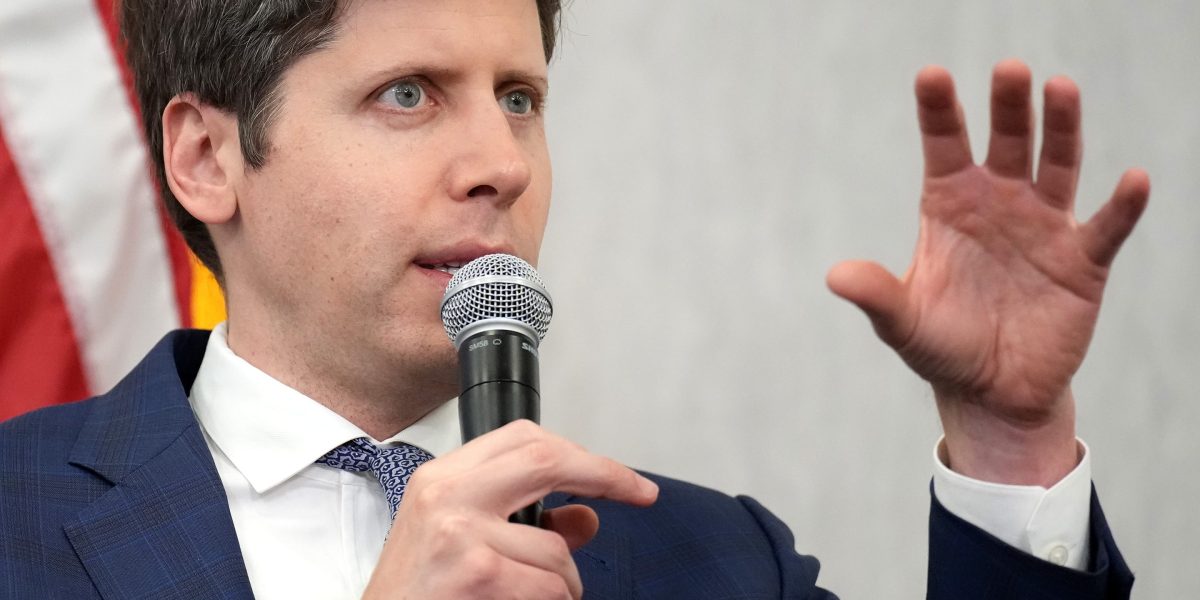
We’ve reached a turning point. As AI continues to evolve, the scale and sophistication of these attacks will increase rapidly. Just as Moore’s Law predicted that computing power would double every two years, we’re now living through a new kind of exponential growth. Gordon Moore, Intel’s co-founder, originally described the trend in 1965, and it has guided decades of innovation. I believe we may soon recognize a similar principle for AI that I call “Altman’s Law”: every 180 days, AI capabilities double.
If we don’t modernize our defenses with the same pace as technological advancements, we’ll be permanently outmatched.
What we desperately need is smarter tools and infrastructure, not more bureaucracy.
That means layering advanced identity verification, not just facial scans or passwords. It means using real-time data, behavioral analytics, and cross-jurisdictional tools that can flag anomalies before money goes out the door. It also means reviving what has already worked: tools like the National Accuracy Clearinghouse, which flagged billions of dollars in duplicate benefit claims across state lines before it was shut down.
AI is a force multiplier, but it can be weaponized more easily than it can be wielded for protection. Right now, criminals are using it better than we are. Until that changes, our most vulnerable systems and the people who depend on them will remain exposed.
The opinions expressed in Fortune.com commentary pieces are solely the views of their authors and do not necessarily reflect the opinions and beliefs of Fortune.