
Politics
OBBB — Alligator Alcatraz — payout audit — AmeriCorps — stormy
Medicaid measure pulled
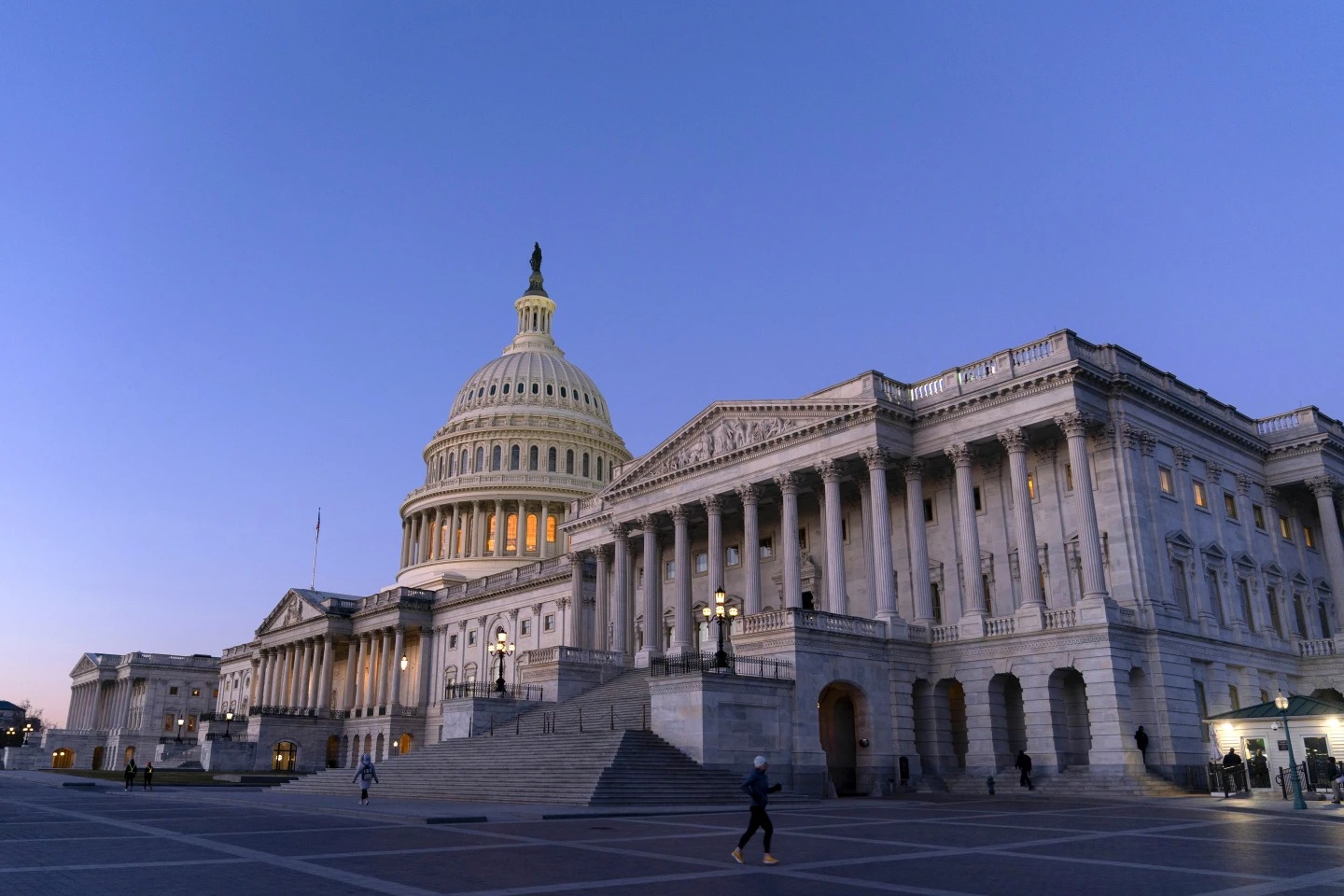
Senators were afforded little sleep this week as they deliriously proceeded through votes on 222 proposed amendments to the “One Big Beautiful Bill.”
But one of the most discussed — and feared — amendments filed by Sen. Rick Scott ultimately did not receive a vote. Early Tuesday, after a reported midnight meeting between a conservative bloc of Senators and Majority Leader John Thune, news broke that the amendment would be withdrawn.
The Naples Republican had proposed that the bill include a Federal Medical Assistance Percentage (FMAP) to eliminate the ability of those who are not disabled, pregnant or older than 65 to enroll in Medicaid. He rallied a bloc of Republicans in the Senate — himself and Sens. Ron Johnson of Wisconsin, Mike Lee of Utah and Cynthia Lummis of Wyoming — around the proposal.
As late as Monday, Scott promoted the measure on social media and with colleagues on the floor.
“Right now, benefits for those who truly need Medicaid are at risk because of Democrat-led states’ fraud, waste and abuse of the system,” he posted on X. “My FMAP fix protects this program for future generations, AND takes effect over time, so no one who needs this critical program loses it.”
President Donald Trump promised that passage of the bill, which makes tax cuts from his first term permanent, won’t boot anyone off Medicaid who was covered under the program’s original mission. During a trip to Florida, Trump said the bill will only cut “waste, fraud and abuse, which is what everybody wants.”
But the measure had GOP critics who say that’s not possible. Sen. Thom Tillis, a North Carolina Republican, gave a fiery speech defending Medicaid on Monday, a day after announcing he would not run for re-election. He said that any cuts risked compromising the nation’s safety net, which provides for its neediest citizens.
“What do I tell 663,000 people in two years or three years, when President Trump breaks his promise by pushing them off Medicaid because the funding’s not there anymore?” he said.
As written, the amendment calls for people to be removed from Medicaid by the start of 2031. As for the impact, an analysis by the Congressional Budget Office of the tax cut package as written will already result in 17 million people being booted from federal health plans by 2034. If Scott’s proposal had won Senate approval, it could have increased the figure to as high as 29 million people, while also saving an additional $313 million in federal spending.
The tax cut package passed on Tuesday after Vice President JD Vance broke a 50-50 tie and without the Scott language. Now it heads back to the House with amendments that did pass.
Florida Republicans in the lower chamber, though, voiced frustration with the number of individuals being left on Medicaid under the bill as written in the Senate. Rep. Anna Paulina Luna, a St. Petersburg Republican, lamented a Senate vote against actively kicking any illegal migrants off the federal program.
“This is not what I voted for,” she posted on X.
Still, Republicans in the delegation have lobbied for the legislation to pass. Rep. Vern Buchanan, a Longboat Key Republican and Co-Chair of the Florida congressional delegation, led an open letter to Floridians signed by 11 lawmakers, including Luna, touting the tax benefits of the bill as passed by the House.
“The One Big Beautiful Bill Act will lower taxes for hardworking families, seniors and small businesses, protect Medicaid and strengthen America’s border security. We are committed to seeing this bill become law on behalf of all Floridians,” the letter reads.
Special invitation
Trump on Tuesday attended the opening of a migrant detention center in Florida dubbed “Alligator Alcatraz.” The converted air strip will immediately bring 1,000 beds for detained migrants online and will be expanded to 3,000 beds by the end of July.
“You don’t always have land so beautiful and so secure. They have a lot of bodyguards and a lot of cops that are the form of alligators,” Trump said. “You don’t have to pay them so much, but I wouldn’t want to run through the Everglades for long. It will keep people where they’re supposed to be.”

For political observers, the lineup of officials attending the center’s opening was as newsworthy as the work itself. White House Press Secretary Karoline Leavitt, when announcing the visit, mentioned that one member of the congressional delegation would also attend.
Rep. Byron Donalds, whom Trump has endorsed for Governor, visited the center with Gov. Ron DeSantis and the President. Donalds, a Naples Republican, spoke at a roundtable and praised the project, as well as both the state and federal administrations for working together.
“It really does mean a lot to all the people of Florida,” he said.
But the facility is located in Rep. Mario Díaz-Balart’s district. The Hialeah Republican, however, will not attend the opening. Rather, Díaz-Balart will remain in Washington, working on budget matters as Chair of the House National Security, Department of State and Related Programs Appropriations Subcommittee.
Regardless, the idea of DeSantis and Donalds attending any public event together sparked interest in Florida circles due to the 2026 Governor’s race. Many expect DeSantis to have a different preferred choice in the contest, namely First Lady Casey DeSantis.
However, at the event, both DeSantis and Trump emphasized a positive relationship with one another, despite competing against each other in the GOP Presidential Primaries last year. DeSantis suggested the state will save the administration by housing migrants, just as he helped Trump’s campaign by making Florida a red state during his time as Governor.
“Obviously, we saved him a lot of money in Florida, because Florida was a deep red state. He didn’t even have to do a rally in Florida, whereas ’20, 2016 and ’24, this was like ground zero.”

Florida’s Finest
Sen. Ashley Moody gave out her latest “Florida’s Finest Award,” an honor bestowed upon a resident of the state.
The Plant City Republican on June 20 presented the recognition to Yvette Paradis, a Pensacola Energy customer service representative who was on the phone with a customer when he started having a seizure. Paradis called 911, likely saving the man’s life.
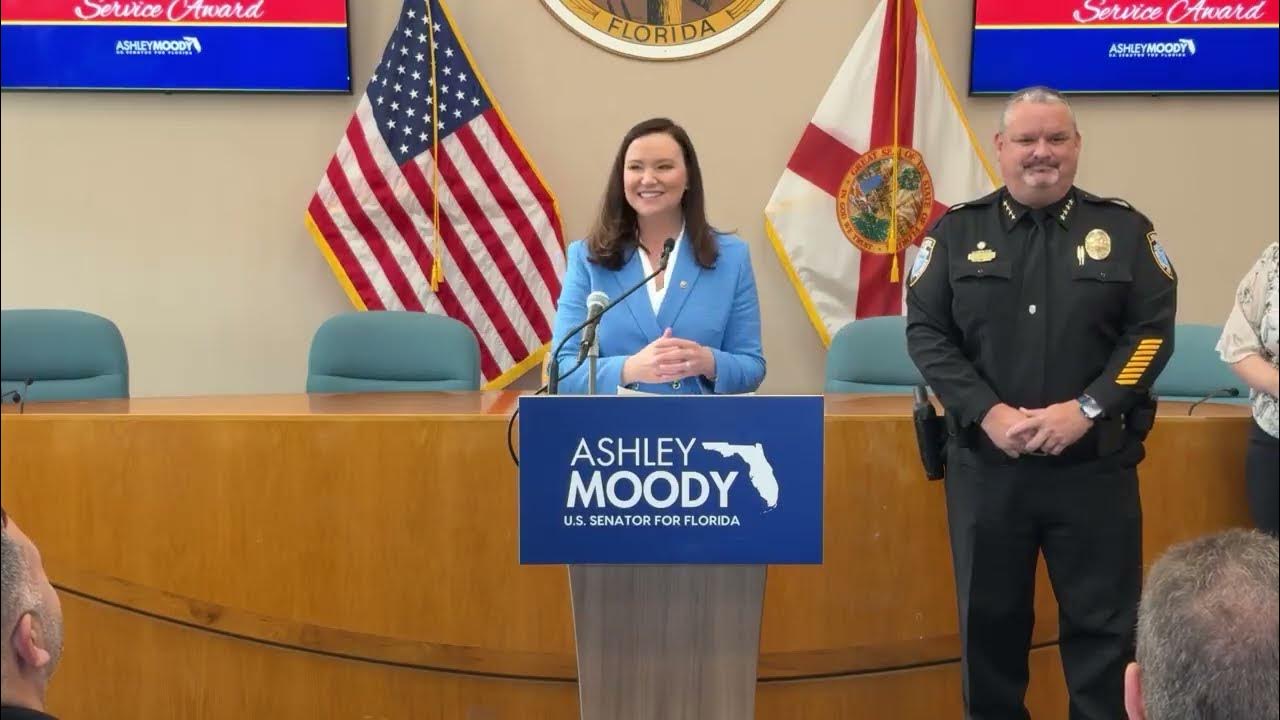
“Yvette was having a normal day at work as a customer service representative when she answered a routine call, but it quickly turned into a lifesaving operation when she noticed signs of distress on the other end of the line,” Moody recounted.
“The customer responded by telling her that he was having a seizure, and Yvette immediately called 911 to send the ambulance to his home and advised the customer’s neighbor to stay with him until help arrived. Though she had limited information and little time, Yvette made a decision that made the difference between life and death. Her quick thinking and responsiveness saved this man, and I am proud to recognize her with the Florida’s Finest Award.”
Moody launched the award in April, when she gave the first such recognition to Ashley Willis, an Indialantic 911 dispatcher. Willis was credited with actions that saved the life of a pregnant woman on the Atlantic coast.
Discrimination against disabled
The House approved legislation championed by Rep. Kat Cammack that protects disabled Americans from discrimination on organ transplant waiting lists.
The Charlotte Woodward Organ Transplant Discrimination Prevention Act (HR 1520) passed last week on a voice vote before heading to the Senate.
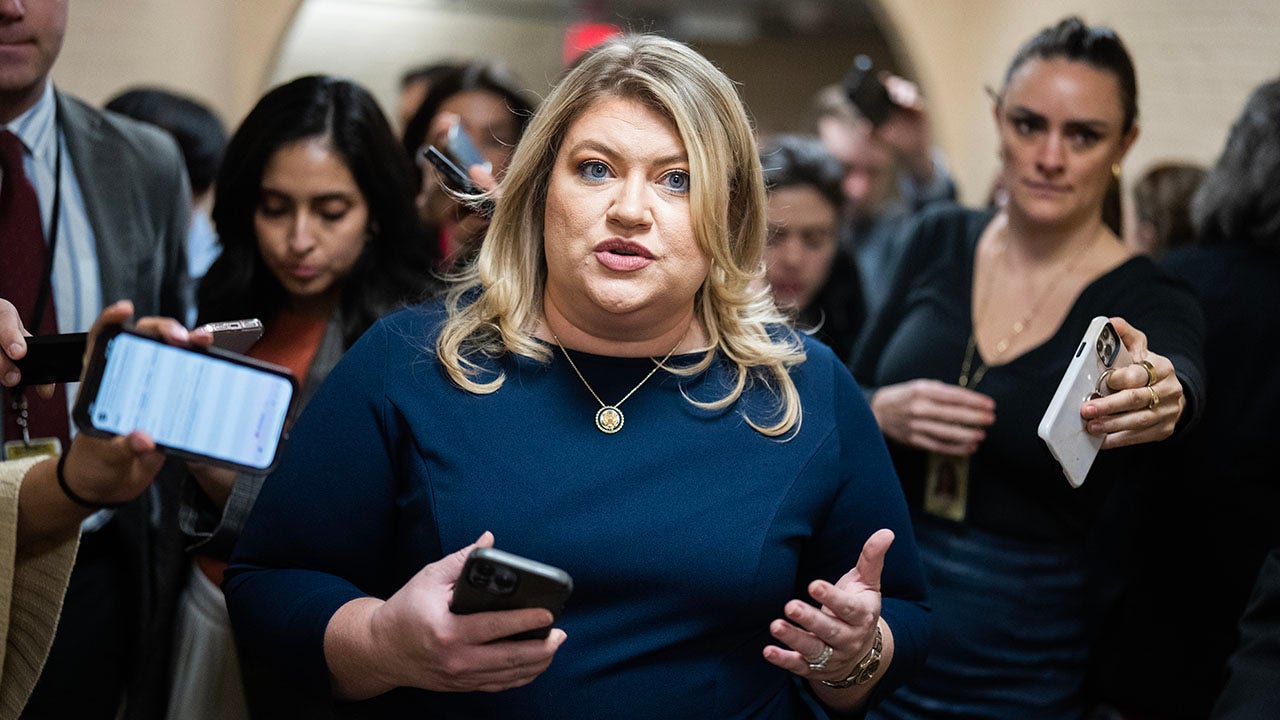
The bill was named for Charlotte Woodward, a Michigan constituent of Rep. Debbie Dingell, the Democratic co-sponsor of the bill. But Cammack also spotlighted the story of Zion Sarmiento, an Ocala infant who died after being denied a heart transplant.
“Baby Zion, a young infant with Down syndrome in Florida’s 3rd Congressional District, was denied a lifesaving heart transplant in 2021 and passed away. His life was worth saving, and we’re fighting to end discrimination in the organ transplant system, so the same thing never happens again,” Cammack said.
“I am honored to work alongside Congresswoman Dingell and my colleagues on both sides of the aisle in safeguarding the rights of those with disabilities.”
The legislation would bar making an individual ineligible for a transplant or determining their place on a list based on any disability.

Trueing the books
The Department of Government Efficiency (DOGE) recommended numerous cuts in federal spending but also stated that some $4.7 trillion in expenditures could not be traced to a specific source or use, as reported by Fox News.
Now, Rep. Mike Haridopolos wants a better accounting of taxpayer dollars. The Indian Harbour Beach Republican introduced the Locating Every Disbursement in Government Expenditure Records (LEDGER) Act (HR 4091). The bill establishes a mandatory, standardized system for recording all payments made by the Treasury Department.
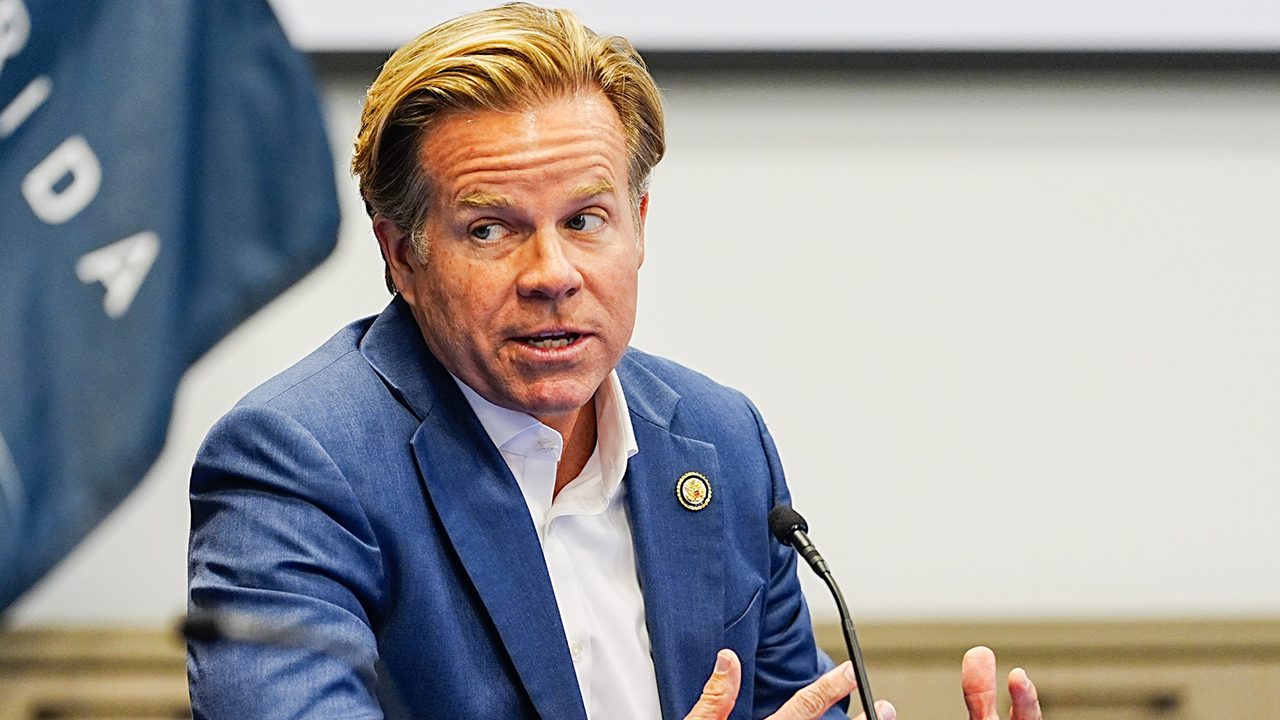
“The discovery that bureaucrats spent trillions of taxpayer dollars without basic tracking measures showed that Washington’s spending problem is also an accountability problem,” Haridopolos said. “The LEDGER Act addresses this by ensuring that every federal payment is properly documented, bringing much-needed transparency to government spending.”
Scott introduced a companion bill in the Senate. He notably signed the state-level Florida Accountability Contract Tracking System (FACTS) Act, a similar bill, into law as Florida Governor.
“I am glad to lead the LEDGER Act with my colleague, Congressman Haridopolos, to fix that by requiring Treasury to track every payment made using Americans’ tax dollars. There’s not a single family or business in America that operates this way — we look at our bank accounts and credit card statements to make sure we know where our money is going and stay on budget,” Scott said.
“I brought the same common sense of every American family and business as Governor of Florida to get spending under control and balance the budget, and we can do the same on the federal level to save the American dream and support the great work of President Trump, (Commerce) Secretary (Scott) Bessent and DOGE.”
AmeriCorps restoration
After a judge ordered the Trump administration to restore funding to AmeriCorps, grants are back on track for service organizations in Orlando.
Rep. Maxwell Frost announced $1.8 million in grants will go to Operation AmeriCorps and City Year Orlando’s academic support programs in underserved areas.
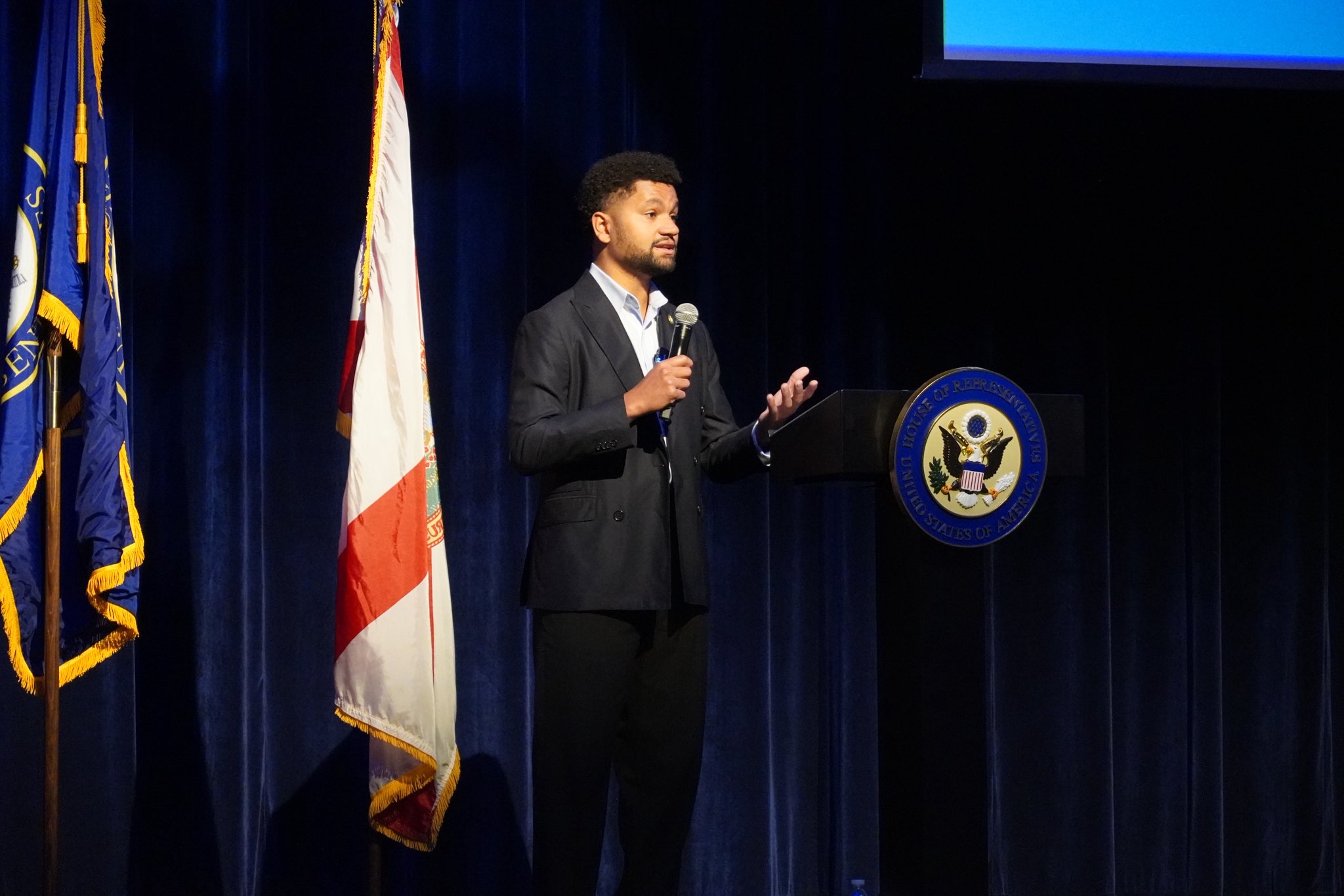
“These federal grants are an investment in the volunteers and programs that help address Central Florida’s most pressing needs. Both City Year Orlando and Operation AmeriCorps work to ensure every child has the opportunity to succeed. And that work isn’t possible without strong federal support,” the Orlando Democrat said.
“The Trump administration may label AmeriCorps’ work as ‘wasteful,’ but in Central Florida, we know their work is essential to building a stronger, thriving community for everyone.”
AmeriCorps coordinates volunteer and service efforts nationwide, with 200,000 individuals enrolled across the country.

Reclaiming legacies
More than 80 years after World War II ended in Europe, much of the art stolen by Nazis during the Holocaust has never been returned to rightful owners or their survivors. Rep. Laurel Lee co-introduced a bipartisan bill to help families reclaim stolen works.
New legislation built on the Holocaust Expropriated Art Recovery (HEAR) Act would eliminate a 2026 expiration date on claims and help close loopholes that Jewish groups say denied rightful return of valuable collections.

“The Nazi regime stole not only lives but legacies, including cultural and family treasures that carry deep personal and historical meaning,” said Lee, a Thonotosassa Republican.
“This bill ensures that families who lost everything during the Holocaust are given a fair shot at justice. These claims should be decided on the truth, not on legal loopholes or paperwork deadlines. With this legislation, we reaffirm our commitment to standing with Holocaust survivors and their families. They deserve to have their stories heard and their property returned. It’s never too late to do the right thing.”
She filed the bill with Republican Rep. Scott Fitzgerald of Wisconsin and Democratic Reps. Maggie Goodlander of New Hampshire, Jerry Nadler of New York and Jamie Raskin of Maryland.
“I was proud to be a lead sponsor of the HEAR Act when it passed in 2016 and am proud to help lead my colleagues in reintroducing the bill today,” Nadler said. “As a matter of principle, we affirm that in the United States, everyone who has a credible claim deserves to have their day in court. This bill realizes that principle and ensures that every family has the right to a fair and just process based solely on the merits of their claim.”
Art Ashes, a nonprofit dedicated to claiming art stolen by the Nazi regime, was among the Jewish organizations to endorse the bill.
“This legislation renews and strengthens the HEAR Act, which is set to expire, by closing critical loopholes and addressing key oversights. It reaffirms our commitment to ensuring that rightful owners of Nazi-looted art — and their families — receive the restitution they are owed,” said Art Ashes President Joel Greenberg.
“Any museum that knowingly retains stolen works is complicit in perpetuating the injustice inflicted on Holocaust victims. We have both a moral and legal obligation to correct these wrongs and to ensure the crimes of the Holocaust are neither forgiven nor forgotten.”
TPS terminated
The termination of any temporary protected status for Haitians in the U.S. left the only Haitian American now in Congress fuming.
Homeland Security Secretary Kristi Noem announced all TPS protections will expire on Aug. 3, and individuals with protections will have them terminated on Sept. 2. At that point, individuals in the U.S. are encouraged to return to Haiti or risk deportation.

“The environmental situation in Haiti has improved enough that it is safe for Haitian citizens to return home,” a Homeland Security spokesperson said. “We encourage these individuals to take advantage of the Department’s resources in returning to Haiti, which can be arranged through the CBP Home app. Haitian nationals may pursue lawful status through other immigration benefit requests, if eligible.”
But Rep. Sheila Cherfilus-McCormick, a Miramar Democrat, criticized the decision by the Department of Homeland Security (DHS) to end the legal protections despite continued violence that has destabilized the Caribbean island nation.
“While DHS claims that conditions in Haiti have improved, this assessment appears inconsistent with the State Department’s travel advisory, which warns of widespread violence, kidnappings and civil unrest. If the country is considered unsafe for U.S. travelers, it raises serious concerns about sending families back at this time,” Cherfilus-McCormick said.
Rep. Frederica Wilson, a Miami-Dade Democrat, agreed.
“Haiti is not safe! It’s riddled with gang violence and political turmoil,” she said. “The poorest country in the Western Hemisphere cannot absorb deportees. This news is insanity on steroids, and it is heartbreaking to my community. I urge this administration to reverse their drastic decision on TPS for Haitians. We cannot send any more people back to Haiti. This ruling is hateful, inhumane and heartless.”
The decision to end TPS for Haitians in particular could be especially impactful in Florida, home to 49% of all Haitians living in the U.S., according to the Migration Policy Institute.
“The economic impact is also significant. TPS holders and their households contribute an estimated $2.3 billion in federal and $1.3 billion in state and local taxes annually. The removal of hundreds of thousands of workers would affect not only South Florida but also the national economy,” Cherfilus-McCormick said.
“Our immigration policies should reflect compassion, consistency, and respect for those who have built their lives here under legal protections. I encourage the administration to reconsider this decision and call on Congress to provide a permanent solution for TPS holders.”

Birthright attack
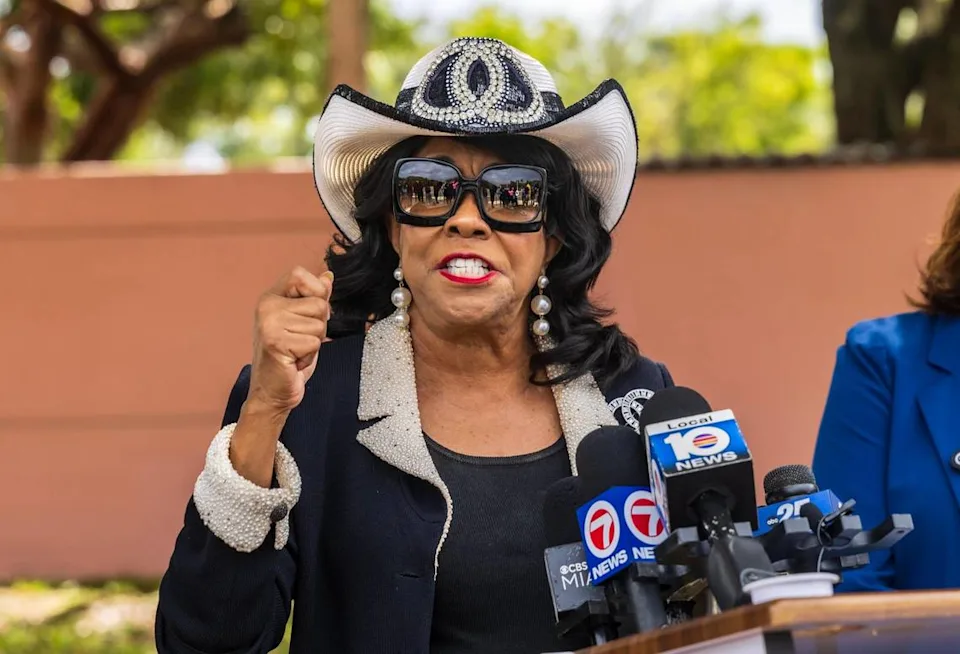
Wilson also predicted significant consequences in the state for a Supreme Court ruling stating lower court judges cannot grant nationwide injunctions to parties not covered by the lawsuit in question. That explicitly relates to a Trump executive order ending birthright citizenship, something many critics believe to be blatantly unconstitutional.
“Every child born in the United States is an American citizen. PERIOD. We cannot become a nation that starts targeting newborns. The judicial fight to protect birthright citizenship is still ongoing, and we must protect this constitutional right,” Wilson said.
Beyond Haitians, Florida boasts the highest concentration of immigrants from many Western Hemisphere nations, including the Bahamas, Colombia, Cuba and Venezuela.
However, Wilson saw ramifications of the ruling extending beyond the citizenship of many children of immigrants born in Florida.
“But today’s Supreme Court’s decision is a crazy power grab to limit federal judges’ powers to pause rulings,” she said. “Republicans have long tried to get rid of as many checks and balances on President Trump and today, the Supreme Court eliminated a key check on the President. This is what happens when you have a President who doesn’t respect the rule of law, and a misguided Court and Congress to back him.”
Stormwater win
Wilton Manors will receive $1 million to upgrade its water infrastructure with a stormwater improvement product. Rep. Jared Moskowitz announced the grant, which comes from the Environmental Protection Agency’s State and Tribal Assistance Grants program.
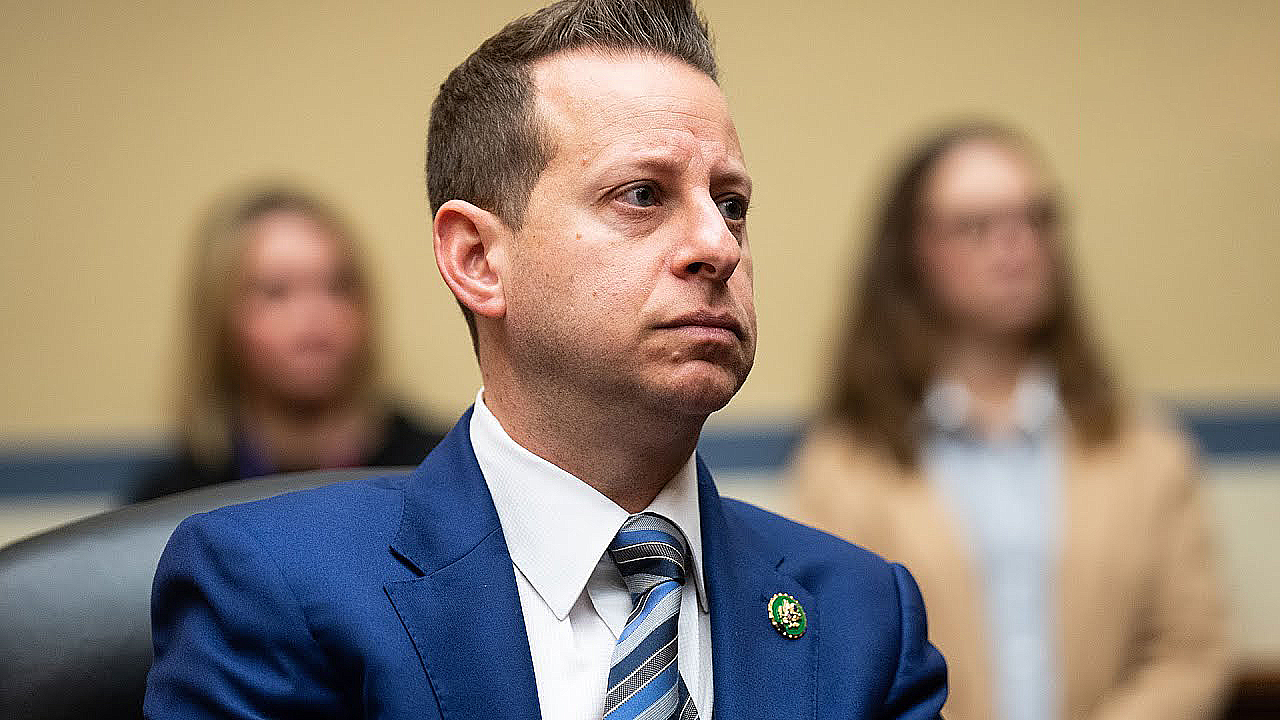
“I’ve been pushing the Trump administration to release much-needed federal funds for our district, and I’m glad to see these resources coming to Wilton Manors,” the Parkland Democrat said.
“Water is the most basic necessity there is, and with the help of these funds, residents can be confident their community has the clean water infrastructure they rely on.”

Human rights champion
Miami human rights activist Rosa María Payá was just formally elected to the Inter-American Commission on Human Rights. Secretary of State Marco Rubio, formerly Florida’s Senator and a longtime Miami politician, appointed her to the Commission on behalf of the U.S. earlier this year, and the Commission voted to put her on the board last week.
South Florida lawmakers cheered the election.
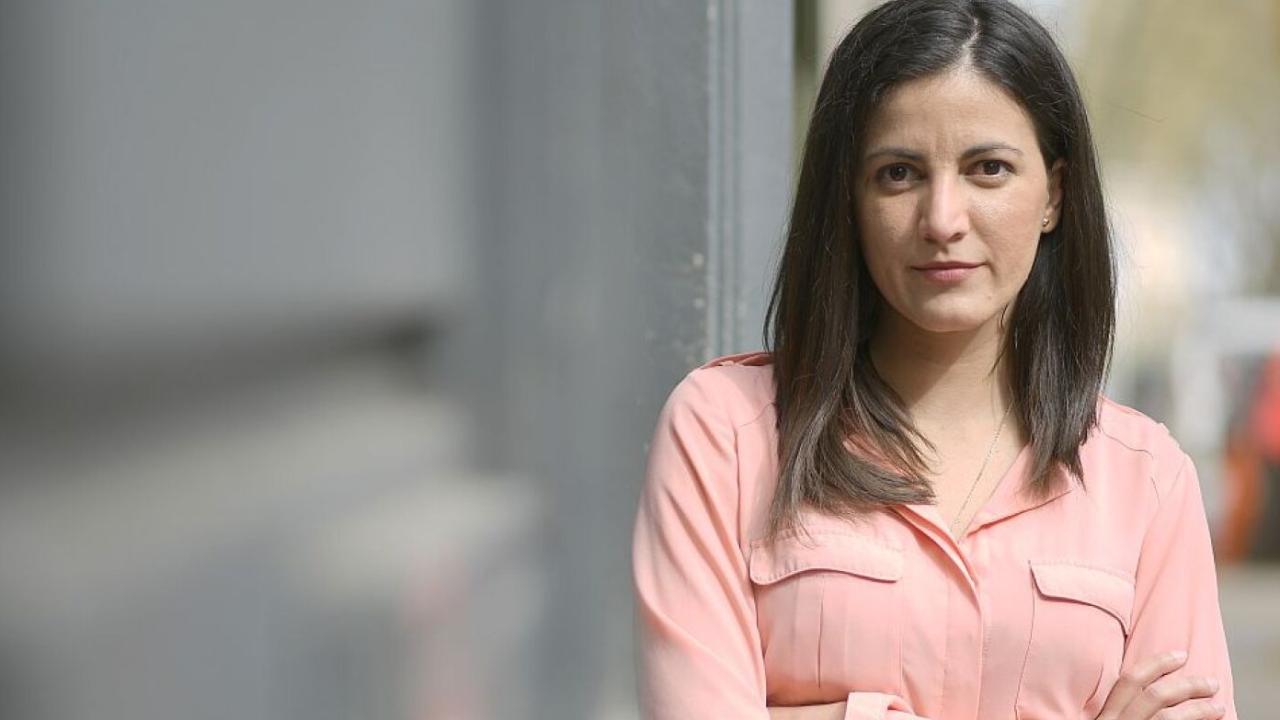
“Congratulations to Rosa María Payá on her election to serve as a member of the Inter-American Commission on Human Rights,” said Díaz-Balart, dean of the congressional delegation.
“Rosa María has dedicated her life to supporting freedom for the Cuban people and others living in tyranny in our hemisphere, while ensuring that we never forget the sacrifice that so many have made in the struggle for freedom. She will be an effective, dedicated, and knowledgeable advocate for human rights.”
The Havana native is the daughter of Oswaldo Payá Sardiñas, founder of the Christian Liberation Movement in Cuba, who died in a car crash in 2012 on the island.
Rubio also cheered Payá’s advancement in the process. “Payá’s voice and tireless advocacy in defense of freedom, democracy, and human rights in our region is needed now more than ever,” he posted.
Payá, in turn, thanked the Cabinet member publicly for the opportunity.
“Your unwavering defense of freedom in our hemisphere have paved the way,” she wrote in a post tagging Rubio. “Honored to walk this path for my father and with those who never stop standing for liberty.”
NOAA cuts
The National Oceanic and Atmospheric Administration (NOAA) has filed an update to its budget request to Congress, recommending the closure of the Atlantic Oceanographic & Meteorological Laboratory in Miami.
That’s part of a 17% reduction in the federal agency’s workforce. Shuttering that facility, along with several other weather labs nationwide, will result in a decrease of 285 NOAA employees.
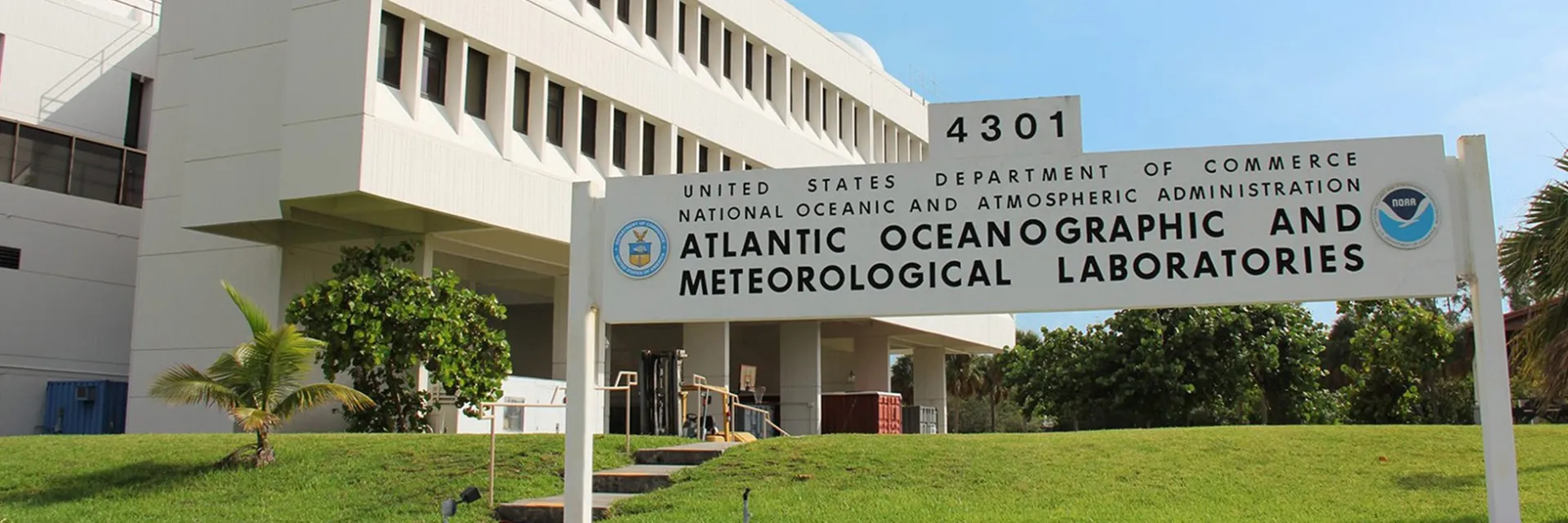
The agency plans to shift some of the lab’s responsibilities to other NOAA functions, including the National Weather Service, according to the budget document. NOAA intends to continue pursuing commercial lease options for the Weather Forecasting Office in Miami.
However, the closure of the laboratory is part of the Trump administration’s effort to reduce the number of federal employees at NOAA significantly. The Miami facility was affected by layoffs that included the elimination of 216 personnel at climate laboratories, 285 at weather laboratories and 131 at ocean laboratories.
On this day
July 1, 1836 — “Congress authorizes Andrew Jackson to accept donation for Smithsonian” via the Smithsonian Institution — President Jackson asserted his belief that the people of the United States would ultimately put such opportunities to good use. Unsure whether the Constitution gave him the authority to accept the James Smithson bequest, he asked Congress to pass legislation allowing him to do so. Congress authorized acceptance and Jackson took immediate steps to secure the bequest by sending diplomat Richard Rush to England. Rush spent two years in England pursuing the United States’ claim in the Court of Chancery. The Court awarded Smithson’s properties, valued at approximately $508,318, to the United States.
July 1, 1963 — “Post Office introduces ZIP codes” via History.com — The Zone Improvement Plan (ZIP) was part of an effort to improve the speed of mail delivery, inaugurating the use of machine-readable ZIP codes to facilitate the efficient sorting of mail at a national level. The idea wasn’t totally new. In 1943, the Post Office had created numbered zones for over 100 urban areas nationwide. However, in the post-World War II boom, that system quickly became inadequate. Between 1943 and 1962, annual mail volume doubled from 33 billion to 66.5 billion pieces, and the average mailed letter passed through an average of 17 sorting stops.
___
Peter Schorsch publishes Delegation, compiled by Jacob Ogles, edited and assembled by Phil Ammann and Ryan Nicol.
Post Views: 0