
Sports
How Florida Quietly Became the Center of Hockey’s Biggest Experiments
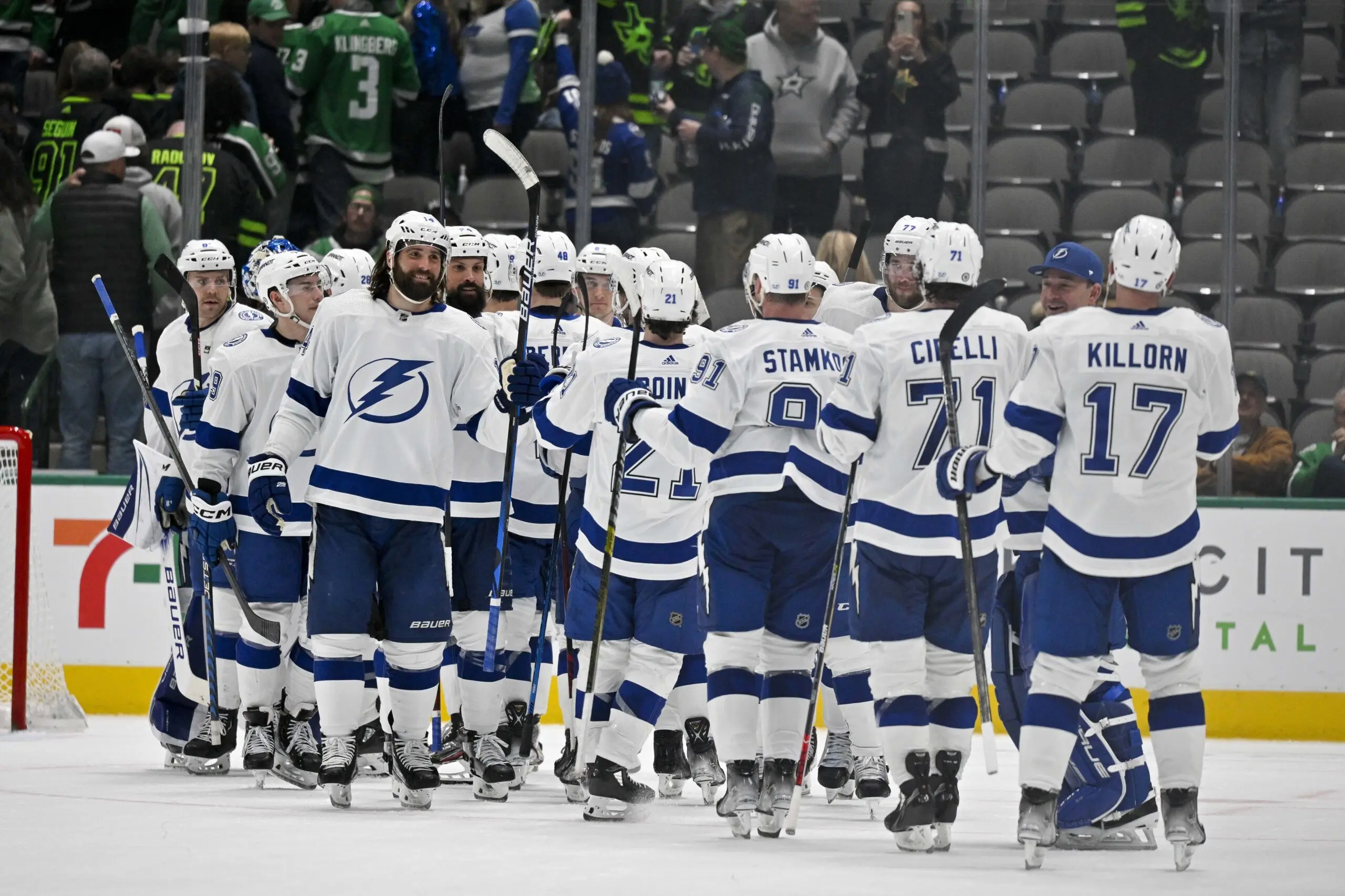


Florida was usually treated as an experiment in the NFL. Traditional warm-weather markets aren’t really suited to hockey fans, and the franchises had to compete with beaches, football, and year-round golf. However, by 2026, the state became one of the most influential in the league.
The Florida Panthers and Tampa Bay Lightning are no longer simply successful franchises; they are the future of the league. From salary-cap strategies and player recovery systems to analytics-driven roster-building and fan-engagement models, Florida has quietly evolved into hockey’s biggest innovation laboratory.
The Rise of “Sun Belt Hockey” and the End of Old NHL Assumptions
For most of NHL history, Montreal, Detroit, and Boston were seen as the league’s centers. The expansion into the southern market was seen as a risk, since hockey isn’t one of the area’s major sports.
The Lightning became one of the NHL’s defining dynasties of the salary-cap era. At the same time, the Panthers transformed from a struggling franchise into a Stanley Cup contender with one of the league’s loudest playoff atmospheres.
Youth hockey became popular in Florida as a result of the team’s success. Television ratings also improved over the years, and the Sun Belt markets became a driver of league growth. According to a BC.Game review, the Florida Panthers and Tampa Bay Lightning are greatly helped by their fans, as seen in the quotes from the betting sites. Experts, such as those from CryptoManiaks, see crypto betting sites as the safest way to wager on hockey.
The Tax Advantage Debate: Florida’s Most Controversial Hockey Experiment
Florida is also a good choice for a hockey franchise due to its tax regulations. Because Florida has no state income tax, players signing contracts with the Panthers or Lightning often keep significantly more of their salaries compared to players in heavily taxed states or Canadian provinces.
Some critics believe that this creates an unfair advantage for Florida teams. Players who accept a pay cut in Florida still end up with higher salaries when taxes are factored in. In a league with a hard salary cap, that difference matters.
Supporters of the Florida teams, however, believe that the taxation isn’t enough to make a franchise, and that teams have managed to rise because of their qualities.
Sports Science, Recovery, and the Florida Lifestyle Advantage
Florida teams have become leaders in using science to improve performance. Recovery, conditioning, sleep optimization, nutrition, and mental health are all seen as a competitive advantage.
The Panthers’ Baptist Health IcePlex training facility reflects this shift. Lifestyle also plays an important role, and Florida offers the conditions players are looking for.
Warm weather, reduced winter travel stress, and family-friendly living conditions have become important recruiting tools for players considering free agency destinations. Across professional sports, other teams are now aware that players’ comfort and well-being affect performance.
How Tampa Bay and Florida Changed Modern Team Building
Florida teams have also influenced how modern teams build their rosters. The teams need to find a way to master salary caps while still being able to afford or build top talent. Tampa Bay has succeeded in this better than any other team.
Success depends on advanced scouting, analytics, and long-term player development. That way, the team identifies undervalued contributors who fit specific tactical systems.
Meanwhile, the Panthers adopted a more aggressive roster-building philosophy focused on playoff intensity, speed, and relentless pressure. NHL teams across the country are now adopting one of these two methods, as it’s proven effective.
The NHL’s Future May Look More like Florida than Canada
Florida shows that there’s a change in the NHL as a whole. The NHL increasingly values entertainment-focused markets, tourism-heavy cities, corporate sponsorship opportunities, and event-driven fan experiences.
Some fans are worried about this change as they feel it would drive the league away from traditional hockey centers. Outdoor ponds, local community rinks, and traditional hockey culture no longer dominate league strategy the way they once did.
Markets are also focusing on a younger generation of fans, which is already used to Florida being an important part of the league.
Conclusion: The NHL’s Most Important Laboratory
Florida has quickly become one of the most lab-like teams in the league. It was supposed to test whether the NFL would find a fan base in the state with no tradition of winter sports. Now, the teams from Florida have a huge fan base, and there’s growing interest in hockey among younger fans.
The teams have also had to adapt to how to approach payment caps while still improving their rosters. They’ve also managed to do that, and now almost all teams are copying their method. Many feel it’s the future of the whole league.