Hillsborough County commissioners will take the first major step on Wednesday, May 20, 2026, when they vote on the nonbinding memorandum of understanding that outlines the framework for a new Tampa Bay Rays ballpark and a full redevelopment of the Hillsborough Community College site in West Tampa. The MOU reflects months of negotiations between the Rays, the county, and the city, and it sets the stage for the most significant sports development decision in the region in decades.
The agreement calls for a $2.3 billion enclosed ballpark and a 120‑acre mixed‑use district that replaces aging HCC facilities and acres of surface parking. The Rays would contribute roughly $1.27 billion and cover all cost overruns. Hillsborough County would commit about $796 million, and the city of Tampa would contribute around $180 million. No new taxes would be created to fund the project.
County leaders see the MOU as a way to keep the project moving while protecting essential public services. The Rays see it as the stability they have sought for years, with clear timelines, land control, and a long‑term home in Tampa.
Tampa’s Vote Follows on Thursday
The Tampa City Council will vote the next day, Thursday, May 21, 2026, on its share of the agreement. City officials have emphasized that most of Tampa’s contribution will be recoverable through increased property values and new revenue generated by the district. The redevelopment includes new housing, retail, office space, entertainment, and a rebuilt HCC campus.
City leaders describe the project as a once‑in‑a‑generation opportunity to reshape West Tampa. The Rays have urged swift approval to stay on schedule for a 2029 opening.
Why the Battery Model Matters
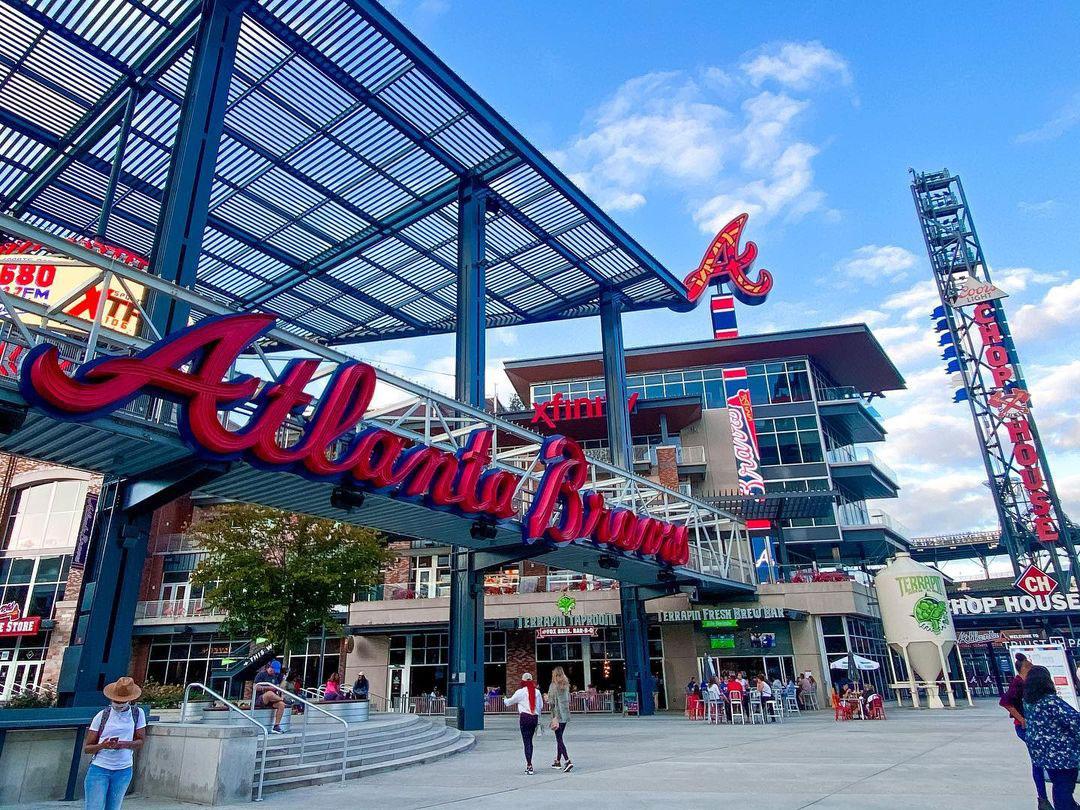
Both votes are influenced by the success of the Atlanta Braves’ Battery district. Cobb County’s latest financial reports show that Truist Park and The Battery generated nearly $40 million in tax and fee revenue in 2025, far exceeding the county’s annual stadium debt service. Property values inside the district have soared from $5 million in 2014 to more than $640 million in 2025. Visitor‑driven revenue from hotels, rental cars, and sales taxes has strengthened the county’s general fund.
Those results have become the national benchmark for stadium‑anchored development. Hillsborough and Tampa officials have studied the model closely, and the Rays’ plan mirrors its core principles: walkability, year‑round activity, and a mix of residential, commercial, and entertainment uses built around the ballpark.
Why the HCC Site Could Be Even Better
The HCC site offers advantages that the Battery never had. It sits closer to the urban core, with stronger regional access, deeper redevelopment potential, and a college campus that will be rebuilt as part of the project. The district’s 120 acres give Tampa the chance to design a modern neighborhood from the ground up, with updated infrastructure, stormwater improvements, and new community benefits.
The combination of a new stadium, a rebuilt HCC campus, and a large mixed‑use district positions Tampa to create a destination that could outperform the Battery in long‑term value, tax generation, and year‑round activity. The site’s scale and location give the project room to grow in ways that Cobb County could not match.
A Defining Week for Tampa Bay
The back‑to‑back votes will determine whether the Rays, Hillsborough County, and the city of Tampa move forward together. If approved, the project becomes one of the most ambitious redevelopment efforts in Florida and a model for how sports, education, and urban planning can align.
If both votes pass, Tampa positions itself to build a district that delivers economic impact, community investment, and a long‑awaited permanent home for the Rays.